

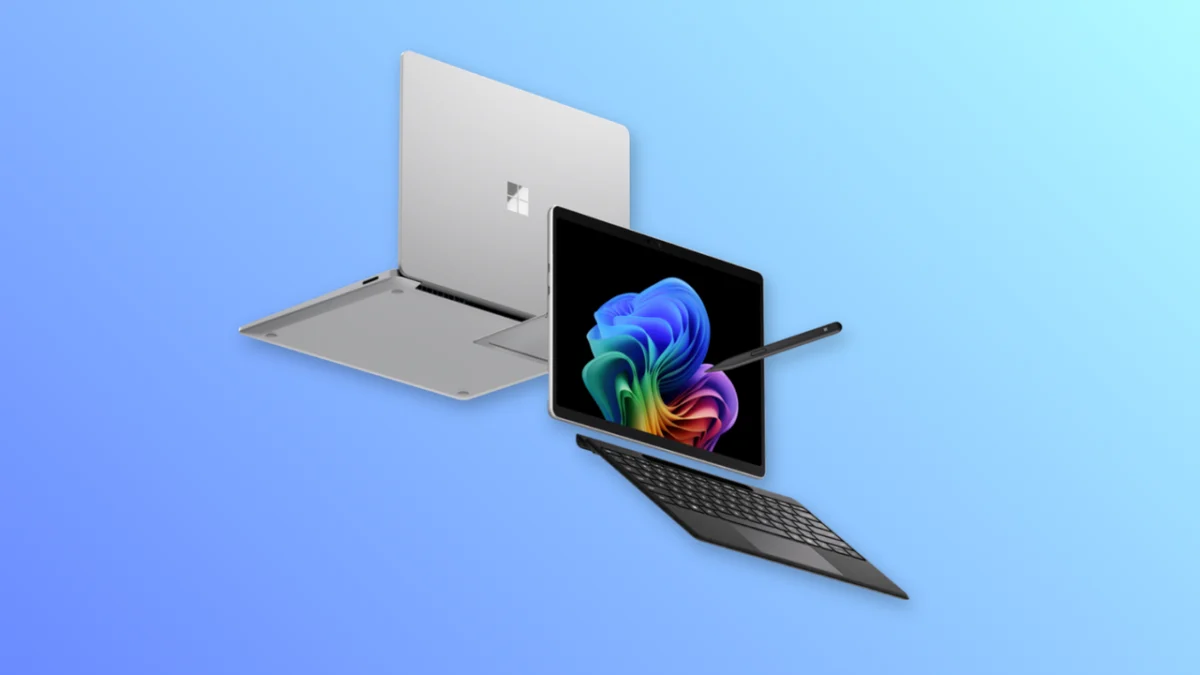
Microsoft has officially pulled back the curtain on its latest generation of Surface devices designed specifically for the business and enterprise sectors. Anchored by Intel’s new Panther Lake architecture, this rollout represents a significant, albeit controversial, step in the company’s ongoing strategy to marry high-end hardware with the accelerating demands of local artificial intelligence processing.
However, the launch has been met with a mix of technical intrigue and market skepticism. While the new Surface Laptop 8 and Surface Pro 12 push the boundaries of productivity features and hardware longevity, Microsoft’s decision to maintain an 8GB RAM entry-level tier—at a premium price point—has raised eyebrows across the tech industry. As the AI "gold rush" shifts focus toward on-device processing, the discrepancy between Microsoft’s own hardware requirements and its product offerings has become a focal point of debate.
Main Facts: The New Surface Ecosystem
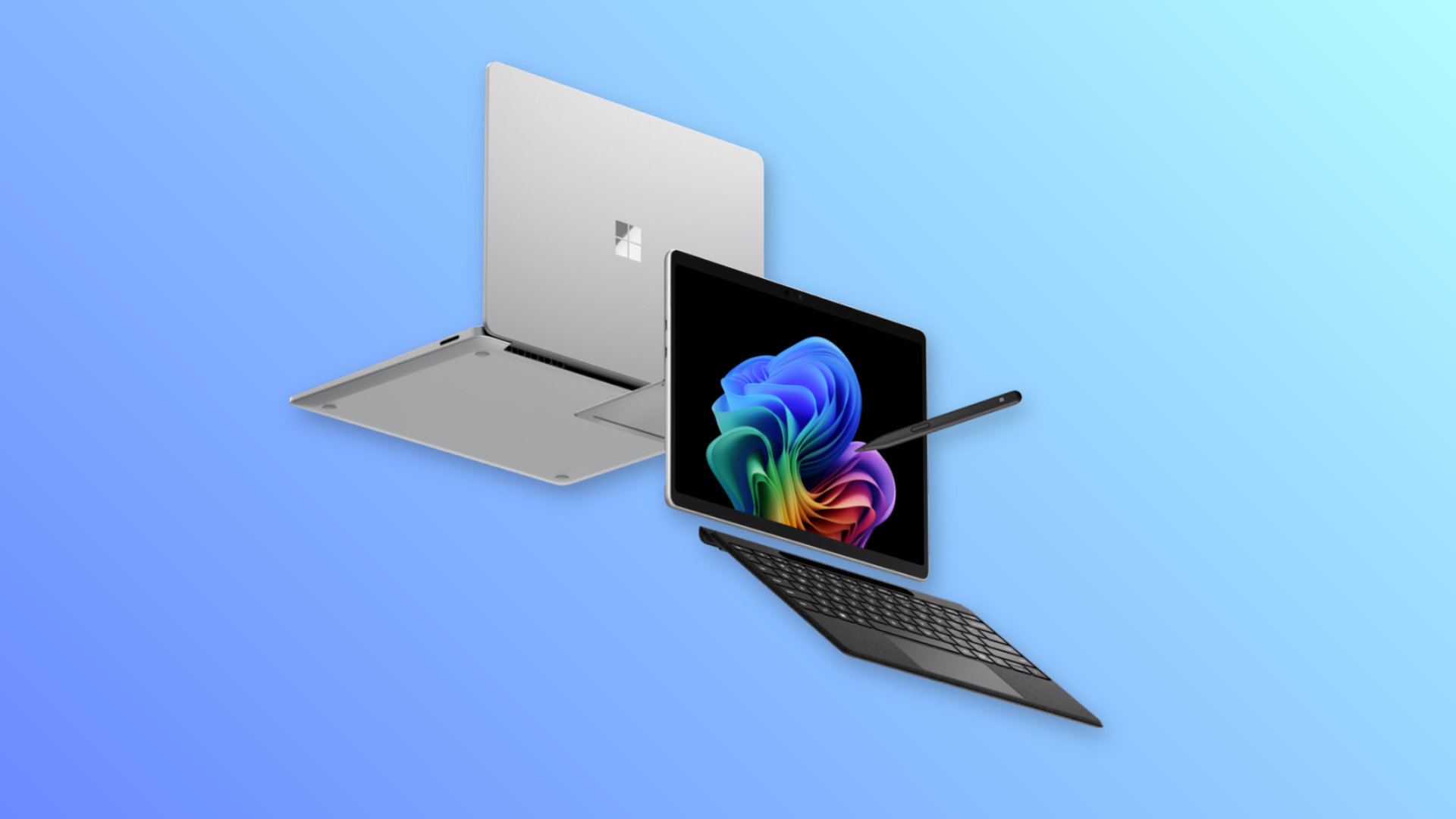
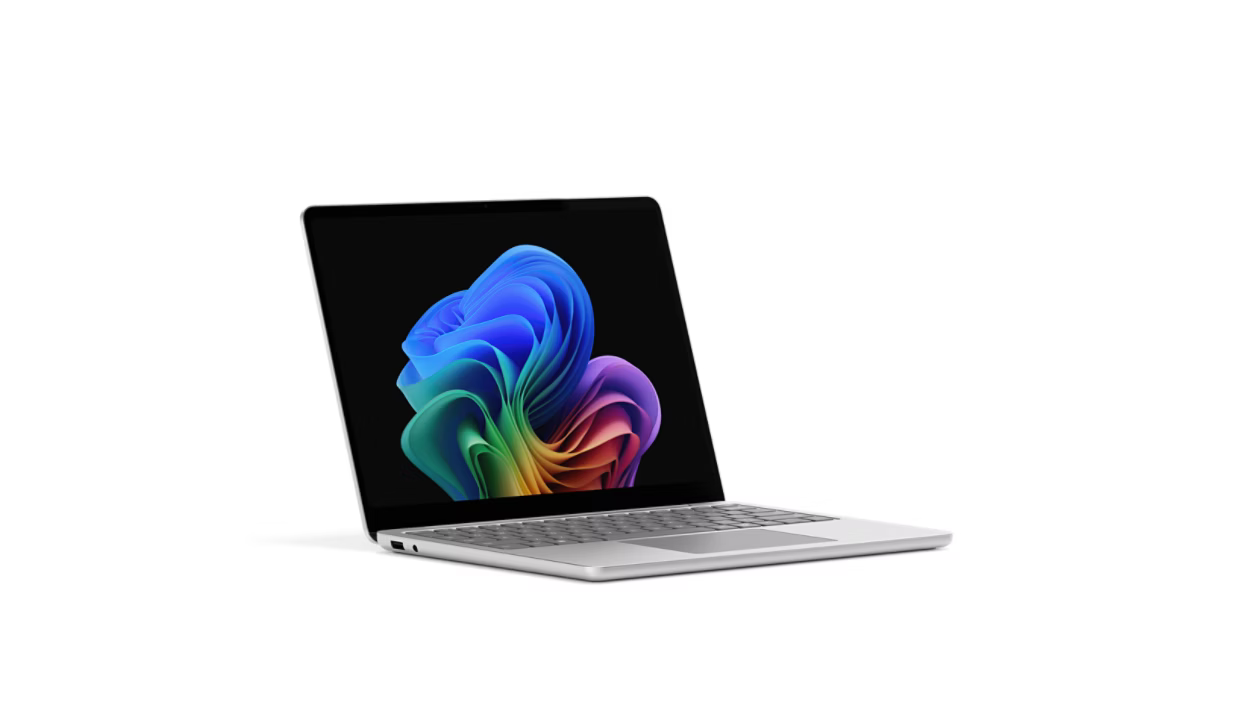
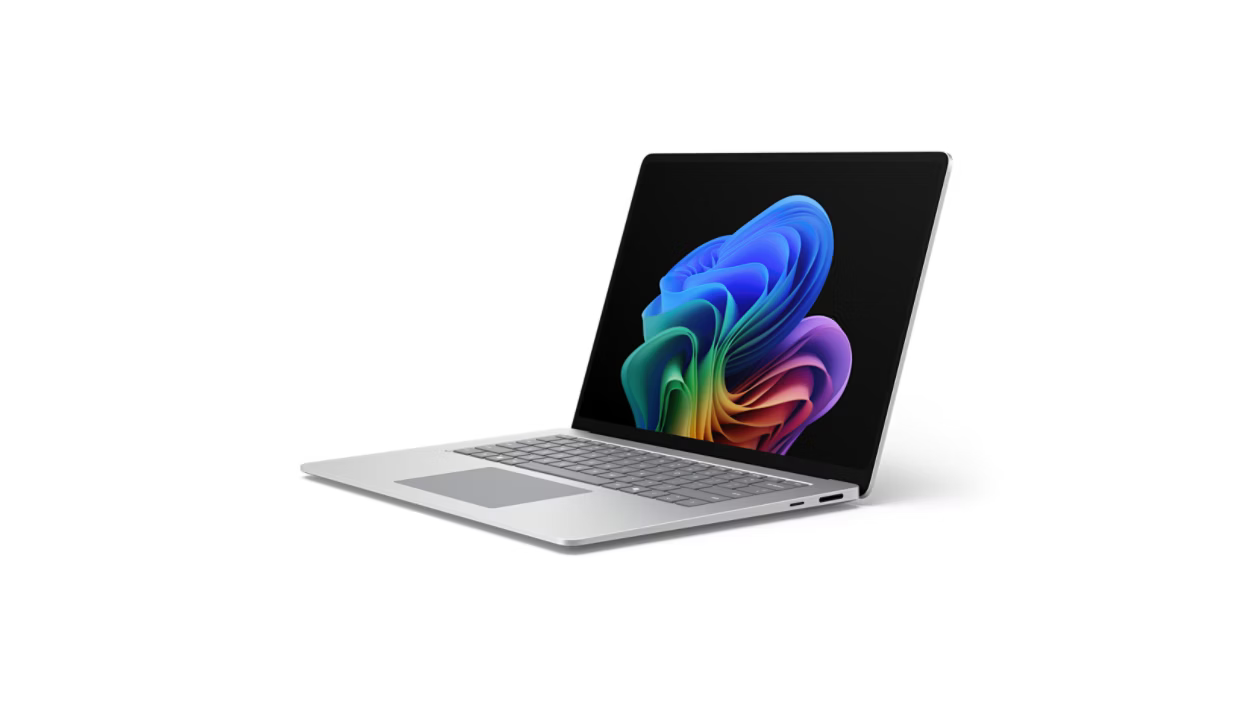
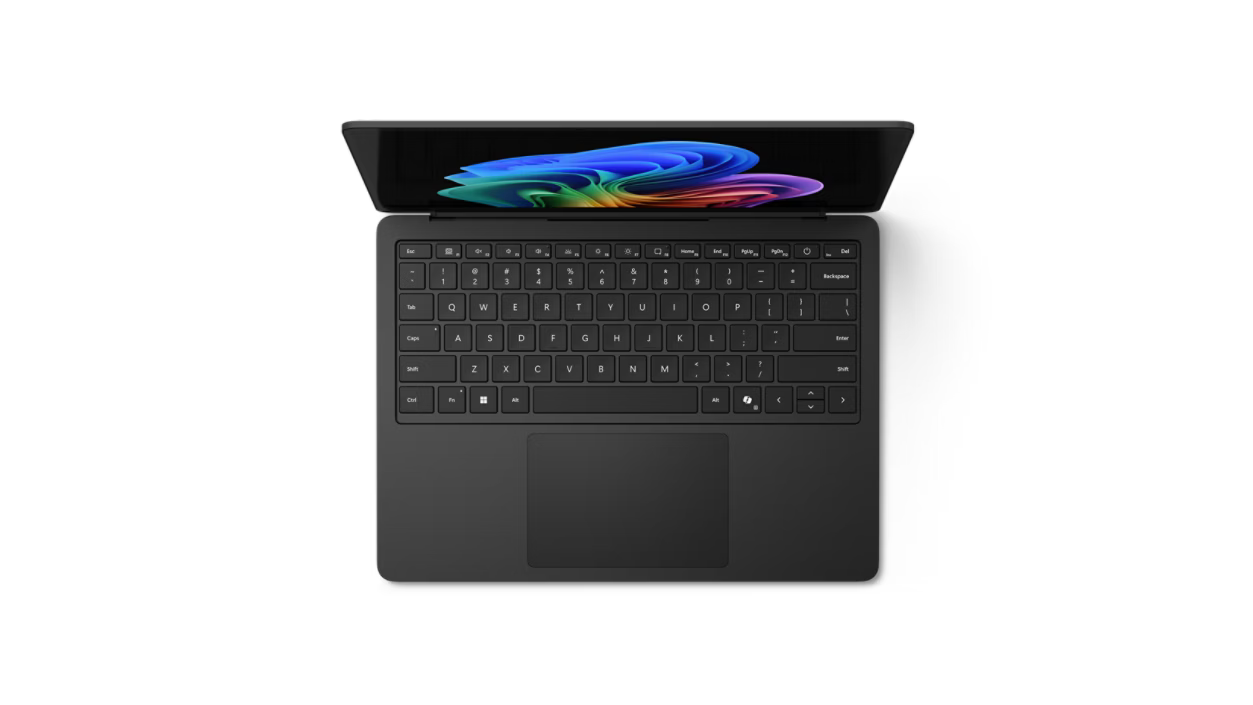
The refreshed lineup centers on three primary configurations: the standard 13-inch Surface Laptop, the high-end 13.8-inch and 15-inch Surface Laptop 8, and the versatile Surface Pro 12 2-in-1.
All devices are powered by Intel’s latest Panther Lake silicon, a platform optimized for energy efficiency and thermal management. The most notable inclusion across the high-end models is the integration of "advanced haptics" in the trackpad, which allows for tactile feedback that simulates clicks and physical snapping sensations, providing a more intuitive interface for power users.
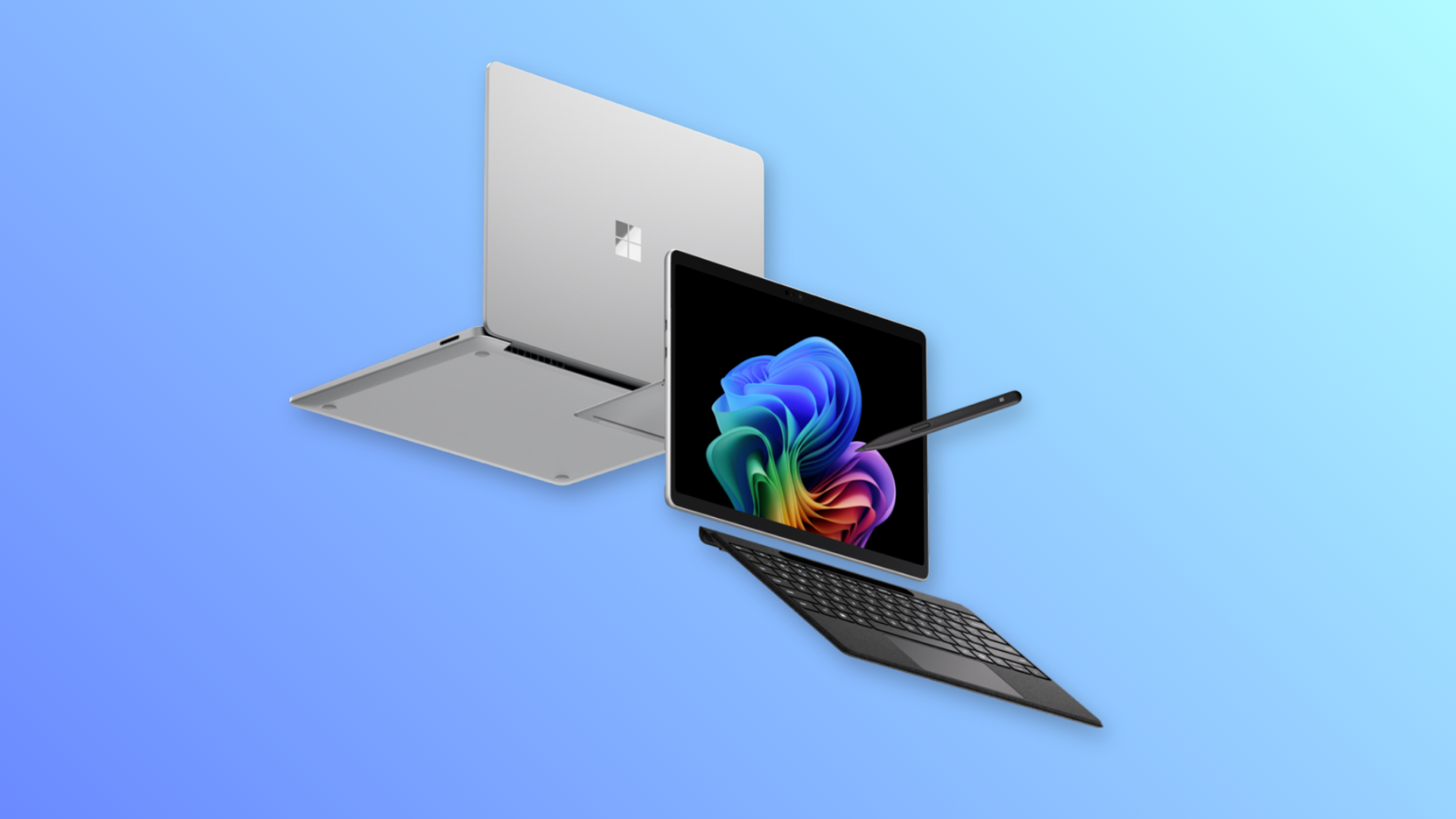
Despite the focus on "business and AI acceleration," the entry-level 13-inch Surface Laptop presents a paradoxical value proposition. With a base configuration starting at $1,299 for an 8GB RAM model, the device sits in a precarious position. By Microsoft’s own definition, a "Copilot+ PC" requires a minimum of 16GB of RAM to handle local AI tasks effectively. Consequently, the entry-level machine is essentially hardware-locked out of the very features Microsoft is marketing as the future of the platform.
Chronology of the Launch
The announcement on May 19, 2026, followed months of speculation regarding how Microsoft would integrate its software-driven AI ambitions into its physical hardware.
- Pre-Launch (Q1 2026): Analysts correctly predicted that Microsoft would pivot to Intel’s Panther Lake chips to improve battery life and thermal headroom, addressing the primary criticisms of the previous Surface Laptop 7.
- The Unveiling (May 19, 2026): Microsoft formally unveiled the "Business and AI" focus, highlighting the security-centric design of the new lineup.
- Availability: While the premium Surface Laptop 8 and Pro 12 models are available for immediate enterprise procurement, the controversial 8GB entry-level model is slated for release later in the year, leaving a gap in the current product stack.
Supporting Data and Technical Specifications
Surface Laptop 8: The Powerhouse
The Surface Laptop 8 is clearly the "flagship" of this new release. It is available in 13.8-inch and 15-inch variants.
- Performance: Base models start with the Intel Core Ultra 5 335, while power users can configure machines up to the Core Ultra X7 368H, paired with Arc B390 integrated graphics.
- Memory and Storage: Configurations scale up to a massive 64GB of LPDDR5x RAM and 1TB of PCIe 4.0 storage. The storage remains user-replaceable, a welcome nod to enterprise repairability.
- Display: Both sizes feature 120Hz, 3:2 aspect ratio "PixelSense" IPS touchscreens with 600 nits of peak brightness. The 15-inch model boasts a significantly higher pixel density (262 PPI) compared to the 13.8-inch model (201 PPI).
Surface Pro 12: The 2-in-1 Standard
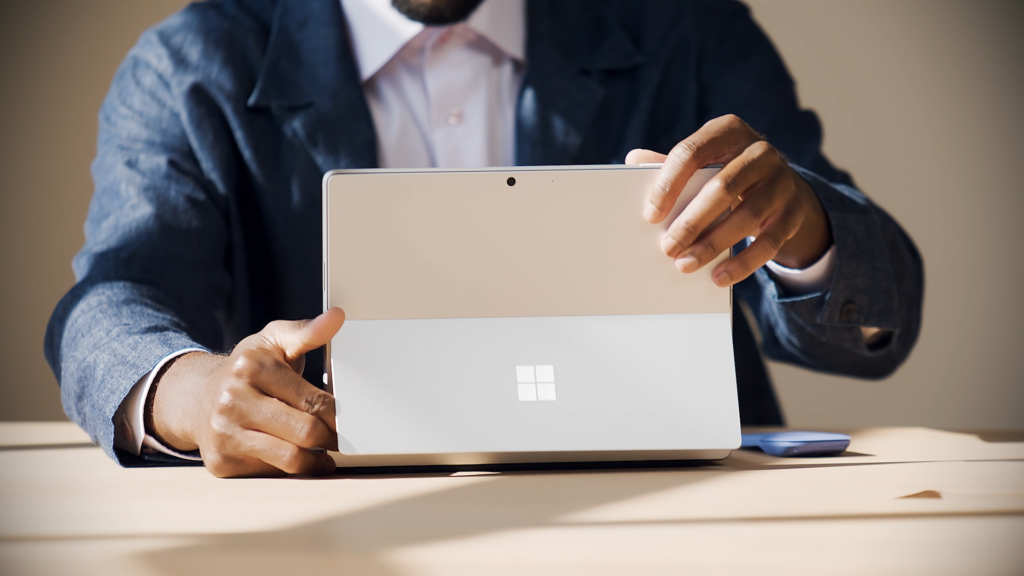
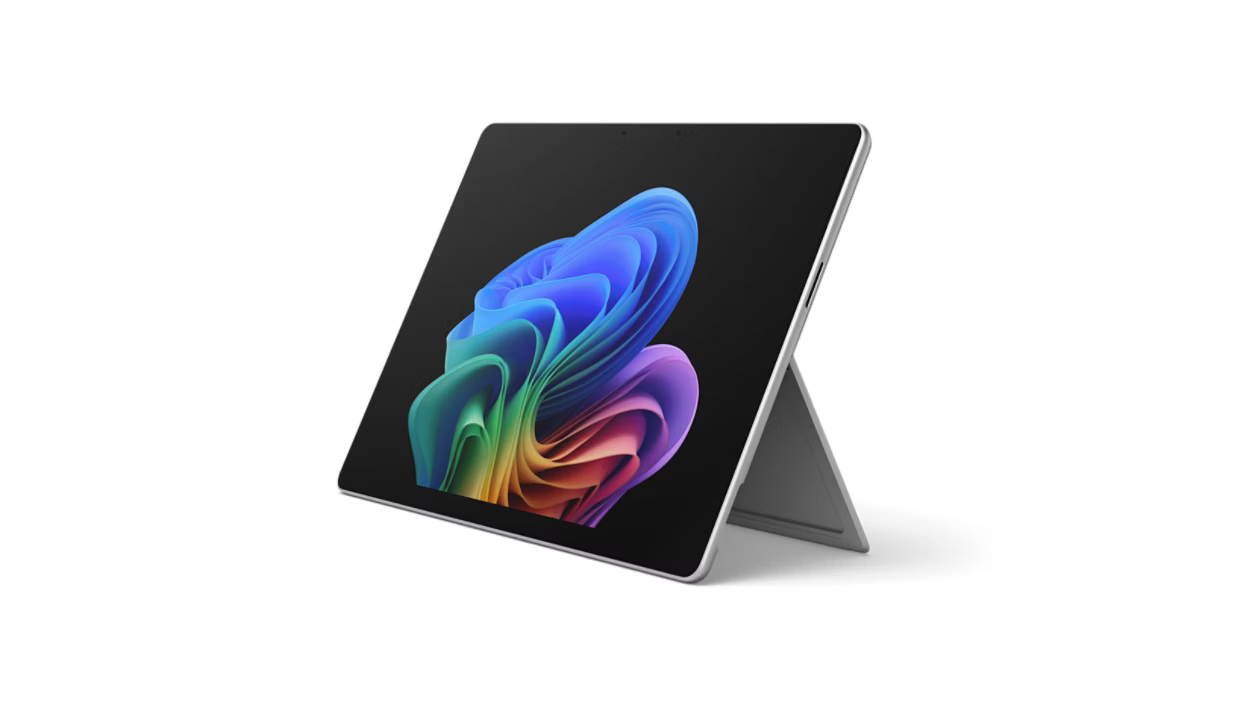
The Surface Pro 12 retains its status as a premium tablet-first device. It utilizes the same Intel Core Ultra 5 335 base chipset found in the laptops. While the documentation teased OLED display options and 64GB RAM configurations, these appear to be limited in current procurement channels, with the base model focusing on a 13-inch IPS panel. Connectivity is handled via dual Thunderbolt 4 ports, Wi-Fi 7, and Bluetooth 5.4, ensuring these machines remain relevant in modern office environments for years to come.
The RAM Debate
The criticism regarding the 8GB RAM threshold is not merely academic. In 2026, 8GB of memory is widely considered the absolute bare minimum for a web-browsing-only machine. When compared to the $600 MacBook Neo, which faced scrutiny for its 8GB base memory, the Surface Laptop’s $1,299 price tag makes its limited memory capacity difficult to justify.
Official Responses and Strategic Rationale
Microsoft has defended its hardware decisions by emphasizing the "Business for Enterprise" branding. According to internal briefings, the price premium on these devices is not just for the raw silicon, but for the added layers of enterprise security, remote management capabilities, and hardware stability that consumer-grade laptops lack.
The company argues that businesses often prefer standardized, lower-spec machines for administrative staff who perform basic office tasks, where 8GB of RAM remains "sufficient." However, this creates a disconnect: by marketing these as "AI-ready" machines, the company risks alienating enterprise IT departments who may find that their new fleet of "AI-ready" laptops cannot actually perform local AI tasks without a memory upgrade.
Implications for the Industry
1. The Death of the "Standard" Laptop
The integration of advanced haptics and the continued reliance on the 3:2 aspect ratio suggests that Microsoft is doubling down on its signature design language. The industry is moving toward a world where the trackpad is not just a pointing device but a haptic interface that integrates with the OS to provide physical confirmation of digital actions.
2. The AI Hardware Gap
The most significant implication is the widening gap between software requirements and hardware specifications. As Microsoft pushes Copilot further into the OS, the "floor" for acceptable hardware performance is rising. If the base model of a business laptop cannot run the software that defines the platform, it raises questions about the longevity of these investments. Enterprises looking to future-proof their fleets will likely be forced to bypass the base models, effectively driving the "real" starting price of a business-ready Surface significantly higher than the advertised $1,299.
3. Competition with Apple
Microsoft is positioning the Surface Laptop 8 as a direct competitor to the 16-inch MacBook Pro. However, the price-to-performance ratio remains a hurdle. A fully specced Surface Laptop 8 costs $4,499, landing uncomfortably close to the $4,599 price tag of a 16-inch MacBook Pro equipped with an M5 Max chip, 64GB of RAM, and significantly faster PCIe 5.0 storage. For Microsoft to win over the creative and enterprise professional market, it will need to prove that the Windows ecosystem and the Surface build quality provide enough utility to offset the raw performance advantages found in Apple’s silicon.
Final Analysis
Microsoft’s 2026 Surface lineup is a calculated gamble. By focusing on the enterprise segment, the company is betting that reliability, security, and integration with the Windows 11 ecosystem are more valuable to corporations than raw benchmark scores.
However, the decision to market these devices as "built for AI" while offering an 8GB RAM entry point creates a confusing narrative. For the average business user, these devices offer a refined, premium experience with industry-leading haptics and display technology. For the professional power user or the enterprise IT manager looking for true AI-capable hardware, the path is clear: skip the base models and look toward the higher-end configurations. As we move further into the age of on-device AI, the hardware requirements are only going to climb, and Microsoft’s current strategy seems to be testing exactly how much the market is willing to pay to keep up.









No comments yet. Be the first to join the conversation!