

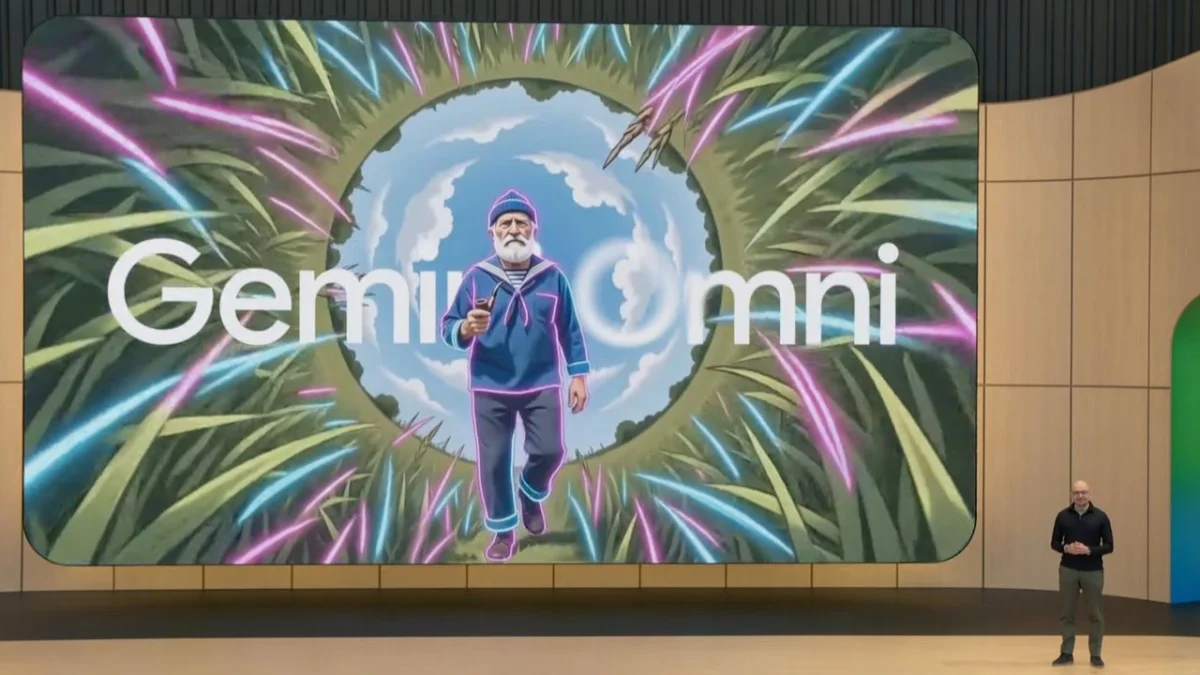
At the heart of Google I/O 2026, the company made a definitive statement: the future of generative artificial intelligence is no longer just about text generation or static image synthesis—it is about the fluid, conversational mastery of motion and media. With the unveiling of Gemini Omni, Google has launched a sophisticated suite of creative tools designed to bridge the gap between human intent and high-fidelity video production. By integrating reasoning capabilities with advanced media manipulation, Google is signaling a paradigm shift that aims to transform every user—from casual content creators to enterprise developers—into a digital auteur.
The Core Concept: Redefining Media Creation
Gemini Omni represents a significant leap forward in how we interact with generative models. Traditionally, AI video generation has been a "black box" process: a user provides a prompt, the model churns out a result, and if the output isn’t perfect, the user starts over from scratch.
Google is attempting to dismantle this rigid workflow. Gemini Omni is built on the principle of "conversational editing." Instead of being a one-and-done generator, Omni is designed to act as a collaborative partner. Through natural language, a user can direct the AI to modify specific elements within a video—adjusting the lighting, changing the background, or altering a character’s actions—all while maintaining temporal and physical consistency.
The technology leverages a deep understanding of physics, allowing it to simulate how objects interact in a 3D space. When an object is touched or manipulated, the AI understands how it should react—whether that means a surface rippling like liquid or a sculpture bending with the structural integrity of a bubble. This represents a substantial improvement over previous iterations of AI media tools, which often struggled with "hallucinations" or logical inconsistencies in motion.
Chronology of Development: From Static to Dynamic
The trajectory leading to Gemini Omni reflects Google’s aggressive investment in the generative AI space.
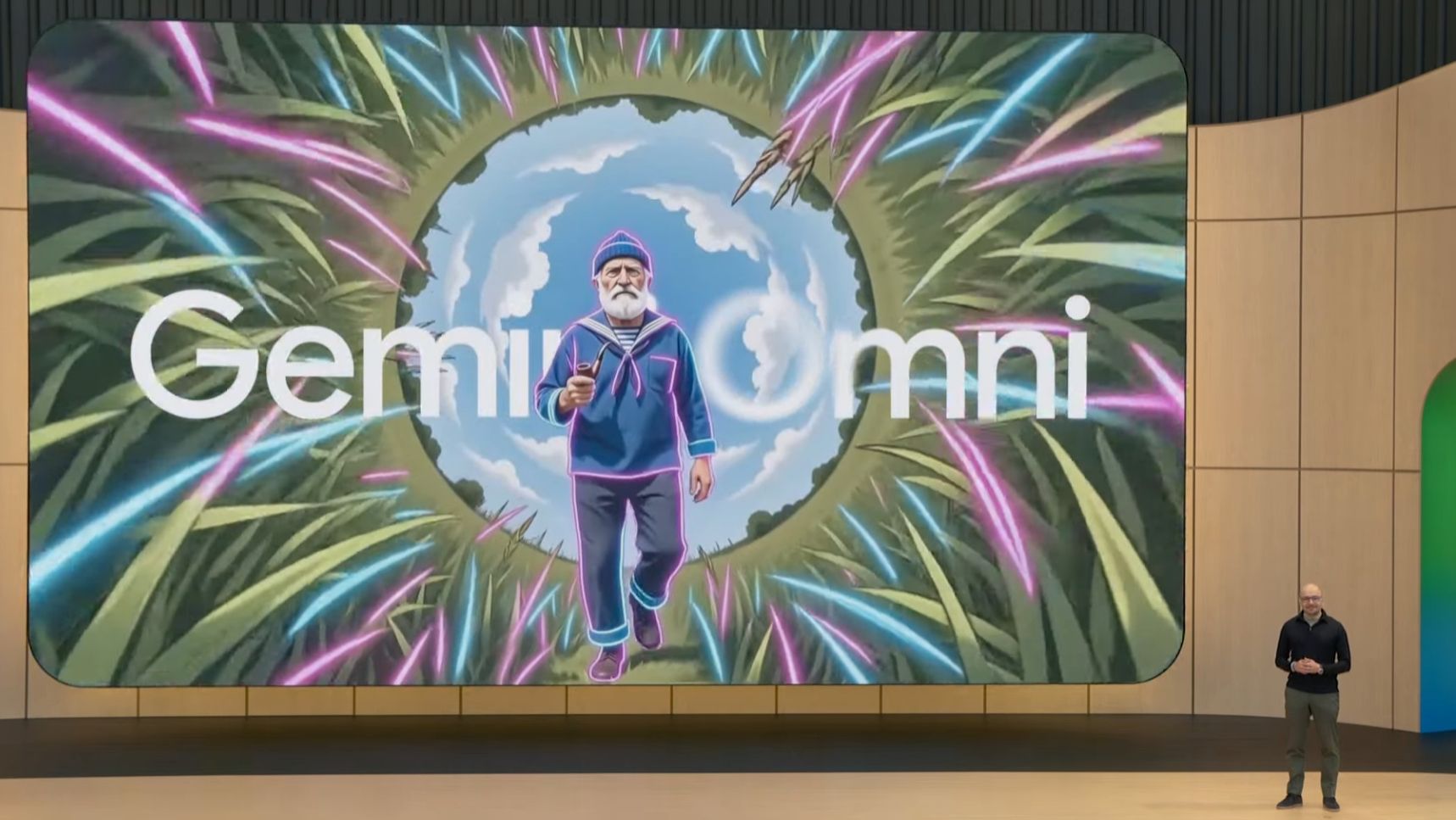
- Early 2025: Google introduced the "Nano Banana" initiative, which expanded Gemini’s image-processing capabilities. This period marked a transition from basic text-to-image generation to more utility-focused applications, such as the restoration of historical photographs and the translation of hand-drawn sketches into professional-grade digital concepts.
- Late 2025: Recognizing the limitations of static images, Google’s research teams pivoted toward temporal consistency in video models. This phase focused on training the model to "remember" the state of a scene, a critical prerequisite for the conversational editing features seen in today’s release.
- May 2026 (Google I/O): The official debut of Gemini Omni. The company demonstrated "Gemini Omni Flash," the first consumer-facing iteration of the technology, specifically optimized for high-speed video processing and integration into the broader Google ecosystem.
Supporting Data and Technical Architecture
Gemini Omni Flash is being rolled out across a robust array of platforms, ensuring immediate accessibility. By embedding the technology directly into the Gemini app, Google Flow, and YouTube Create, Google is effectively democratizing high-end production tools that were once reserved for professionals with expensive software suites like Adobe After Effects or DaVinci Resolve.
The integration into YouTube Shorts is particularly noteworthy. As short-form video continues to dominate digital engagement, providing creators with the ability to edit clips via conversational prompts could lead to an explosion of AI-assisted content. The model is built to handle diverse inputs—text, images, audio, and existing video clips—and synthesize them into a coherent final product.
While the consumer release focuses on creative freedom, Google has outlined a roadmap for enterprise and developer versions. These future iterations are expected to support complex, multi-modal projects where music, reference footage, and custom prompts are harmonized into a single, high-definition output.
Official Responses and Strategic Positioning
During the keynote, Google executives emphasized that the goal of Gemini Omni is to remove the "technical barrier to entry." By shifting the burden of editing from manual frame-by-frame adjustments to natural language instructions, Google is positioning itself to compete directly with companies like OpenAI, Runway, and Luma AI.
"We are not just building a generator," noted a spokesperson during the I/O session. "We are building an editorial assistant that understands the nuance of your creative vision."
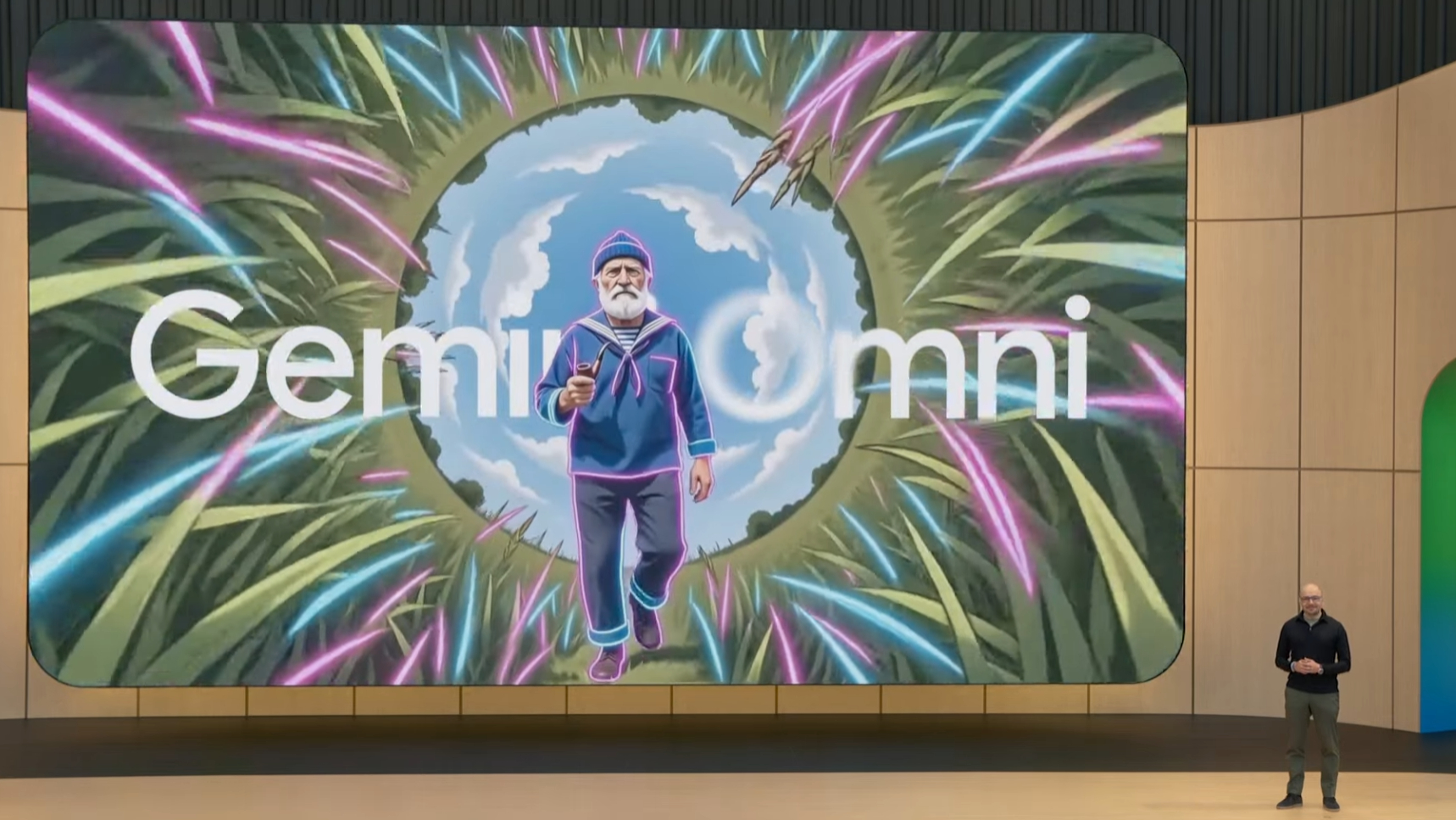
This strategic move is an attempt to capture the "middle market"—the millions of users who are intimidated by complex video editing software but who possess the creative desire to produce high-quality media. By making the process as simple as chatting with a friend, Google hopes to solidify Gemini as the default interface for digital creation.
Implications: Trust, Transparency, and Safety
The power to generate and edit video with such ease brings with it significant ethical baggage. The potential for deepfakes and the erosion of digital truth are challenges that Google has had to address head-on.
The Role of SynthID
To mitigate the risks associated with synthetic media, Google has implemented its SynthID watermarking technology across all content generated by Gemini Omni. This digital watermark is designed to be resilient, surviving even if the video is compressed or edited by third-party tools.
Google’s approach to transparency is multi-layered. Beyond the watermark, the company is developing verification tools that will be integrated into Search and Chrome. These tools are intended to help users identify the provenance of a piece of media, providing a "digital pedigree" for content encountered online.
Safety and Content Moderation
The issue of identity remains a delicate balance. Initially, Gemini Omni will allow users to create video avatars based on their own likeness and voice. However, Google has been notably cautious regarding broader speech modification and deepfake-style audio features.
"We are proceeding with extreme care," the company stated in its post-I/O documentation. "The ability to replicate a person’s voice or likeness requires robust safety guardrails that are still under rigorous evaluation."
This indicates that while the technology is powerful enough to perform these tasks, the societal implications are holding back a full-scale deployment. Google is effectively opting for a "staged release" model, where capability is matched by safety infrastructure.
The Competitive Landscape
The race for the "AI Creative Suite" crown is intensifying. While OpenAI’s Sora set a high bar for visual fidelity, Google’s advantage lies in its massive distribution ecosystem. By placing Gemini Omni directly into the hands of billions of Android users and YouTube creators, Google is betting that the most successful AI tool won’t necessarily be the one with the best raw rendering, but the one with the best user experience and integration.
The "conversational" approach is the pivot point. If Google can successfully convince the public that video editing should be a dialogue rather than a series of menus and sliders, it will have successfully defined the next generation of creative software.
Future Outlook: The Next Phase of Creation
As we look beyond the initial launch, the implications of Gemini Omni are profound. If the system evolves to support the seamless integration of disparate media types—music, photos, and video—we are moving toward a future where a single user can produce a feature-length cinematic experience from a laptop.

However, the industry remains at an inflection point. The tension between the democratization of creation and the need for stringent trust-building measures will define the next two years of AI development. For now, Google has set the stage. The tools are in place, the interface is established, and the conversation—both with the AI and about its impact on society—has only just begun.
As Gemini Omni makes its way to the broader public, the success of the platform will be measured not just by the videos it generates, but by whether it manages to maintain the integrity of our digital landscape in an era where seeing is no longer necessarily believing. Google is betting that if they provide the right tools, the creative community will find a way to use them responsibly, but the company’s cautious approach to advanced features suggests they know the stakes have never been higher.












No comments yet. Be the first to join the conversation!