

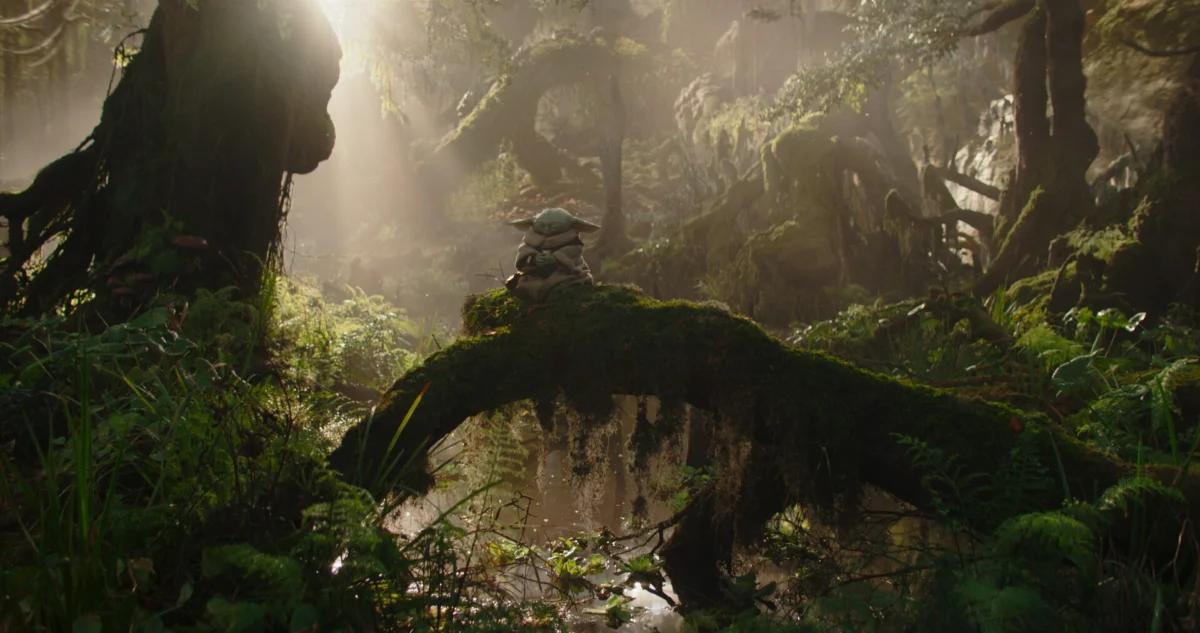
As the cinematic landscape prepares for the highly anticipated arrival of Star Wars: The Mandalorian and Grogu on May 22, 2026, the Star Wars universe stands at a pivotal crossroads. Directed by series creator Jon Favreau, the film marks a significant transition for the franchise, bringing the beloved duo from the streaming confines of Disney+ to the expansive, immersive scale of the silver screen. With the countdown to the premiere now at one month, the discourse surrounding the film has shifted from speculative excitement to a focused examination of what this entry means for the future of the galaxy far, far away.
The Core Narrative: A Coming-of-Age in a Gritty Frontier
At its heart, The Mandalorian and Grogu is not merely a high-stakes adventure; it is an intimate exploration of guardianship and evolution. Jon Favreau has consistently described the series as a modern-day Western, but the upcoming film elevates this premise by focusing on the maturation of the Force-sensitive foundling, Grogu.
"If you’re watching it through the eyes of Grogu, he is coming into his own," Favreau recently told StarWars.com. "He’s starting to take on more and his dad—Din Djarin—is trusting him with more responsibility."
This shift in the power dynamic between the titular Mandalorian and his ward is the emotional engine of the story. In previous seasons, Din Djarin’s role was defined by protection; he was the shield against an unforgiving galaxy. Now, that role has expanded into mentorship. As Grogu continues to integrate his training with Luke Skywalker with the combat-hardened lessons learned from his adoptive father, the film explores the universal, yet deeply poignant, theme of a parent preparing a child for a world that will one day exist without them.
A Chronology of a Cultural Phenomenon
To understand the weight of this film, one must look at the timeline of the "Mando-verse." When The Mandalorian premiered in 2019, it served as a grounding force for a franchise that had just concluded the epic Skywalker Saga with The Rise of Skywalker.
- 2019: The Mandalorian debuts, introducing the world to the "Child" (Grogu) and re-establishing the grit of the Star Wars universe.
- 2020–2022: The series expands with two additional seasons and the spinoff The Book of Boba Fett, creating an interconnected web of storytelling that revived fan interest in the post-Empire era.
- 2023–2025: Development of the feature film project moves from concept to production, with Favreau tapping into a blend of practical effects and cutting-edge technology to maintain the aesthetic integrity of the original trilogy.
- May 22, 2026: The Mandalorian and Grogu arrives in theaters, marking the first time the series’ characters headline a full-scale theatrical release.
Crafting the Galaxy: Supporting Data and Production Insight
The production of the film is a masterclass in blending legacy techniques with modern innovation. Favreau has made it clear that while this film is a new chapter, it remains tethered to the physical tactile nature of the 1977 original.
The film utilizes a "toy box" philosophy—a metaphor for Favreau’s desire to revisit the creature-heavy, imaginative world he fell in love with as a child. This is not just a digital spectacle; it is a collaboration between generations of creators. The production features the return of stop-motion legend Phil Tippett, model maker John Goodson, and the artisans at Legacy Effects. These teams have worked to bring practical creatures to life, including the promotion of the Amanin species and the inclusion of deeper cuts from Star Wars lore, such as the dejarik chess set brought to life as physical set pieces.
One of the most intriguing aspects of the film’s production is the integration of the "mini-rig" aesthetic—referencing Kenner toys that never appeared on screen—and the inclusion of creatures like the dragonsnake, which originated in the animated series. This attention to detail serves a dual purpose: it rewards the long-term, die-hard fans while providing a rich, textured world for newcomers who may be experiencing Star Wars for the first time.
Official Responses: A Star-Studded Expansion
The cast list for The Mandalorian and Grogu is as diverse as it is impressive, blending established franchise staples with Hollywood legends.
Sigourney Weaver joins the cast as Colonel Ward. According to Favreau, her involvement was organic, sparked by her genuine affection for the Grogu puppet on set. "Sigourney got such a kick out of Grogu," Favreau noted. Her interactions were so compelling that they influenced the script, leading to specific, tender moments between her character and the young apprentice that were not originally planned.
Similarly, the addition of Martin Scorsese as the voice of the Ardennian fry cook, Hugo, brings a touch of cinematic history to the project. Favreau, a long-time collaborator and admirer of the legendary director, views the character as a tribute to the craft of filmmaking. The animation team reportedly drew significant inspiration from Scorsese’s vocal performance, allowing the character of Hugo to feel like a living, breathing entity rather than a digital background prop.
Perhaps the most surprising addition is Jeremy Allen White, who portrays a grown-up version of Rotta the Hutt—the son of the infamous Jabba. By exploring the father-son dynamic of the Hutt clan, Favreau intends to contrast Din Djarin’s protective, honorable parenting with the legacy of one of the galaxy’s most notorious crime lords.
The Implications: A New Era for Star Wars
The move to theaters carries significant implications for the future of the Lucasfilm slate. By crafting a story that does not rely entirely on deep-seated knowledge of the Star Wars library, Favreau is attempting to solve a recurring issue in modern franchise filmmaking: accessibility.
"We want to make an experience that doesn’t rely upon somebody already loving Star Wars, but gives them an opportunity to fall in love with it the way we have," Favreau explains.
Furthermore, the physical performances behind the mask are being pushed to new heights. Pedro Pascal’s background in high-intensity screen combat, combined with the physical prowess of stunt performers Brendan Wayne and Lateef Crowder, allows for a more complex and visceral action style. With Pascal now transitioning to the big screen, his performance is expected to carry a cinematic gravity that matches the scale of the IMAX format.
Grogu’s own evolution cannot be understated. As a character who has been largely defined by his silence and his need for protection, his emergence as a capable, force-wielding apprentice signifies a shift in the status quo. The film addresses the reality of long-lived species; Grogu’s development is a slow burn, but this movie marks the point where he begins to step out from behind the shadow of his father.
Conclusion: Preparing for the Future
As the industry watches to see how The Mandalorian and Grogu performs, the narrative from the production team remains consistent: this is a story about the passage of time, the responsibility of the mentor, and the enduring power of the Star Wars mythos. Whether it is through the practical effects that harken back to the 1970s or the modern, character-driven storytelling that has defined the last seven years, the film seeks to bridge the gap between generations.
With tickets now available and the marketing machine in full gear, the film is poised to define the summer of 2026. For fans, it represents the next logical step in the journey of a bounty hunter and his child. For the wider audience, it is an invitation to witness the start of a new, potentially multi-generational saga. As Favreau puts it, it is our job to prepare the next generation—a sentiment that applies just as much to the characters on screen as it does to the creators behind the camera.










No comments yet. Be the first to join the conversation!