Ali Ikhwan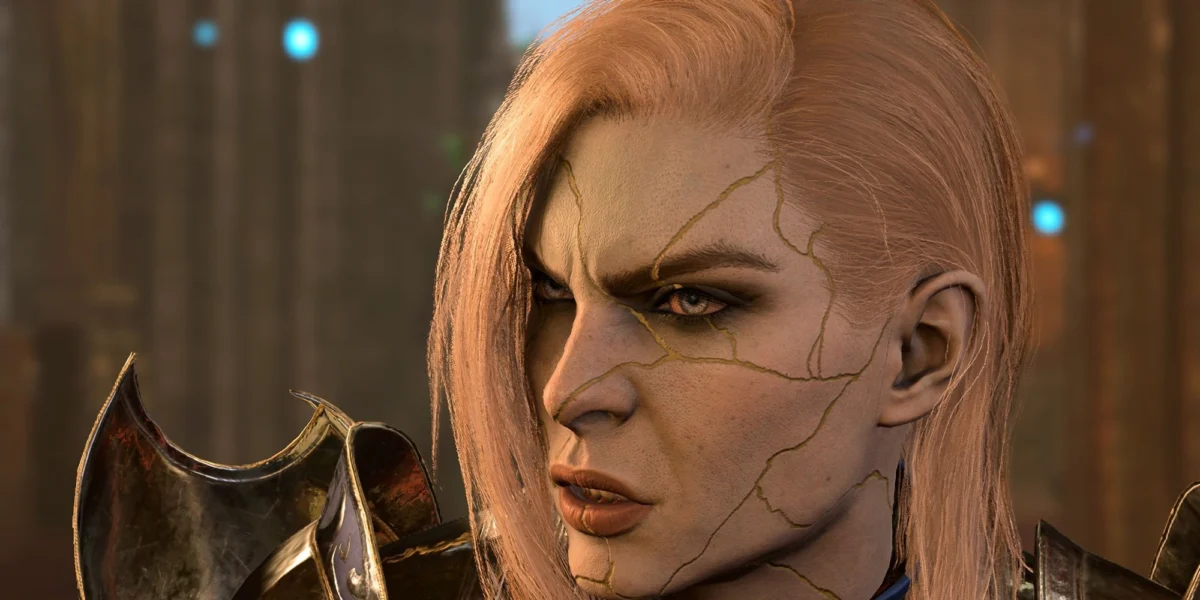
Baldur’s Gate 3 has become a cultural touchstone for modern RPGs, celebrated not only for its mechanical depth but for its intricate weaving of Dungeons & Dragons (D&D) Fifth Edition lore. However, translating the complex, decades-old mythology of the Forgotten Realms into a video game environment often requires Larian Studios to adapt or interpret established rules. Among the many mysteries that have sparked heated discourse within the community, none is as persistent as the ontological status of Dame Aylin, the fabled "Nightsong." Is she merely a standard Aasimar, or does her existence defy the common definitions of celestial lineage?
The Lore Controversy: Translating Tabletop to Digital
In the world of Dungeons & Dragons, lore is a living, breathing entity. Wizards of the Coast maintains a vast framework of sourcebooks, but the "Dungeon Master’s prerogative"—the ability to adapt, tweak, or outright ignore rules for the sake of a better story—is a core tenet of the game. Baldur’s Gate 3 is, at its heart, a high-fidelity, interactive D&D campaign.
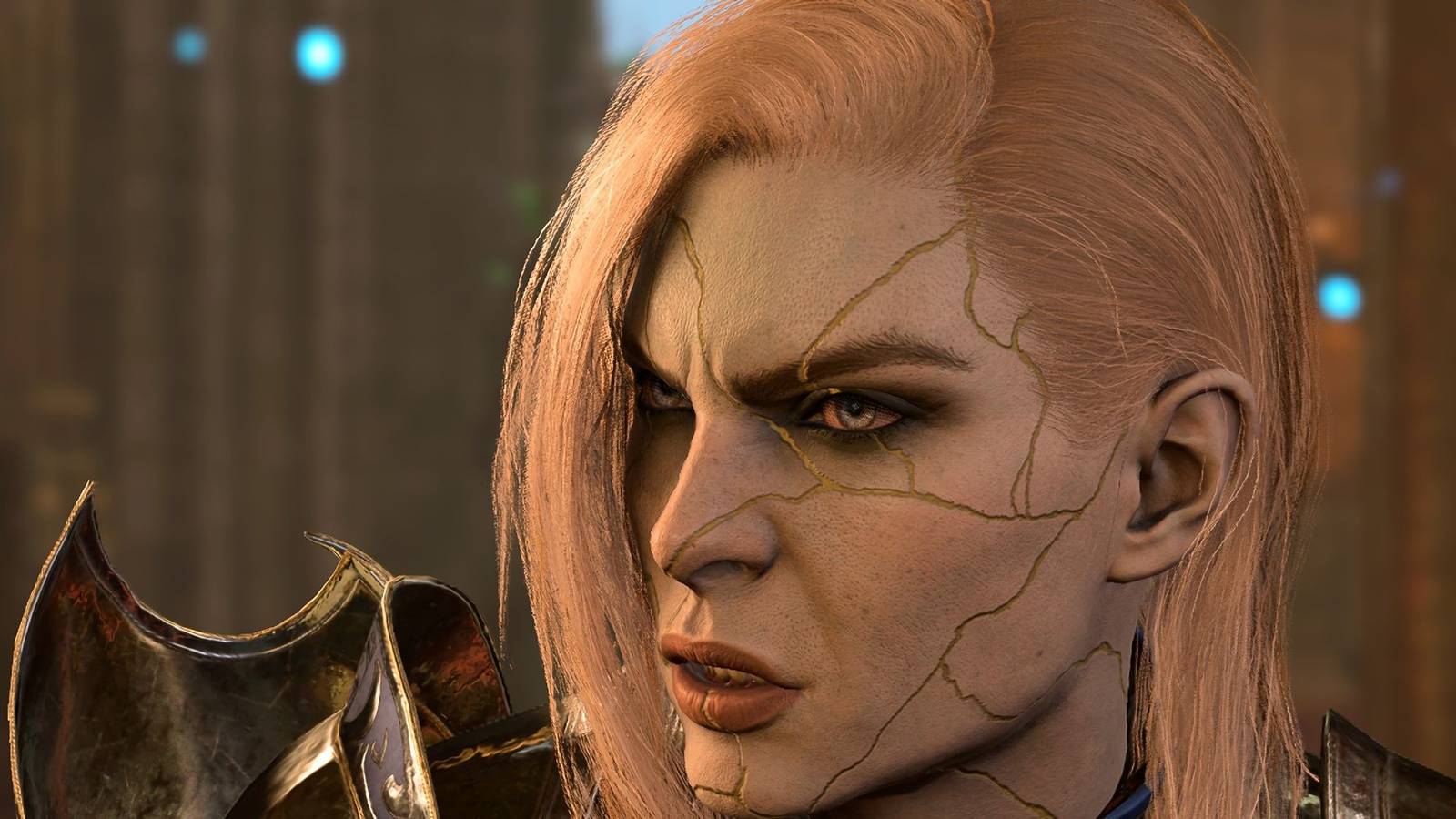
When players encounter the Nightsong in Act 2, they are met with a character who commands the power of a goddess. Her presence, her immortality, and her martial prowess raise immediate questions. While the game identifies her through a specific lens, the community has long debated whether the "Aasimar" label is a simplification, a misunderstanding of the source material, or a deliberate deviation to account for the unique nature of her divine parentage.
Defining the Aasimar: A Mortal Foundation
To understand the debate, one must first look at the official D&D definition of an Aasimar. In the Player’s Handbook and Volo’s Guide to Monsters, Aasimar are typically defined as mortals with a touch of celestial blood in their veins. They are the descendants of celestials—angels, devas, or other beings of the Upper Planes—who have intermingled with mortal races.
Crucially, the Aasimar is inherently mortal. They are born, they age, and they die. They possess an internal spark of divinity that grants them heightened senses, radiant resistance, and the ability to channel celestial energy, but they remain tethered to the Prime Material Plane.
If we apply this strict definition to Dame Aylin, we encounter a contradiction. Aylin is not merely a mortal with a "touch" of divinity; she is the direct offspring of Selûne, the Goddess of the Moon. Selûne is not a mere celestial; she is a primordial deity, one of the foundational forces of the Forgotten Realms. If an Aasimar is a mortal who possesses divine ancestry, then technically, yes, Aylin qualifies. However, this definition feels insufficient to capture the magnitude of a being who has survived for centuries and acts as a direct conduit for a deity’s will.

Chronology of a Divine Daughter
The history of Dame Aylin is shrouded in the mystery of the Second Era of the Forgotten Realms. According to the game’s internal records and the fragmented journals found within the Shadow-Cursed Lands, Aylin was created or born during a period when the gods walked the earth more frequently, often manifesting through avatars or physical vessels.
- The Divine Union: Most scholars of the game’s lore suggest that Aylin was conceived when Selûne inhabited or worked through a mortal vessel. This is a common trope in Faerûn mythology—gods rarely interact with the physical realm in their true form, as the sheer power of their essence would tear the world asunder.
- The Age of Imprisonment: Aylin’s long-standing entrapment by Ketheric Thorm and the cult of Shar marks a significant portion of her known timeline. For over a century, she was stripped of her agency and used as a battery for the Shadow-Cursed Lands. This period serves as the primary "origin" for the player’s interaction with her, cementing her image as a fallen hero.
- The Resurrection of Agency: Upon being freed by the player character, Aylin re-enters the world as an active force, seeking vengeance against those who imprisoned her and serving as a key ally in the final confrontation against the Absolute.
The Case for the "Demigod" Classification
The argument that Aylin is better classified as a demigod gains traction when one examines her power level compared to typical Aasimar NPCs found in other D&D modules.
A demigod, in D&D parlance, is a being who possesses a "divine spark" that elevates them significantly above mortals. While they are not full gods, their resilience, capacity for resurrection, and ability to manifest divine miracles suggest they occupy a different tier of existence than the standard planetouched races.
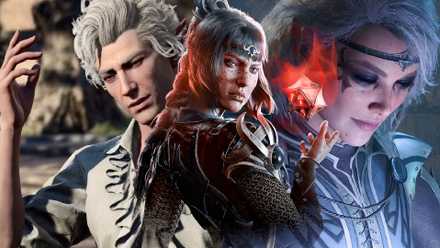
If we look at the Seven Sisters—the children of Mystra—we see a precedent for how divine offspring operate in the Forgotten Realms. Like the Seven, Aylin exhibits powers that transcend the innate abilities granted to an Aasimar. She is not merely a "human with wings"; she is an immortal agent of the Moonmaiden. The lack of aging, her supernatural connection to the moon, and her ability to regenerate from near-fatal wounds all point toward a classification that pushes beyond the "Aasimar" tag.
Official Interpretations and Lore Limitations
Larian Studios has never explicitly stated that Aylin is not an Aasimar, but the environmental storytelling within Baldur’s Gate 3 suggests they are aware of the ambiguity. In the game, characters refer to her celestial heritage as the source of her strength. However, the game also emphasizes the "God-born" nature of her birth.
The issue, according to many lore experts, is that "Aasimar" has become a catch-all term in the game’s code and dialogue for any humanoid with glowing eyes and wings. From a development standpoint, this is understandable. Creating a unique "Demigod" race in the game’s engine would have required separate character sheets, distinct stat blocks, and unique balancing considerations that would not necessarily have improved the player experience. Using the Aasimar template provided a convenient shorthand for players familiar with the D&D ruleset.
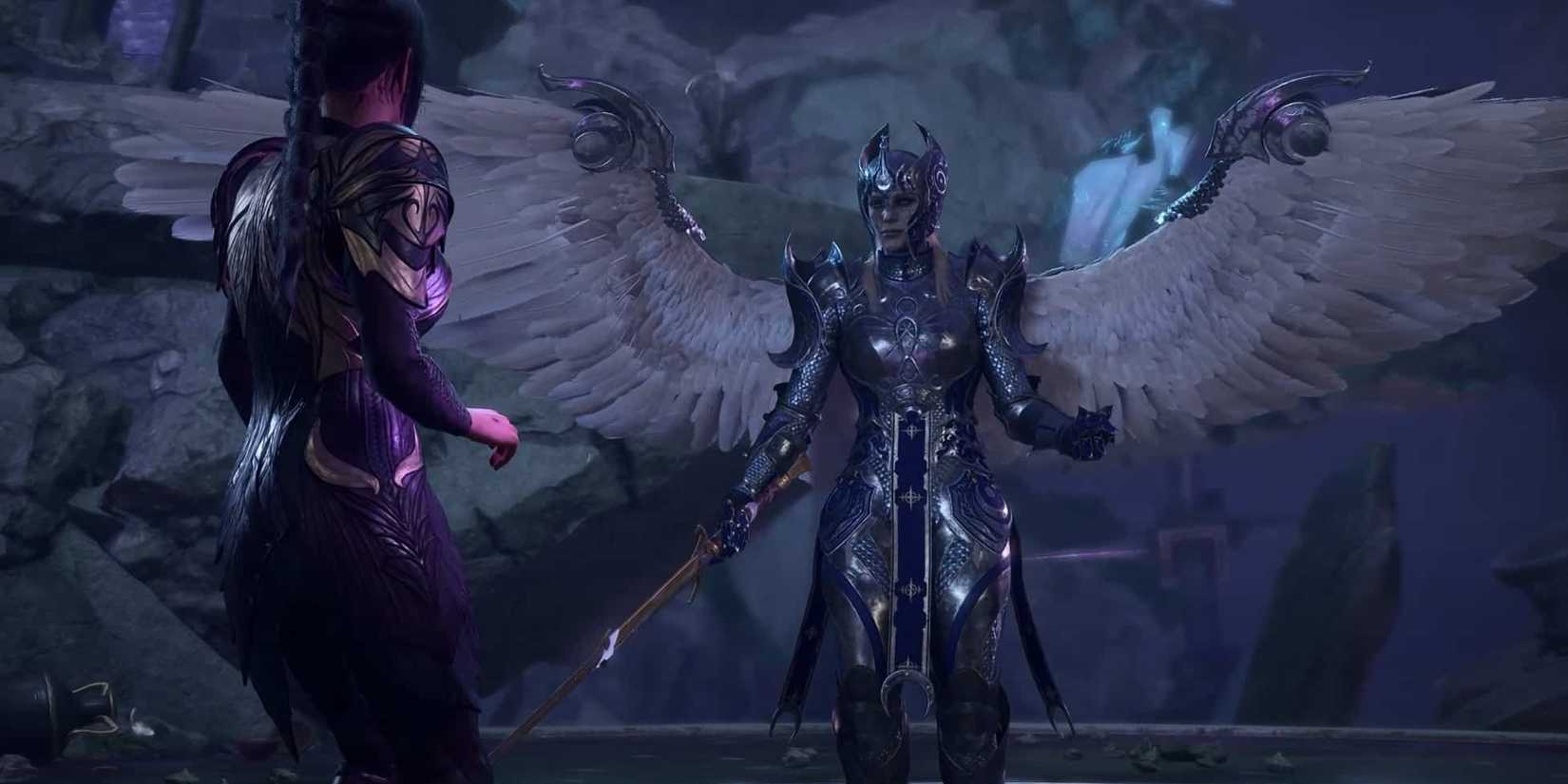
The Implications of Divine Parentage
Why does this distinction matter? For the player, it changes the weight of the story. If Aylin is just a "strong Aasimar," her struggle is one of an extraordinary individual fighting against oppression. If she is a demigod, her struggle becomes a cosmic drama—a daughter of a goddess reclaiming her birthright and fighting to maintain her identity in the face of divine politics.
The implications for the world of the Forgotten Realms are also significant. If gods can freely manifest children with such potency, the power balance of the planes remains under constant threat of destabilization. We have seen this with the Bhaalspawn saga, where the offspring of a god of murder nearly brought the world to its knees. Aylin represents the benevolent counterpart to that chaos—a beacon of light that, while divine, is subject to the same trauma and emotional turbulence as any mortal.
The Community Perspective
The debate continues across forums, with some arguing that the "Aasimar" label is a misnomer forced by game design constraints, while others contend that the term is fluid enough to encompass everything from mortals touched by angels to the literal children of deities.
Ultimately, the ambiguity surrounding the Nightsong adds to her mystique. If we had a definitive, textbook answer, the character would lose some of the ethereal quality that makes her so compelling. She is a creature of legend, and legends are rarely bound by the rigid constraints of a rulebook.
Conclusion: A Legend Beyond Labels
Dame Aylin stands as one of the most memorable characters in Baldur’s Gate 3, not because she fits neatly into a D&D category, but because she breaks them. Whether we label her an Aasimar, a demigod, or simply a daughter of the moon, her role in the story is fixed: she is the light in the darkness, a character whose existence challenges the player to consider the thin line between the mortal and the divine.
As players continue to dive into the world of Faerûn, the questions surrounding the Nightsong will likely persist. And perhaps that is for the best. In a game that encourages discovery and curiosity, the mystery of who—and what—the Nightsong truly is remains one of the most rewarding threads to pull. Whether she is the product of divine magic or a simple, tragic birth, she remains an essential figure in the tapestry of the Forgotten Realms, proving that in D&D, the most interesting stories are often the ones that defy definition.


 Asro
Asro
 Muslim