

The following article contains major spoilers for the series finale of "The Boys," titled "Blood and Bone."
After five seasons of subverting the superhero genre, Prime Video’s The Boys has officially drawn its chaotic, blood-soaked curtain. The series, which began as a cynical exploration of corporate greed and celebrity culture, concluded its run with "Blood and Bone," an episode that provided definitive closure to the long-standing vendetta between the psychopathic "hero" Homelander and his relentless nemesis, Billy Butcher. While the finale stayed true to the spirit of Garth Ennis’ original source material, it notably diverged in its final acts, opting for a path that favored character integrity over the nihilistic shock value of the comics.
The Final Confrontation: A Clash of Ideologies
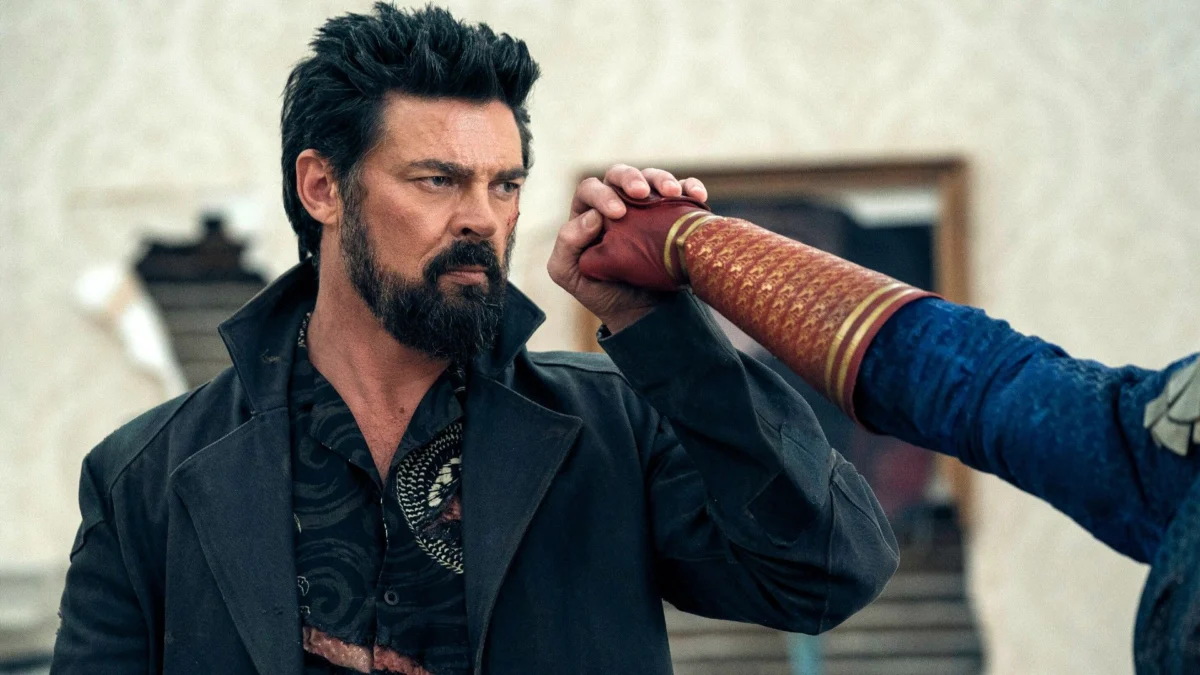
The climax of The Boys centered on the inevitable confrontation between Homelander, played with chilling precision by Antony Starr, and the titular vigilante group led by Karl Urban’s Billy Butcher. Throughout the final season, Homelander’s descent into full-blown fascist dictatorship—fueled by his possession of V1—had pushed the world to the brink of collapse.
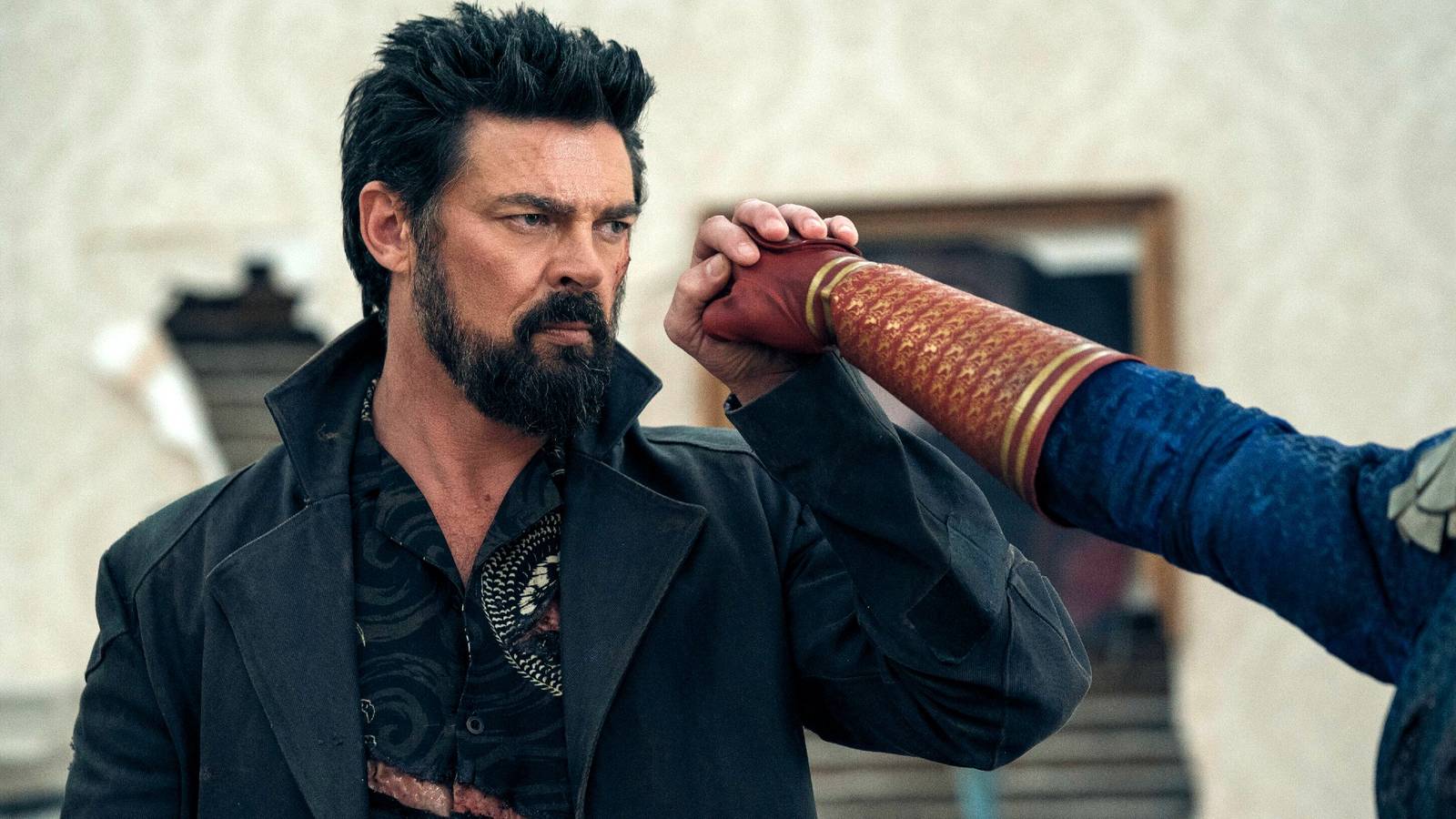
The resolution, however, was far from a simple brawl. In a pivotal sequence, Kimiko Miyashiro utilized a blast modeled after the unique abilities of Soldier Boy to effectively strip Homelander of his invulnerability. Once the "god" was rendered mortal and powerless, the show pivoted to the visceral, grounded combat that has defined the series since its inception. In a moment of poetic justice, Butcher delivered the final blow, ending Homelander’s life with a brutal strike from a crowbar—a symbolic weapon that has followed the pair throughout the series.
A Tale of Two Endings: Adapting the Source Material
The decision to have Butcher kill a powerless Homelander stands in stark contrast to the climax of the The Boys comic books. In the original graphic novels, the reveal surrounding the character of Black Noir is perhaps the most famous—and controversial—twist in the series. In the source material, Black Noir is revealed to be a Homelander clone, crafted by Vought to act as a fail-safe should the real Homelander go rogue. It is this clone who commits the series’ most heinous atrocities, leading to a massive supe rebellion. In the comics, Black Noir kills Homelander, and a grievously wounded Butcher subsequently kills the clone.
Showrunner Eric Kripke has been vocal about his decision to deviate from this path, citing a desire to honor the character arc of Antony Starr’s iteration of the villain. For Kripke, the comic’s resolution felt like a betrayal of the audience’s investment.
Chronology of the Final Conflict
The path to the finale was marked by a series of strategic eliminations that cleared the board for the final showdown:
- The Fall of Black Noir II: Following the death of the original Black Noir in the Season 3 finale, Vought introduced a replacement, "Justin," to fill the void. This replacement did not survive until the end, meeting his demise at the hands of The Deep in episode 6 of the final season, effectively removing the "clone twist" option from the table early on.
- The Neutralization of Homelander: Kimiko’s deployment of the Soldier Boy-inspired energy blast served as the turning point of the finale, shifting the dynamic from a battle between gods to a struggle between two broken men.
- The Execution: Butcher’s final act of violence with the crowbar in the Oval Office served as a direct visual nod to the comics, satisfying fans of the original work while maintaining the show’s unique narrative trajectory.
- The Survival of the Boys: Unlike the comic book, which ends with Butcher killing his own team, the series chose a path of relative mercy, allowing the core members of The Boys to survive and move toward a future outside of Vought’s shadow.
Official Responses: Eric Kripke on Creative Choices
The divergence from the source material was not an accident but a calculated creative decision. In an extensive interview with Collider, Kripke explained that the "clone twist" would have undermined the weight of the show’s five-year narrative.
"I’ve said this in interviews before, the comic ends with it turns out that Homelander isn’t the villain at all," Kripke stated. "He was tricked into being the villain. The real villain was Black Noir all along. People love it, and mileage varies, but that just was never satisfying to me to have followed Antony Starr for all these seasons, and then at the very end to find out that he actually didn’t do any of the things that he thought he did."
Kripke’s commitment to the characters extended to the fate of the titular group as well. In the comics, Butcher’s crusade against supes eventually consumes him, leading him to murder Mother’s Milk, Frenchie, and Kimiko. The television series, however, opted for a more optimistic, albeit still complex, resolution. Elaborating on this to TheWrap, Kripke noted, "We knew that we did not want to have Butcher murder all of the Boys. Hughie being the only survivor felt wrong to us. It just shows how they’re different mediums, and when you have a TV show you make a pact to the viewers with these characters that you know you’re not just going to arbitrarily murder people they love."
Implications and The Future of the Franchise
The conclusion of The Boys marks the end of a cultural phenomenon, but it is far from the end of the franchise. By keeping characters like Hughie, Annie (Starlight), Kimiko, and Mother’s Milk alive, the series leaves the door open for potential cameos or legacy storytelling in future installments of the The Boys universe.
The primary focus now shifts to the prequel series, Vought Rising. Set in the 1950s, this series aims to provide the origin story for the corporate entity that birthed the supe crisis. With Jensen Ackles set to reprise his role as Soldier Boy and Aya Cash returning as the original Stormfront (then known as Lady Liberty), Vought Rising promises to explore the early days of Vought International and the sociopolitical climate that allowed the company to manipulate the public consciousness.
Key Takeaways for the Audience
- Narrative Integrity: The show prioritized the personal arc of the antagonist over a "gotcha" twist, ensuring that Homelander’s death felt like the culmination of his specific character flaws.
- The "Pact" with Viewers: Kripke’s refusal to kill off the core team highlights a shift in how serialized television handles adaptation, moving away from the bleakness of the source material to provide a more emotional resonance for the audience.
- Franchise Continuity: With Vought Rising on the horizon for 2027, Prime Video is signaling that the world of The Boys will continue to expand, moving backward in time to explain how the world became so corrupted.
Ultimately, the finale of The Boys serves as a reflection on the nature of heroism and the toxicity of power. While Butcher’s story ended in a familiar, tragic fashion, the survival of his team offers a rare glimmer of hope in a world that has spent five seasons wallowing in the muck of human greed. As the credits rolled, the show cemented its legacy as a definitive, if polarizing, chapter in modern television history.











No comments yet. Be the first to join the conversation!