

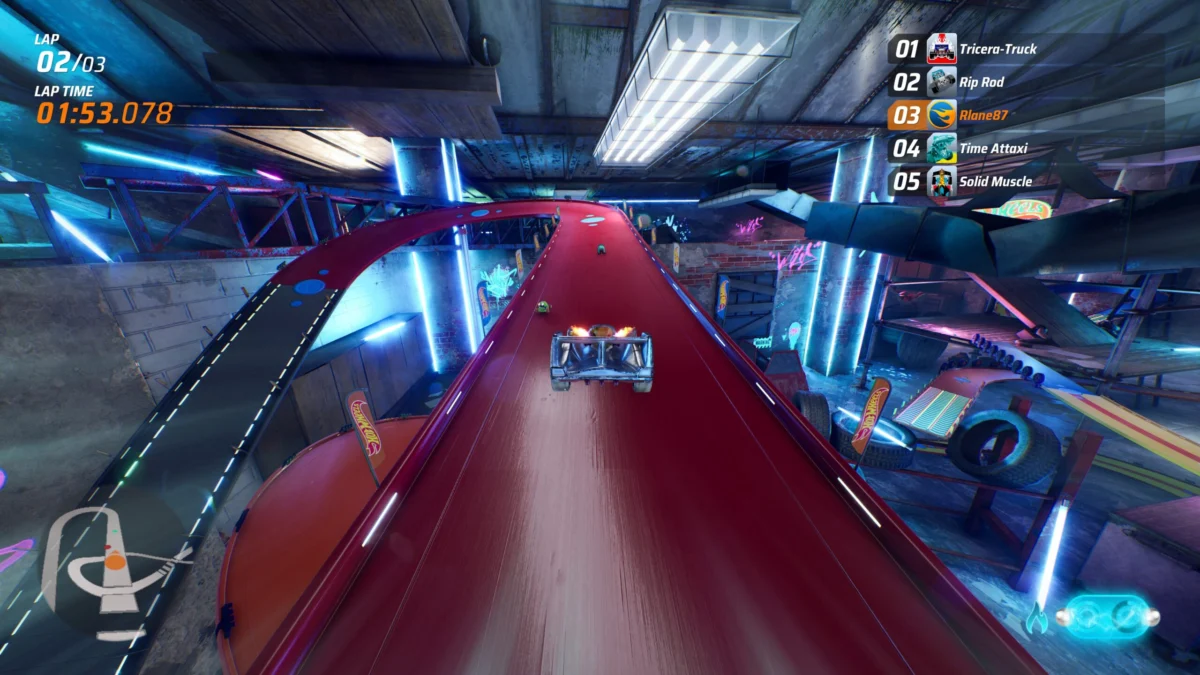
When the roar of a high-performance engine meets the tactile, plastic nostalgia of a childhood toy box, the result is Hot Wheels Unleashed. Developed and published by the racing simulation veterans at Milestone—a studio typically known for its commitment to the technical precision of MotoGP and Supercross—this latest title represents a daring pivot into the world of arcade-style mayhem. Priced at £39.99 and available across the entire modern gaming spectrum (PC, PS5, Xbox Series X/S, PS4, Xbox One, and Nintendo Switch), Hot Wheels Unleashed is a love letter to die-cast racing that manages to capture the essence of Trackmania, Burnout, and Micro Machines in one high-octane package.
Main Facts: The Anatomy of a Toy Box Racer
At its core, Hot Wheels Unleashed is a masterful exercise in perspective. By placing the player behind the wheel of iconic die-cast vehicles, Milestone has achieved a remarkable feat of scale. Races take place within domestic settings—a basement, a garage, or a skyscraper under construction—yet the environments feel monolithic. Driving under a wooden pool table or navigating the crevices of a cluttered office feels like tearing through a mountain pass.
The technical specifications are as follows:
- Developer/Publisher: Milestone
- Price: £39.99
- Platform Availability: PC, PlayStation 5, Xbox Series X/S, PlayStation 4, Xbox One, Nintendo Switch
- Core Mechanics: Drift-heavy arcade racing, boost management, and a robust track-building suite.
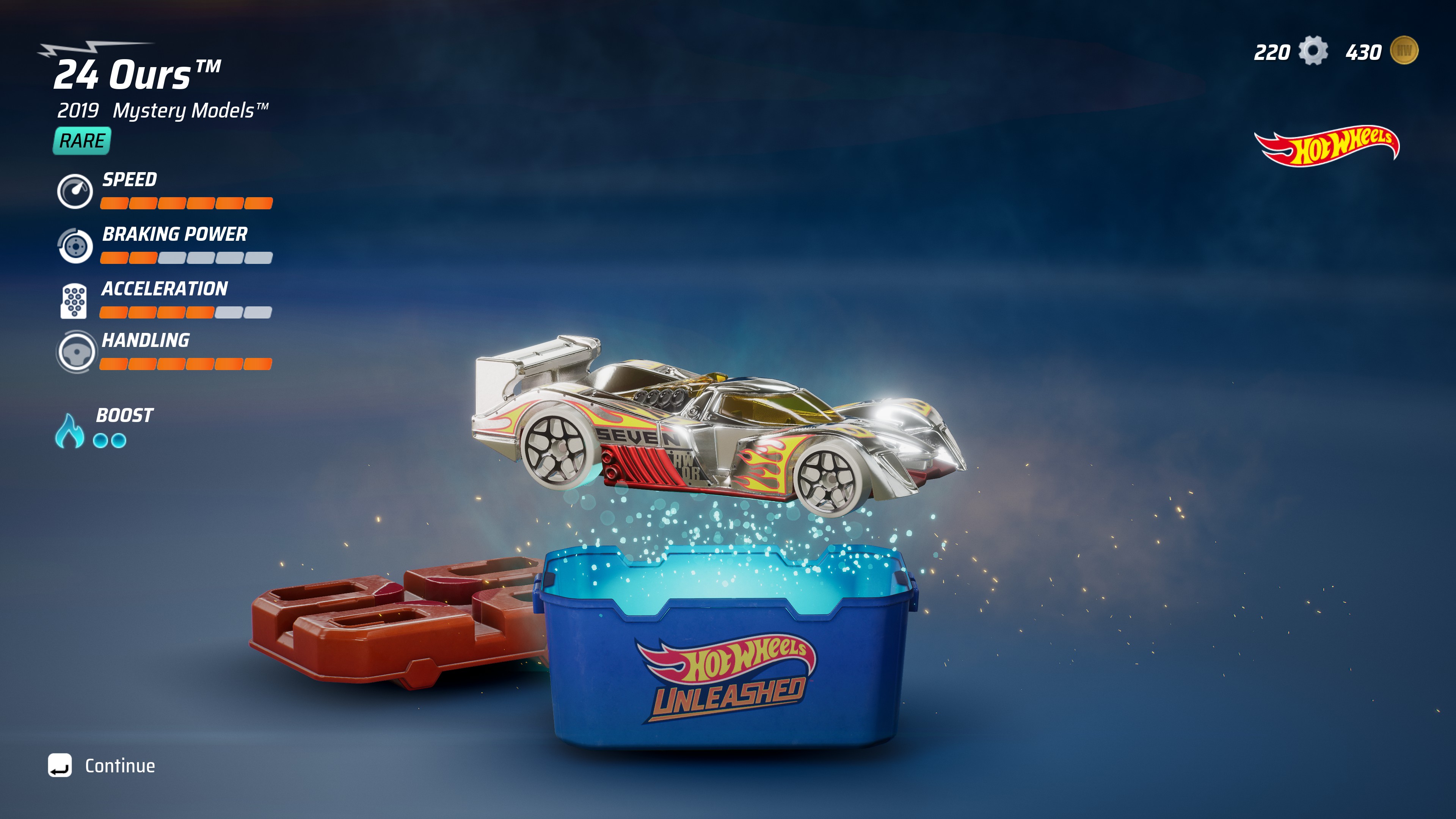
The game boasts a roster of 68 vehicles at launch, ranging from licensed real-world classics and Formula 1 racers to the wonderfully absurd, such as the Motosaurus and the Tricera-Truck. Each vehicle is textured with such meticulous care that they truly look like metallic, zinc-alloy relics plucked from a child’s bedroom floor.
Chronology: From Loot Boxes to Big City Rumble
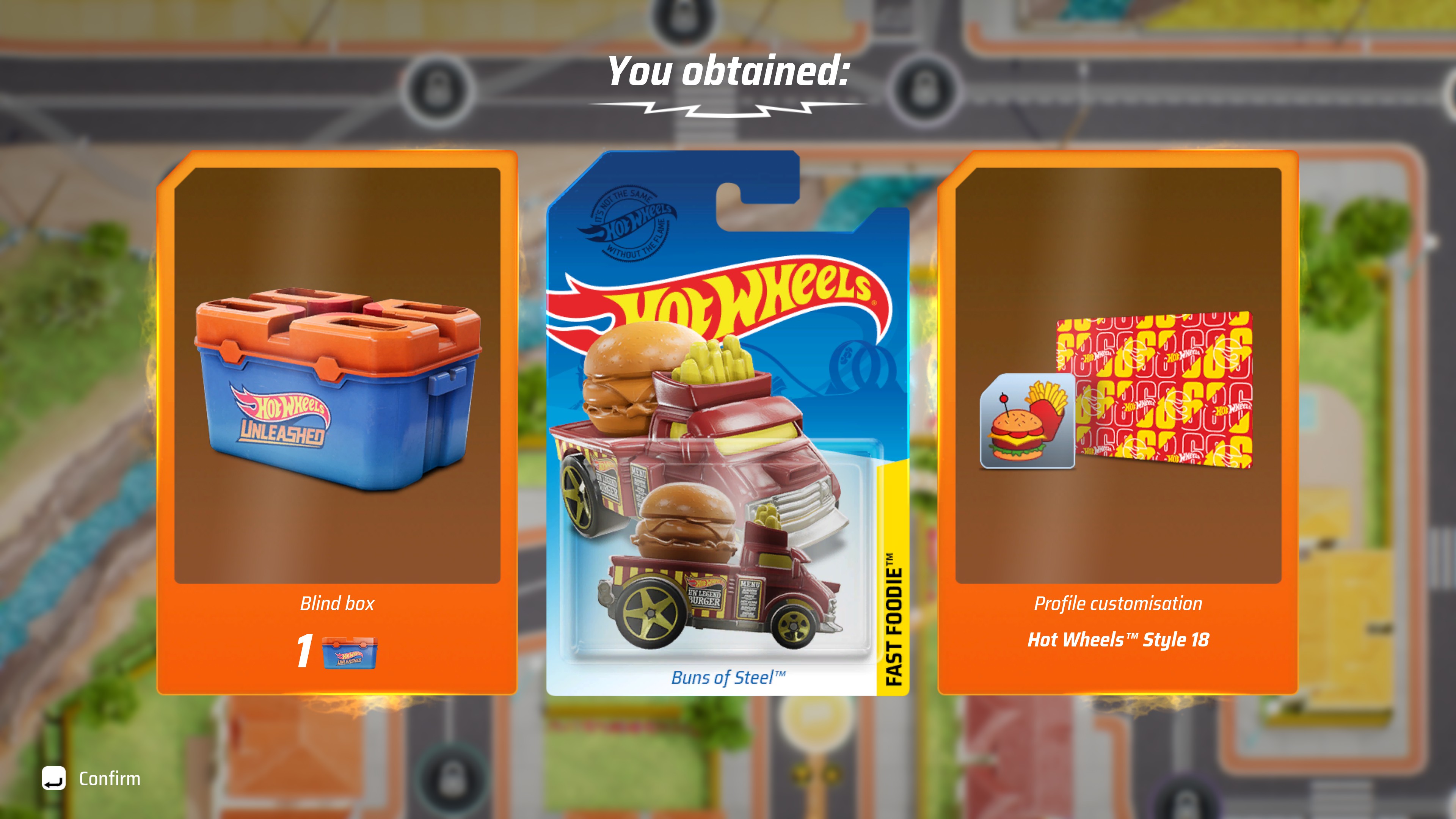
The user journey in Hot Wheels Unleashed begins with a controversial decision that threatens to sour the initial experience. Upon launching the game, players are greeted by a "Blind Box" system. These loot boxes, which reward players with random vehicles, front-load the game with an aura of cynicism that feels out of place for such a joyful title. While the developer is generous with these drops—and they are by no means the only way to acquire vehicles—the decision to highlight this monetization mechanic so prominently at the start is a rare misstep for Milestone.
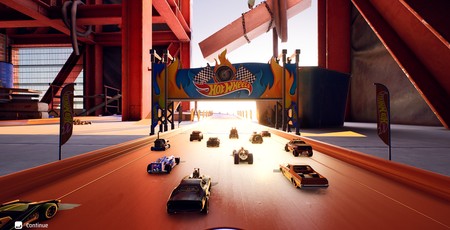
Once past this hurdle, players are thrust into a quick-fire tutorial that sets the pace. You are dropped into a 12-car race on a serpentine orange track inside a skate park. From there, the game opens into the "Big City Rumble," a single-player campaign presented as a top-down city map.
Progression is non-linear, moving between "nodes" that represent races, time-attack challenges, and hidden secrets. Completing these challenges earns the player coins for new vehicles and "gears" for performance upgrades. The campaign culminates in five high-stakes "Boss" races. These spectacles are significantly longer than standard tracks, incorporating environmental hazards—like pools of acid or shifting conveyor belts—that demand both skill and strategy.
Supporting Data: The Mechanics of the Track
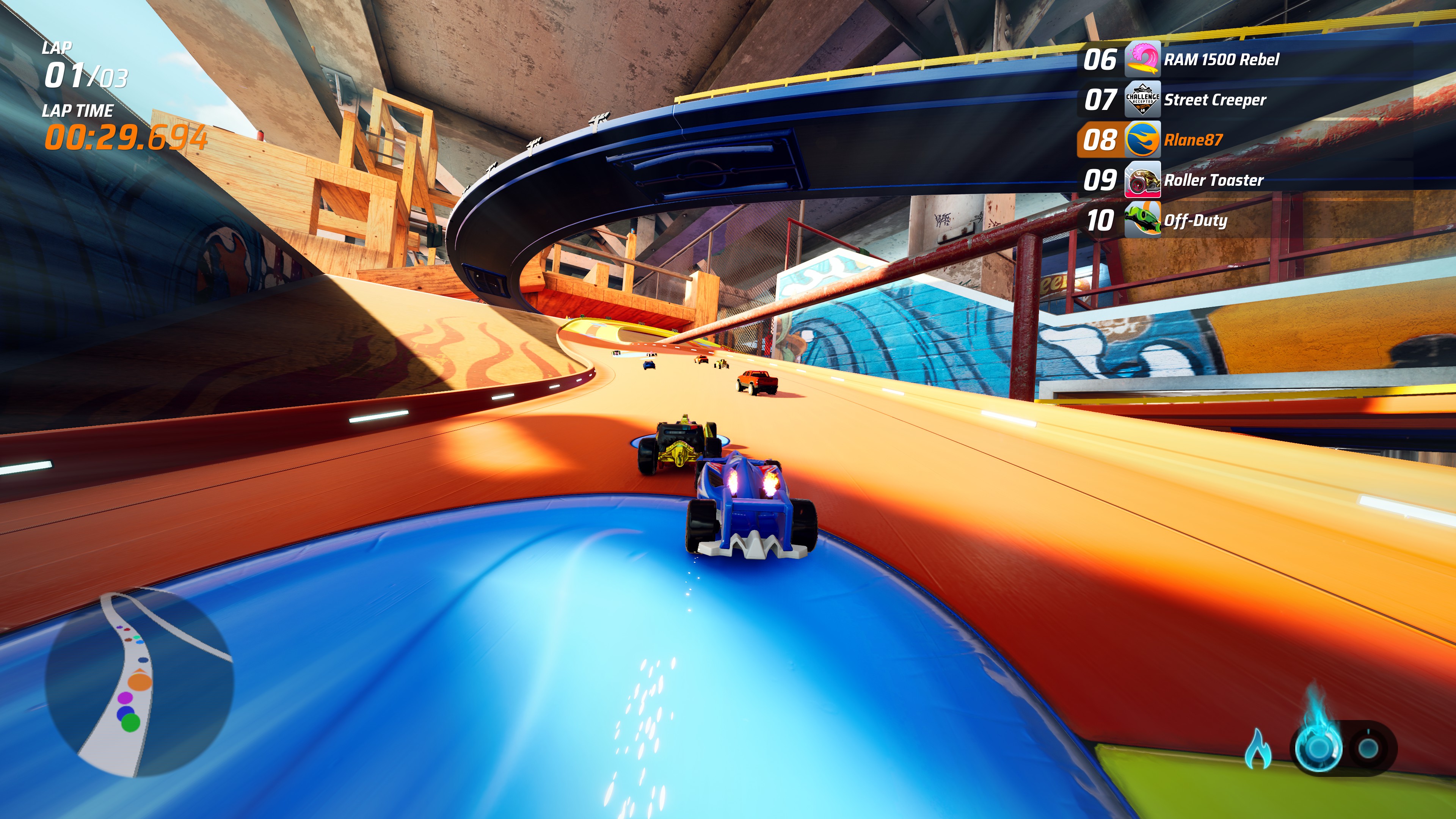
The driving model in Hot Wheels Unleashed is deceptively simple but rewards those who master the nuances of boost management. Racing is less about aerodynamic realism and more about maximizing your "Burnout-style" boost meter.
The Drift-Boost Loop
Boost is the lifeblood of your performance. It refills slowly over time, but the most efficient way to maintain momentum is through sustained, controlled drifting. The longer the drift, the larger the boost reserves, allowing players to slingshot past opponents on straightaways.
Vehicle Divergence
Milestone has successfully balanced the roster by assigning unique handling and boost profiles to each car. A light, nimble sports car may have minimal boost, requiring constant speed, whereas a heavier, less agile vehicle—like a toy garbage truck—compensates with a larger boost capacity. This allows players to choose a vehicle that matches their personal playstyle, whether they prefer precision handling or "pinballing" off the barriers.
Environmental Hazards
The tracks are alive with peril. Gravity is a constant adversary; loops require perfectly timed boost usage to avoid falling, and tracks often lack safety rails, meaning a mistimed drift can send you plummeting into the "void" of the living room floor. Hazards like web-shooting spiders add a layer of chaotic fun, forcing racers to rethink their lines mid-circuit.
Official Responses and Developer Intent
While Milestone has not issued a formal defense of the "Blind Box" system, the game’s design philosophy suggests a focus on the "thrill of the find." By keeping the acquisition of rare cars randomized, the developers aim to maintain player engagement throughout the Big City Rumble campaign.
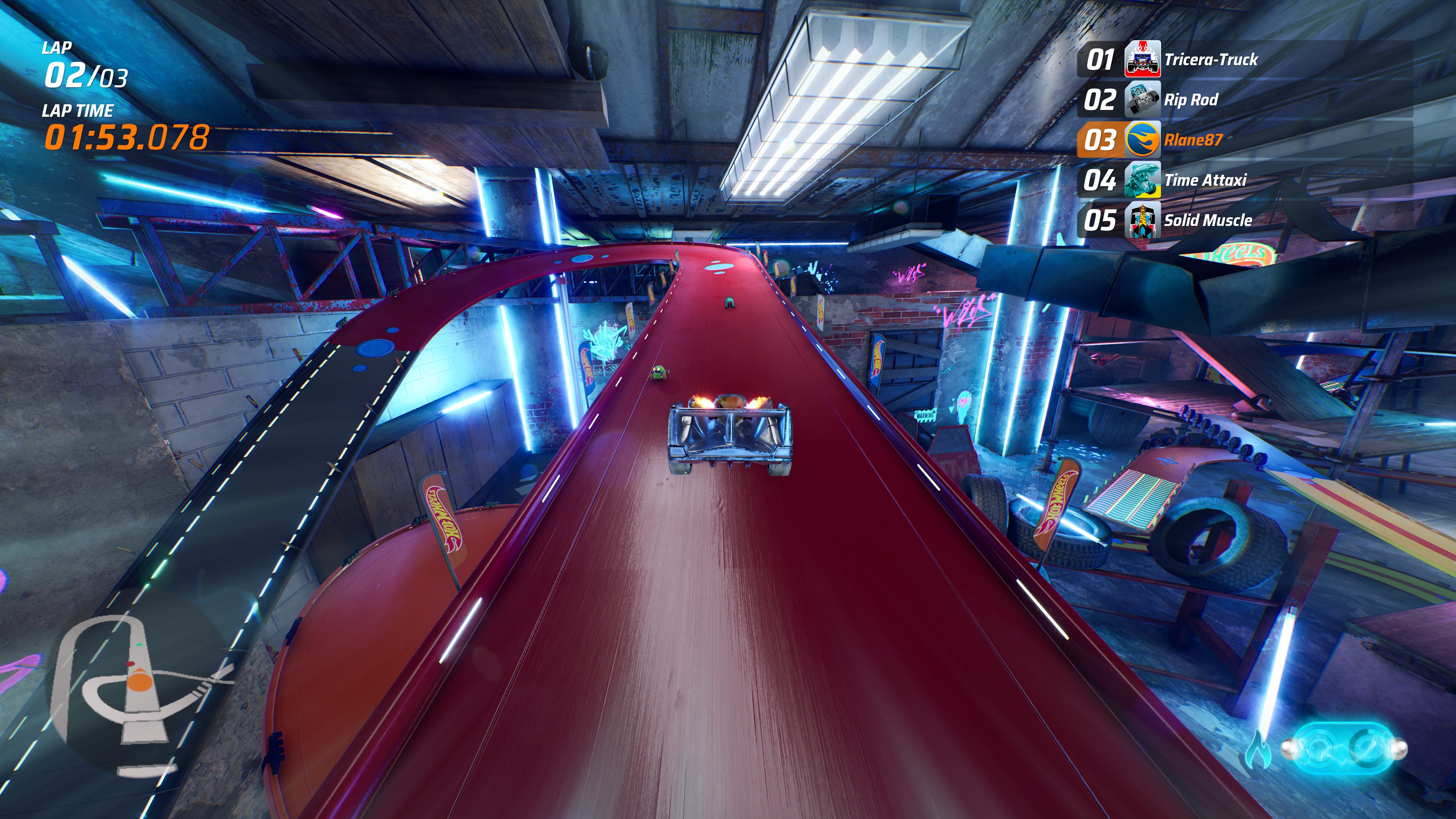
However, the lack of depth in certain areas has sparked discussion within the community. The game features a wide variety of track designs, yet they are all confined to only five distinct "arenas." This limits the visual variety of the campaign. Furthermore, the multiplayer component is notably sparse. Currently, there is an absence of AI-controlled bots in online lobbies, no public server browser, and limited matchmaking filters. These are standard features in modern racing titles, and their omission puts the longevity of the game’s competitive scene at risk.
Implications: A Bright Future or a Missed Opportunity?
Hot Wheels Unleashed sits in a fascinating middle ground. It is undoubtedly the most exciting arcade racer since Forza Horizon 4, yet it lacks the scope and polish of a true "masterpiece."
The Creative Engine: The Track Editor
The true longevity of the game likely rests on its track editor. The tool is surprisingly deep, allowing users to build complex circuits and import creations from the community. If the community embraces this, the limited number of "official" environments may become a secondary concern. The potential for creative, gravity-defying, and hazard-filled tracks is virtually limitless.
The Verdict
For fans of the brand, Hot Wheels Unleashed is a triumph. It successfully translates the physical act of playing with toy cars into a digital space that feels tactile, weighty, and genuinely fun. It is a game that knows exactly what it wants to be: a celebration of plastic, speed, and imagination.
However, the "loose nuts" in the design—the repetitive environments, the lack of robust multiplayer infrastructure, and the questionable emphasis on loot boxes—keep it from reaching the pinnacle of the genre. Milestone has built a fantastic foundation, but the experience feels like a "Part One." Whether this title becomes a long-term staple of the arcade racing genre will depend on whether the developers continue to iterate on the track variety and multiplayer features in the coming months.
Ultimately, Hot Wheels Unleashed is a reminder that racing games don’t always need to be hyper-realistic simulations to be successful. Sometimes, all they need is a bright orange track, a loop-de-loop, and the simple, unadulterated joy of sending a tiny plastic car hurtling through the air. Despite its minor flaws, it is a big plastic tub of die-cast joy that deserves a place on the shelf of any racing enthusiast.










No comments yet. Be the first to join the conversation!