

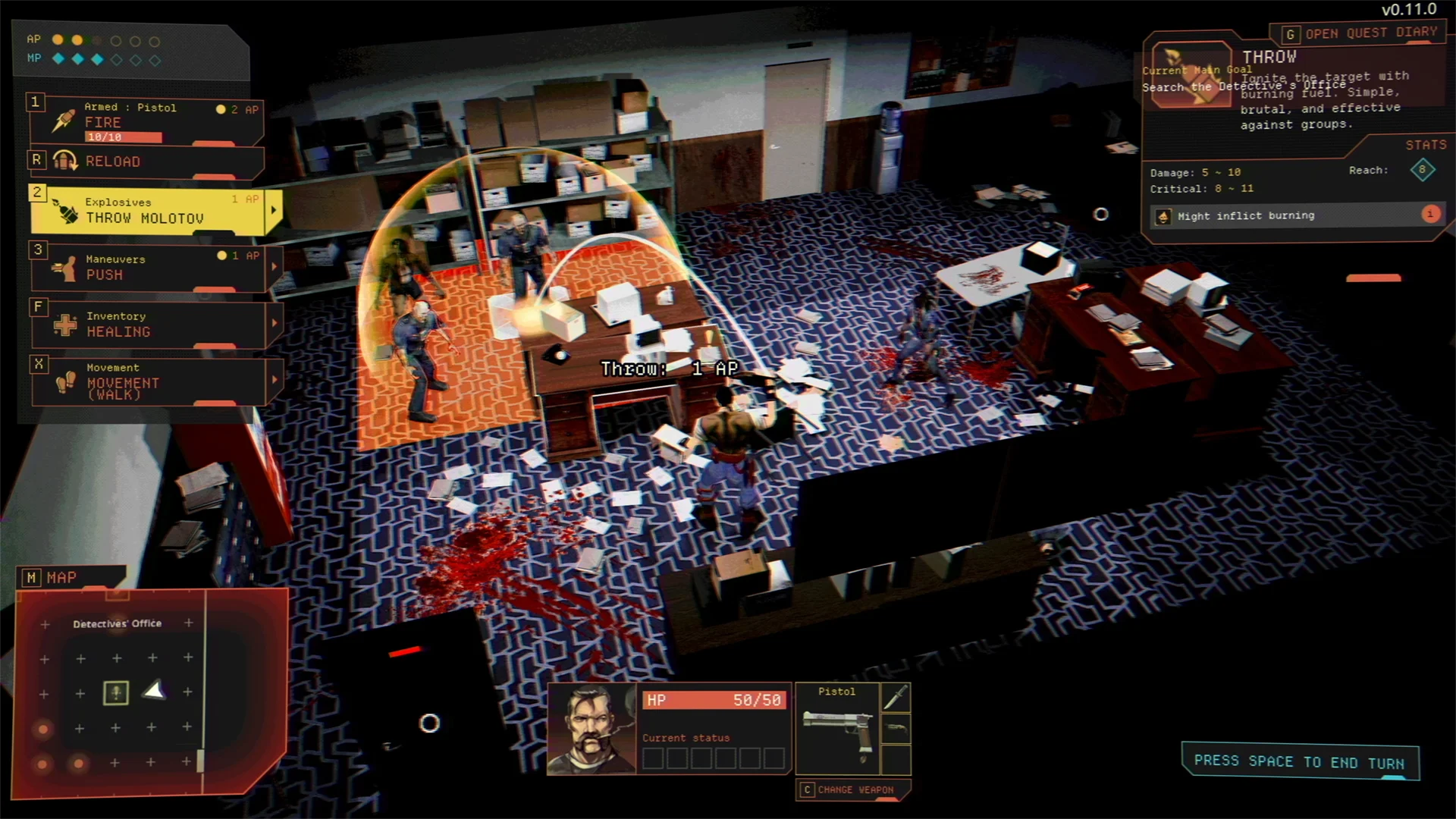
Tension is the lifeblood of survival horror. It is the cold sweat induced by a locked door, the frantic calculation of remaining ammunition, and the creeping dread of the unknown lurking just beyond the edge of a flashlight’s beam. While these sensations are traditionally associated with the real-time, claustrophobic corridors of Resident Evil or Silent Hill, they translate surprisingly well to the methodical, high-stakes environment of turn-based strategy.
Team Vultures’ debut title, Vultures: Scavengers of Death, attempts to bridge this gap, creating a hybrid experience that honors the experimental spirit of 1990s classics like Parasite Eve and Koudelka. While the title successfully marries the atmospheric dread of survival horror with the deliberate, tactical depth of turn-based combat, its potential is significantly hampered by a suite of technical failures that threaten to undermine the very tension it works so hard to build.
The Core Concept: Tactical Survivalism
At its heart, Vultures is a game about resource scarcity and environmental awareness. Players control a special forces extraction team—the titular VULTURE—tasked with investigating a viral outbreak in the Salento Valley, orchestrated by the nefarious Eugenesys Corporation. The premise is a love letter to the B-movie sensibilities of the 90s survival horror golden age, complete with a cold, corporate conspiracy and a duo of protagonists who clearly mirror the archetypes established by Chris Redfield and Jill Valentine.
The gameplay loop is a clever subversion of the genre. Rather than navigating a single, sprawling interconnected map, Vultures utilizes a mission-based structure. Each mission serves as a "pocket" survival horror experience, where players navigate room-by-room, managing limited inventory, solving environmental puzzles, and engaging in tactical combat. The decision to limit the player to a single character per mission is a masterstroke of design, stripping away the comfort of a squad and forcing the player to confront the isolation essential to horror.
Character Dynamics and Mission Architecture
The game splits its roster between two primary operatives: Leopoldo and Amber. Their gameplay roles are strictly defined, forcing players to adapt their tactics based on the mission requirements:
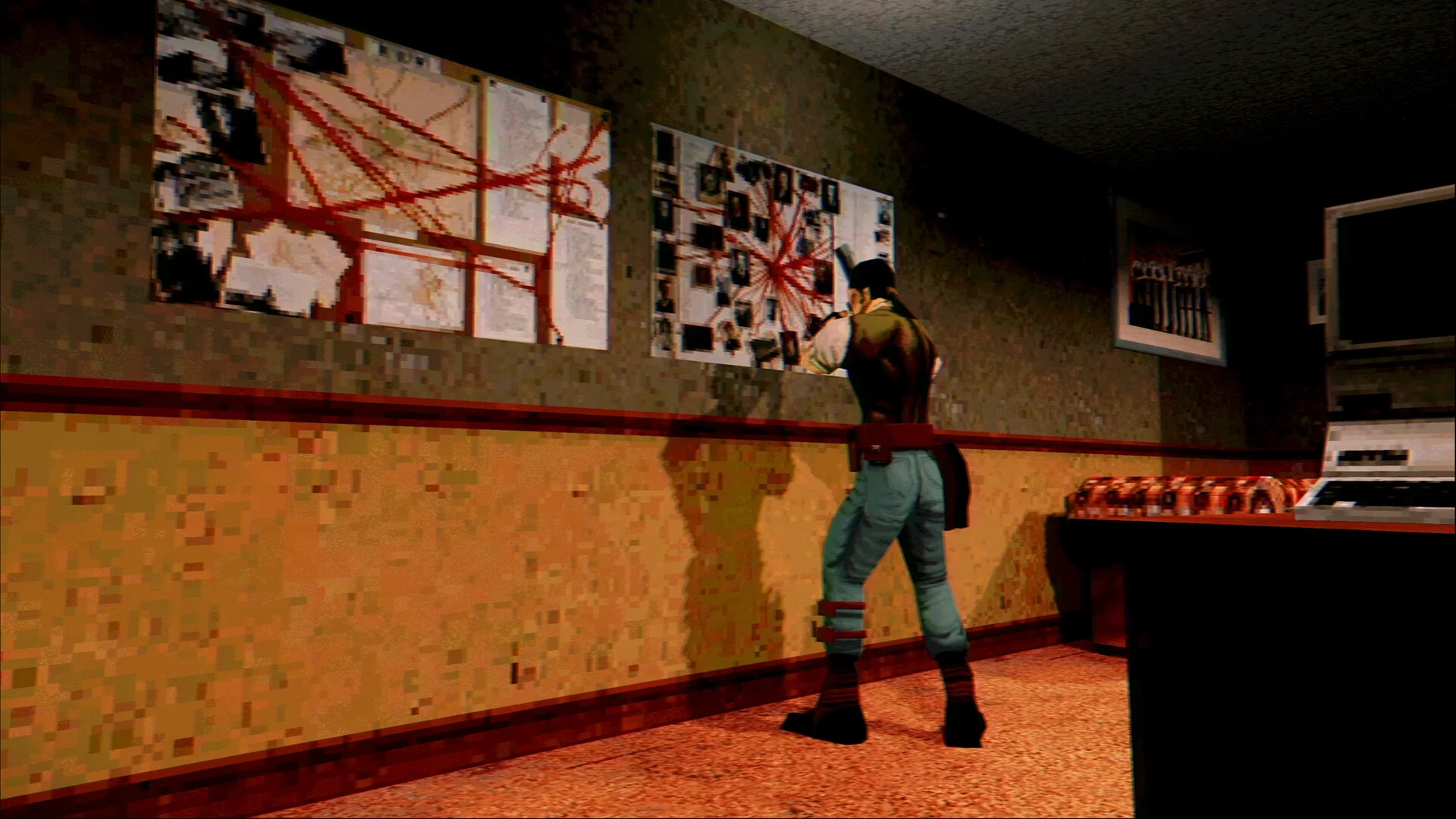
- Leopoldo (The Bruiser): Built for physical dominance, Leopoldo excels in environmental manipulation. He can reposition heavy objects to create cover or block enemy paths and utilize brute force to push back aggressive foes.
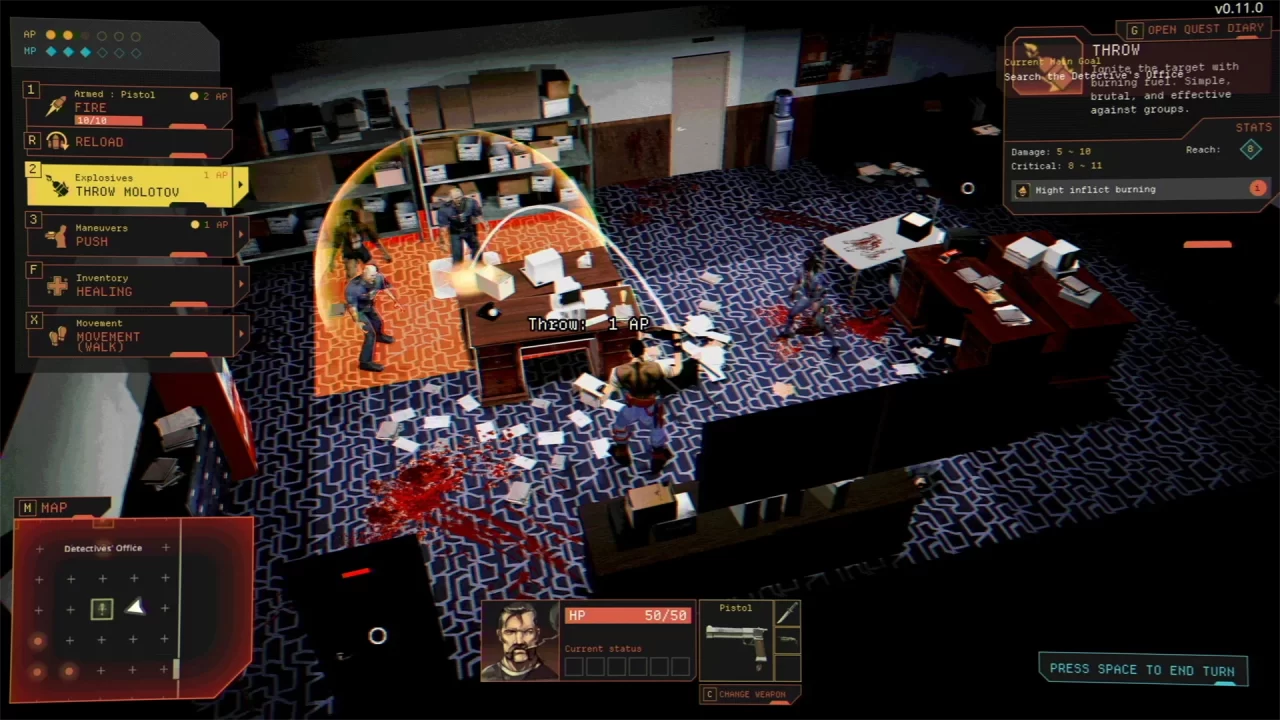
- Amber (The Infiltrator): Favoring mobility and stealth, Amber possesses a grappling hook that allows for rapid traversal of the map, bypassing chokepoints and enabling quick strikes from the shadows.
Missions are specifically tailored to these unique skill sets. The game’s structure forces players to rotate between these characters, creating a sense of progression as the player learns to master the specific toolkits provided. The story, however, remains secondary. Told through brief mission briefings with the handler Satsuki and client Alexei, the narrative is largely perfunctory. While this keeps the focus on the mechanics, it leaves the protagonists feeling somewhat hollow—a missed opportunity for character-driven horror.
Mechanics: The Dance of Action Points
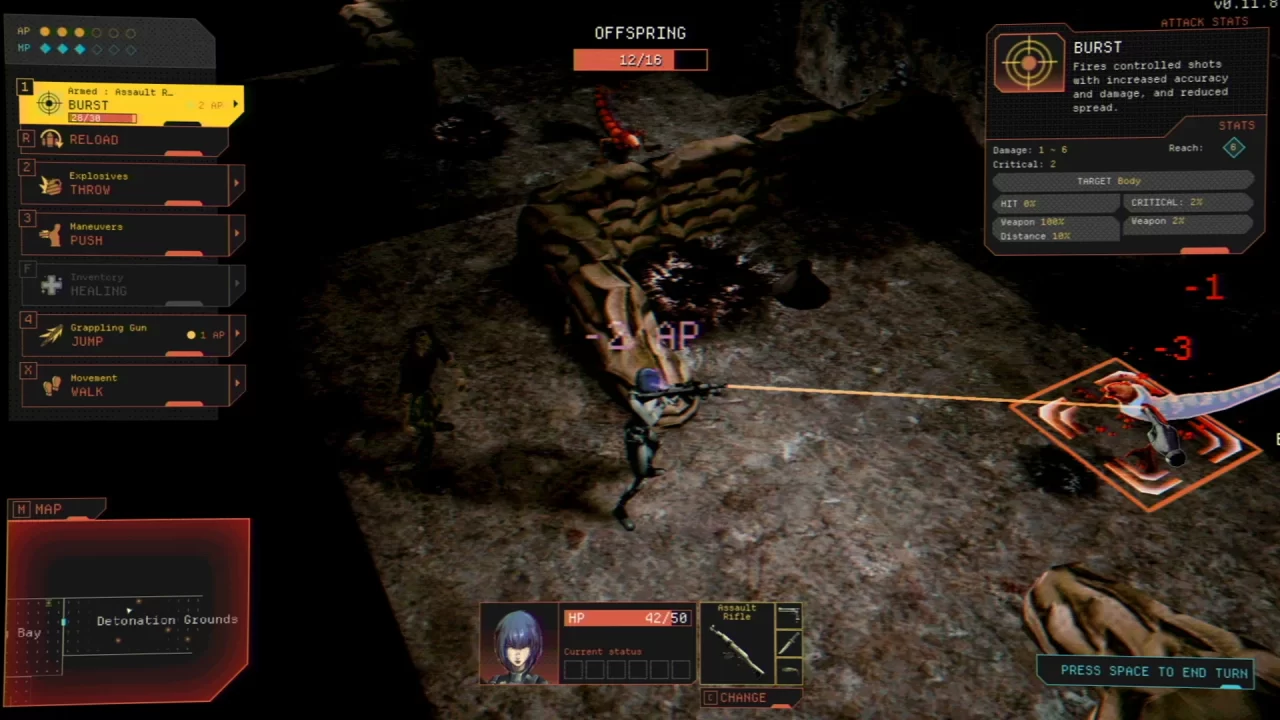
Combat in Vultures is where the strategy genre takes the lead. The game utilizes a robust Action Point (AP) and Movement Point (MP) system, typically granting the player three of each per turn. This economy is the primary source of the game’s tension. Because enemies possess similar capabilities, every move must be calculated. Moving too close invites a devastating counter-attack, while poor AP management can leave the player exposed and helpless.
The stealth system—reminiscent of XCOM 2 or Mutant Year Zero: Road to Eden—adds a layer of tension to exploration. Players must use the fog-of-war and line-of-sight mechanics to navigate rooms, choosing whether to engage or sneak past potential threats. This deliberate pacing replaces the "tank controls" of old-school horror with modern tactical positioning, successfully replicating the feeling of being hunted.
Chronology of Development and Release
The development cycle for Vultures was marked by ambition, but also by the constraints inherent to a two-person development team. Initially slated for an April release, the game was delayed until mid-May, presumably to address the technical stability of the title.
However, as players have discovered since launch, the additional month of development time was insufficient to curb the game’s pervasive technical flaws. While the game’s core loop is highly addictive, the journey through the Salento Valley is frequently interrupted by a "cornucopia of bugs" that escalate in frequency as the campaign nears its conclusion.
Supporting Data: The Technical Breakdown
The technical state of Vultures can be categorized into three levels of severity:
- Minor Environmental Glitches: Early hours are plagued by interactive objects failing to trigger and camera clipping issues during cutscenes. While annoying, these do not halt progression.
- UI and Inventory Issues: In the "Nest" (the game’s hub), players report UI elements overlapping, which frequently results in the inability to transfer items from personal inventories to the main storage. Even worse, instances of "missing ammo"—where resources simply vanish from the inventory—have been documented.
- Game-Breaking Progression Bugs: The most damning issues occur in the final acts. There are confirmed reports of essential key items disappearing from the inventory, rendering missions impossible to complete. Furthermore, some objectives fail to trigger as "complete" even after all requirements have been met.
In many cases, these bugs force a "mission abort," effectively deleting over an hour of progress. This cycle of progress and loss mirrors the experience of Baldur’s Gate III at its launch, where the final act proved to be a significantly less polished experience than the introductory chapters.
Official Responses and Developer Context
Team Vultures has acknowledged the small size of their team, which inherently limits their capacity to perform the extensive quality assurance testing required for a project of this scope. No formal patch notes addressing the game-breaking bugs have been released at the time of writing, though the developer has indicated they are monitoring community feedback.
For the average player, this lack of immediate stability is the primary barrier to entry. While the game provides a satisfying, high-tension experience for the first few hours, the lack of reliability in the endgame makes it difficult to recommend as a finished product.
Implications for the Genre
Despite its technical failings, Vultures: Scavengers of Death provides a vital proof-of-concept for the future of horror-strategy hybrids. It successfully demonstrates that:
- Fog of War is a Horror Tool: By obscuring the map, the developer creates a sense of vulnerability that traditional, open-map strategy games lack.
- Inventory as Gameplay: The focus on resource management, particularly the inverted difficulty curve—where resources become scarcer as the game progresses—effectively maintains the survival horror atmosphere.
- Hybridization is Viable: The marriage of turn-based mechanics and atmospheric dread is a fertile ground for future development.
However, the implications for the indie sector are also clear: complexity in mechanics must be matched by robustness in code. The ambition of a two-person team cannot fully excuse a game that punishes the player for the developer’s lack of testing.
Final Assessment: A Diamond in the Rough
Vultures: Scavengers of Death is a compelling experiment that is currently buried under a mountain of technical debt. It manages to capture the essence of what made the 90s survival horror era so iconic, using modern turn-based tactical systems to heighten the fear rather than diminish it.
The low-poly aesthetic, the ominous ambient sound design, and the clever, room-by-room exploration make for an engaging experience—when the game works. Yet, the current state of the game, particularly the late-game progression bugs, makes it impossible to provide a wholehearted endorsement.
For those who enjoy a challenge and have the patience to navigate potential restarts, Vultures offers a unique, chilling experience. However, for the majority of players, the most sound advice is to wait. Let the developers address the bugs, stabilize the code, and ensure that the only thing killing the player is the threat of the viral contagion—not the threat of a game crash. There is a diamond here, but it is currently too encrusted with the blood and grime of technical instability to shine.











No comments yet. Be the first to join the conversation!