

In the early days of digital marketing, social media was treated primarily as a digital megaphone—a space for brands to broadcast announcements and push advertisements. Today, that paradigm has shifted entirely. Social media has evolved into a high-fidelity portal for direct customer connection and, more importantly, a sophisticated laboratory for real-time market intelligence.
For the modern enterprise, social media is no longer just a marketing channel; it is a mission-critical infrastructure. According to The 2026 Social Intelligence Report, a staggering 80% of marketers now categorize social intelligence—the application of social insights to broader business strategy—as vital to their company’s growth. As the digital landscape becomes increasingly fragmented, the ability to synthesize the "why" and "how" behind consumer behavior is separating industry leaders from the laggards.

The Evolution of Social Intelligence: A Chronology of Impact
The integration of social data into the C-suite’s decision-making process has followed a clear, accelerating trajectory over the last decade.
- The Broadcast Era (2010–2015): Businesses used social media primarily for reach and brand awareness, measuring success in vanity metrics like follower counts and "likes."
- The Engagement Era (2016–2020): Brands began focusing on two-way communication, prioritizing community management and social customer service as secondary support channels.
- The Intelligence Era (2021–Present): We are now in the age of "Social-First Strategy." Data from social platforms is being synthesized with CRM and business intelligence (BI) tools. Organizations are now using AI-powered listening to inform product development, crisis management, and even high-level R&D, effectively closing the gap between external market sentiment and internal operations.
Supporting Data: The Case for Social-Driven ROI
The shift toward social intelligence is not merely a trend—it is a data-backed imperative. The 2026 Social Intelligence Report highlights that 71% of marketing directors anticipate that social intelligence will soon eclipse traditional market research in shaping long-term business strategy.
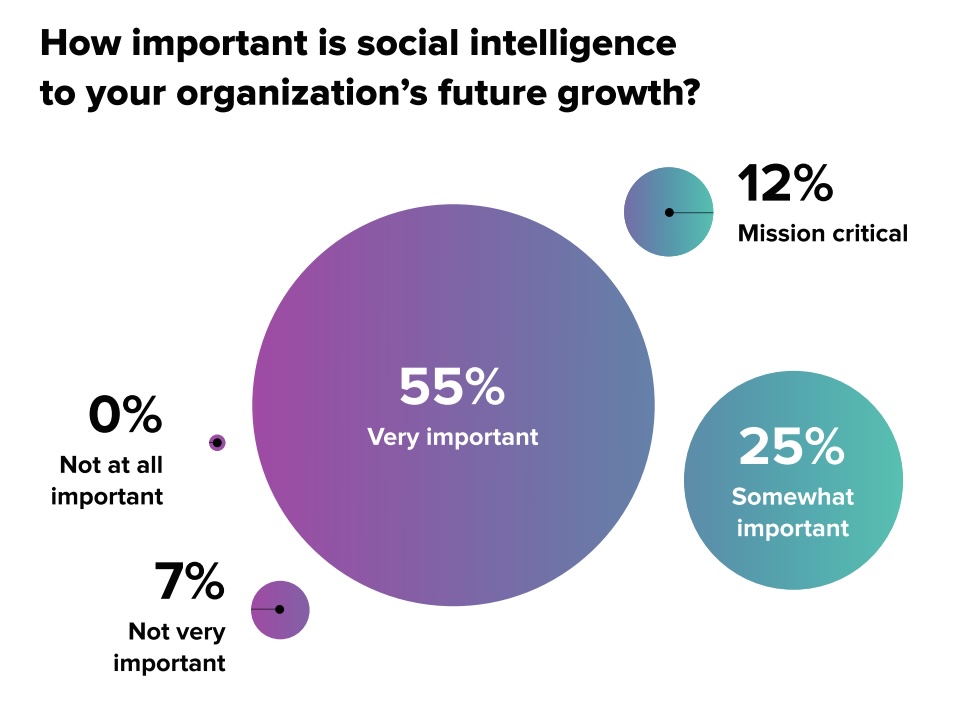
The impact is measurable across the organization:
- Customer Retention: 40% of marketers report using social intelligence to actively reduce churn and identify emerging market segments.
- Revenue Attribution: Through advanced UTM tracking and CRM integrations (such as Salesforce), organizations are seeing massive gains in pipeline impact. For example, internal studies at Sprout Social revealed a 5,800% increase in pipeline attribution by accurately mapping social touchpoints to the customer journey.
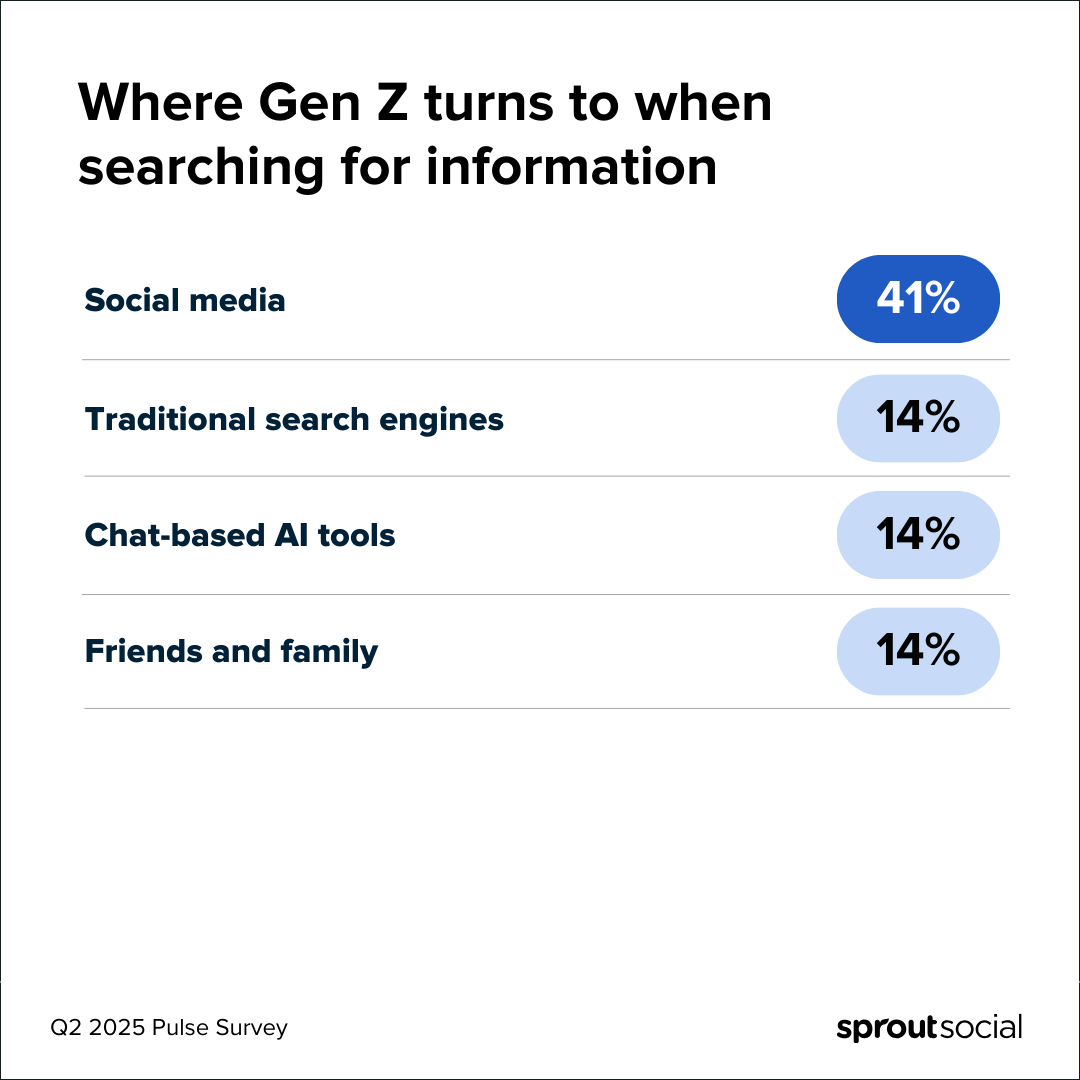
- Consumer Behavior: Gen Z, now a dominant purchasing demographic, has fundamentally altered the discovery funnel. The Q2 2025 Sprout Pulse Survey indicates that social media has become the primary search engine for this cohort, surpassing traditional search engines like Google.
11 Strategic Pillars of Social Media Impact
To understand how social media permeates every facet of a business, we must look at the 11 key functions it now serves.

1. The New Standard for Customer Care
Customer service is now omnichannel by default. With 75% of consumers expecting a response on social media within 24 hours, the speed of your support strategy directly correlates to customer lifetime value. AI-powered solutions, such as Social Customer Care by Sprout, allow teams to prioritize critical inquiries, ensuring that no customer feels ignored.
2. Brand Amplification and Influencer Synergy
Organic reach is often bolstered by influencer partnerships. Data shows that 92% of marketers find sponsored influencer content outperforms organic brand content. By using AI to match brands with creators whose values align with their own, companies can achieve deeper audience trust and higher engagement.

3. Maintaining Cultural Relevance
The speed of the modern trend cycle is unforgiving. Brands that remain silent on social media risk fading into obscurity. Social listening tools, combined with predictive analytics like NewsWhip, allow companies to identify rising trends before they peak, enabling them to participate in cultural conversations authentically rather than reactively.
4. Search and Discoverability
Social media is the new "front door" for brands. Because algorithms now prioritize user interests over static demographics, optimizing content for social search—rather than just SEO—is essential for reaching new audiences who are looking for product reviews, tutorials, and authentic demonstrations.

5. Driving Tangible Revenue
Social media is no longer a "top-of-funnel" expense. It is a revenue driver. By integrating social intelligence into existing BI ecosystems, companies can see how specific engagements correlate with closed deals, proving ROI to stakeholders who previously viewed social as an auxiliary cost center.
6. Cultivating Thriving Communities
A brand community is an emotional asset. When customers connect with each other around your brand, they become advocates. Active management of these communities allows for rapid feedback loops, where superfans provide user-generated content and honest product critiques.
7. Crisis Management and Mitigation
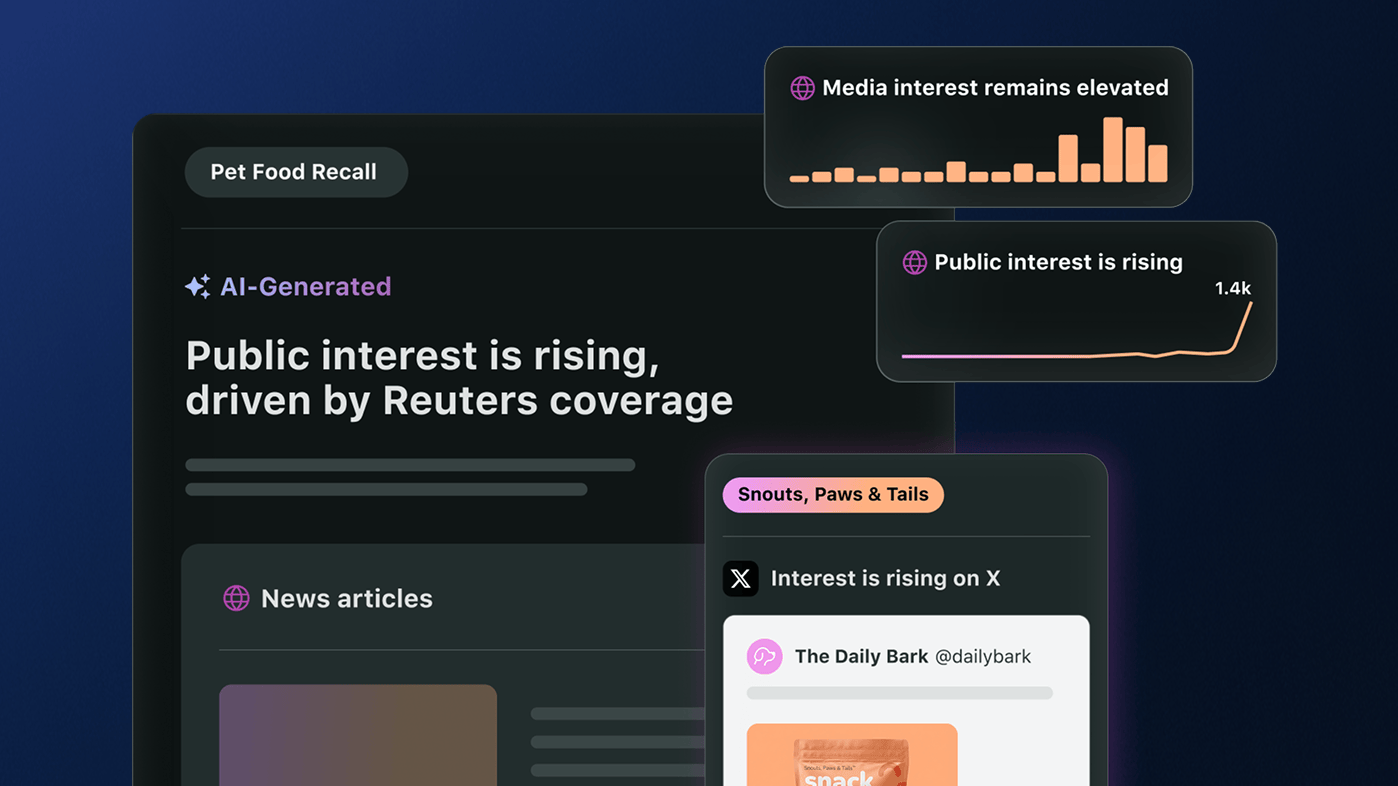
A brand crisis can go viral in minutes. Using predictive alerts to monitor shifts in conversation volume and sentiment, companies can address potential issues before they become PR nightmares. The key is transparency and a "social-first" tone, as seen in recent successful campaigns where brands used humor and agility to defuse negative sentiment.
8. Employee Advocacy
Your employees are your most underutilized marketing asset. Data suggests that 72% of engaged social media users would happily share company content if it were provided for them. Platforms that streamline the sharing of brand stories empower employees to become brand ambassadors, significantly expanding reach without increasing ad spend.

9. Maximizing Recruitment
In the current talent war, employer branding is everything. Candidates research companies on social media long before applying. By humanizing the brand through "day-in-the-life" content and team spotlights, companies can attract better-aligned talent and improve employee retention.
10. Deepening Market and Competitive Research
Most companies operate on incomplete data—surveys and focus groups. Social media provides an unfiltered, real-time dataset of what customers actually think. By feeding this into R&D and product teams, companies can innovate based on actual user pain points rather than assumptions.
11. Refining Product Development
Product development is most successful when it is collaborative. When brands actively listen to "wishlist" features shared on social media and then publicly acknowledge those updates, they close the loop with their customers, fostering lifelong loyalty.
Industry Implications: A Tailored Approach
The application of social intelligence varies by business model:
- SMBs: Use social as a low-cost, high-impact growth lever to level the playing field with larger competitors.
- Enterprises: Utilize social intelligence to manage global sentiment and drive scalable, multi-touch attribution.
- B2B: Leverage advocacy and community building to establish authority and shorten the long, complex sales cycle.
- Nonprofits: Use social to mobilize action, tell urgent stories, and drive donations directly through social commerce integrations.
- Healthcare: Focus on combating misinformation and providing patient-centered care, ensuring the brand remains a trusted authority.
The Future of Business is Social-First
As we look toward the remainder of the decade, the divide between companies that "do social" and companies that "are social" will only widen. The future belongs to organizations that treat their social data as a source of truth.
By integrating social intelligence into the heart of their strategy—from the R&D lab to the HR department—brands can move beyond the billboard mentality. They can transform from passive advertisers into active participants in the lives of their customers. The tools are available, the data is abundant, and the path to future-proofing your brand is clear: listen, analyze, and engage.

For those ready to harness this power, the first step is to break down the silos between marketing and the rest of the enterprise. As the 2026 Social Intelligence Report concludes, those who successfully align their social data with their core business objectives will not only survive the rapid shifts in consumer behavior—they will define them.












No comments yet. Be the first to join the conversation!