


For years, the promise of “gaming on Arm” has been a siren song for tech enthusiasts—a vision of thin-and-light laptops with extraordinary battery life that could still handle the heavy lifting of modern AAA gaming. Historically, this vision was derailed by lackluster performance, compatibility hurdles, and the inherent inefficiencies of emulating x86 instruction sets. However, Nvidia’s new RTX Spark platform aims to shatter these limitations. By bridging the gap between mobile architecture and high-performance gaming, Nvidia is moving beyond its reputation as a GPU powerhouse to become the architect of a new era of portable computing.
The Foundation: A Tri-Partite Ambition
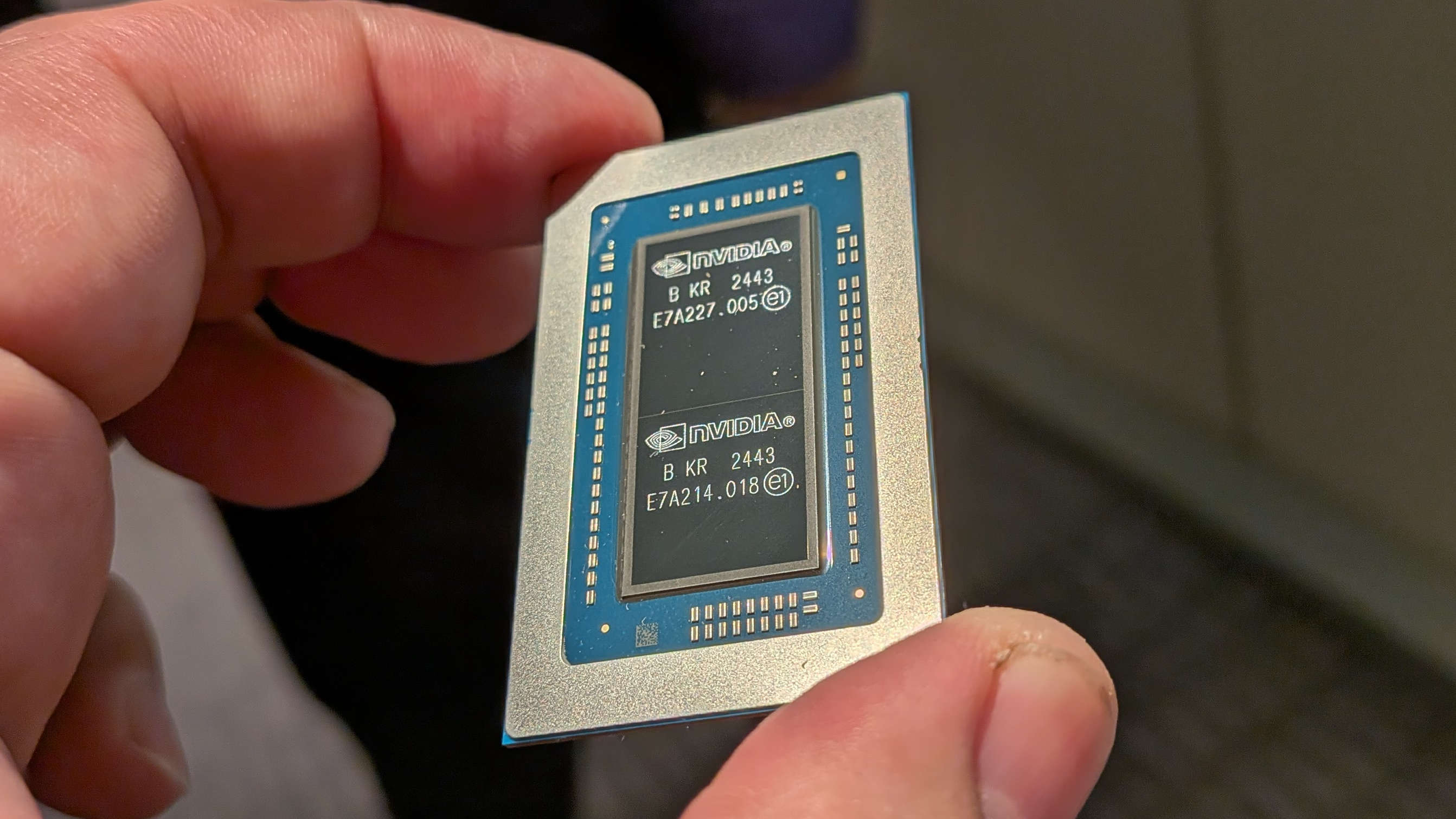
Nvidia’s RTX Spark is not merely a laptop chip; it is a strategic maneuver. While gaming is officially listed as the “third pillar” of the platform’s foundational goals—following AI integration and general productivity—it has clearly received the lion’s share of engineering focus.
The platform is the result of a massive, multi-year cross-industry collaboration. Nvidia has been working closely with MediaTek for two and a half years to develop the underlying silicon, while Microsoft has spent three years optimizing the Windows ecosystem to ensure that the hardware and software operate in perfect harmony. This level of synchronization is rare, suggesting that RTX Spark is designed to be a "gold standard" for Arm-based Windows devices, rather than just another hardware iteration.
A Technical Deep Dive: Native Ports vs. Emulation
The most compelling aspect of the RTX Spark experience is its dual-pronged approach to game compatibility: native Arm development and highly optimized x86 emulation.
The Native Experience
During hands-on testing with a pre-release Microsoft Surface Laptop Ultra, the performance of Alan Wake 2—arguably one of the most demanding DirectX 12 titles currently on the market—was nothing short of revelatory. Running at a native resolution of 2560 x 1600, the game maintained a smooth, fluid frame rate.
Crucially, the visual fidelity was preserved. Users often associate Arm-based gaming with "smearing," input latency, or the aggressive use of frame generation artifacts. On the RTX Spark, however, the experience felt indistinguishable from a high-end x86 desktop machine. While it is highly probable that some form of frame generation is being utilized under the hood, the implementation is so seamless that it avoids the telltale visual stuttering and text-blurring typically associated with lower-tier upscaling solutions.

The Emulation Bridge
For the vast majority of the existing PC library that lacks a native Arm port, emulation is the lifeline. In tests of titles like Indiana Jones and the Great Circle and Pragmata, the system demonstrated impressive throughput. These games, downloaded directly from Steam without any special "beta" modifications, ran with surprising stability on the 64GB variants of the RTX Spark chip. The goal, according to engineers, is to ensure that even emulated titles deliver a baseline performance that feels like a standard RTX-powered experience.
Chronology of the RTX Spark Development
The journey to RTX Spark was not an overnight success but a calculated evolution of mobile silicon:
- 2022: Initial collaboration begins between Microsoft and Nvidia to define the requirements for a high-performance Windows-on-Arm ecosystem.
- Early 2023: Nvidia partners with MediaTek to begin the development of the custom silicon architecture that would eventually become the RTX Spark.
- Late 2023: Early prototypes enter the lab, focusing on core instruction set translation efficiency for x86 games.
- Mid 2024: Developer relations teams are deployed to major studios, including Remedy Entertainment, to assist in creating native Arm versions of flagship titles.
- Late 2024 (Present): The platform enters the final pre-launch phase, with hardware partners like Dell, Lenovo, Asus, and MSI showcasing units on the demo floor.
Official Responses and Strategic Intent
Nvidia and its partners are acutely aware of the skepticism surrounding Arm-based gaming. To combat this, they are adopting a highly collaborative approach with developers.
Jo Vivoli, a senior manager in Nvidia’s tech marketing team, articulated the company’s stance: “What we’re showcasing here is, if you’re a developer and your game is running through an emulator, we’re going to work with you to make sure it’s a good experience. If you want to make a native Arm build, we’re going to work with you to make sure it’s a good experience.”
This sentiment is mirrored by Microsoft. An engineer working on the project noted that the goal is to erase the stigma associated with non-x86 gaming. By deep-investing in the translation layers and working with developers to ensure that the "expected performance and visuals" are maintained, they hope to make gaming a "first-class citizen" on the Arm architecture.
Microsoft has explicitly identified the "200 largest, most used creative applications and games" as their primary target for launch-day optimization. This suggests that while niche titles might face hiccups, the industry’s biggest hits—the games people actually care about—will be ready for the transition.
The Implications for the PC Market
The emergence of RTX Spark signals a potential tectonic shift in the laptop market. For decades, the trade-off for high-performance gaming has been bulk, noise, and abysmal battery life. The RTX Spark demo units are remarkably thin and quiet, yet they handle punishing workloads without the usual "gale-force" fan noise associated with traditional gaming laptops.
The Competitive Landscape
If Nvidia succeeds, it forces the hand of Intel and AMD. These x86 incumbents have relied on the fact that Windows gaming is x86 gaming. By proving that a performant, native, or high-fidelity emulated experience is possible on Arm, Nvidia is effectively removing the "compatibility moat" that has protected the traditional CPU market.
Challenges Ahead
Despite the optimism, the transition will not be flawless. The PC gaming library is vast and deeply fragmented. Even with the backing of giants like Microsoft and Nvidia, certain titles—especially those with aggressive anti-cheat software or low-level kernel drivers—may struggle to function under an emulation layer. The question remains: how will the platform handle the "long tail" of indie games and legacy titles that are no longer receiving developer updates?
Furthermore, the absence of major titles like Cyberpunk 2077 in the current demo suite raises questions about the readiness of the platform for titles that leverage extreme ray tracing and complex path tracing. While representatives suggest they are on track, the proof will be in the hands of consumers this autumn.
Conclusion: A New Horizon for Portability
The RTX Spark is not just a piece of hardware; it is a statement of intent. It represents the maturation of the Arm architecture as a viable platform for high-end consumer gaming. By prioritizing native development while refining the emulation experience, Nvidia is creating a robust foundation for the future of mobile computing.
For the gamer, the future looks thinner, quieter, and surprisingly powerful. If the performance seen in Alan Wake 2 is any indication, the era of choosing between a portable work laptop and a bulky gaming machine is rapidly coming to an end. As we look toward the autumn launch, the industry will be watching closely to see if RTX Spark can turn this technical triumph into a commercial juggernaut. If it can deliver on its promise of "100 FPS at 1440p" in modern titles, it may well be the most significant development in PC gaming hardware in the last decade.












No comments yet. Be the first to join the conversation!