Layla Zulfa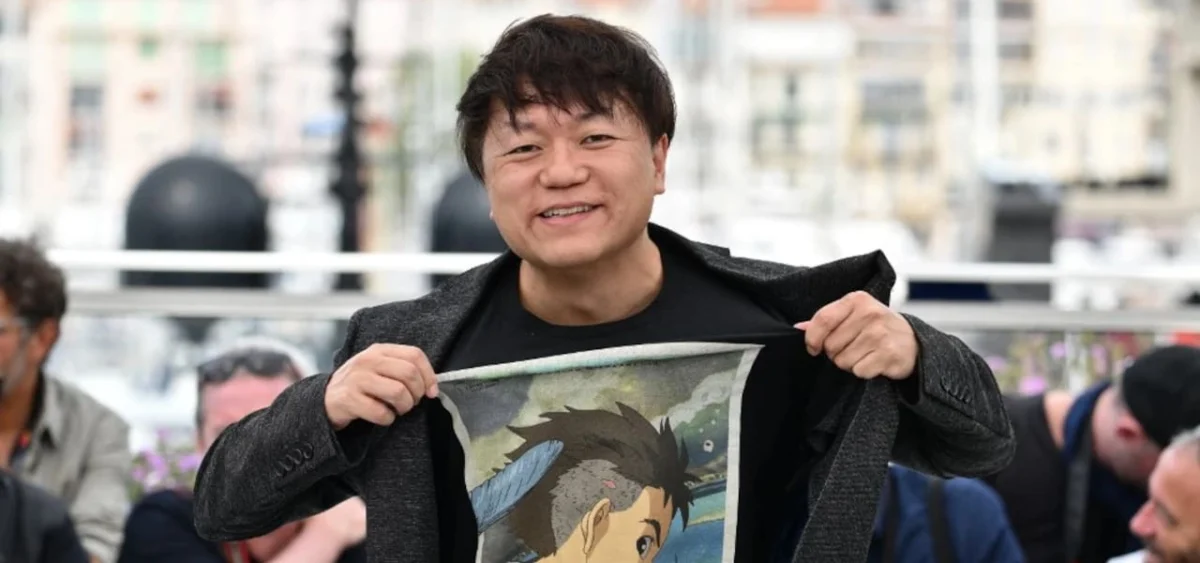
By [Your Name/Journalist]
May 22, 2026
In a move that signals the further integration of Studio Ghibli into the corporate structure of its parent company, Nippon Television Holdings (NTV), the legendary animation house has announced a major leadership transition. Longtime Nippon TV executive Kenichi Yoda is set to take the helm as the new president and representative director of Studio Ghibli, effective June 22, 2026.
This transition marks a significant milestone in the studio’s ongoing "post-founders" era, a strategic evolution designed to ensure the longevity of one of the world’s most iconic creative brands long after the eventual departure of its visionary co-founders, Hayao Miyazaki and Toshio Suzuki.
The Core Facts: A Seamless Transition
The announcement confirms that Hiroyuki Fukuda, who took over the presidency following NTV’s acquisition of a controlling stake in the studio in 2023, will step down from the top executive role. However, the move is not a departure from the company; Fukuda will remain with Studio Ghibli as a director, ensuring a degree of institutional continuity.
Kenichi Yoda is no stranger to the Ghibli ecosystem. Since the 2023 acquisition, he has served as a director on the studio’s board while maintaining his responsibilities as an associate managing director and producer within Nippon TV’s event and business development division. By elevating a figure already deeply embedded in the studio’s current administrative framework, NTV is clearly prioritizing a stable, predictable transition over radical structural upheaval.
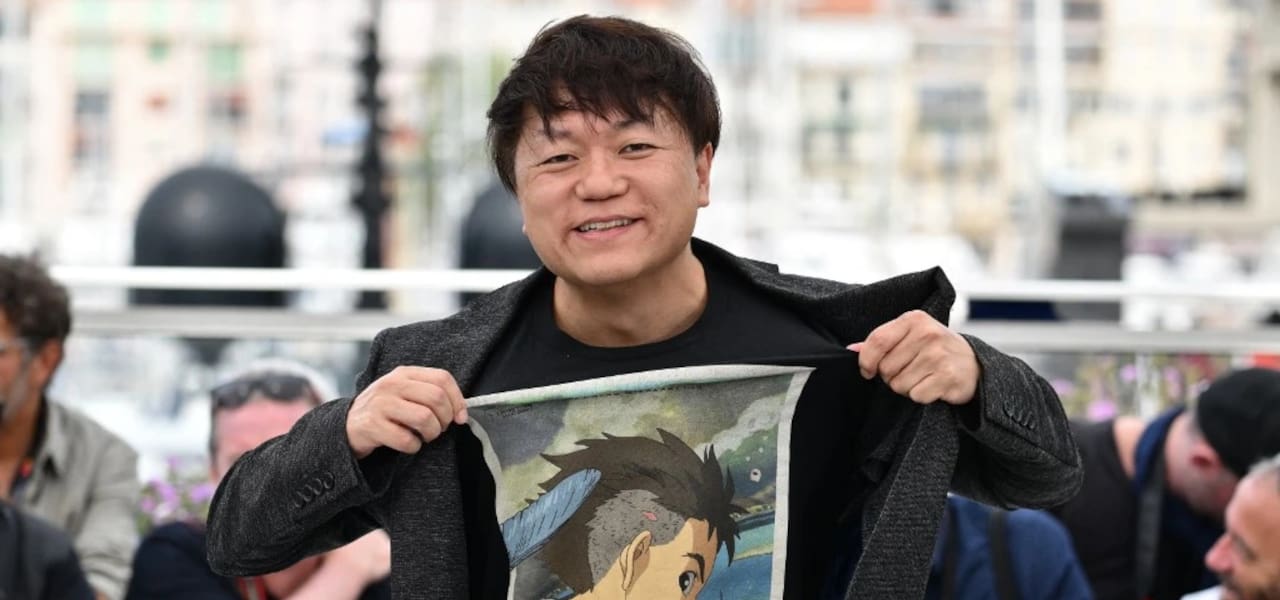
The broader governance of the studio remains firmly anchored to its origins. Hayao Miyazaki will continue in his role as honorary chairman, while Toshio Suzuki remains the chairman and representative director. Gorō Miyazaki, who has played an increasingly vital role in the studio’s operations, will continue his tenure as managing director.
Chronology: The Road to Corporate Integration
The path to this appointment is rooted in a series of strategic maneuvers that began in earnest three years ago. To understand the significance of Yoda’s appointment, one must look at the timeline of Ghibli’s modern corporate history:
- Pre-2023: For decades, Studio Ghibli operated under a unique, semi-autonomous management style heavily influenced by the creative vision of its founders. As succession concerns grew, the industry watched closely to see how the studio would handle its future.
- September 2023: Nippon TV announced the acquisition of a 42.3% stake in Studio Ghibli. This move effectively brought the studio under the NTV corporate umbrella, citing the need for "long-term management stability" and a desire to allow the creators to "focus more on craftsmanship."
- Late 2023 – Early 2025: A period of internal restructuring followed. The studio navigated the release and subsequent global success of The Boy and the Heron, which served as a triumphant validation of the studio’s enduring creative power while highlighting the necessity of a robust business framework to support such endeavors.
- May 2026: The formal announcement of Kenichi Yoda’s promotion is issued, solidifying the influence of the NTV corporate philosophy within the Ghibli boardroom.
Supporting Data: Why Yoda?
The selection of Kenichi Yoda is not merely a bureaucratic decision; it is a tactical one. Yoda’s background in event and business development is telling. In recent years, Studio Ghibli has aggressively pivoted toward a diversified revenue model. No longer solely dependent on the theatrical performance of feature films, the company has expanded its footprint into:
- Live Theater: The critically acclaimed stage adaptation of My Neighbor Totoro, produced in partnership with the Royal Shakespeare Company, stands as a prime example of the kind of project Yoda has shepherded. These productions generate significant licensing revenue and keep the brand relevant in the cultural zeitgeist.
- Theme Parks and Exhibitions: With the continued growth of the Ghibli Park in Aichi and various international touring exhibitions, the studio has become a powerhouse of location-based entertainment.
- Cross-Media Licensing: From fashion collaborations to high-end merchandise, the studio has mastered the art of brand extension.
Yoda’s track record in these areas suggests that under his presidency, Ghibli will likely continue to lean into these "experience-based" revenue streams. By choosing an executive with a background in business development, Nippon TV is betting that the studio’s future lies in its ability to monetize its intellectual property (IP) across a wider array of platforms.
Official Responses and Corporate Strategy
In the wake of the announcement, industry analysts have been quick to parse the language of the press release issued by the studio. The emphasis, as noted in the official statement, remains on "craftsmanship."
.png)
"The arrangement allows the studio to focus more on craftsmanship," the statement reaffirmed, echoing the sentiment shared during the initial 2023 acquisition. This messaging is vital for the studio’s fanbase, which has historically been wary of "corporate interference" in the creative process. By positioning Yoda as the administrator who handles the logistics—the exhibitions, the legalities, and the business development—the studio aims to insulate the creative team, led by the Miyazaki family, from the pressures of the bottom line.
However, the appointment also reflects a shift in power dynamics. The transition from a founder-led company to a management-led entity is rarely seamless. The retention of Fukuda as a director suggests a desire to avoid the friction that occurred during the tumultuous exit of former president Koji Hoshino, whose departure was marked by controversy.
Implications: The Future of the Ghibli Brand
What does this mean for the future of Studio Ghibli?
The Creative-Commercial Balance
The primary challenge for Yoda will be maintaining the "Ghibli magic" while fulfilling the growth expectations of a parent company like Nippon TV. Investors are looking for consistent returns from the massive library of films that Ghibli owns. The risk is that the brand becomes over-commercialized. The opportunity, however, is that with a more professionalized management structure, the studio may finally have the resources to engage in more ambitious, long-term creative projects that were previously deemed too risky.
The "Post-Founder" Reality
With Hayao Miyazaki well into his eighties, the studio is effectively navigating a transition to a post-founder world. The leadership team of Yoda, Suzuki, and the younger Miyazaki represents a transitionary period. The ultimate question is whether this management structure can survive when the founding generation is no longer involved in day-to-day operations.
Global Market Expansion
Under Yoda’s leadership, we can expect a more aggressive global strategy. While Ghibli has always been a global brand, its business model was often reactive to international trends. With a professional business developer at the helm, the studio is likely to take a more proactive approach to international partnerships, streaming distribution, and global brand activations.
Conclusion
The appointment of Kenichi Yoda is a pragmatic step for Studio Ghibli. It signals a move toward a more stable, corporate-aligned future that prioritizes the health of the studio as a business entity. While die-hard fans may worry about the influence of Nippon TV, the reality is that such a structure is necessary to preserve the studio’s vast legacy and its ability to continue producing world-class animation.
As the studio prepares for this new chapter in June, the industry will be watching to see if Yoda can successfully balance the delicate task of protecting a cultural institution while navigating the complex demands of modern entertainment business. One thing is certain: the Studio Ghibli of tomorrow will look different than the one of the past, but it is clear that the studio is taking the necessary steps to ensure that it remains a titan of the animation world for decades to come.

 Evan Lee Salim
 Rifan Muazin