Siti Muinah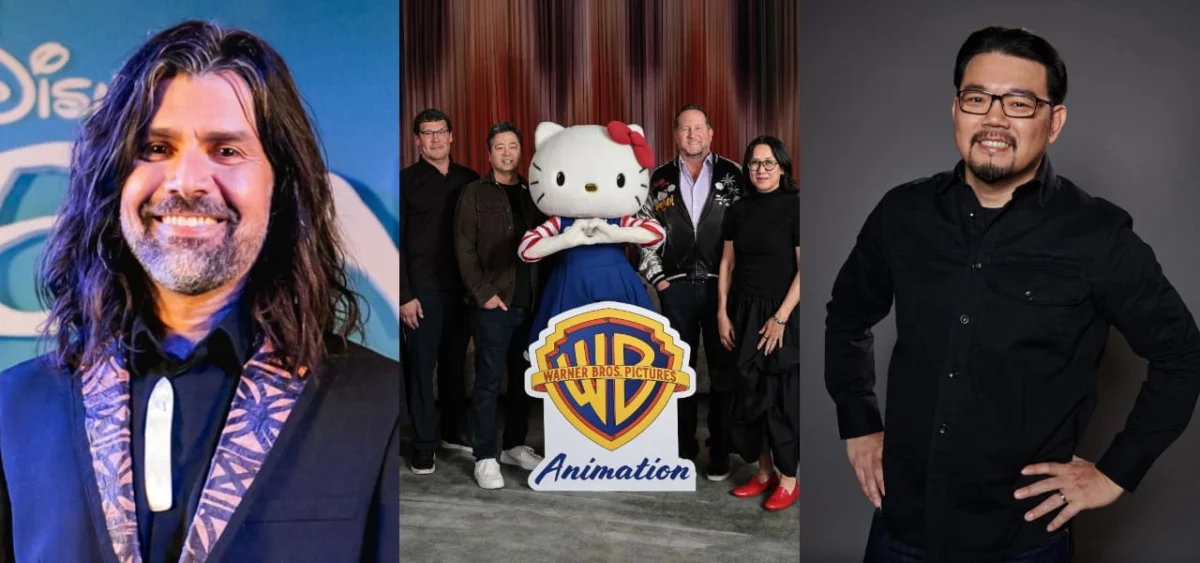
After years of development limbo, shifting studio strategies, and a rotating carousel of creative talent, the world’s most famous feline is finally poised to make her grand theatrical debut. Sanrio’s Hello Kitty—a cultural juggernaut that has transcended its origins as a stationery icon to become a global lifestyle brand—has officially moved into active production at Warner Bros. Pictures Animation (WBPA).
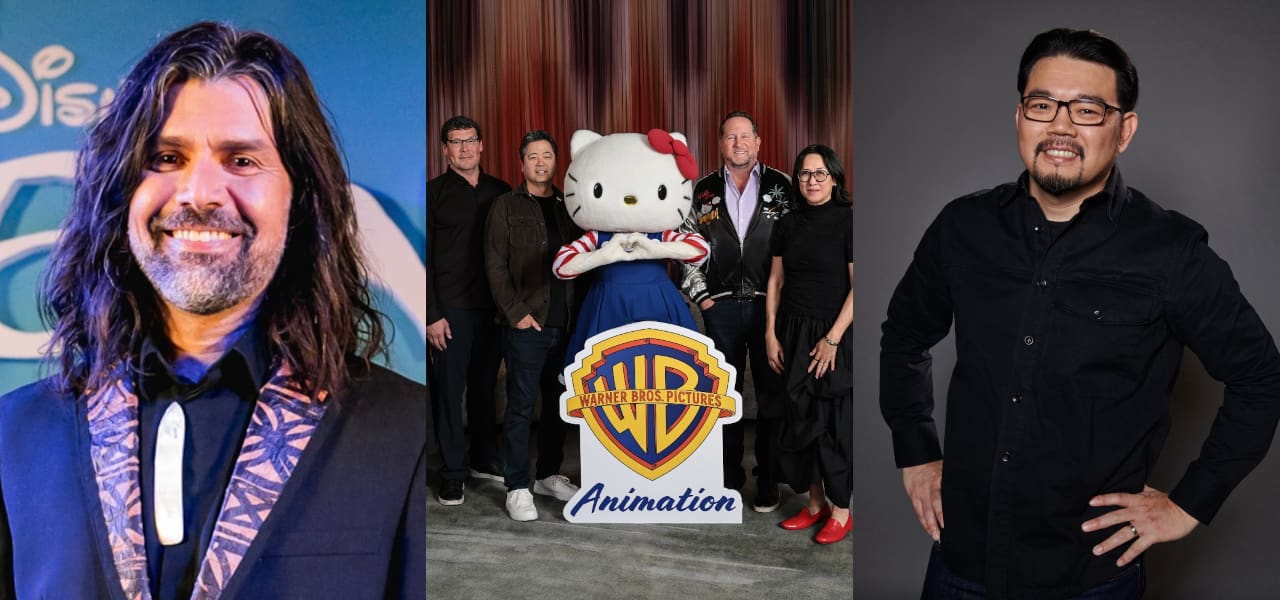
In a high-profile move announced this week, the studio has confirmed the appointment of a formidable directing duo: David Derrick Jr. and John Aoshima. With a firm release date of July 21, 2028, on the calendar, the project signals a renewed commitment by Warner Bros. to capitalize on one of the most recognizable pieces of intellectual property in history.
The Creative Powerhouse: A New Direction
The choice of David Derrick Jr. and John Aoshima suggests that Warner Bros. is looking to blend the polished, emotional resonance of modern Disney animation with the kinetic, story-driven energy of contemporary television and streaming features.
David Derrick Jr. enters the project on a wave of momentum following his work on Disney’s Moana 2. His background is rooted in the "story-first" philosophy of modern animation; having cut his teeth as a story artist on heavy hitters like Encanto, Raya and the Last Dragon, and the How to Train Your Dragon franchise, Derrick brings a mastery of visual narrative that will be essential in translating a character like Hello Kitty—who is traditionally non-verbal or limited in speech—to the big screen.
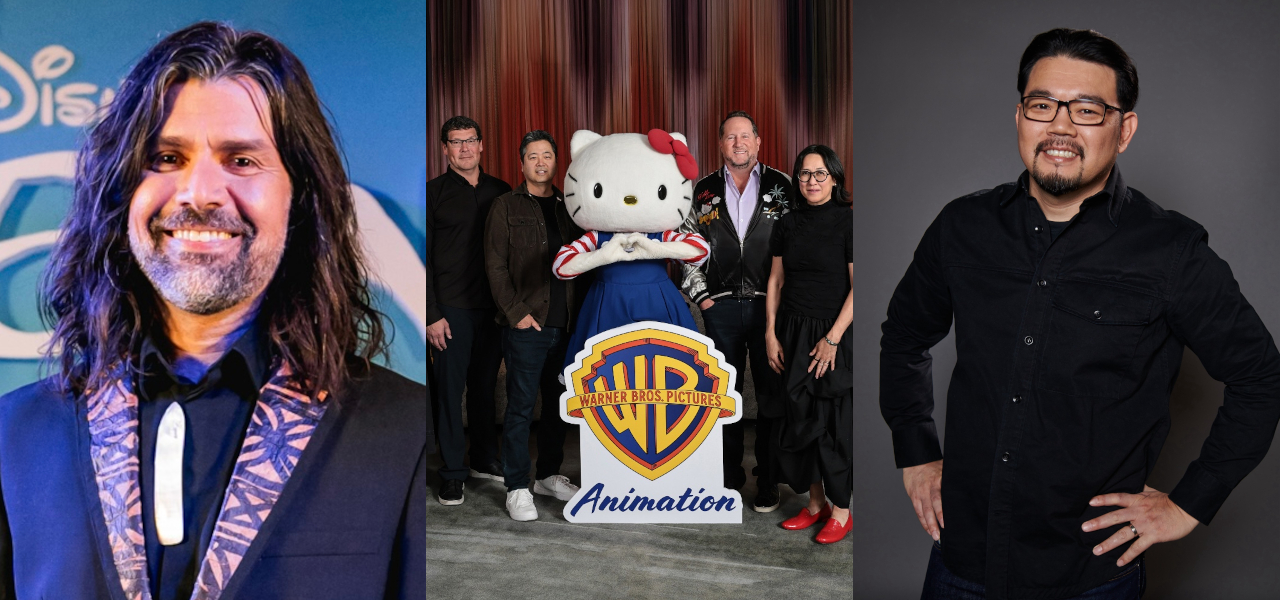
John Aoshima, meanwhile, provides the perfect counterweight. A veteran of the industry with over two decades of experience, Aoshima’s resume reads like a love letter to modern animation’s most inventive projects. From his co-directing role on Netflix’s Ultraman: Rising to his influential work as a director on Gravity Falls and DuckTales, Aoshima understands how to build worlds that appeal to both children and adult audiences. His experience as a sequence director on Jorge Gutierrez’s Maya and the Three further cements his ability to handle complex, stylized action sequences.
A Legacy of "Development Hell"
To understand the significance of this announcement, one must look at the turbulent history of the project. The road to a Hello Kitty movie has been famously long and arduous, spanning nearly a decade of starts and stops.
- 2015-2016: Sanrio initially announced plans to develop a feature film through its U.S. arm, Sanrio Media & Pictures Entertainment. At the time, the project was ambitious, with reported budget estimates floating between $160 million and $240 million. However, the project struggled to find the right narrative hook, and the studio eventually reevaluated its strategy.
- 2021: The project gained significant traction when it moved to New Line Cinema. Jennifer Coyle and Leo Matsuda were announced as directors, bringing a fresh, modern perspective to the franchise. Despite the excitement surrounding their attachment, the project ultimately stalled as the animation industry faced massive shifts in production models and corporate ownership.
- 2026-2028: The transition to Warner Bros. Pictures Animation marks the most stable period for the film. With a clear production pipeline and a seasoned producing team now in place, the studio seems to have finally found a version of the story that justifies the massive investment required to bring Kitty White to life.
Behind the Scenes: The Producers and the Script
The project is being shepherded by industry heavyweights who understand the scale of this undertaking. Ramsey Naito, formerly the animation president at Paramount and Nickelodeon, has joined as a producer. Naito is widely respected for her ability to manage high-stakes animation slates and her keen eye for talent management. She is joined by Beau Flynn of FlynnPictureCo., a producer known for his ability to handle large-scale franchise tentpoles.
The script, which has undergone a veritable gauntlet of revisions, is currently being spearheaded by Jeff Chan. The list of writers who have contributed to the project over the years reads like a "who’s who" of Hollywood screenwriting, including Dana Fox, Katie Dippold, Adam Sztykiel, and Lindsey Beer. The sheer number of writers attached to the project over the years is indicative of how difficult it is to adapt a brand that is essentially a blank canvas. Unlike a traditional storybook character with a deep well of pre-existing lore, Hello Kitty is a vessel for personality—a challenge that requires a screenwriter to build a world from the ground up while maintaining the core "kawaii" (cute) aesthetic that fans expect.
.png)
Implications for the Animation Industry
The Hello Kitty feature is not just another movie; it is a massive bet on the power of "Brand-Based Animation." In the current landscape, studios are increasingly moving away from risky original IP in favor of properties that already have massive global followings. However, Hello Kitty presents a unique set of risks and rewards.
1. The Challenge of Silent Storytelling
Because Hello Kitty is a mascot-based character, the directors must decide how much agency she will have. Will the film lean into the "silent mascot" trope, or will it give her a full voice? The success of films like The Super Mario Bros. Movie has proven that audiences are willing to embrace iconic, mascot-driven protagonists if the world-building is sufficiently immersive.
2. Global Market Penetration
Sanrio’s reach is truly global, with massive bases in Japan, Asia, and North America. Warner Bros. is clearly looking to tap into this multi-generational appeal. If successful, the film could spark a massive merchandising wave, revitalizing the character for a new generation of children who are currently growing up with digital-native brands.
3. The "WBPA" Resurgence
For Warner Bros. Pictures Animation, this project is a litmus test. Under new leadership and with a reinvigorated strategy, the studio is looking to compete directly with the likes of Disney, DreamWorks, and Illumination. Successfully delivering a hit with Hello Kitty would validate their current production model and solidify their status as a major player in the global animation arena.
Looking Toward 2028
As the industry turns its gaze toward the July 2028 release date, the pressure is on. The appointment of Derrick and Aoshima provides a much-needed sense of confidence. The film industry is littered with "what-ifs" regarding the Hello Kitty project, but the current configuration of talent, combined with the structural backing of Warner Bros., suggests that the stars may finally be aligning.
Whether the film will lean into the surreal, pastel-colored world of Sanrio or opt for a grounded, fish-out-of-water story remains to be seen. However, one thing is certain: when Hello Kitty finally steps onto the silver screen, the world will be watching to see if the studio can successfully translate one of the most beloved icons of the 20th century into the cinematic landscape of the 21st. For now, the "kittens are in a row," and for the first time in a decade, the path forward is clear.

 Lina Hope
 Pevita Pearce