Jia Lissa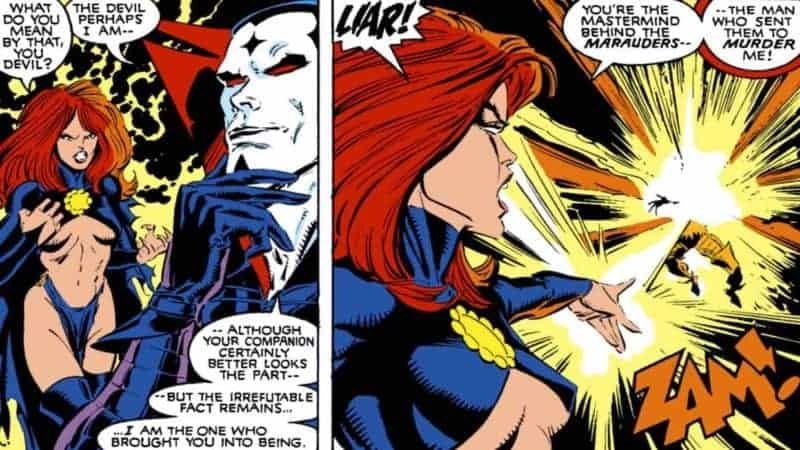
In the rapidly evolving landscape of the Marvel Universe’s "Dawn of X" era, the status quo for mutants is in a constant state of flux. As the Krakoan age matures, readers are finding that the boundaries between past trauma and future salvation are increasingly blurred. In the latest episode of the Something For Good Youth (S4GY) podcast, hosts Marius, Ian, and Nolan reconvene to dissect the most recent developments in the X-Men line, offering a deep dive into the high-stakes espionage of the current era while contextualizing these events against the backdrop of one of Marvel’s most chaotic historical sagas: Inferno.
Main Facts: A Convergence of Past and Present
The latest podcast installment serves as a critical bridge between modern storytelling and the foundational myths of the X-Men. The discussion centers on a jam-packed week of comic releases, specifically X-MEN #6, EXCALIBUR #7, and X-FORCE #7.
The core of the episode focuses on the moral ambiguities of the Krakoan leadership. Marius, returning to the fold, joins Ian and Nolan to evaluate how recent narrative beats—such as the resurrection protocols and the political maneuvering of the Quiet Council—are shifting the trajectory of mutantkind. A significant portion of the episode is dedicated to the psychological toll of these policies, particularly through the lens of Mystique, whose singular focus on resurrecting her wife, Destiny (Irene Adler), has begun to fracture the foundation of the mutant paradise.
Beyond the contemporary titles, the group pivots to the 2019 Inferno trade paperback. This collection revisits the 1989 crossover that redefined the X-Men’s relationship with the demonic. By analyzing the latter half of this iconic trade, the hosts highlight how the "Hellions" legacy is set to bleed into current Dawn of X continuity, proving that for the X-Men, the past is never truly buried.
Chronology of the Krakoan Espionage
To understand the current tension in the X-Men titles, one must look at the timeline of events that unfolded on February 12th. The week was defined by a mix of high-concept espionage and structural setup.
The Mystique Initiative: X-MEN #6
The standout issue of the week, X-MEN #6, provides a masterclass in character-driven intrigue. The narrative follows Mystique as she executes the directives of Professor X and Magneto. However, beneath the veneer of state-sponsored loyalty lies a deeper, darker motivation.
The issue masterfully connects to the seminal House of X/Powers of X era. Readers are transported back to the doomed assault on the Orchis Master Mold facility. It is revealed that Mystique’s involvement was not merely to serve the mutant cause; she was tasked with a clandestine objective: planting a seed of Krakoa within the Orchis base. The resulting portal has allowed Mystique to conduct a series of high-level espionage missions, utilizing her shapeshifting abilities to breach the heart of humanity’s anti-mutant infrastructure. This reveals that the Krakoan government is far more comfortable with "dirty work" than they have let on to their own citizens.
Setting the Stage: EXCALIBUR and X-FORCE
While X-MEN #6 provided the shock, EXCALIBUR #7 and X-FORCE #7 provided the structure. Both books serve as essential transitional chapters, closing the books on the initial post-House of X arcs and establishing new threats.

- Exodus and Apocalypse: In EXCALIBUR #7, the hosts discuss the rising prominence of Exodus. The inclusion of this character into the medieval machinations of Apocalypse marks a significant power shift within the Otherworld narrative. The podcast highlights the expert maneuvering of the writers in weaving long-standing lore into modern, high-fantasy settings.
- The Bloodstone Connection: Ian provides a detailed breakdown of the reintroduction of Cullen Bloodstone. As a "new-old" villain, Bloodstone’s integration into the Excalibur narrative provides a much-needed injection of supernatural hostility, further complicating the already precarious alliance between the mutant nation and the magical realms.
- Domino’s Future: X-FORCE #7 remains a point of intense speculation. With the conclusion of the previous arc, the team finds itself in a state of suspended animation, waiting to see how the fallout from the recent assassination attempts and intelligence failures will impact Domino.
Supporting Data: The Inferno Connection
The decision to discuss the 1989 Inferno trade paperback is not merely a nostalgic exercise; it is a calculated look at the DNA of upcoming Dawn of X titles. The 2019 collection, which gathers essential issues from X-Factor, Uncanny X-Men, X-Terminators, and New Mutants, represents a pivotal moment in mutant history.
During the podcast, the hosts analyze how the demonic invasion of New York City and the corruption of key characters like Illyana Rasputin set a precedent for the "Hellions" team. As the Hellions title begins its publication run, the thematic parallels between the 1989 chaos and the current Krakoan experiments with resurrection and power-wielding become undeniable. By dissecting these classic issues, the hosts provide listeners with the necessary historical literacy to spot foreshadowing in the current run of comics.
Official Perspectives and Critical Analysis
The podcast maintains a professional journalistic standard by balancing fan enthusiasm with critical scrutiny. The hosts do not simply recount the plot; they challenge the narrative choices made by Marvel’s current editorial team.
One of the central debates in the episode is the morality of the Quiet Council. By commissioning Mystique to engage in illegal, deep-cover espionage, Xavier and Magneto have fundamentally altered the "heroic" nature of the X-Men. The hosts argue that this represents a shift toward a more Machiavellian political structure. The podcast also praises the consistency of the art and the inter-connectivity of the Dawn of X line, noting that while some issues are purely setup, the "all-encompassing" nature of the shared universe ensures that no issue feels entirely disconnected from the broader stakes.
Implications for the Future of Mutantkind
As the Dawn of X continues to unfold, the implications of the events discussed by Marius, Ian, and Nolan are significant.
- The Destiny Factor: Mystique’s singular obsession with resurrecting Destiny is a ticking time bomb. The Quiet Council’s refusal to grant this resurrection is not just a policy decision; it is a catalyst for a potential civil war within Krakoa.
- The Orchis Threat: The revelation that Krakoa has infiltrated the Orchis base via a portal suggests that the war against humanity is being fought on multiple, invisible fronts. This will undoubtedly lead to a violent, high-stakes confrontation in the coming issues.
- Supernatural Escalation: The involvement of Exodus in the Otherworld, combined with the historical lessons of Inferno, suggests that the X-Men are ill-prepared for the magical and demonic threats that are currently encroaching upon their borders.
The podcast concludes that the current era of X-Men comics is perhaps the most ambitious in decades. By balancing the gritty, street-level espionage of X-Men and X-Force with the high-fantasy stakes of Excalibur, Marvel has created a multi-genre tapestry that requires the reader to be as invested in the history of the characters as they are in their current dilemmas.
For listeners looking to stay ahead of the curve, the Something For Good Youth podcast remains an essential resource. Whether you are a long-time reader of the 1989 Inferno run or a newcomer to the Krakoan age, the insights provided in this episode bridge the gap between the legendary past and the uncertain future of the mutant race. As the Hellions prepare to make their mark on the current continuity, the lessons learned from the chaos of the late eighties will surely prove to be the difference between survival and extinction.


 Sagoh
Sagoh
 Ammar Sabilarrohman