Dwi Wanna
In a seismic shift that has sent shockwaves through the gaming industry, Microsoft’s Xbox division has embarked on a radical, and controversial, restructuring initiative. Under the stewardship of new CEO Asha Sharma, the company is attempting to "reset" its business model after years of aggressive, rapid expansion. However, this strategic pivot has come at a significant human and creative cost: the shuttering of celebrated development studios, including Ninja Theory, Compulsion Games, and the iconic Double Fine.
These closures represent a dramatic reversal of the "buy-everything" strategy that defined Microsoft’s gaming division over the last decade. As the company pivots toward a focus on high-value, established "mega-franchises," the gaming community is left to grapple with the loss of innovative voices and the uncertain future of talented developers caught in the crossfire.
The Chronology of a Corporate Pivot
The current climate at Xbox is defined by a rapid succession of announcements that have left both industry analysts and fans reeling. The timeline of this restructuring reflects a company in a state of high-pressure transition:
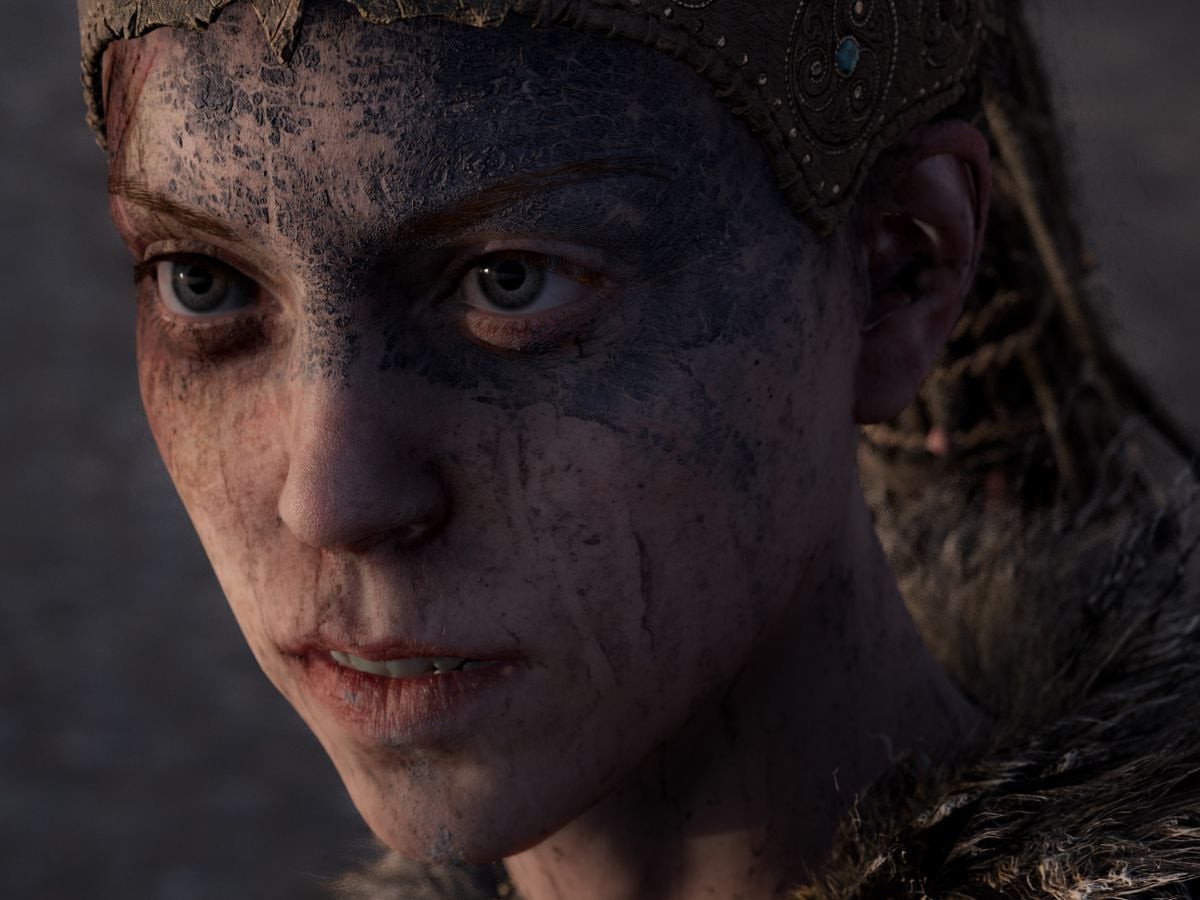
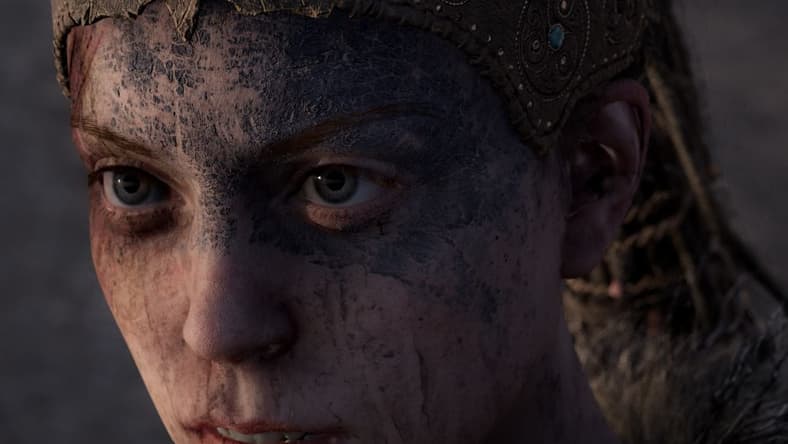
- June 7: During the highly anticipated Xbox Games Showcase, Ninja Theory, the acclaimed studio behind the Hellblade franchise, took center stage to announce the development of the third installment in the series. The presentation was met with critical acclaim and fan excitement.
- June 11: Microsoft leadership, led by CEO Asha Sharma, published a comprehensive report detailing the "harsh realities" facing the division. Sharma explicitly admitted that Xbox had "overextended" itself during the previous decade, failing to provide the necessary funding for many of its acquired studios to compete at a global scale.
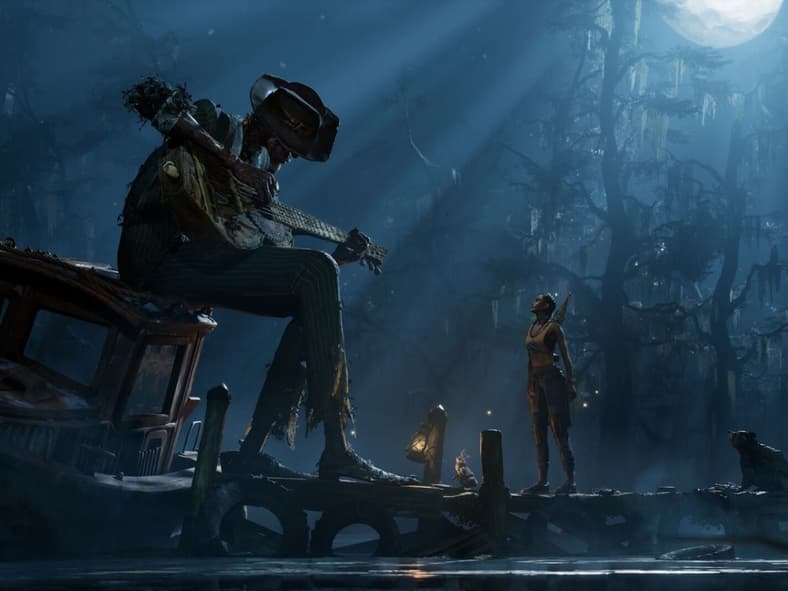
- Mid-June: Barely two weeks after their high-profile announcement at the showcase, news emerged that Ninja Theory—along with Compulsion Games (South of Midnight) and Double Fine (Psychonauts 2)—would be facing closure.
- Late June: Reports surfaced via Bloomberg indicating that while these studios are being shuttered under the Xbox banner, there may be a path for them to buy back their independence, though such a transition remains fraught with the reality of massive internal layoffs.
The "Overextension" Crisis: An Analysis of the Data
To understand why Microsoft is taking such drastic measures, one must look at the math behind the expansion. Between 2018 and 2022, Microsoft embarked on a buying spree that saw the acquisition of studios like Obsidian Entertainment, inXile, Ninja Theory, and eventually the massive Activision-Blizzard-King deal.
The strategy was designed to bolster the Xbox Game Pass library, making it the "Netflix of gaming." However, the internal report provided by Asha Sharma suggests that this strategy hit a fundamental wall. By acquiring so many studios, Microsoft spread its management and financial resources too thin. According to the report, the company failed to "adequately fund" these studios, leading to a situation where many teams were left without the necessary marketing budgets or development timelines to turn their titles into "blockbuster" hits.
"We have reached a point where we have to navigate the harsh reality of our growth," Sharma stated in the June 11 document. "To compete and win in this current market, we must focus our capital on franchises that have proven sustainability and massive, multi-generational reach."
Official Stance and the Logic of "Mega-Franchises"
The messaging from Xbox leadership is clear: the company is moving away from a strategy of "diverse portfolio growth" and toward a strategy of "core franchise concentration."
Industry observers note that the company is refocusing its efforts on behemoths like The Elder Scrolls, Fallout, and Halo. By concentrating resources on these established brands, Microsoft aims to ensure that its flagship consoles remain competitive in a market increasingly dominated by high-fidelity, live-service, and massive open-world titles.
The official line is that these closures are not an indictment of the quality of the games, but rather a cold, logical assessment of where the company’s limited budget can generate the highest return on investment. Yet, for the developers at Ninja Theory, who were building a reputation for unique, narrative-driven experiences, this "logic" feels like a betrayal of the creative spirit that Xbox promised to protect when it first acquired them.
The Human Cost: Layoffs and the "Independence" Paradox
Perhaps the most troubling aspect of the recent news is the human toll. Beyond the closing of studio doors, the restructuring has resulted in widespread layoffs across the organization. Even in scenarios where studio heads are being given the opportunity to "buy back" their independence, the financial terms remain opaque.
Reports from internal staff suggest a culture of uncertainty. Employees at various levels have been encouraged to seek work elsewhere, signaling that the "reset" is not just a management change, but a wholesale reduction in headcount. The irony of asking a studio to buy back its independence while simultaneously laying off the talent that makes the studio viable is not lost on the industry. It creates a "zombie" scenario where the brand may survive, but the creative engine—the people—has been dismantled.
Implications for the Future of Xbox
The broader implications for the gaming landscape are profound. First, the move suggests a return to a "console wars" mentality. By focusing on The Elder Scrolls and Halo, Microsoft is signaling a desire to bolster its exclusive library to drive hardware sales. This is a significant pivot from the "platform-agnostic" approach that characterized the early days of Game Pass, where the goal was to get software onto as many screens as possible, regardless of the hardware.
Second, the independent development scene within the Xbox ecosystem may be facing an existential threat. If a studio as successful and critically lauded as Ninja Theory is not "safe" from closure, what does that mean for smaller, experimental teams? It creates an environment where only "safe" bets are encouraged, potentially leading to a stagnation of creative risk-taking within the Microsoft portfolio.
Finally, this restructuring raises questions about the long-term viability of the subscription-model approach to gaming. If the cost of maintaining a massive library of high-quality games is too high to sustain, even for a company with the resources of Microsoft, then the industry may be headed toward a period of consolidation where only the largest, most profitable publishers can survive.
Conclusion: A New Era of Scarcity
The recent actions taken by Xbox represent a definitive end to the "era of abundance" that defined the last five years of Microsoft’s gaming strategy. As the company moves to prioritize its most powerful brands, the industry will inevitably change. Fans of smaller, narrative-heavy, or experimental titles—the kind of games that defined the identity of studios like Ninja Theory—are rightfully concerned that these experiences will become casualties of this corporate realignment.
As Asha Sharma continues to implement her vision for a "reset" business, the eyes of the entire industry remain fixed on Redmond. While the goal is undoubtedly to "compete and win," the cost of this victory will be measured not just in quarterly earnings, but in the creative output and the livelihoods of the developers who have shaped the history of Xbox. Whether this gamble pays off remains to be seen, but one thing is certain: the landscape of gaming is shifting beneath our feet, and it is becoming a much leaner, and arguably much colder, terrain.

 Sagoh
Sagoh
 Ammar Sabilarrohman