Ali Ikhwan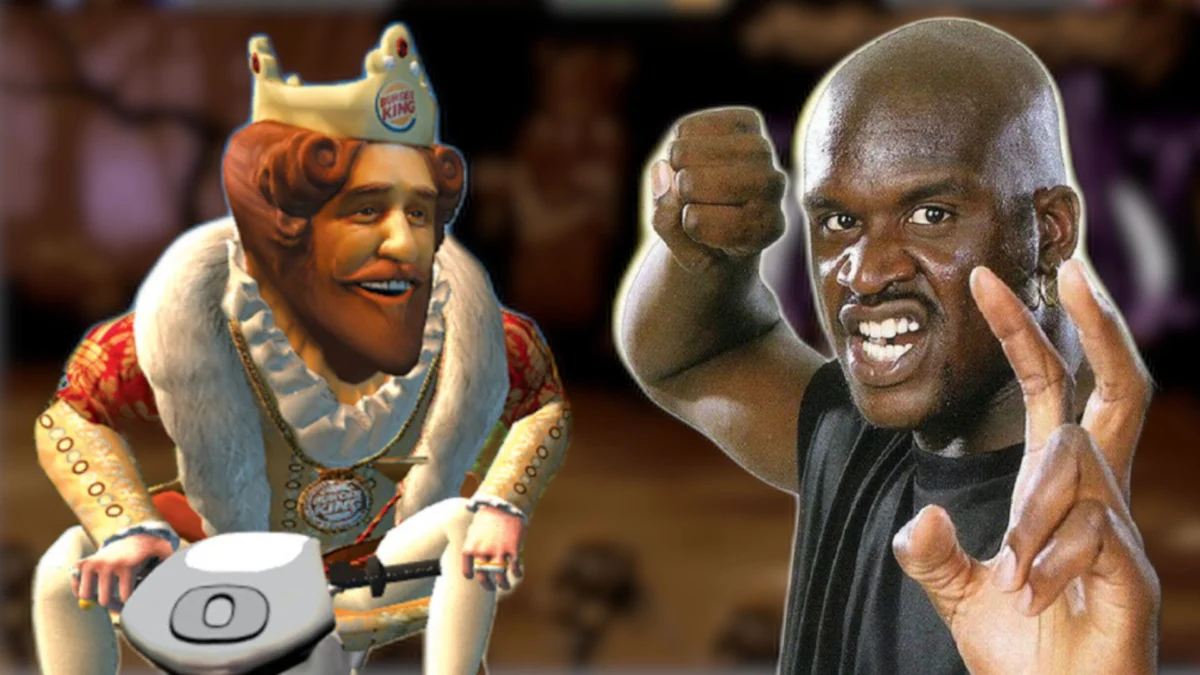
The history of video games is paved with legendary franchises—Star Wars, Marvel, and DC have all seen massive, high-budget interactive adaptations that define generations of console gaming. However, lurking in the bargain bins and digital graveyards of the last four decades is a far more peculiar phenomenon: the licensed game that defies explanation. These titles are often "unexpected and unnecessary," products born from marketing departments, boardroom mandates, or sheer creative misfires that leave players asking, "Why does this exist?"
While some of these projects were designed to serve as glorified advertisements, others represent a strange era of experimentation where brands and intellectual properties (IPs) were shoehorned into genres that made little sense. This article explores the evolution, impact, and legacy of these baffling licensed adaptations.
The Genesis of the "Baffling" Adaptation
In the late 80s and throughout the 90s, the video game industry was in a period of rapid, unchecked growth. Licensing was seen as a golden ticket; if a property had a name, it could be slapped on a box, and it would likely sell. This led to a wave of adaptations that prioritized brand recognition over mechanical substance.
Many of these games were essentially interactive commercials, crafted to promote a movie, a television series, or even a fast-food chain. While they were intended to be more engaging than a standard 30-second spot, they often fell into obscurity, remembered only by a niche group of collectors or those who experienced them during their formative years.

Chronology of Curiosities: Ten Notable Examples
10. Eragon (2006)
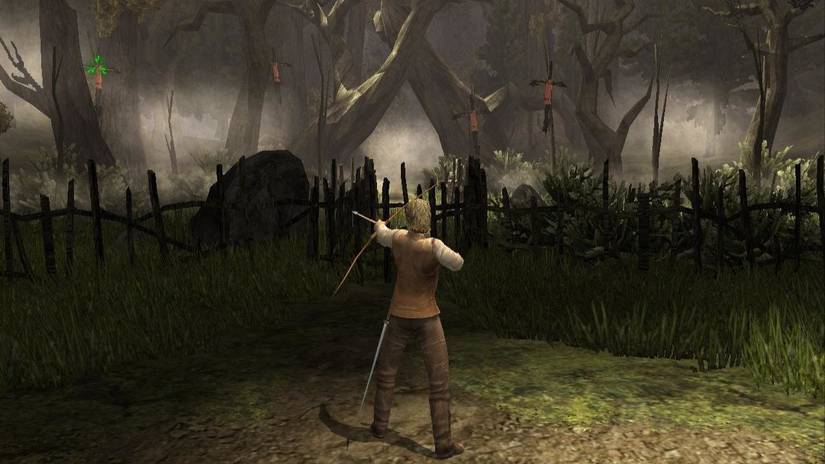
Stormfront Studios’ Eragon remains a masterclass in how to alienate a fanbase. While the source material (Christopher Paolini’s beloved fantasy novels) had a massive following, the developers made the critical error of basing the game on the 2006 feature film rather than the books. The film itself was panned by critics and fans alike, and the game followed suit, earning review scores frequently hovering between 4 and 5 out of 10. It is a cautionary tale of why source material fidelity is paramount.
9. Fester’s Quest (1989)
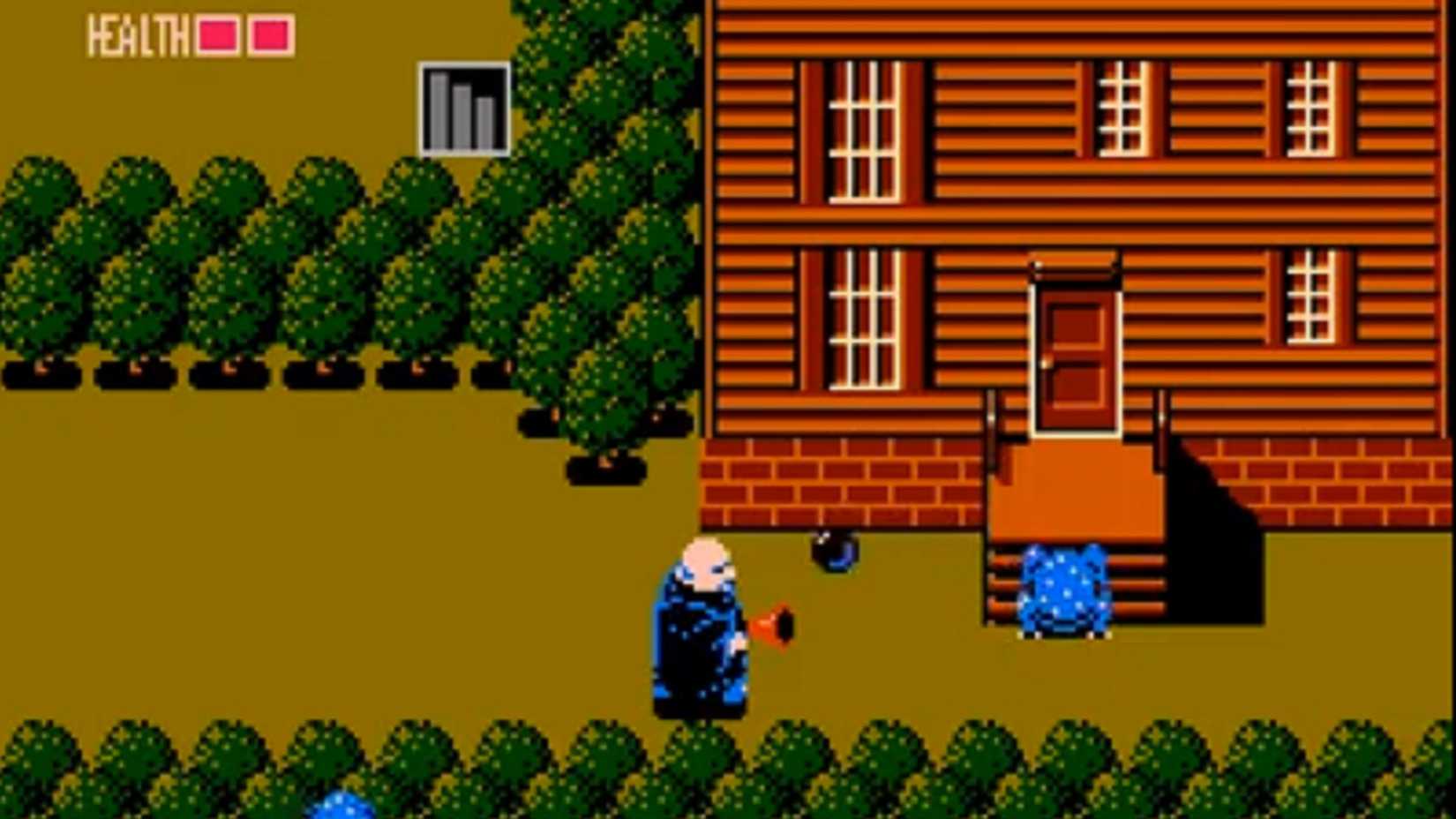
Released for the Nintendo Entertainment System, Fester’s Quest is a fever dream of 8-bit design. While The Addams Family is a property with plenty of potential, the game takes a bizarre turn by forcing players to control Uncle Fester as he battles aliens who have kidnapped the local townspeople. It is a disjointed experience that barely feels connected to the source material, serving as a reminder of the "anything goes" era of NES licensing.

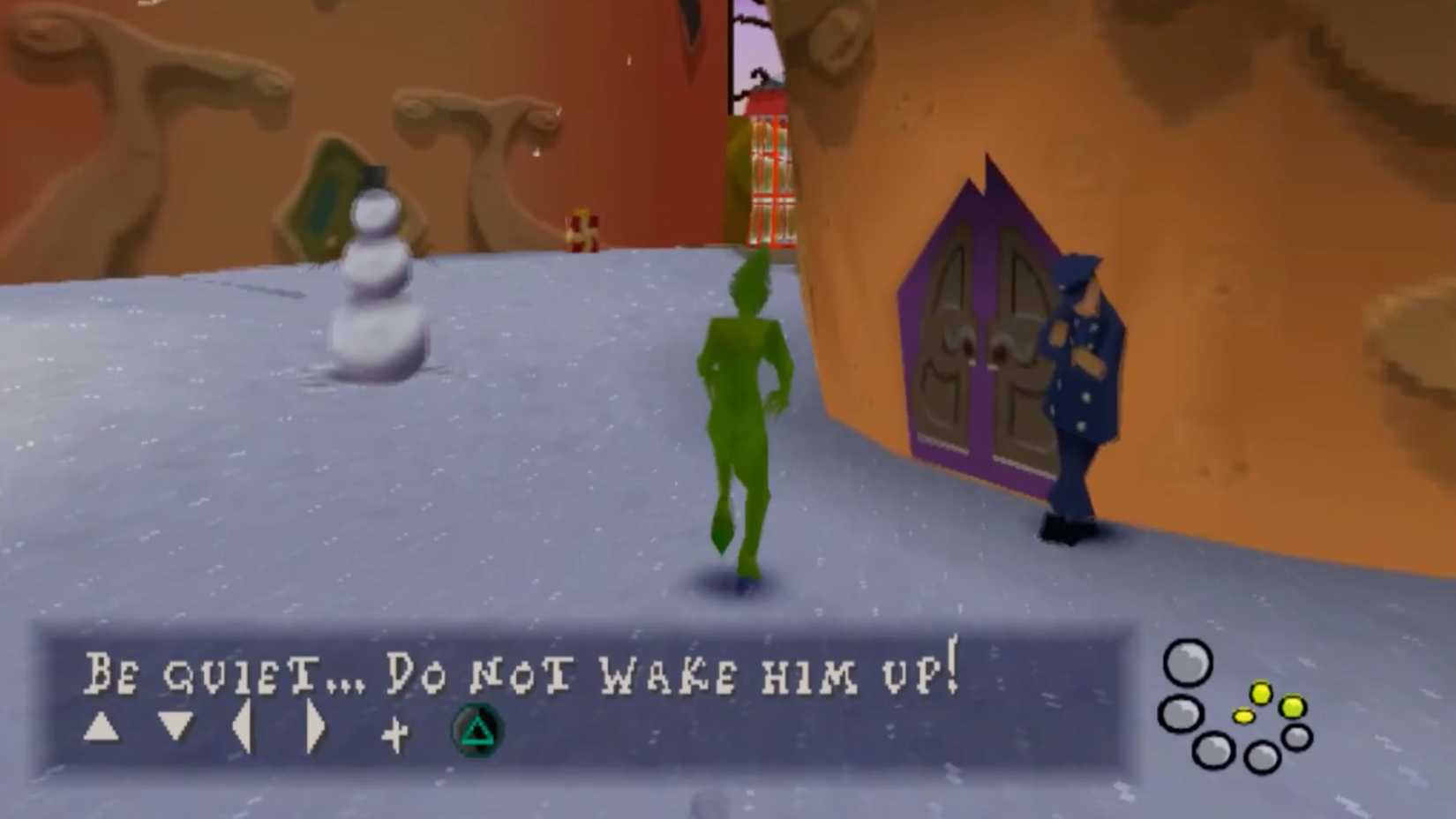
8. The Grinch (2000)
Released during the height of the Jim Carrey movie’s popularity, The Grinch for the PS1 is a strange, janky, yet oddly charming relic. Unlike the Dr. Seuss classic, the game adapts the live-action aesthetic. Despite its clunky platforming, it is frequently cited as a "so bad it’s good" title. It captures a specific spirit of early 2000s jank that makes it an endearing, if flawed, holiday experience.
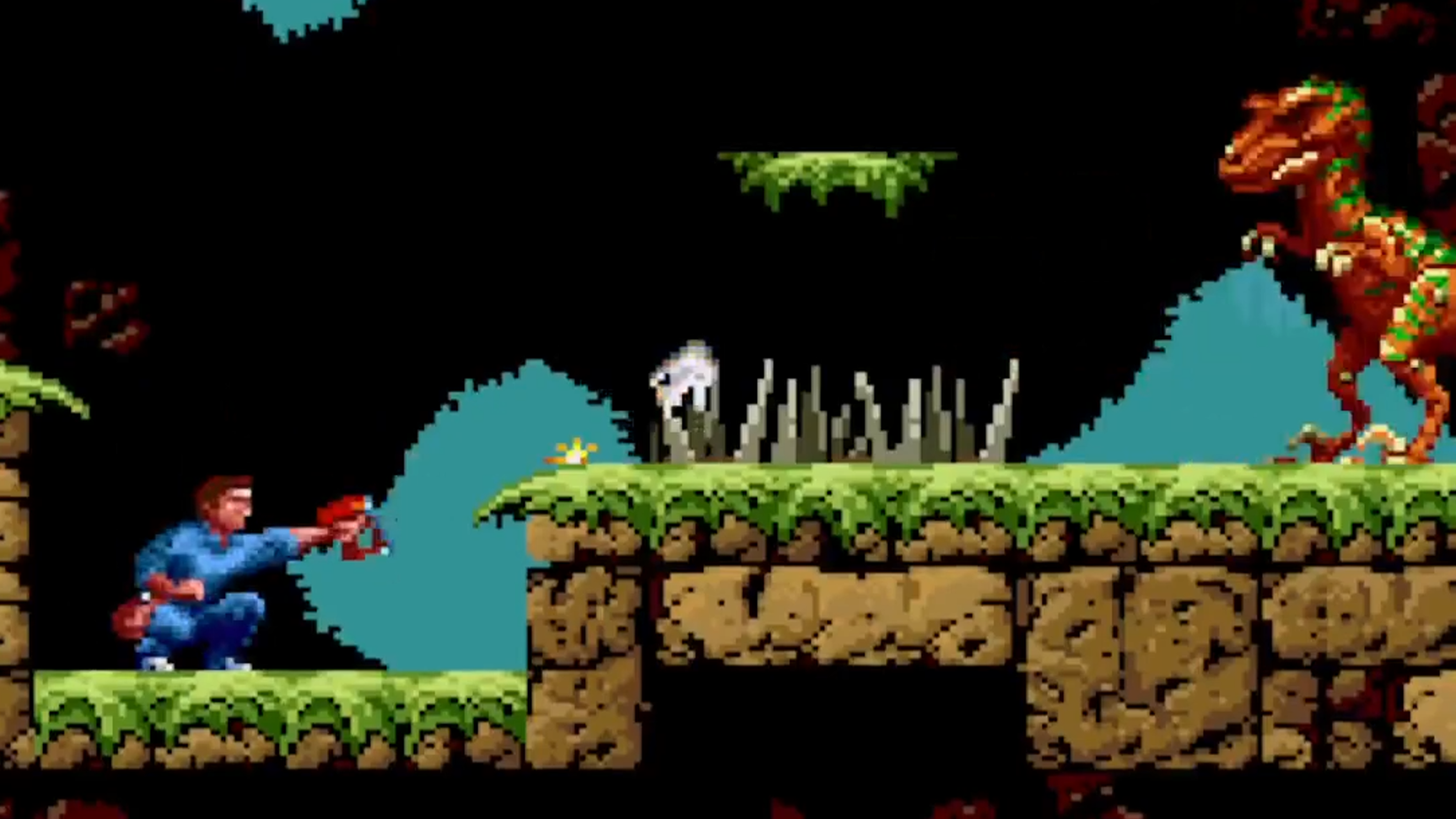
7. Home Improvement: Power Tool Pursuit (1994)
Home Improvement was a ratings juggernaut, but it was hardly the candidate for a side-scrolling platformer. The plot involves Tim "The Toolman" Taylor losing his equipment and traversing movie sets to recover them. It remains one of the most baffling genre-IP pairings in history. While a job-simulation game based on the show might have made more sense, the industry simply wasn’t there yet.
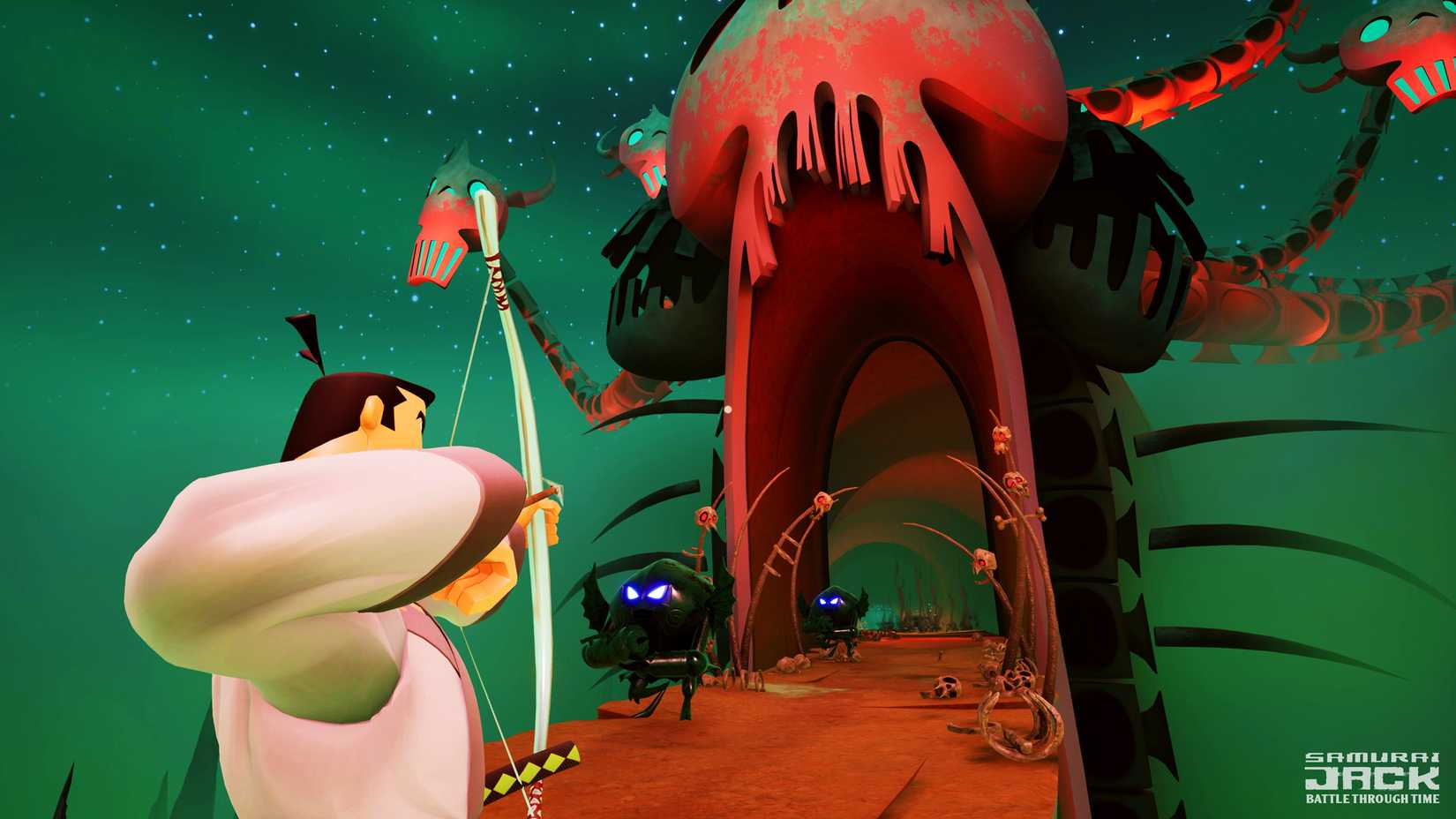
6. Samurai Jack: Battle Through Time (2020)
This title serves as a modern example of an adaptation falling into the "forgotten" category. Despite being a decent action game, its release in 2020—long after the show’s peak popularity—meant it struggled to find an audience. It highlights a recurring issue in licensed gaming: timing is everything. Without the momentum of a current, popular series, even a competent game can quickly slip into obscurity.
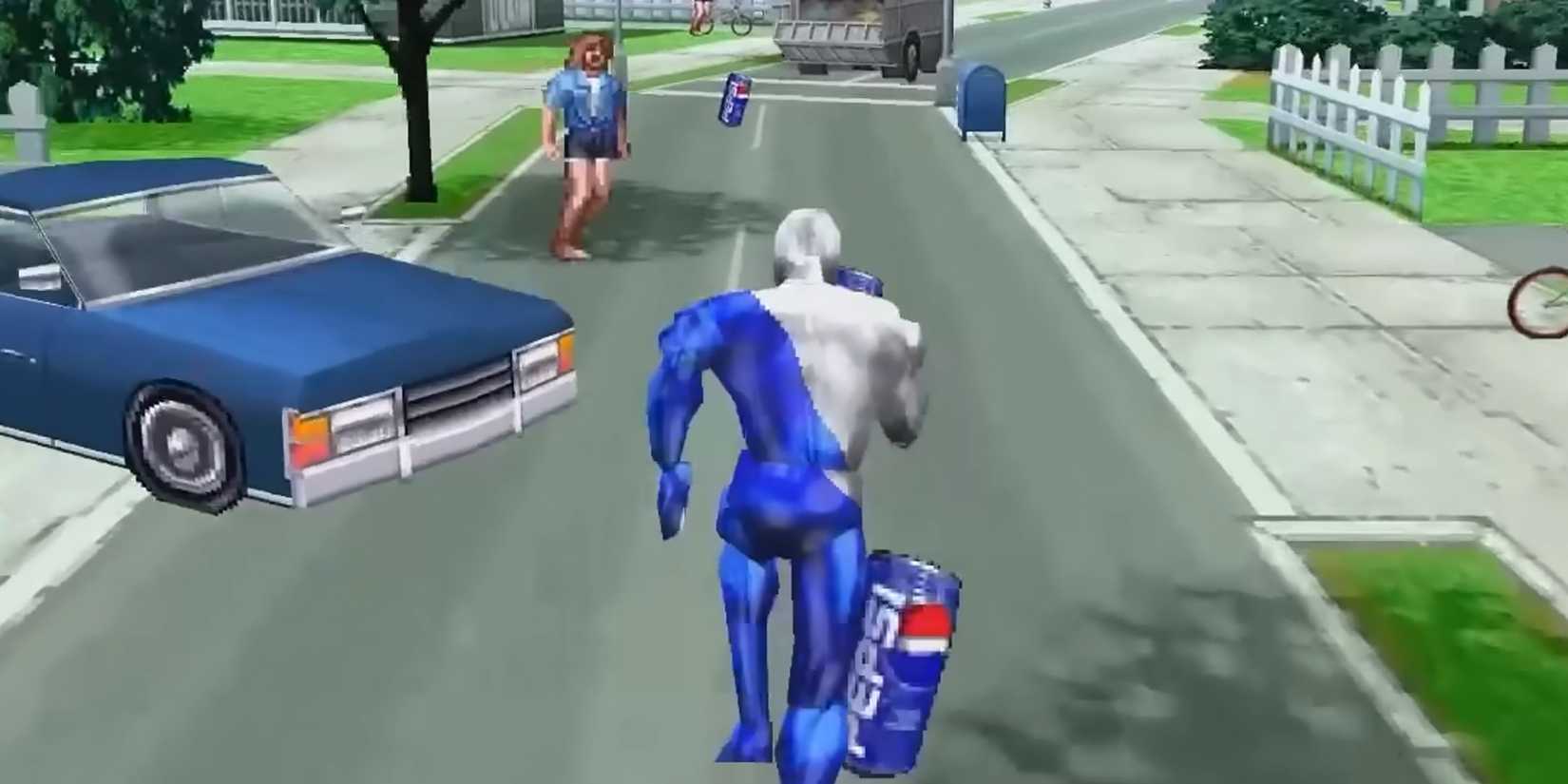
5. Pepsiman (1999)
Perhaps the king of "brand-as-game," Pepsiman is an endless runner that wears its corporate heart on its sleeve. It is simple, fast, and surprisingly fun. By fully embracing its identity as a commercial, it avoids the pitfalls of other licensed games that try too hard to be "serious" art. It knows exactly what it is, and for that, it remains a cult classic.
4. Bishoujo Senshi Sailor Moon R (1993)
It is a tragedy of the gaming industry that Sailor Moon never received a robust, long-term catalog of high-quality games. With a world ripe for RPGs, life sims, or fighting games, the Bandai-developed side-scrollers remain the primary legacy of the franchise in gaming. The series is immensely versatile, yet it remains criminally underutilized in the modern era.
3. Sneak King (2006)
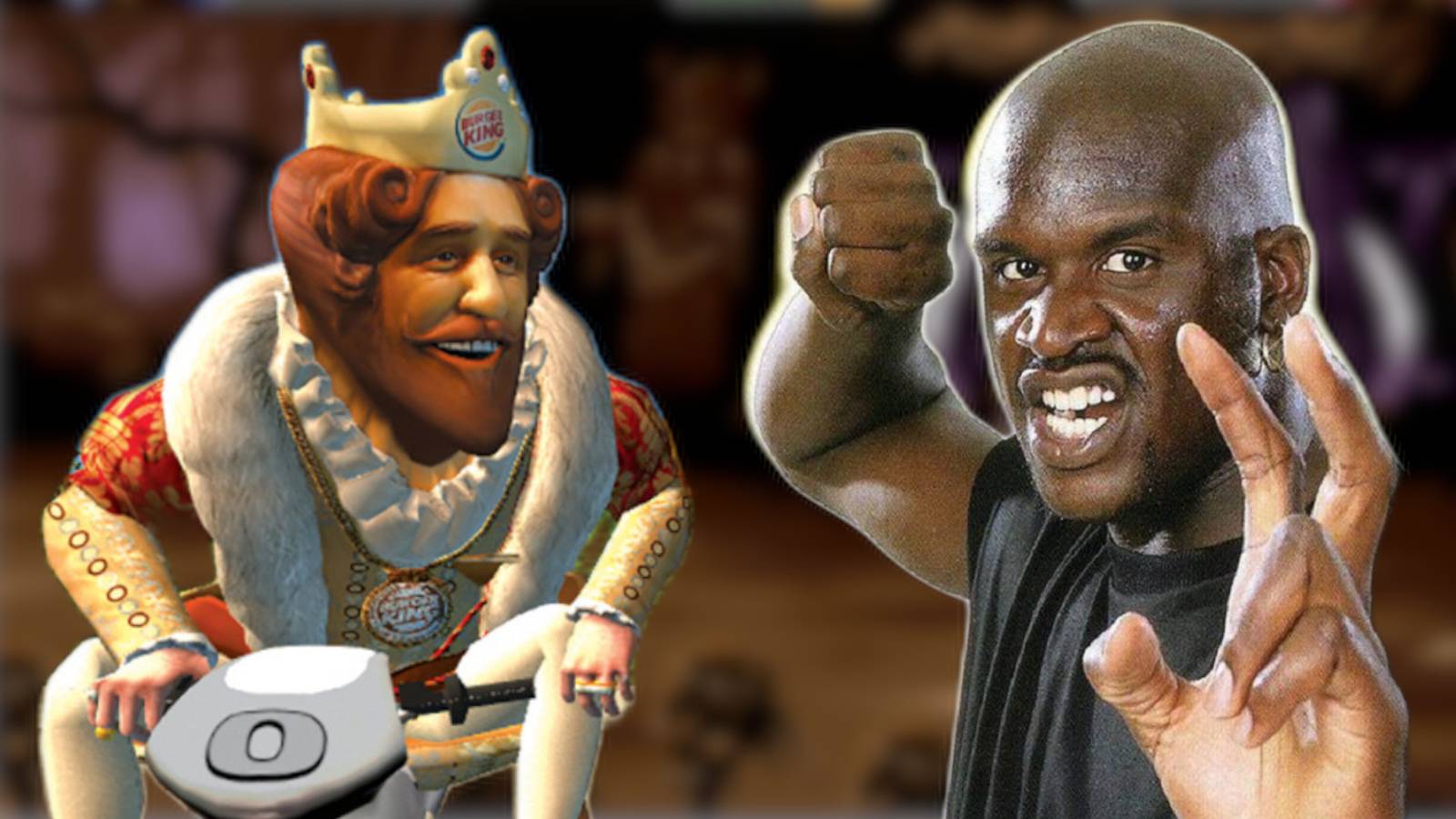
Part of a trio of Burger King-branded games, Sneak King is a stealth game where you, as the Burger King, must sneak up on hungry individuals to provide them with food. It is surreal, hilarious, and genuinely creative in its weirdness. It stands as a testament to the fact that sometimes, the most bizarre corporate mandates can result in the most memorable gaming experiences.
2. JoJo’s Bizarre Adventure: Heritage for the Future (1998)
This is arguably the "best" game on this list. A fighting game that captures the flair and intensity of the JoJo series, it remains a high-water mark for anime adaptations. Its success stems from a focus on tight mechanics over excessive fan service, proving that licensed games can be competitive, high-quality products when treated with respect.
1. Shaq Fu (1994)
Few games carry the infamy of Shaq Fu. Widely considered one of the worst fighting games ever created, it has nonetheless garnered a massive nostalgic following. Between its clunky controls, bizarre premise, and impossible difficulty, it has become a legendary "bad" game that every gamer feels compelled to experience at least once.
Supporting Data and Industry Context
The economic logic behind these games was usually rooted in "cross-promotion." By utilizing a known entity, companies could lower their marketing costs. According to market research from the late 90s, a game with a recognizable face on the cover had a 30% higher chance of being picked up off the shelf in a retail environment like Toys "R" Us or Electronics Boutique.
However, this data-driven approach often ignored the cost of development. Rushing a product to align with a movie release date often led to the "licensed game curse," where quality was sacrificed for market availability.
Official Responses and Developer Perspectives
Historically, developers have been tight-lipped about these projects, often bound by strict non-disclosure agreements. However, in recent years, former developers from the 90s have begun to speak out on platforms like YouTube and in industry retrospectives.
The consensus from those who worked on titles like Shaq Fu or Home Improvement is that they were often under-resourced and given impossible deadlines. "We weren’t trying to make a bad game," one developer noted in a 2024 interview. "We were trying to make a game that existed in time for the movie’s theatrical run." This pressure cooker environment explains why so many licensed games felt incomplete or fundamentally broken.
Implications for Modern Gaming
The legacy of these bizarre adaptations has had a profound impact on the modern gaming landscape:
- The Rise of "Indie" Brand Games: Titles like I Love You, Colonel Sanders! show that modern companies are still interested in these experiments, but they are now approaching them with a sense of humor and self-awareness that was missing in the 90s.
- Quality Control: The "curse" of licensed games has largely vanished due to the high cost of production. Today, if a company invests in a game, they generally ensure it meets a base level of quality to protect the brand’s reputation.
- The Nostalgia Market: The secondary market for these "bad" games is thriving. Collectors now pay premiums for titles like Shaq Fu not because they are good, but because they are historical artifacts of a time when the industry was willing to take ridiculous risks.
Conclusion
Whether it is the frantic running of Pepsiman or the bizarre stealth mechanics of Sneak King, these licensed games represent a unique, chaotic chapter in gaming history. They remind us that the industry was not always a polished, multi-billion-dollar machine. At one point, it was a wild west where anyone with a license and a dream could release a product. While we may not want a return to the days of broken, unplayable titles, we can certainly appreciate the strange, baffling, and undeniably fun legacy that these games left behind. As we look forward, one can only hope that developers continue to find ways to be "wild and unexpected," even if they leave the broken controls in the past.

 Nana
Nana
 Ammar Sabilarrohman