Lina Irawan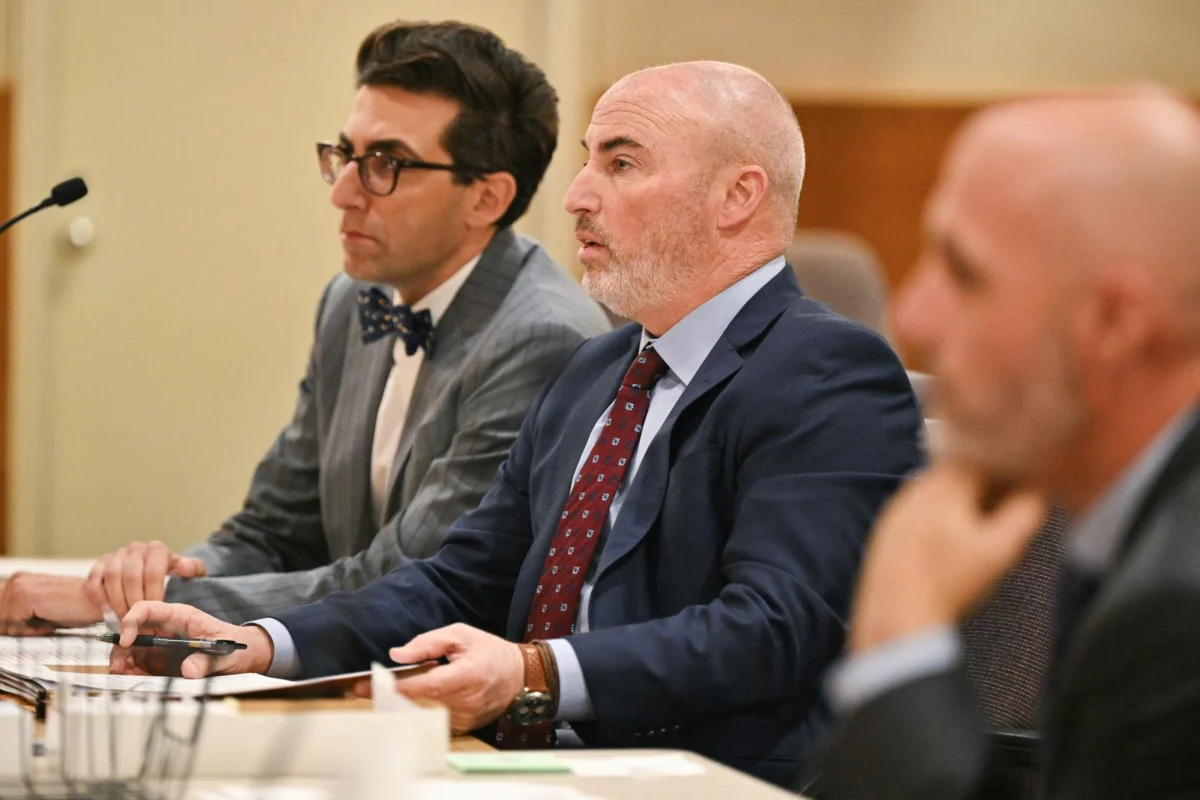
The global icon Britney Spears, whose career has spanned decades of immense professional triumph and profound personal volatility, found herself at the center of a legal storm earlier this year. Newly released police documentation and dashcam footage from the California Highway Patrol (CHP) have shed light on a tense March 4 incident that resulted in the singer’s arrest for driving under the influence (DUI). The files, obtained by The Associated Press, provide a granular, often jarring look at a roadside encounter that underscored the complexities of the pop star’s life under the persistent glare of the public eye.
The Roadside Encounter: A Ten-Minute Standoff
The incident began on a stretch of U.S. 101 in Ventura County, near the border of Los Angeles County—a region the singer calls home. According to the CHP report, officers pulled over the singing superstar after observing her BMW speeding and swerving across lanes. What followed was not a routine traffic stop, but a ten-minute standoff during which Spears remained inside her vehicle, initially refusing to comply with officer directives.
The report details that Spears expressed deep-seated apprehension about exiting her car, citing a history of being pranked and harassed by others. She emphasized her rights as a woman to decline the order, fearing for her safety on the high-speed highway. When officers offered to move the stop to a safer location around the corner, Spears famously attempted to redirect the interaction entirely, suggesting they instead move the conversation to her private residence.
"I’ll make you food or lasagna, whatever you want. I have a pool," Spears is heard saying on the dashcam footage, a moment that captures the surreal nature of the interaction.
Clinical Observations and Erratic Behavior
When Spears finally exited the vehicle, officers noted physical and behavioral cues that led them to conclude she was impaired. The CHP report describes her speech as "rapid and slurred," noting that her gait was noticeably unsteady. Furthermore, officers observed her "fidgeting with her fingers" and noted a drastic, shifting emotional state.
"Her mood changed from confrontational and agitated to flamboyant and compliant," the report stated. Most curiously, officers documented that the singer appeared to speak with a British accent at various points during the exchange. When confronted about her potential impairment, Spears offered a paradoxical assessment of her own state. She claimed to have consumed only a single mimosa hours earlier, asserting that her level of drunkenness was "zero." Simultaneously, she boasted to the officers, "I could probably drink four bottles of wine and take care of you, I’m an angel."
During a search of her purse, officers discovered a bottle of Adderall—a stimulant medication frequently used to treat attention-deficit/hyperactivity disorder (ADHD). The report noted that the medication was not prescribed to the singer. While Spears provided a blood sample for toxicological analysis, those specific results remained absent from the public report.
The Legal Aftermath and Plea Agreement
Despite the officers’ assessment, the breathalyzer results provided a more ambiguous picture. The tests indicated a blood alcohol content (BAC) of .05 and .06, figures that fall below the .08 threshold required for a presumptive DUI conviction in the state of California.
Following the stop, Spears was handcuffed, transported to a local jail, and released on bail hours later. Shortly thereafter, she voluntarily checked herself into a rehabilitation facility. By May 4, the legal proceedings concluded with a plea agreement. Spears pleaded guilty to a lesser charge of reckless driving involving alcohol and drugs, a move that successfully allowed her to avoid further jail time.
Ventura County prosecutors characterized the agreement as a "standard offer" for defendants who possess no prior history of DUI, were not involved in a collision, caused no injuries, and registered low blood-alcohol levels. Michael Goldstein, Spears’ attorney, addressed the media after the hearing, noting that while no one is happy to enter a guilty plea, the resolution allowed his client to move forward. "Under the circumstances, to get this behind her, I think everybody is pleased with the result," Goldstein remarked.
Contextualizing the Icon: A Legacy of Scrutiny
To understand the weight of this incident, one must view it through the lens of Britney Spears’ tumultuous journey as a global superstar. Emerging in the late 1990s, she redefined the landscape of pop music with chart-topping, platinum-selling anthems such as "…Baby One More Time," "Oops! … I Did It Again," and "Toxic."
However, her professional success was often overshadowed by a relentless, invasive tabloid culture that began to obsess over her private life in the early 2000s. The singer became a focal point for intense public and media scrutiny, particularly as she navigated documented struggles with mental health. These pressures culminated in a highly controversial, 14-year court-ordered conservatorship, which granted her father and others legal control over her finances and personal life.
Since her release from the conservatorship in 2021, Spears has attempted to reclaim her narrative. She has since married and divorced, and she released a candid, bestselling memoir titled The Woman in Me. The book offered an unfiltered look at the psychological toll of her decades under the spotlight and the stifling nature of the conservatorship.
Implications and Public Discourse
The incident in March raises significant questions regarding the intersection of celebrity, mental health, and the justice system. For many of her supporters, the behavior described in the police report is viewed not as a simple criminal matter, but as a symptom of a life spent under immense psychological pressure.
Critics, however, argue that the legal system must remain equitable, regardless of a defendant’s status or history. The fact that the plea deal was categorized as a "standard offer" by prosecutors suggests that, despite her celebrity, the legal system treated her case through a procedural lens. Nevertheless, the involvement of non-prescribed medication and the bizarre nature of the roadside interaction continue to fuel public debate about the support systems currently surrounding the star.
The release of the dashcam footage has reignited discussions on social media regarding the boundaries of privacy for public figures. While the CHP’s release of these documents is a matter of public record, the spectacle of a pop star’s "worst moment" being broadcast for the world to see remains a point of contention for those who advocate for greater empathy for celebrities struggling with personal crises.
Conclusion: A Path Forward?
As of the writing of this report, representatives for Britney Spears have remained silent, providing no immediate comment on the release of the documents. The incident serves as a stark reminder that even after the legal end of her conservatorship, the challenges Spears faces remain complex and highly visible.
The plea agreement effectively closes the legal chapter on the March 4 incident, but the cultural impact of the event persists. For a woman who has spent her entire adult life in the public eye—from the heights of teenage stardom to the depths of public mental health struggles—the road ahead remains as scrutinized as the one she was driving on that night in March. Whether this event marks a turning point or merely another chapter in an ongoing saga of resilience and struggle remains to be seen. For now, the public is left with a fragmented, yet deeply human, portrait of one of music’s most enduring and complicated figures.


 Neng Nana
 Asro
Asro