Layla Zulfa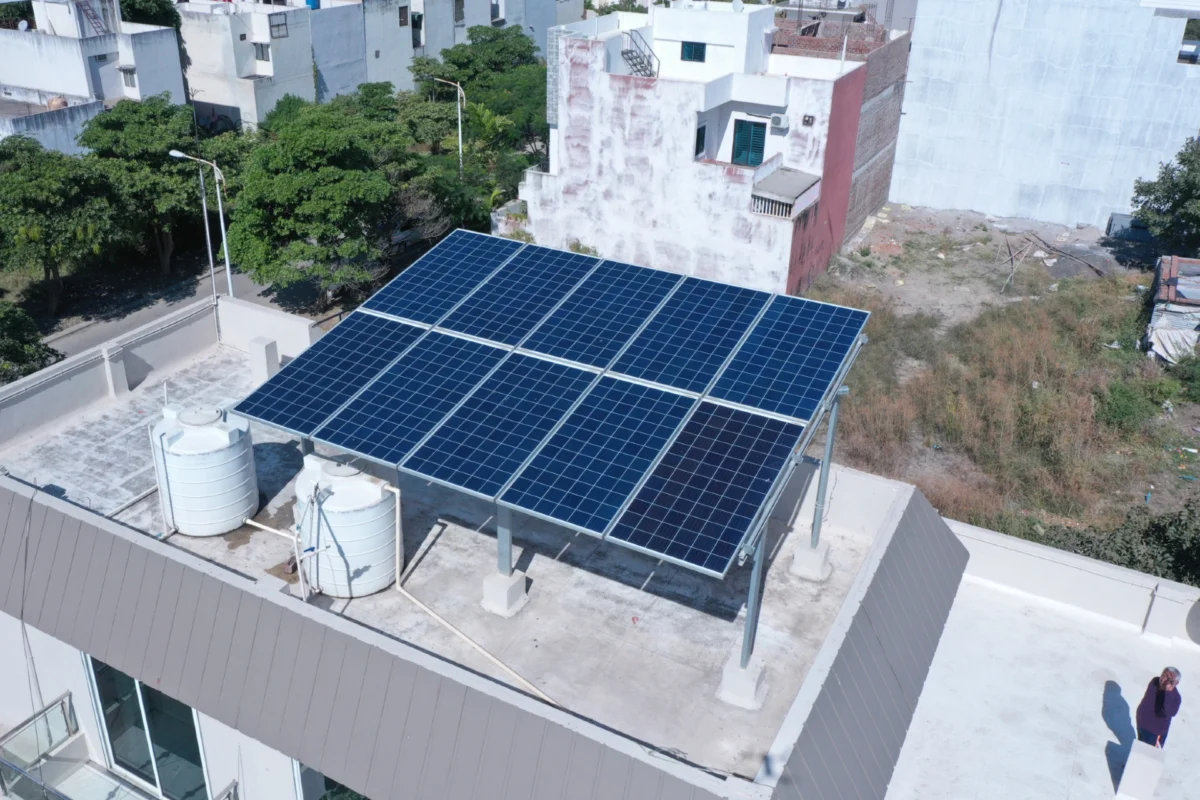
By Editorial Staff
In a resounding endorsement of India’s aggressive green energy transition, SolarSquare, the Mumbai-based rooftop solar powerhouse, is currently in advanced negotiations to secure a substantial new round of venture capital funding. According to sources familiar with the transaction, the startup is nearing a deal that could inject $55 million to $60 million into its coffers, pushing its valuation to between $450 million and $500 million.
This potential Series C raise arrives just 18 months after the company successfully closed a $40 million Series B round, effectively doubling its valuation in less than two years. This rapid appreciation underscores a profound shift in investor sentiment, as global venture capital firms increasingly bet on the scalability of India’s decentralized, residential solar infrastructure.
The Financial Landscape: A New Milestone
The upcoming financing round is expected to be co-led by B Capital and existing backer Lightspeed Venture Partners. For Lightspeed, this investment marks a deeper commitment to the company, utilizing its growth fund—the same vehicle that has fueled the meteoric rise of Indian unicorns such as the digital payment giant Razorpay and the quick-commerce leader Zepto.
Elevation Capital, a long-standing supporter of SolarSquare, is also expected to participate, further solidifying the cap table. While the deal remains in the final stages and terms are subject to minor adjustments before the expected closure next month, the consensus among industry analysts is that this infusion will provide SolarSquare with the necessary capital to dominate the highly fragmented rooftop solar sector.
To date, SolarSquare has secured $61.1 million in equity financing. If the current talks conclude as expected, the total capital raised will propel the startup into a new echelon of growth, enabling it to aggressively expand its footprint across urban centers where electricity demand—and the cost of grid power—continues to climb.
Chronology: From 2015 to Market Leadership
Founded in 2015, SolarSquare initially navigated the challenging landscape of Indian renewable energy, a sector long dominated by small, unorganized local installers and larger industrial players tied to manufacturing giants like Tata Power, Waaree Energies, and Luminous Power Technologies.
- 2015–2020: The formative years. SolarSquare focused on building the technical infrastructure and trust required to convince homeowners to adopt rooftop solar, a significant departure from traditional energy consumption habits in India.
- December 2024: A pivotal moment. SolarSquare secured $40 million in Series B funding, led by Lightspeed, at a $200 million valuation. This round was widely recognized as India’s largest solar venture investment at the time, signaling that the company had moved beyond the "startup" phase and into a period of aggressive scaling.
- 2025–2026: The acceleration phase. The company pivoted its business model, moving away from lower-margin industrial projects to focus heavily on residential rooftops and housing societies—the dense apartment complexes that define urban India.
- Mid-2027 (Projected): The closure of the Series C round. With an annualized revenue run rate now exceeding ₹10 billion (approximately $104 million), the company is preparing for its next phase of national expansion.
Supporting Data: The Macro-Economic Tailwind
SolarSquare’s growth does not exist in a vacuum; it is part of a massive national mandate. India has committed to an ambitious goal of 500 gigawatts (GW) of renewable energy capacity by 2030, with solar power expected to contribute more than 50% of that total.
The momentum is undeniable. In 2014, India’s cumulative installed solar capacity sat at a modest 3 GW. By 2026, that figure had ballooned to over 150 GW, moving India into the position of the world’s third-largest solar power producer, trailing only China and the United States.
SolarSquare has effectively capitalized on this tailwind by acting as a "full-stack" provider. By handling the entire lifecycle—design, installation, and long-term maintenance—the company has removed the friction points that previously deterred middle-class households from switching to solar. With over 150 megawatts of capacity installed across 29 cities and nine states, the company has successfully converted nearly 50,000 homes and 400 housing societies to solar energy.
Operational Strategy: The Pivot to Residential
A key component of SolarSquare’s success is its strategic withdrawal from the industrial sector. In its early days, the company, like many of its peers, chased large-scale industrial contracts. However, recognizing the commoditized, low-margin nature of that business, management shifted focus toward the residential market.
This pivot has been validated by the company’s current revenue trajectory. By catering to the individual homeowner and the collective bargaining power of gated communities, SolarSquare has created a recurring and stable revenue model. The company’s goal for the current year is to expand its residential solar portfolio to 200 megawatts, a target that is increasingly feasible given the rising consumer awareness regarding environmental sustainability and the long-term financial savings solar systems offer.
While the startup has serviced high-profile corporate clients in the past—including Swiggy, Zepto, and iD Fresh Food—the current focus remains squarely on the domestic consumer. This transition has allowed the company to streamline its supply chain and enhance its service delivery, which is critical in a sector where customer satisfaction is the primary driver of referrals and growth.
Official Responses and Market Silence
As is customary for firms in the midst of sensitive financial negotiations, SolarSquare has declined to provide official comments regarding the specific figures of the upcoming round. Similarly, representatives from B Capital, Lightspeed Venture Partners, and Elevation Capital have remained tight-lipped, adhering to standard confidentiality protocols.
However, the lack of denial from any party, combined with the detailed insights from multiple market sources, suggests that the deal is on a clear path to completion. The silence from the involved parties is interpreted by industry insiders as a sign of confidence in the finality of the proceedings.
Implications: What This Means for India’s Green Future
The success of SolarSquare carries significant implications for India’s energy landscape. First, it validates the "full-stack" service model. By professionalizing what was previously a "mom-and-pop" installation industry, SolarSquare is setting a benchmark for service quality, safety, and reliability.
Second, the involvement of major global venture capital firms suggests that Indian residential solar is no longer a niche play for impact investors, but a core component of the country’s infrastructure growth. As the price of solar components continues to stabilize and government subsidies under programs like the PM-Surya Ghar Muft Bijli Yojana continue to lower the barrier to entry, companies like SolarSquare are poised to become household names.
Finally, the scale of this investment highlights the growing importance of the consumer in the energy transition. When 50,000 homes transition to solar, it reduces the load on the national grid, lowers the carbon footprint of urban development, and provides families with a hedge against rising electricity tariffs.
As SolarSquare moves toward closing its Series C round, the focus will likely shift to further technological integration, perhaps exploring advanced battery storage solutions or AI-driven energy management systems for homes. If the last 18 months are any indication, the company is not merely participating in the solar revolution—it is leading the charge in defining how modern India powers its future.
Disclaimer: This article is for informational purposes only and does not constitute financial advice. When you purchase through links in our articles, we may earn a small commission. This does not affect our editorial independence.


 Laily UPN
 Azzam Bilal Chamdy