

In a surprise crossover that bridges the gap between retro gaming history and modern fast-food marketing, McDonald’s Japan has officially launched a collaboration with Capcom’s legendary Mega Man (known as Rockman in Japan) franchise. The campaign, which integrates digital rewards with a focused promotional push for the chain’s "Premium Roast Ice Coffee," has captured the attention of gamers and food enthusiasts alike. By leveraging one of the most recognizable icons in gaming history, McDonald’s is tapping into a deep well of nostalgia to drive engagement with its loyalty program.
Main Facts: The Intersection of Pixels and Caffeine
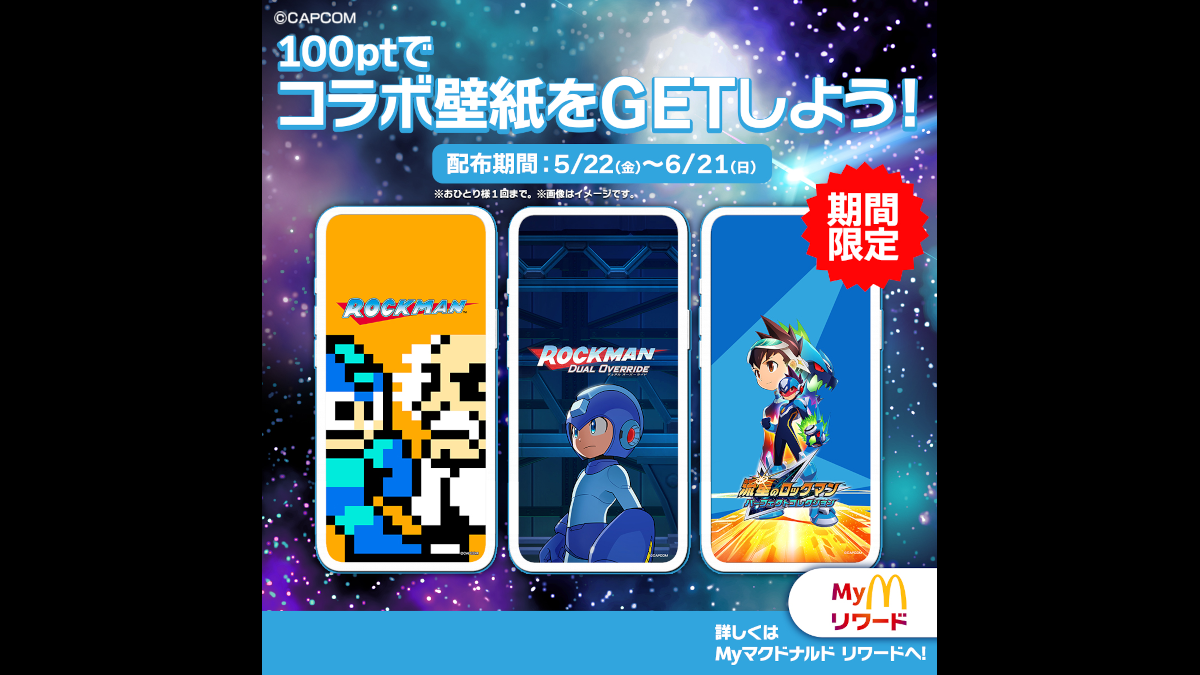
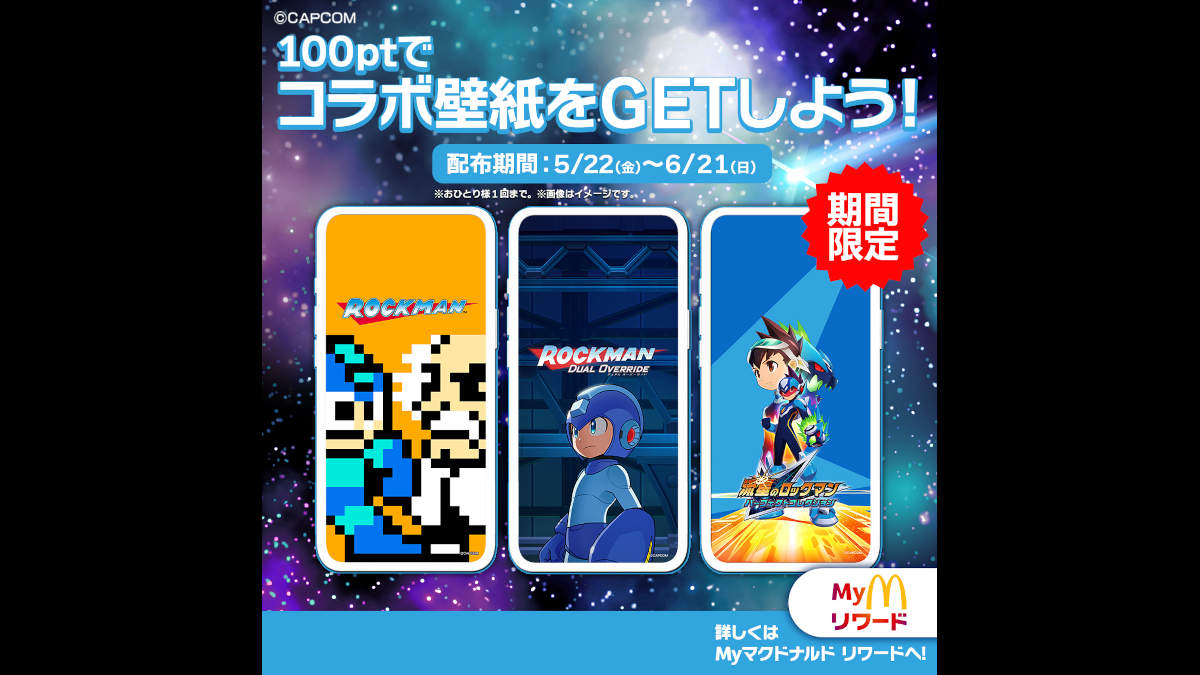
The collaboration, which debuted in mid-2026, focuses on rewarding frequent patrons of McDonald’s Japan. Through the "My McDonald’s Rewards" platform, customers can trade 100 points—a relatively low barrier to entry—to acquire a set of three exclusive, high-quality digital mobile wallpapers.
These digital assets are curated to appeal to different generations of Mega Man fans. The first wallpaper features the iconic 8-bit sprites of Mega Man and his perennial nemesis, Dr. Wily, emblazoned with the classic Japanese Rockman logo. The second shifts to more modern, high-fidelity promotional art for the upcoming title Mega Man: Dual Override. The final piece serves as a tribute to the cult-classic handheld era, featuring Geo Stelar and Omega-Xis from the Mega Man Star Force series.
Beyond the digital collectibles, the campaign is anchored by a creative multimedia effort. McDonald’s Japan has released a "Premium Version" of the fan-favorite song "Can’t Beat Air Man" (originally by Team Nekokan). The track, which has become a staple of internet gaming culture, was remixed to incorporate lyrics and audio cues promoting the Premium Roast Ice Coffee. This creative synergy—merging a notorious "rage-quit" anthem with a refreshing beverage—highlights the brand’s sophisticated understanding of modern Japanese otaku culture.
A Chronology of the Blue Bomber’s Legacy
To understand why a 2026 collaboration with Mega Man carries such weight, one must look at the character’s enduring legacy. Created by Akira Kitamura and brought to life by Capcom in 1987, the Mega Man series has been a cornerstone of the platforming genre for nearly four decades.
- 1987: The original Mega Man launches on the Nintendo Entertainment System, introducing the world to the Robot Master system and the iconic blue armor.
- 1990s: The franchise expands into the Mega Man X series, shifting to a more mature, narrative-driven aesthetic, while the original series continues to iterate on its core mechanics.
- 2000s: Capcom diversifies the brand with Mega Man Battle Network and Mega Man Star Force, moving away from traditional platforming into tactical RPG territory.
- 2010s: The series enters a period of relative dormancy before a massive resurgence with the Mega Man Legacy Collections, which introduced these games to a new generation of hardware.
- 2025: At The Game Awards, Capcom officially announces Mega Man: Dual Override, signaling a return to the series’ high-octane, side-scrolling roots.
- 2026: The McDonald’s Japan collaboration commences, positioning the franchise alongside the global launch window of Dual Override.
This timeline illustrates that Mega Man is not merely a relic; it is a living, evolving franchise that Capcom has meticulously preserved and updated. The McDonald’s campaign acts as a cultural bridge, connecting the 8-bit nostalgia of the late 80s with the anticipation for the 2027 release of Dual Override.
Supporting Data: The Power of Brand Synergy
The decision to feature Mega Man is calculated. Recent market research into Japanese consumer trends shows a massive spike in "retro-revival" consumption. Adults aged 30 to 45—who grew up playing the NES and SNES iterations of Mega Man—now command significant disposable income and are highly receptive to brands that evoke their formative years.
Furthermore, the choice of the "Can’t Beat Air Man" song is a masterstroke of viral marketing. The song itself is a legendary piece of Japanese internet folklore, originating from a 2007 Nico Nico Douga video. By choosing a track that is synonymous with the difficulty and subsequent triumph of the series, McDonald’s effectively signals to the hardcore gaming community that they are "in on the joke," thereby fostering a sense of authenticity that is often missing in corporate brand crossovers.
The distribution method—My McDonald’s Rewards—also serves a secondary corporate purpose. It encourages the adoption of the mobile app, which is a primary metric for success in the competitive Japanese quick-service restaurant (QSR) market. By tying a beloved intellectual property to a low-cost loyalty reward, McDonald’s ensures high engagement rates with minimal inventory risk, as the wallpapers are digital-only assets.
Official Responses and Industry Context
While official statements from Capcom have remained brief, the company has expressed enthusiasm regarding the collaboration’s reception. In a statement released through their Japanese PR channels, a spokesperson noted, "Collaborating with a partner as ubiquitous as McDonald’s allows us to bring the world of Rockman to a wider audience, from lifelong fans to those just discovering the series ahead of the launch of Dual Override."
The industry reaction has been largely positive. Gaming analysts have noted that this type of "soft" integration—using digital rewards rather than physical merchandise—is becoming the industry standard. It reduces logistics costs and carbon footprints while maintaining the high-impact visibility of a traditional marketing campaign.
"McDonald’s Japan has always been at the forefront of the ‘collab culture’ that defines the Japanese market," says Hiroshi Tanaka, an analyst specializing in digital marketing within the gaming sector. "They aren’t just selling coffee; they are selling a moment of connection. When you see the Blue Bomber paired with a roast coffee, it frames the product as a companion to your gaming life."
Implications for the Future of Gaming Marketing
The success of the Mega Man x McDonald’s campaign carries several implications for the future of interactive entertainment marketing:
1. The Death of the "One-Size-Fits-All" Campaign
Global marketing campaigns are increasingly being replaced by regional initiatives that cater to specific cultural nuances. The use of a Japanese-exclusive fan song and specific local branding (the Rockman branding) proves that localization is about more than just translation—it is about cultural resonance.
2. Digital-First Loyalty Programs
We are likely to see an increase in digital-only collectibles as rewards for traditional retail purchases. As the market moves toward subscription models and digital storefronts, the perceived value of digital "swag" (wallpapers, avatars, in-game badges) is skyrocketing among the core gaming demographic.
3. The "Legacy Collection" Model
Capcom’s strategy of utilizing legacy collections to keep interest alive between major releases has proven to be a blueprint for the industry. By constantly refreshing the availability of older titles, developers ensure that their IPs remain relevant, making them attractive to non-gaming corporate partners like McDonald’s, which are always seeking to associate their brand with evergreen properties.
Conclusion
The Mega Man collaboration with McDonald’s Japan is a testament to the enduring power of classic gaming icons. By cleverly blending 8-bit nostalgia with modern digital distribution, the two brands have created a campaign that feels both organic and exciting. As players await the 2027 release of Mega Man: Dual Override, this crossover serves as a pleasant, caffeinated pit stop in the long, storied journey of the Blue Bomber. Whether you are a fan of the original Rockman or a newcomer to the Star Force legacy, the campaign offers a small, tangible way to celebrate one of gaming’s most important franchises. In the fast-paced world of Japanese retail, it is clear that for now, the world—and the coffee—definitely can’t beat the Blue Bomber.











No comments yet. Be the first to join the conversation!