

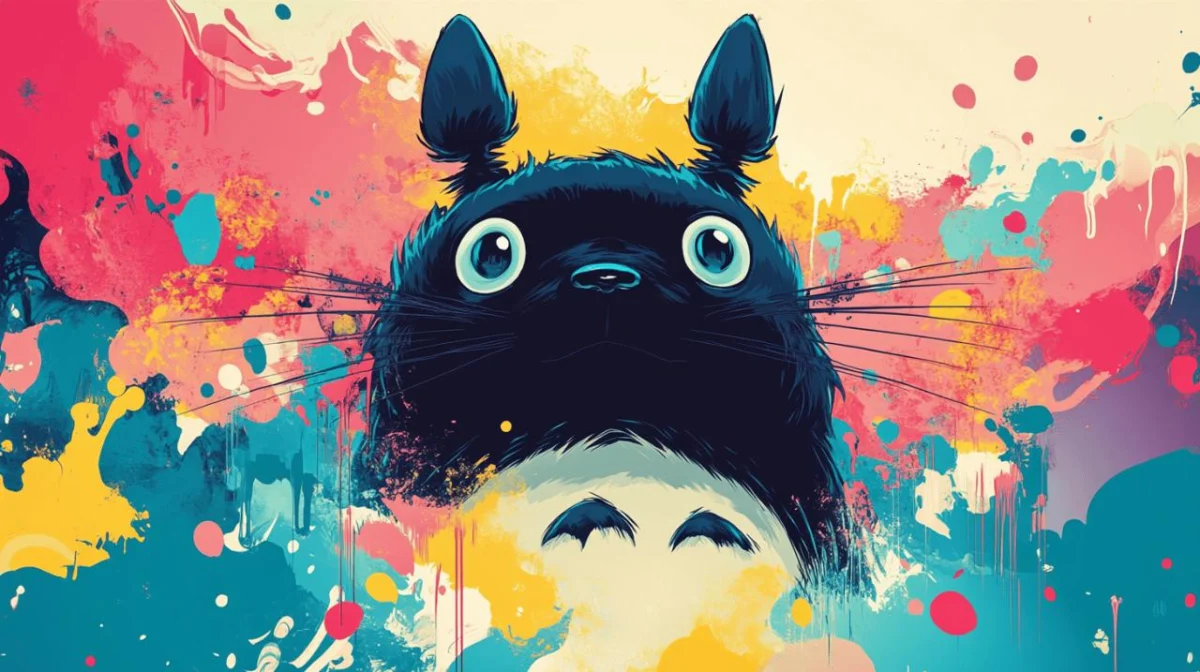
The intersection of Japanese animation and modern fashion has reached a new zenith. At the heart of this cultural fusion lies the image of Totoro—the iconic forest spirit from Hayao Miyazaki’s 1988 masterpiece, My Neighbor Totoro. Once confined to the screens of cinephiles and the shelves of collectors, the character has now transcended its cinematic origins to become a staple of minimalist apparel. Today, enthusiasts can express their devotion to the Studio Ghibli legacy through sophisticated, understated T-shirt designs that prioritize elegance over overt branding.
Main Facts: The Totoro Aesthetic in Modern Wardrobe
The shift toward "minimalist Ghibli" fashion represents a departure from the loud, graphic-heavy merchandising of the past. Modern collections, such as those curated by platforms like Emotion Ghibli, focus on the essential lines of the character. By reducing the complexity of the forest spirit to clean, singular silhouettes or subtle linework, these garments appeal to a demographic that values aesthetic versatility.
Key features of this trend include:
- Design Philosophy: The adoption of Japanese aesthetic principles—simplicity, space, and intentionality.
- Accessibility: A deliberate move to offer inclusive sizing, typically ranging from S to 4XL, ensuring the movement is truly universal.
- Material Quality: A heavy reliance on high-grade cotton, which provides the structural integrity necessary for clean, long-lasting prints.
- Versatility: The ability to integrate these shirts into "smart-casual" environments, moving beyond the "fan-wear" label.
Chronology: From Cinema Screen to Street Fashion
To understand the current obsession with Totoro-branded apparel, one must look at the evolution of Studio Ghibli’s branding over the last three decades.
- 1988–1995: The Introduction. Following the release of My Neighbor Totoro, merchandise was primarily aimed at children. Plush toys and stationery were the primary vehicles for the character.
- 1996–2010: The Expansion. As Studio Ghibli gained international acclaim, adult fans began to demand higher-quality apparel. However, designs remained largely literal and colorful, often mimicking poster art.
- 2011–2020: The Minimalist Pivot. Influenced by the broader "streetwear" movement, designers began experimenting with monochromatic palettes and negative space. The focus shifted from "showing a scene" to "evoking a feeling."
- 2021–Present: The Curated Collection Era. With the rise of specialized e-commerce, collectors now have access to boutique-level items. The current trend prioritizes sustainable printing techniques and high-thread-count fabrics, cementing the T-shirt as a legitimate fashion item.
Supporting Data: The Anatomy of a Quality Garment
The transition of the Totoro T-shirt from a novelty item to a fashion staple is backed by significant attention to production standards. Unlike mass-produced screen prints that crack after a few cycles in the washing machine, the modern, enthusiast-focused market relies on two technical pillars:
1. Fabric Integrity
The preference for 100% organic or combed cotton is not merely a marketing choice; it is a technical necessity. Minimalist designs rely on sharp, high-contrast edges. On inferior, synthetic fabrics, these lines bleed, losing the "Japanese aesthetic" that defines the style. High-quality cotton provides a flat, stable canvas that keeps the design crisp through repeated wear.
2. Printing Technology
Modern Direct-to-Garment (DTG) printing has revolutionized how these shirts are made. Unlike old-school plastisol inks that feel heavy and plastic-like, modern methods allow the ink to bond with the fibers of the fabric. This creates a "breathable" design that is resistant to fading, ensuring that the silhouette of the forest spirit remains as sharp on its hundredth wash as it was on its first.
Official Responses and Market Impact
Industry experts and representatives from specialized retailers, such as the team at Emotion Ghibli, note that the demand for these items is driven by a desire for "quiet luxury."
"Our customers aren’t looking for a billboard of a movie poster," a spokesperson for the brand noted. "They are looking for a piece of clothing that fits into their daily life—something that looks as good under a blazer on a Friday as it does at a weekend convention."
This shift in consumer behavior has prompted a strategic response from retailers. By implementing policies such as 30-day satisfaction guarantees and free return protocols, these businesses are fostering a level of trust previously reserved for high-fashion houses. This institutionalization of the fan-merchandise sector has elevated the status of the "Ghibli enthusiast" from a niche subculture to a sophisticated consumer base.
Implications: The Future of Fandom-Based Fashion
The success of the minimalist Totoro T-shirt carries several implications for the future of licensed apparel.
The Death of the "Gaudy" Graphic
The market is showing a clear preference for subtlety. As fans age, their aesthetic requirements evolve. Brands that fail to move toward minimalist or "high-concept" designs risk alienating the very audience that has fueled their growth for decades. We are seeing a move toward "Easter egg" fashion—where the reference to the source material is recognizable only to the initiated, rather than a loud declaration for the general public.
The Professionalization of Fandom
The integration of these shirts into office environments (the "Casual Friday" effect) indicates that the social stigma once associated with "nerd culture" has largely evaporated. Wearing a piece of Ghibli-inspired art is now viewed as an expression of personal taste, much like wearing a piece from a designer label.
Sustainability and Care
The emphasis on longevity—the recommendation to wash at 30 degrees, the caution against direct sun-drying, and the insistence on ironing inside-out—speaks to a growing trend of "slow fashion." Fans are no longer treating these shirts as disposable items to be replaced every season. They are treating them as wardrobe investments, reflecting a broader societal shift toward conscious consumerism.
Conclusion: A Timeless Silhouette
The minimalist T-shirt featuring Totoro is more than just a piece of clothing; it is a bridge between the whimsical, poetic world of Studio Ghibli and the pragmatic, stylish demands of modern life. By stripping away the noise and focusing on the essential, iconic shape of the forest spirit, these garments offer a way to carry the magic of Miyazaki’s work in a way that is both personal and profoundly elegant.
Whether you are a long-time fan of the 1988 classic or a recent convert to the beauty of Japanese animation, the current range of available designs ensures that there is a place for Totoro in every wardrobe. As we move forward, the intersection of high-quality textiles, artistic restraint, and the enduring charm of the Ghibli universe will continue to define the standard for what it means to wear one’s passion on their sleeve.










No comments yet. Be the first to join the conversation!