

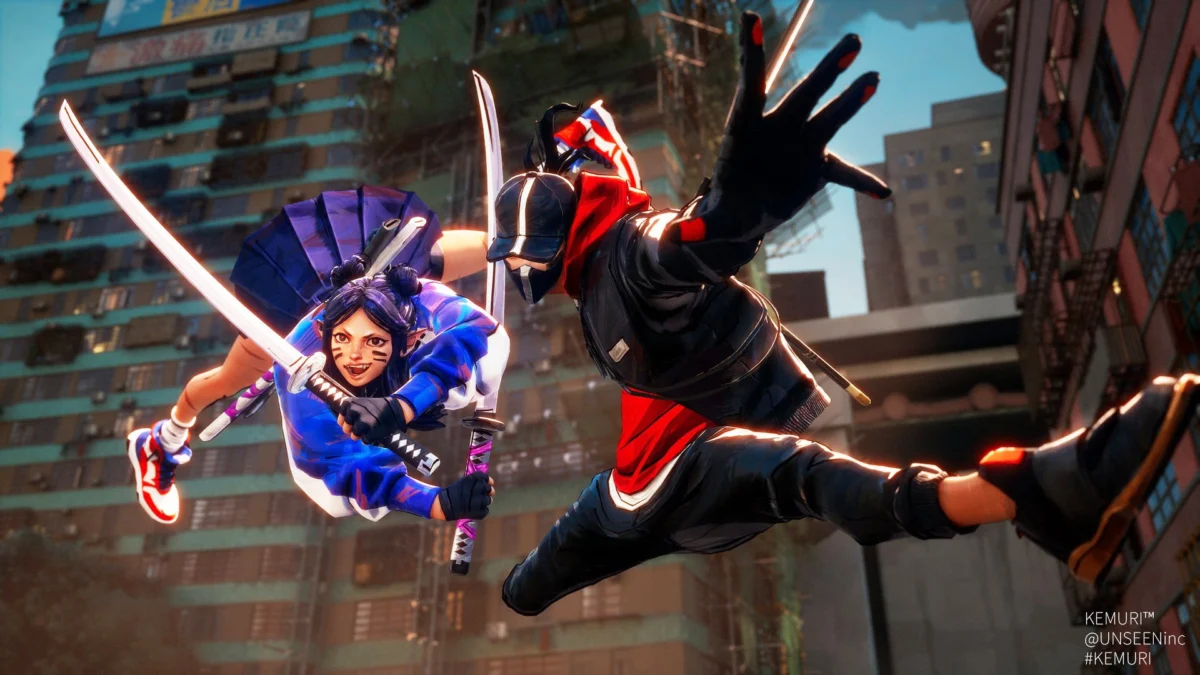
The gaming industry has been buzzing with anticipation since the initial announcement of Kemuri, the debut title from Unseen Inc., the studio founded by the visionary developer Ikumi Nakamura. Known for her infectious enthusiasm and her indelible mark on projects like Ghostwire: Tokyo and The Evil Within, Nakamura has finally pulled back the curtain, offering a substantial look at the project that has been shrouded in mystery since 2023.
With a confirmed release window of 2027 for both PlayStation 5 and PC, Kemuri promises to be a kinetic, vertical, and deeply atmospheric action game that pushes the boundaries of how players interact with urban environments and supernatural folklore.
Main Facts: A New Kind of Supernatural Action
At its core, Kemuri is a third-person action game set within a "sprawling vertical city." Players step into the role of an agile yokai hunter, utilizing fluid movement mechanics to navigate a world that feels as much like a playground as it does a hunting ground. Unlike the more methodical, first-person exploration seen in Nakamura’s previous works, Kemuri leans heavily into high-speed traversal, parkour, and intense, rhythmic combat.
The game’s most striking mechanic is the "foxwindow." By forming a gesture with their fingers, players can peer into the veil between worlds, revealing hidden supernatural entities—yokai—that blend into the mundane architecture of the city. These beings range from traditional Japanese folklore spirits to terrifying, original behemoths, such as a colossal, skeletal entity that towers over the cityscape. Once identified, players can engage these spirits in combat, eventually turning them into "Possession Apparel," a core system that governs playstyles—currently categorized into fisticuffs, archery, and magic—and likely serves as the game’s class and progression framework.
Chronology of Development
The journey toward Kemuri began in earnest following Nakamura’s departure from Tango Gameworks. Her exit, while abrupt, allowed her to establish Unseen Inc., a studio explicitly designed to foster creative freedom and global collaboration.
- 2023 Announcement: The gaming world first caught wind of the project via a teaser that emphasized movement, urban exploration, and the central concept of hunting yokai in a vertical setting.
- The Development Interim: Throughout 2024 and 2025, Unseen Inc. remained relatively quiet, focusing on internal development and refining the "foxwindow" mechanics.
- 2026 Gameplay Reveal: Following a feature on the official PlayStation Blog, the first comprehensive gameplay trailer was released, showcasing the fluid animation, the scale of the city, and the cooperative potential of the title.
- 2027 Projection: The studio has formally committed to a 2027 release window, signaling that the project is now firmly in the production and polish phase.
Supporting Data: The Mechanics of Co-op and Solo Play
While the immediate visual appeal of Kemuri lies in its traversal, the technical ambition lies in its networking. The game offers a traditional three-player cooperative mode, but it is the "nebulous" online integration during solo play that has captured the attention of industry analysts.
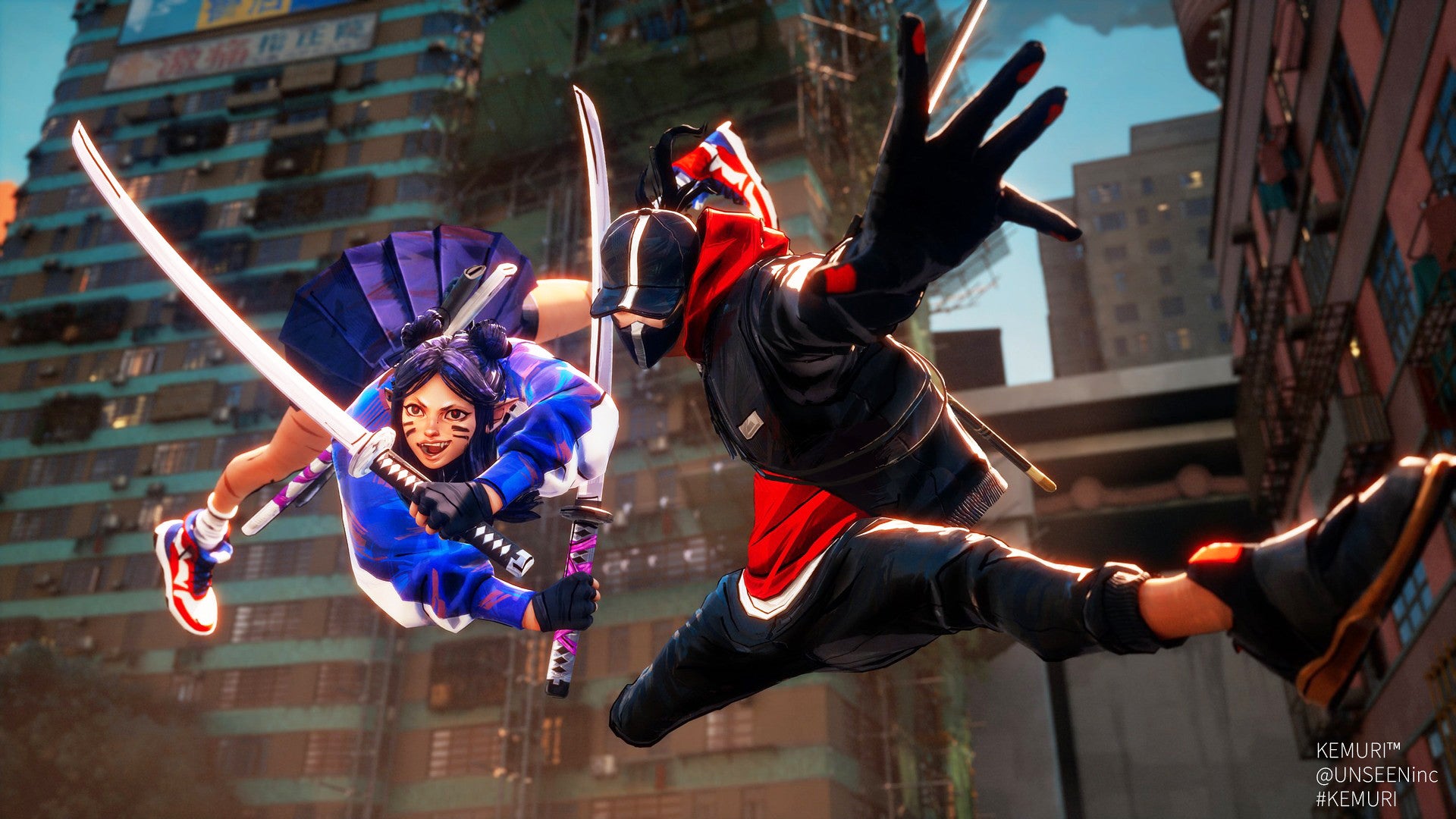
Nakamura has described a system where, even when playing alone, the player is "never truly alone." This implies a persistent world where the influence of other hunters or the presence of yokai-related anomalies can be felt, echoing the asynchronous multiplayer elements found in titles like Elden Ring or Death Stranding.
The cooperative gameplay is equally unique. Rather than simply having three players fighting identical enemies, the design emphasizes a synergistic ritual:
- Discovery: One player acts as the scout, using the foxwindow to reveal the threat.
- Guidance: A second player manages the flow of the battle, potentially directing the enemy’s attention or setting up traps.
- The Final Blow: A third player delivers the decisive strike to neutralize the yokai.
Furthermore, Nakamura has teased a "spooky discrepancy" mechanic. When players enter a co-op session, they may see the world slightly differently from their partners, suggesting that the "truth" of the environment is subjective—a narrative device that could lead to emergent storytelling and high replayability.
Official Responses: Nakamura’s Vision for Unseen
In her recent communication via the PlayStation Blog, Nakamura emphasized that Kemuri is an attempt to bridge the gap between human curiosity and the unknown. "Even when looking at the same world, each player may see it just a little differently," she remarked, highlighting that the game is designed to provoke conversation and wonder.
The studio has been vocal about the importance of the city as a character. By blending the aesthetic of a modern, lived-in metropolis with the grotesque and ethereal designs of Japanese mythology, Unseen Inc. aims to create a setting that feels both familiar and fundamentally alien. The development team has leaned into the concept of "verticality" to force players to think about movement in three dimensions, rather than simply moving from point A to point B on a flat plane.
Implications for the Industry
The decision to launch Kemuri on both PlayStation 5 and PC simultaneously is a significant indicator of Unseen Inc.’s strategy. As major publishers continue to navigate the complexities of console exclusivity, a day-one PC launch provides a wider reach and signals a commitment to accessibility that often benefits indie-led, high-budget productions.

The game also represents a potential evolution in the "action-adventure" genre. By moving away from the "clones" model of co-op (where every player is a hero) and toward a "ritual" model (where roles are distinct and interdependent), Kemuri could set a new standard for how multiplayer games encourage teamwork.
Comparisons and Expectations
Comparisons to Gravity Rush have already begun to circulate among the community, primarily due to the emphasis on gravity-defying movement and the dreamlike quality of the world. If Unseen Inc. can successfully implement a robust freefall or traversal system that feels as satisfying as the game’s combat, Kemuri stands to become a cult classic.
As we look toward 2027, the stakes for Ikumi Nakamura and her team are high. They are not merely building a game; they are building a brand that prizes the "unseen"—the hidden, the strange, and the ephemeral. If Kemuri can capture the chaotic, beautiful energy of the gameplay trailer while delivering a narrative that justifies its mysterious cooperative systems, it will likely be one of the most significant releases of its year.
For now, fans of the supernatural, enthusiasts of high-speed action, and those who have followed Nakamura’s career with bated breath have plenty to analyze. The foxwindow is open, and for the first time, we have a clear look at what awaits us in the vertical depths of Kemuri.












No comments yet. Be the first to join the conversation!