Pevita Pearce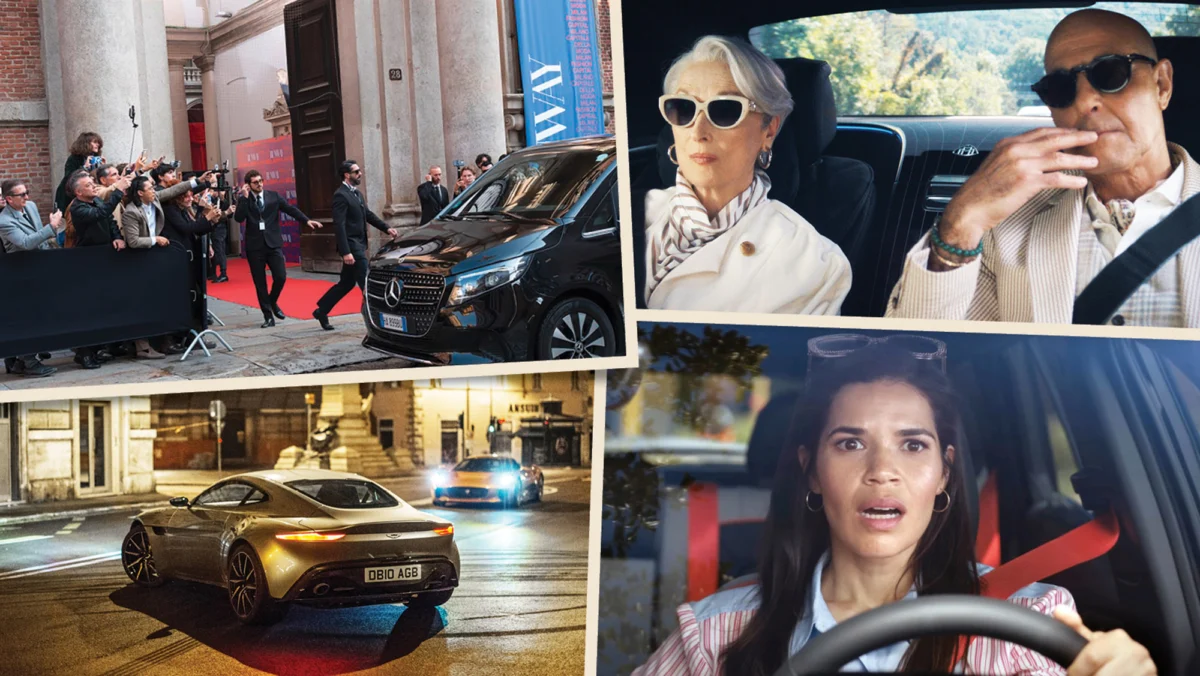
When the formidable Miranda Priestly, the fictional editrix of Runway in the highly anticipated The Devil Wears Prada 2, glides toward the entrance of a high-stakes gala, she doesn’t just arrive; she makes an entrance. The vehicle responsible for this cinematic arrival is a $300,000 Mercedes-Maybach S-Class. For the casual viewer, it is a display of opulence consistent with the character’s "Wintourian" status. For the automotive industry, however, it is a masterclass in strategic synchronization.
This placement is no accident. It is the result of a meticulously negotiated promotional campaign between Disney, the film’s studio, and Mercedes-Benz. As the lines between entertainment and advertising blur, the car has become more than a prop—it is a central character in the modern Hollywood ecosystem.
The Strategic Alignment: Why Luxury Brands Go to the Movies
"We knew it was the perfect fit," says Melody Lee, chief marketing officer at Mercedes-Benz. The logic behind the partnership is multifaceted. First, the return of the original cast for the sequel all but guaranteed a massive box office return—a promise fulfilled as the film soared past $400 million globally. Second, the release schedule was timed to coincide with the launch of Mercedes’ range-topping limousine.
However, the primary driver is demographic synergy. According to Lee, the audience that obsessed over the original film two decades ago has matured alongside the brand. "Those viewers have grown up and become our target customers," she explains. By anchoring the car to a beloved cultural touchstone, Mercedes isn’t just selling a luxury vehicle; it is selling an aspiration to a generation that now has the capital to fulfill it.
Chronology of a Collaboration: From Script to Screen
The era of "tacked-on" product placement—where a logo is awkwardly centered in a frame for a split second—is fading. Today’s automotive partnerships are characterized by long-lead integration. Ideally, the conversation begins before the screenplay is finalized.
"Cars aren’t just background," says Ty Ervin, vice president of marketing partnerships, creative and product placement at Disney. "They tell us just as much about a character as their costume and environment."
When integration begins early, the vehicle becomes an organic extension of the narrative. This allows the partnership to transcend the 90-minute runtime of a movie. In the case of The Devil Wears Prada 2, the collaboration extended into extensive ad campaigns that blurred the lines between the film’s promotional tour and the vehicle’s marketing launch. The goal, as Lee notes, was to elevate the film’s profile while helping the vehicle become a "cultural moment."
Historical Context: The Gold Standard of Bond
While current partnerships are sophisticated, the blueprint for automotive placement was written by the world’s most famous secret agent. For decades, James Bond has served as the ultimate canvas for automotive innovation.
Alessandro Usielli, head of Ford global brand entertainment, notes that the franchise has consistently acted as a runway for new models. From Aston Martin and Jaguar to Land Rover and Ford, the Bond universe provides a unique platform to introduce high-performance machines to a global audience. These placements do more than sell cars; they associate the brand with the attributes of the spy himself: sophistication, reliability under pressure, and effortless cool.
Beyond the Showroom: Innovation and Animation
The strategy is evolving to include vehicles that are not yet available for purchase or that exist only in the digital realm. In the 2019 Star Wars spinoff, The Rise of Skywalker, Porsche collaborated with Lucasfilm to design a starship, proving that the brand’s "DNA" could be applied to science fiction concepts.
Similarly, in the 2025 film F1, Mercedes-Benz took its role a step further by becoming an in-film sponsor for Brad Pitt’s fictional Apex racing team, providing a full fleet of vehicles. Perhaps most surprisingly, the brand has even integrated its models into the hit animated feature GOAT.
"You wouldn’t think Mercedes-Benz would be in an animated movie," admits Lee, "but it’s part of our strategy to reach the next generation." By embedding their brand in the media consumed by younger viewers, automakers are playing the long game, planting the seeds of brand affinity years before those viewers enter the car-buying market.
The Data: Does It Actually Work?
For all the creative flair, the justification for these partnerships remains strictly empirical. The return on investment (ROI) is measured in search volume, brand affinity, and, ultimately, unit sales.
According to research cited by Mercedes, the impact is tangible: three-quarters of viewers admitted to searching for a brand after seeing it onscreen, and more than half proceeded to make a purchase from that brand. These figures are vital in an era where traditional advertising methods—like television commercials—are increasingly bypassed by cord-cutters and ad-blockers.
"Product placement is unskippable, unblockable, and lives on in long-tail streaming," says Sarah Schrode, formerly the head of entertainment marketing for General Motors.
The "Barbie" Effect: Building an Ecosystem
The 2023 blockbuster Barbie serves as the gold standard for modern, holistic integration. General Motors worked closely with the production team to introduce the 2024 Blazer SS and Hummer EVs, driven by America Ferrera and Ryan Gosling, respectively. Crucially, they also leaned into nostalgia, providing a vintage pink Corvette for the titular character.
The results were unprecedented. Schrode notes that the partnership saw ten times the engagement on social media compared to any other post in the history of the company. This was not a one-off stunt; it was an "ecosystem" that included behind-the-scenes content, social media activations, and digital experiences that bridged the gap between the film’s world and the GM brand.
The Challenges of a Fragmented Landscape
Despite the success, the landscape is becoming increasingly difficult to navigate. Audience fragmentation, shorter attention spans, and lower theater attendance mean that simple placement is no longer sufficient.
"The bar is higher now," Schrode explains. "Many times, I’m looking for known IP or very innovative new IP." Because audiences have become more cynical toward blatant advertising, the integration must feel authentic. If a character’s choice of vehicle feels forced, the brand risks alienating the viewer rather than attracting them.
Implications for the Future
As the industry moves forward, the relationship between Hollywood and the automotive sector will likely deepen. Automakers are no longer just vendors providing props; they are becoming creative partners. We are likely to see more "co-branded" content where the studio and the car manufacturer share the cost and the creative direction of a campaign, essentially creating a hybrid of entertainment and advertising.
Furthermore, as electric vehicle (EV) adoption grows, automakers are using films to normalize new technologies. By placing EVs in the hands of "cool" characters, studios are helping to dismantle range anxiety and other barriers to entry.
In conclusion, the marriage of high-octane cinema and high-performance engineering is a symbiotic relationship that shows no signs of slowing down. As long as audiences crave the escapism of the silver screen, brands will be there, waiting in the driver’s seat. For the studio, it’s a way to offset production costs and add a layer of realism to their stories. For the automaker, it is the most effective way to cut through the noise of the digital age and secure a permanent place in the cultural zeitgeist.
Whether it is a spy car, a family SUV, or a luxury limo, the vehicles of tomorrow are being built in the script-rooms of today. The next time you find yourself captivated by a scene in a blockbuster, take a closer look at the car in the frame. You aren’t just watching a movie; you are participating in a multi-million dollar strategy designed to ensure that the next time you look for a new car, you’ll know exactly which brand to choose.


 Nana Wu
 Evan Lee Salim