

By [Your Name/Journalist]
May 24, 2026
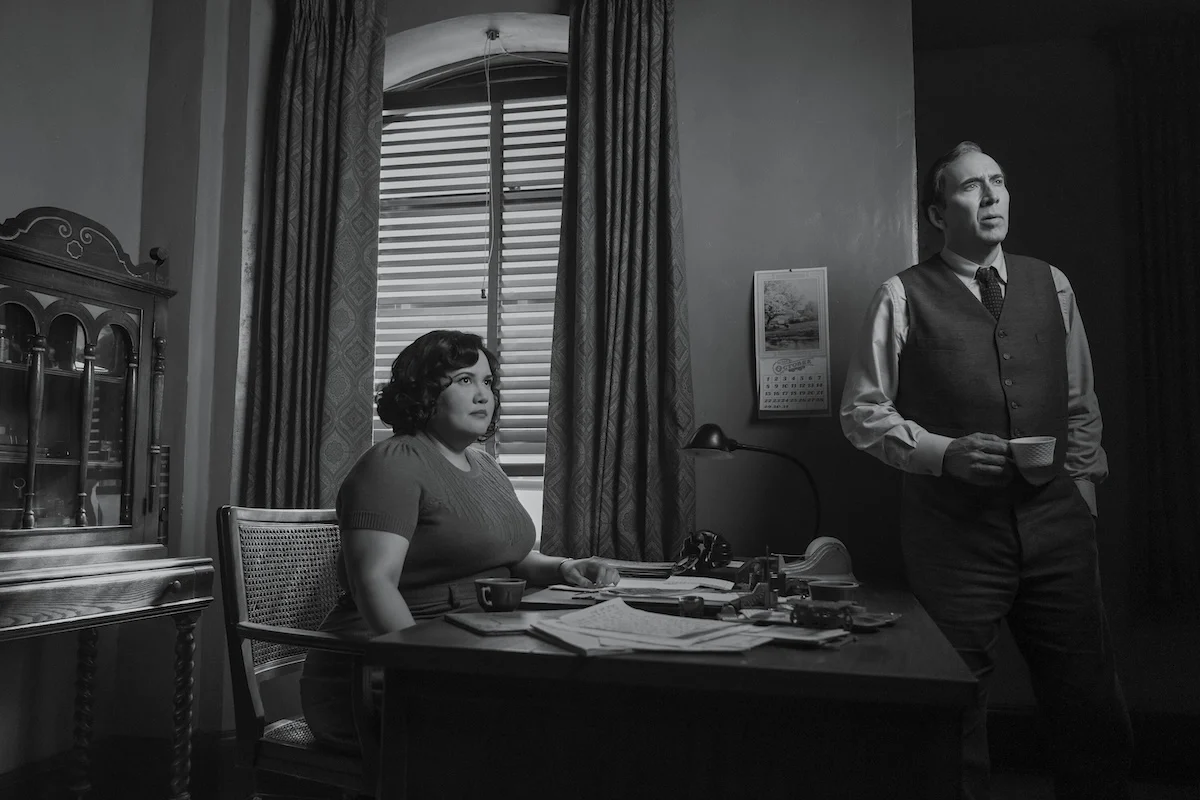
As the highly anticipated premiere of Spider-Noir approaches, a unique creative choice has sparked a debate among both comic book purists and cinephiles. The series, which stars Nicolas Cage as the gritty, fedora-wearing Ben Reilly, arrives with a dual-streaming mandate: audiences can consume the show in either high-contrast black and white or vibrant, saturated technicolor. This isn’t merely a post-production filter application; it is a fundamental stylistic decision that invites viewers to engage with the medium of storytelling itself.
The Core Conflict: A Genre-Bending Experiment
At its heart, Spider-Noir is a collision of worlds. It takes the familiar DNA of Marvel’s web-slinging hero—super-strength, electrical-powered adversaries, and high-flying acrobatics—and grafts it onto the skeletal structure of 1940s film noir. The term "film noir," coined by French critics to describe the shadow-drenched crime dramas of mid-century Hollywood, finds a spiritual successor in the rain-slicked streets of this series.
The aesthetic influence is undeniable. From the trailers alone, it is clear that showrunners Oren Uziel and Steve Lightfoot have looked back to the foundational texts of the genre. When Ben Reilly steps into the frame, he evokes the silhouette of Humphrey Bogart or Glenn Ford. His villains are not the spandex-clad megalomaniacs of the modern MCU, but rather men in period-accurate suits and flat caps, reminiscent of the menacing figures portrayed by Sidney Greenstreet or Richard Widmark.
A Chronology of Grayscale: From Theaters to Streaming
To understand the weight of this choice, one must look at the history of "Black and White" versions of modern films. The trend has gained significant traction in the last decade.
- 2015: George Miller’s Mad Max: Fury Road introduced the "Black & Chrome" edition. While visually arresting, it was clear that the film’s vibrant desert palette was its primary language. The grayscale was a stylistic "remix."
- 2023: Takashi Yamazaki’s Godzilla Minus One arrived in theaters with a subsequent "Minus Color" version. Again, while the black and white added a somber, documentary-like quality to the horror, the blocking and lighting were inherently designed for color.
- 2026: Spider-Noir represents a paradigm shift. Unlike its predecessors, which treated monochrome as an afterthought or a "cover song," Spider-Noir was built from the ground up to support both formats.
The Visual Architecture: Why Black and White Works
The most compelling argument for watching Spider-Noir in black and white lies in its cinematography. The series is heavily reliant on the "Chiaroscuro" lighting technique—a hallmark of classic noir that emphasizes extreme contrasts between light and dark.
Directors on the project have utilized Dutch angles and heavy shadow play that feel ripped directly from the works of Fritz Lang and Robert Siodmak. In these instances, color would actually serve as a distraction. By stripping away the palette, the viewer is forced to focus on the geometry of the scenes, the sharp lines of the fedoras, and the menacing pools of shadow where the "Spider" hides. The grayscale version isn’t just an aesthetic preference; it is the version that aligns most perfectly with the show’s hard-boiled internal monologue. It emphasizes the moral ambiguity of a world where justice is rarely black and white, even if the screen is.
The Case for Technicolor: An Unconventional Counterpoint
However, dismissing the color version would be a mistake. The creative team has made a bold choice in how they treat the color grade. Rather than opting for the desaturated, muted tones common in contemporary "gritty" television, Spider-Noir embraces an oversaturated, almost surreal technicolor aesthetic.
This choice is a direct nod to the vivid, heightened realities of 1950s color cinema, such as the works of Alfred Hitchcock or Douglas Sirk. The color version feels like a pulp comic book brought to life—the blood is brighter, the neon signs hum with an unnatural intensity, and the Spider-suit’s textures pop against the urban backdrop. If the black and white version is a somber detective novel, the color version is a fever dream. It is a visually distinct experience that challenges the notion that "noir" must always be dark in hue.
Official Perspectives and Production Insight
While the production team has remained tight-lipped regarding which version is the "definitive" one, the deliberate nature of the dual-format release is a testament to their confidence. By providing both, MGM+ and Prime Video are handing the authorship of the viewing experience over to the audience.
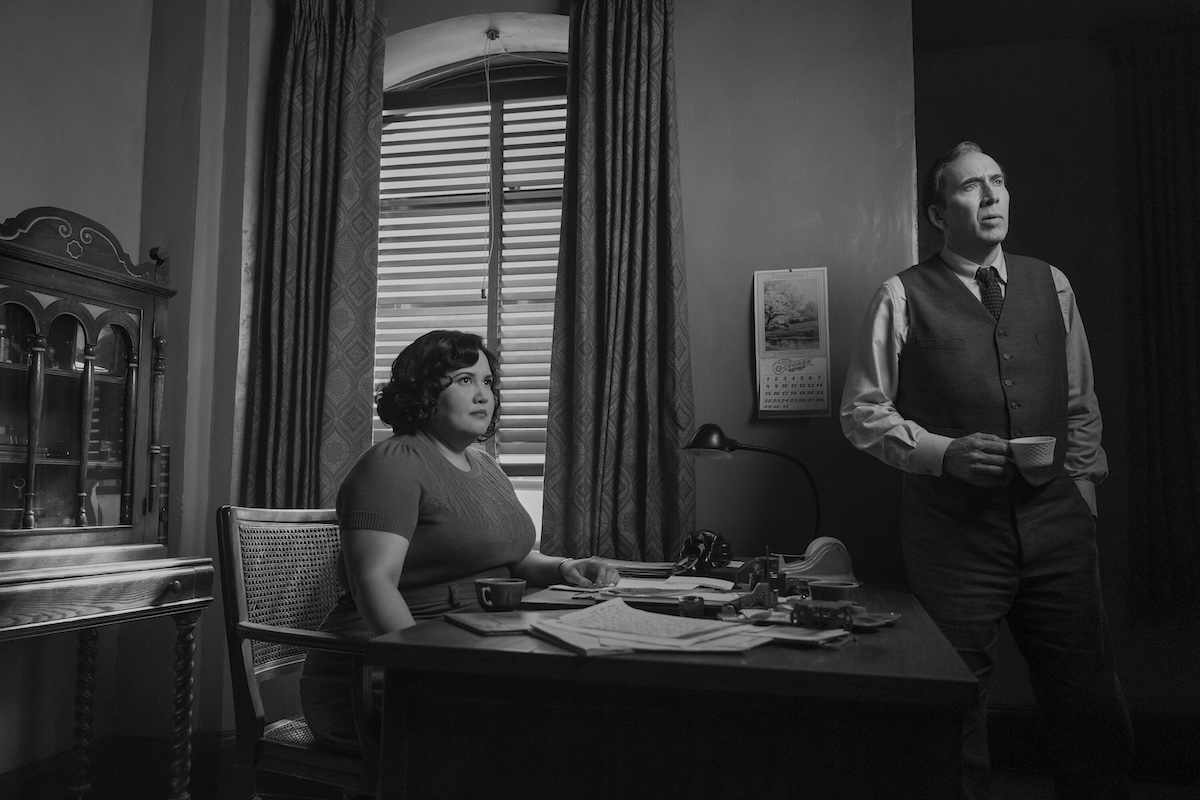
"We wanted to honor the history of the genre while acknowledging the source material," a spokesperson for the production hinted during early press junkets. The inclusion of black and white opening titles, regardless of the chosen stream, suggests that the creators view the monochrome aesthetic as the "true" heartbeat of the story, with the color version serving as a stylized, secondary interpretation.
Implications for Future Television
The success or failure of Spider-Noir’s dual-format release could have massive implications for the future of streaming. We are currently in an era where "content" is often treated as a uniform product, optimized for the lowest common denominator of screen quality. Spider-Noir pushes back against this by demanding that the viewer make a conscious choice about their engagement.
If audiences embrace the monochrome version, it could signal a return to more experimental cinematography in television. It validates the idea that viewers are not just passive consumers, but participants in the artistic process. It raises the bar for production design, forcing creators to ensure that their framing and lighting hold up under the scrutiny of multiple formats.
Conclusion: The Verdict on Your Viewing Experience
Should you watch Spider-Noir in black and white or color?
If you are a fan of the classic "hard-boiled" detective genre, or if you appreciate the artistry of shadows and composition, the black and white version is undoubtedly the superior choice. It leans into the thematic weight of the narrative and offers a cohesive, timeless experience that feels like a long-lost classic from the golden age of cinema.
However, do not ignore the color version. For those who want a more vibrant, comic-book-inspired aesthetic that feels like a modern reinterpretation of the pulp roots of the Spider-Man character, the technicolor stream offers a unique visual flair that is unlike anything else on television.
The beauty of this release is that you are not locked into your choice. Unlike the tragic heroes of the noir films that inspired this series, you aren’t doomed by your decisions. If the shadows of the monochrome version feel too oppressive, or the saturation of the color version feels too loud, a simple click allows you to shift the perspective.
Spider-Noir is a masterclass in visual storytelling, regardless of the spectrum you choose. It is a show about a man struggling to find light in a dark world, and in this case, the way you choose to illuminate that world is entirely up to you.
Release Details:
Spider-Noir begins streaming on MGM+ starting May 25, 2026, followed by a release on Prime Video on May 27, 2026. Viewers are encouraged to experiment with both formats to discover their preferred tone for the series.











No comments yet. Be the first to join the conversation!