Basiran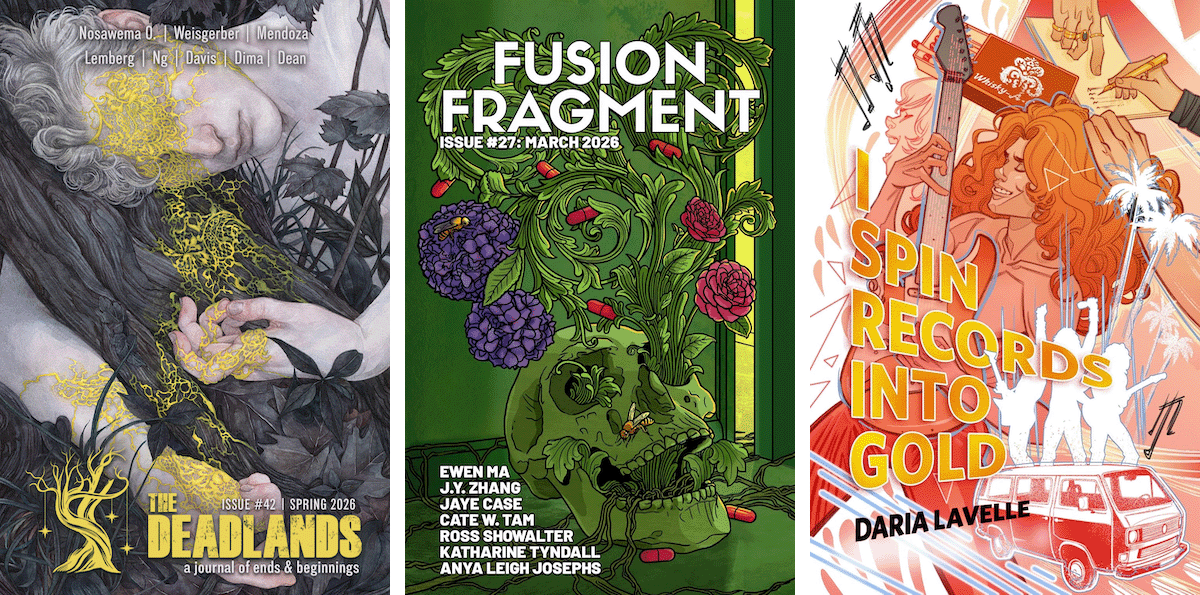
The landscape of short-form speculative fiction—encompassing science fiction, fantasy, and horror—is currently undergoing a period of intense, introspective evolution. As technology accelerates and social structures face unprecedented pressure, writers are increasingly turning to the short story format to dissect the "gooey guts" of modern existence. In April 2026, a diverse array of literary journals and online publications released a collection of works that not only challenge genre boundaries but serve as a mirror to our collective anxieties regarding labor, artificial intelligence, and the encroachment of digital systems into the intimate corners of our lives.
From the chilling implications of "bot-run" book clubs to the surreal, unsettling stillness of domestic spaces, this month’s reading list highlights a generation of writers committed to asking the difficult questions. Below is an exploration of the most significant narratives to emerge this April, examined through the lenses of their thematic depth and cultural resonance.
The Chronology of Contemporary Speculative Trends
April 2026 was marked by a consistent release schedule across major genre platforms, including Three-Lobed Burning Eye, Baffling, Fusion Fragment, Cast of Wonders, Diabolical Plots, Reactor, Flashpoint SF, Kaleidotrope, The Deadlands, and The Dark.
Early in the month, the discourse was dominated by the intersection of automated communication and personal identity. By mid-month, the focus shifted toward the structural critiques of power, particularly through the lens of political satire and environmental displacement. As the month drew to a close, the focus settled into the realm of the uncanny, with narratives that explore the psychological toll of capitalist structures and the inexplicable nature of our physical environments.
Thematic Analysis: Where AI Meets Human Fragility
The Perils of Automated Intimacy
One of the most pressing concerns reflected in this month’s literature is the degradation of authentic connection by AI. In "book club for bots" by Clay McLeod Chapman (Three-Lobed Burning Eye), the author deconstructs the rise of fraudulent, LLM-generated solicitation emails that have become a nuisance for professional authors. By humanizing the victim—a writer craving validation—Chapman exposes the hollow, parasitic nature of these automated interactions.
Similarly, Katharine Tyndall’s "Digital Love Spell – 78% Effective!" (Fusion Fragment) explores the "Torment Nexus" of modern dating. Tyndall posits a world where dating apps, already fraught with algorithmic manipulation, are further corrupted by AI incursion. The story acts as a cautionary tale: as we allow tech-driven solutions to mediate our most intimate desires, we risk losing the capacity for genuine, unscripted connection.
Power, Imperialism, and the Fantasy Allegory
Speculative fiction continues to be a potent vehicle for political critique. Tehnuka’s "Dear Search Committee" (Baffling) utilizes the tropes of high fantasy to deliver a biting commentary on the administrative violence of imperialism. By framing a royal succession as a corporate HR process, the story illuminates the absurdities of xenophobia and the relentless, often destructive, nature of resource extraction.
Environmental Displacement and Labor Exploitation
The physical world is not spared from these explorations. Meg Elison’s "Rara Avis" (Kaleidotrope) presents a world where the apex predators of the past, pterosaurs, coexist with humans. The narrative avoids easy solutions, instead focusing on the moral complexity of habitat encroachment. It forces the reader to confront a world that is broken but not yet beyond the capacity for individual stewardship.
Equally compelling is Marvin Garbeh Davis, Sr.’s "What the Trees Took Back" (The Deadlands). Set on a rubber plantation, the story serves as a visceral metaphor for the lack of ethical consumption under global capitalism. The "rows of trees that aren’t trees" provide a haunting image of how the human cost of industry is literally inscribed into the landscape.
Supporting Data: The Shift in Short-Form Consumption
The popularity of these stories reflects a broader trend in digital readership. Short-form fiction is experiencing a renaissance as readers seek "bite-sized" intellectual engagement that fits into the fragmented nature of modern schedules.
| Story Title | Publication | Primary Theme |
|---|---|---|
| "book club for bots" | Three-Lobed Burning Eye | AI Exploitation |
| "Dear Search Committee" | Baffling | Imperialism/Governance |
| "Digital Love Spell" | Fusion Fragment | Algorithmic Romance |
| "The Girl Detective" | Cast of Wonders | Memory & Nostalgia |
| "The House Knows" | Diabolical Plots | Domestic Uncanny |
| "I Spin Records Into Gold" | Reactor | Faustian Bargains |
| "Raja" | Flashpoint SF | Labor Ethics |
| "Rara Avis" | Kaleidotrope | Environmental Coexistence |
| "What the Trees Took Back" | The Deadlands | Capitalist Critique |
| "Windows" | The Dark | Psychological Horror |
Implications for Future Narrative Development
The narratives published in April 2026 indicate a departure from the "solution-oriented" science fiction of the past. There is a palpable shift toward documenting the "grind" of the present. These stories do not necessarily offer a path to a utopia; rather, they serve as diagnostic tools, helping readers articulate the discomforts of the current technological and economic status quo.
For writers, the implication is clear: the most relevant stories of the next decade will likely be those that focus on the "gooey guts" of the human experience. Whether it is through the lens of a ghost story set in a Nigerian neighborhood ("Windows" by Ibrahim Ojedokun) or a generational look at childhood nostalgia ("The Girl Detective" by Nadia Radovich), the common thread is the search for meaning in an increasingly opaque, automated, and corporatized world.
Conclusion: The Necessity of Speculative Fiction
As we navigate the mid-2020s, the role of the speculative author has expanded. They are no longer merely entertainers or architects of distant futures; they are social critics who use the tools of the fantastic to illuminate the immediate crises of the present.
The stories of April 2026—whether they make us laugh at the absurdity of our own exploitation, weep for the loss of a childhood friend, or shudder at the thought of a house that refuses to move—provide us with a vital service. They remind us that while the systems surrounding us may be designed to strip away our autonomy and silence our individual voices, the act of storytelling remains a fundamentally human rebellion.
Whether you are a casual reader or a dedicated enthusiast of the genre, these ten stories offer a profound look at where we are—and, perhaps more importantly, they offer a mirror to the questions we must continue to ask of our technology, our politics, and ourselves. In a world that is increasingly digitized and detached, these narratives serve as the human, messy, and essential pulse of our culture.

 Lina Irawan
 Suro Senen