

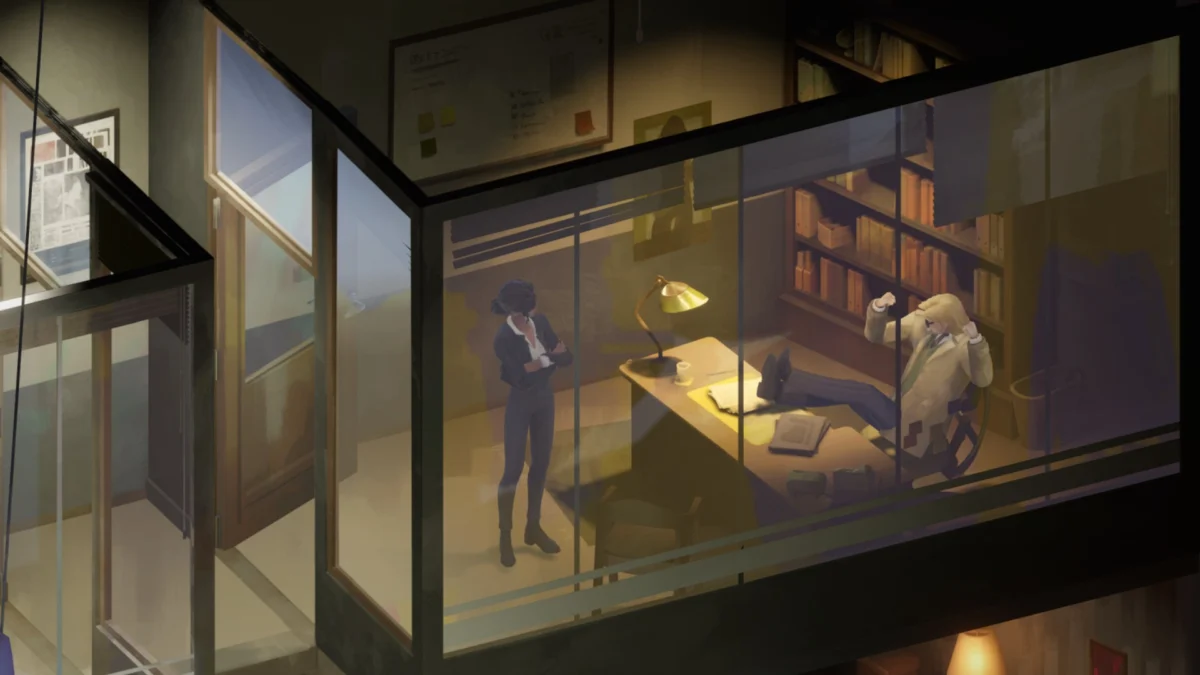
In the landscape of modern narrative-driven RPGs, few titles have cast as long a shadow as Disco Elysium. Since its 2019 debut, the game has become more than just a critical darling; it has become a genre unto itself—a benchmark for systemic dialogue, political texture, and the art of the "failure state."
However, the legacy of its creator, ZA/UM, has been marred by a well-documented implosion, involving the ousting of key creative talent and a series of high-profile legal and corporate disputes. Amidst this backdrop of industry turmoil, a new wave of studios has emerged, populated by veterans of the original project, all vying to capture the lightning that made Disco Elysium a generational phenomenon. The latest entrant in this competitive field is Longdue, the studio behind the upcoming RPG Hopetown, which recently released a new gameplay teaser amidst the release of ZA/UM’s own Zero Parades.
The Context: A Market Saturated by Spiritual Successors
The release of Zero Parades on May 21st, 2024, served as a flashpoint for the Disco community. As the remaining factions of the original development environment push forward, the industry finds itself in an awkward period of "spiritual succession."
Longdue’s decision to drop a new teaser for Hopetown on the exact day of Zero Parades’ launch was a calculated move. It signals a shift in the competitive landscape: the battle for the Disco Elysium audience is no longer just about who made the original, but who can best iterate on its mechanics while carving out a distinct identity. Hopetown is positioning itself as a "journalistic RPG," a sub-genre that promises to marry the deep, text-heavy interrogation mechanics of its inspiration with the high-stakes profession of investigative journalism.
Chronology of a Fractured Legacy
To understand why Hopetown generates such intense scrutiny, one must look at the timeline of the "Great Disco Schism."
- 2019: Disco Elysium is released to near-universal acclaim, establishing a new gold standard for isometric, dialogue-based role-playing.
- 2021-2022: The internal culture at ZA/UM begins to fracture. Reports emerge of the forced exit of lead creative figures, including Robert Kurvitz and Aleksander Rostov, under contentious circumstances.
- 2023: The "Disco diaspora" begins. Several former developers scatter to form new, independent studios. This includes the formation of Summer Eternal and the arrival of Longdue.
- 2024: Longdue solidifies its team, with former ZA/UM writer Olga Moskvina joining the studio. Simultaneously, ZA/UM releases Zero Parades, attempting to maintain the brand’s relevance without its original core team.
This chronology is essential to understanding the atmosphere surrounding Hopetown. The project is not being built in a vacuum; it is being built in the shadow of a divorce, where every new hire—such as the recent recruitment of Moskvina—is viewed as a tactical maneuver in a broader war for creative legitimacy.
The Narrative Architecture of Hopetown
At its core, Hopetown is a story of decay and systemic failure. Players take on the role of Zola, a journalist arriving in the desolate mining town of New Greenwich. The game’s premise is rooted in a post-catastrophic world: a global coronal mass ejection has effectively reverted the world’s infrastructure to a pre-digital state, frying all global communication and electronics.
The plot thickens with the disappearance of local miners and rumors surrounding "Quicksilver," a precious, volatile resource that represents the world’s only hope for technological reconnection. As Zola, the player must choose their methodology: will you be a cold-blooded columnist, a sensationalist, or a gonzo-style truth-seeker?
The gameplay mechanics appear to revolve around the synthesis of information. Players must document their findings, examine visual evidence, and conduct intense interviews. Unlike a traditional detective game where the goal is simply to "solve" a case, Hopetown tasks the player with "writing the article." This meta-layer—where the player’s final output determines how the town’s history is recorded—is where Longdue hopes to find its unique voice.
Strengthening the Pedigree: The Olga Moskvina Factor
The most significant recent development for Longdue is the acquisition of Olga Moskvina, a writer whose pedigree with Disco Elysium provides the project with immediate, tangible credibility. Moskvina’s move is particularly noteworthy given her previous involvement with Summer Eternal, another worker-owned collective composed of former ZA/UM developers.
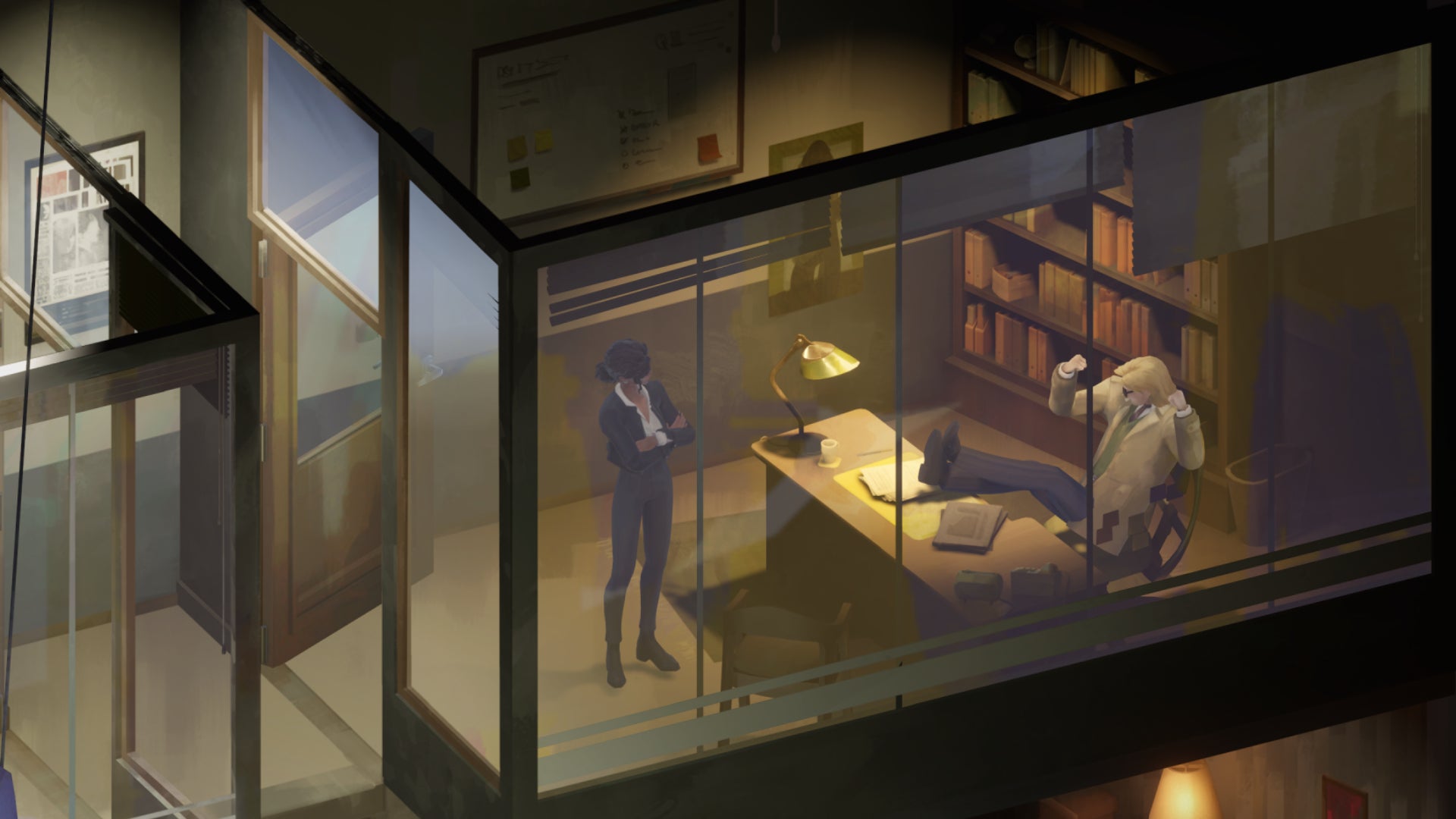
By securing Moskvina, alongside Shadows of Doubt writer Stark Holborn, Longdue is signaling that they are not merely "imitators." They are aiming for the same level of literary depth and structural complexity that defined the original Disco.
Martin Luiga, who transitioned into the role of narrative lead at Longdue last year, expressed the strategic importance of this hire: "Her proficiencies as both a writer and editor are likely to get us to a level of polish befitting our audience, as evidenced by her undeniable contributions to Disco Elysium."
For an audience weary of empty promises and the "spiritual successor" label, this focus on hiring proven talent is a necessary step. It shifts the conversation from marketing buzzwords to the actual labor of narrative design.
Official Responses and Studio Philosophy
The discourse coming from Longdue is one of cautious, measured confidence. Unlike the volatile public relations battles that characterized the end of the ZA/UM era, Longdue has maintained a steady, if quiet, development cycle.
When asked about the "Disco-like" label that inevitably follows their promotional material, the studio representatives tend to frame it as a starting point rather than a destination. The goal, they argue, is to refine the "journalistic" side of the RPG experience. If Disco Elysium was about the internal psyche of a failed detective, Hopetown aims to be about the external impact of the media and the power of the written word in a crumbling society.
However, the pressure remains high. The studio is aware that they are being measured against a giant. The inclusion of "Words Are Your Weapons" in their trailer title is a direct nod to the combat-less, dialogue-heavy nature of the genre, but it also invites the question: is it enough to simply mimic the systems of the past?
Implications: The Future of the "Disco-like" Genre
As we look toward the future of Hopetown, several implications for the industry become clear:
- The Rise of the "Niche-Genre" Studio: We are seeing a move away from massive, multi-year AAA production cycles toward smaller, more focused studios that double down on specific sub-genres. The "journalistic RPG" could become a staple if Hopetown succeeds.
- The Premium on Narrative Talent: The industry is witnessing a "brain drain" from the original ZA/UM, where individual writers and artists have become the most valuable assets in the market. The movement of staff between these new studios suggests that the future of these games will be decided by the creative leads, not the brand names.
- The "Wishlist" Economy: The reliance on crowdfunding and Steam wishlisting reflects a shift in how games are validated. Hopetown is currently a "wishlistable" title, meaning its success depends on maintaining the interest of a highly skeptical, highly analytical core fanbase.
Conclusion: Will Hopetown Find Its Own Voice?
Hopetown remains an intriguing, albeit unproven, entity. The gameplay snippets provided by the latest teaser suggest a game that is aesthetically and mechanically comfortable in its skin, borrowing the painterly, melancholic visuals that players associate with the genre.
Yet, the true test for Longdue will be the depth of their systems. Can they make the process of drafting an article feel as consequential as solving a murder in Revachol? Will the political and social commentary feel fresh, or will it feel like a retread of the themes we have already seen?
As the Disco diaspora continues to churn out new projects, the audience is becoming increasingly discerning. The "Disco-like" label is a double-edged sword: it guarantees immediate attention, but it also mandates an impossible standard of quality. Longdue has the talent, the narrative premise, and the pedigree to make a mark. Whether Hopetown becomes a genuine successor or just another echo of a lost giant remains to be seen. For now, the world of New Greenwich waits—and the pen, as they say, remains mightier than the sword.









No comments yet. Be the first to join the conversation!