Nila Kartika Wati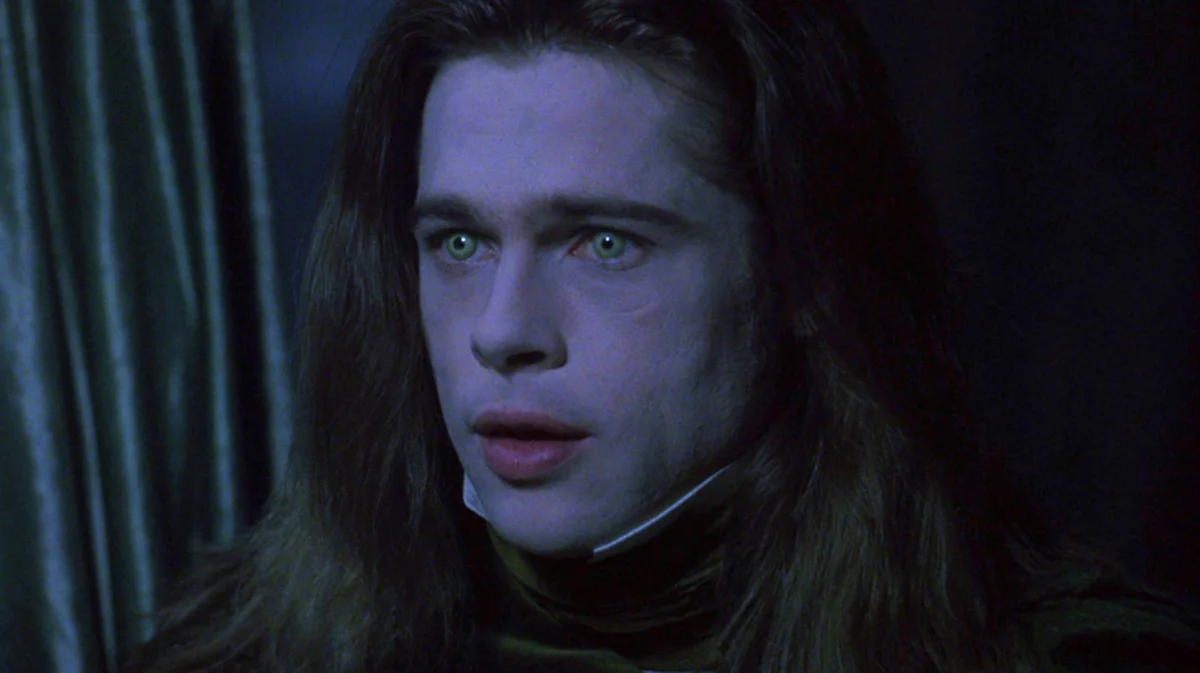
The mid-1990s represented a distinct cultural zenith for the disaffected and the darkly inclined. It was a time when the aesthetic of the "Goth" subculture permeated the mainstream—a period defined by the haunting melodies of The Cure, the surrealist cinematic visions of Tim Burton, and the visceral, comic-book melancholy of The Crow. Within this atmospheric landscape, the hunger for high-gothic literature was at an all-time high. Enter the 1994 cinematic adaptation of Anne Rice’s seminal novel, Interview with the Vampire. Directed by Neil Jordan, the film was a massive commercial juggernaut, yet its journey to the screen was paved with intense public anxiety, particularly from the author herself.
The Context: A Cultural Phenomenon in Flux
When Interview with the Vampire hit theaters, it did so during one of the most competitive years in cinematic history. The 1994 slate included behemoths like Pulp Fiction, The Lion King, Forrest Gump, and Speed. Despite this crowded field, Interview stood out as a sophisticated, blood-soaked period piece that defied the typical horror tropes of its era.
However, the path to the silver screen was fraught with controversy. Anne Rice, the architect of the modern vampire mythos, had been famously vocal about her distaste for the project’s development phase. The literary community and the legions of "Rice-heads" mirrored her skepticism, largely centering on the casting of Tom Cruise as the flamboyant, centuries-old aristocrat-vampire Lestat de Lioncourt. In the eyes of the purists, Cruise—a clean-cut, quintessential American movie star—lacked the ethereal, predatory decadence required to embody Rice’s most iconic creation.
Chronology of a Creative Rift
The history of the film’s production is a study in creative tension. Unlike many authors who are granted the luxury of executive producer titles or creative oversight, Rice was intentionally distanced from the development of the 1994 film.
- Pre-Production (1992-1993): As word of the adaptation spread, Rice’s public criticisms intensified. Her primary point of contention was the casting of Tom Cruise, which she famously described as "bizarre." Her vocal opposition created a PR challenge for Warner Bros., leading to a breakdown in communication between the studio and the author.
- The Silent Phase: During the filming, Rice remained an outsider. She was neither invited to set nor shown dailies. She later admitted that her public disparagement of the project had likely alienated the studio, resulting in her being shut out of the creative process entirely.
- The Private Screening (1994): The breakthrough occurred when producer David Geffen took the calculated risk of sending a VHS copy of the finished film to Rice. This was the moment of truth. Rice approached the tape with what she described as "a deep fear of being hurt, crushed, disappointed, destroyed by the finished work."
- The Public Pivot: Upon viewing the film, Rice’s stance underwent a total metamorphosis. She went from the project’s loudest critic to its most passionate champion, famously taking out full-page ads in major trade publications to voice her unequivocal support.
Supporting Data: The Anatomy of the Adaptation
What changed? To understand Rice’s sudden shift in perspective, one must look at her own detailed post-viewing analysis. Rice did not merely issue a polite press release; she authored an exhaustive, sprawling essay published on the "Children of Darkness" website.
In this document, Rice dissected the film with the precision of a scholar and the heart of a fangirl. She evaluated every layer of the production:
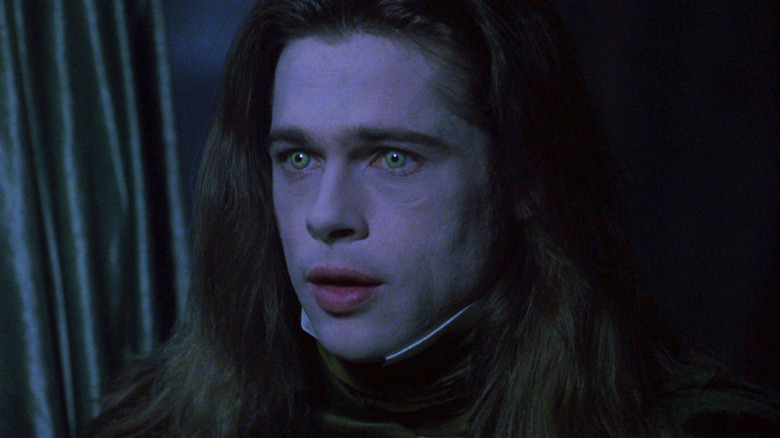
- The Acting: While she had dreaded Cruise’s casting, his performance effectively silenced her. She noted his "immense physical and moral presence," arguing that he successfully captured the duality of a character who is simultaneously beautiful and monstrous.
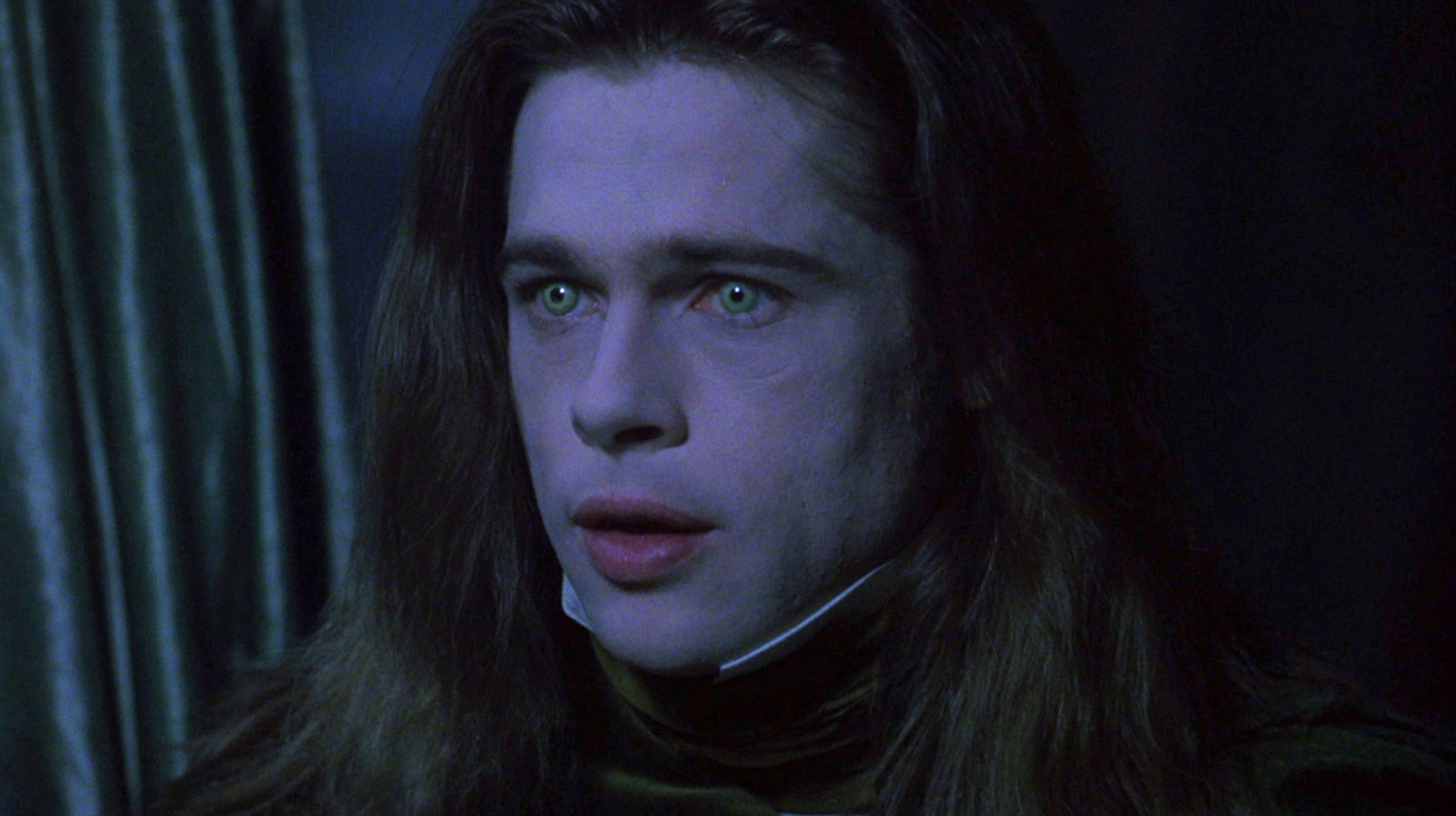
- Supporting Cast: Rice was effusive in her praise for Brad Pitt’s turn as the morose Louis de Pointe du Lac and Kirsten Dunst’s "flawless" performance as the eternally trapped child-vampire, Claudia. She also lauded the contributions of Antonio Banderas and Stephen Rea, viewing the ensemble as a perfectly orchestrated symphony of gothic despair.
- Production Design: Rice was particularly struck by the film’s visual fidelity to the source material’s atmosphere. She noted that the design captured the "fragile handmade luxury" of the 18th and 19th centuries, noting how the film’s aesthetic managed to convey the tactile filth of the era—"the mud on the hem of the garment."
Official Responses and the "Lestat" Paradox
Neil Jordan’s decision to cast Tom Cruise was, in retrospect, a stroke of meta-narrative genius. Jordan argued that the essence of Lestat was that of a star—someone who thrives on being watched and admired, even while hiding in the shadows. By casting the world’s biggest movie star to play a creature who must constantly curate his public image, Jordan found a way to translate the book’s thematic subtext into performance.
Rice’s response to this was a complete surrender to the artistic vision. "From the moment he appeared, Tom was Lestat for me," she wrote. This admission served as a powerful endorsement, not just of the film, but of the collaborative nature of filmmaking. It highlighted how a performance can transcend the preconceived notions of an author who has lived with a character for decades.
Implications: The Legacy of a Successful Adaptation
The successful reconciliation between Rice and the film adaptation set a new standard for how authors and studios manage intellectual property. It demonstrated that even when a creator is initially opposed to an interpretation, the final product—if crafted with enough care and artistic integrity—can win over the most ardent critic.
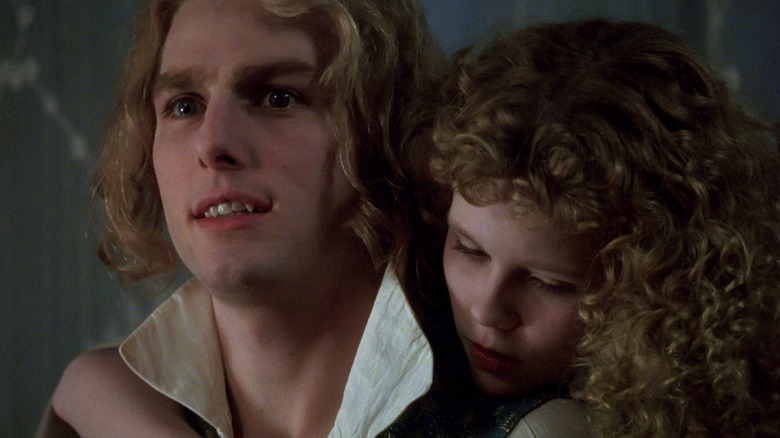
However, the "quibbles" Rice mentioned in her essay are just as important as her praise. She did not love everything; she questioned the messiness of the vampires’ feeding habits and pondered if the film’s sexualized nature might have been toned down to reach a younger audience. Yet, these criticisms were framed as minor notes within an overwhelming success.
Ultimately, the 1994 Interview with the Vampire remains a touchstone for gothic cinema. It proved that a high-budget studio film could retain the dark, philosophical, and "weird" sensibilities of a niche literary work. For Anne Rice, the experience was a lesson in the unpredictability of art. She went from fearing the film would destroy her legacy to embracing it as an "eccentric, extreme, and weird" triumph that cemented her vampires in the cultural consciousness for generations to come.
The story of Rice and the 1994 adaptation serves as a reminder that the boundary between a book and its adaptation is porous. When the right director and the right cast align, the result can be a piece of art that stands alongside the original text, not as a replacement, but as a hauntingly beautiful mirror of it.

 Jia Lissa
 Iffa Jayyana