Rifan Muazin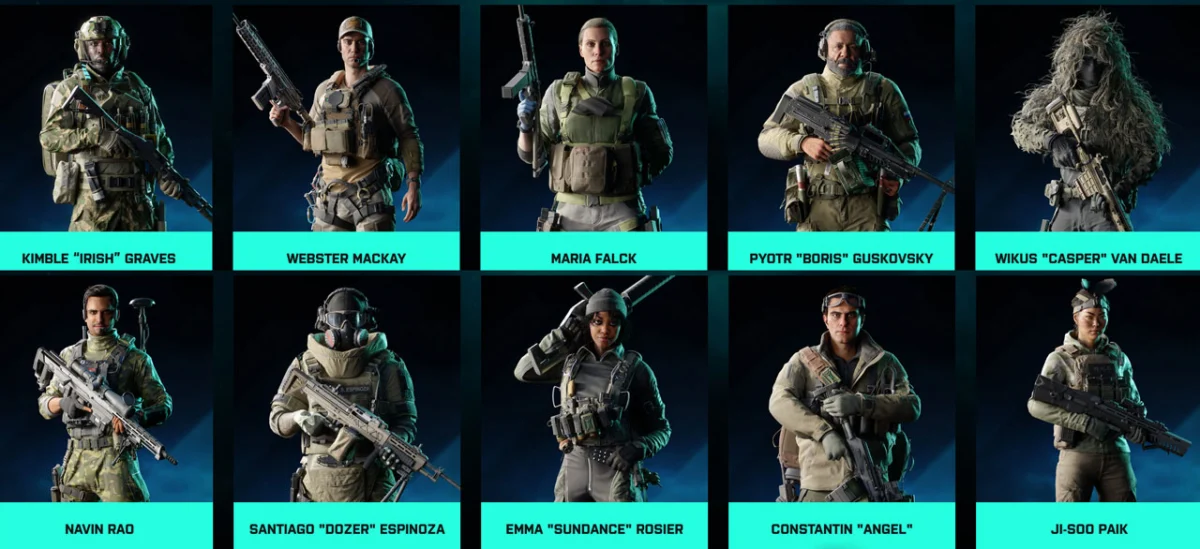
The gaming industry is currently witnessing a high-stakes pivot for one of its most storied franchises. Following the conclusion of the Battlefield 2042 open beta—a period marked by intense scrutiny, technical hiccups, and polarized player sentiment—developer EA/DICE has stepped into the spotlight to address the community’s concerns. As the November 19 launch date looms, the studio has published a comprehensive roadmap detailing how they intend to translate a "mountain of feedback" into a polished, definitive experience for the series’ loyal fanbase.
The Beta Experience: A Technical and Tactical Crucible
Earlier this month, EA and DICE opened the gates to the Battlefield 2042 beta, offering players a granular look at the game’s flagship 128-player battles on the expansive "Orbital" map in French Guiana. The beta served as both a stress test for the new Frostbite engine optimizations and a trial run for the game’s core gameplay loop, which includes large-scale team combat alongside smaller, more intimate squad-based tactical maneuvers.
For many players, the beta was a double-edged sword. While the sheer scale of the 128-player chaos delivered on the promise of "Battlefield-sized" warfare, the technical execution left much to be desired. Reports of frame rate instability, erratic UI behavior, and frustrating movement glitches dominated social media forums. However, DICE viewed these results as a vital, if somewhat chaotic, data-gathering exercise. By processing the telemetry and player sentiment collected during this window, the developers have formulated a strategic plan to address both the architectural and design-related shortcomings of the build.
The Specialist Controversy: Evolution or Identity Crisis?
Perhaps the most contentious element of the beta was the introduction of the "Specialist" system. For decades, the Battlefield series defined itself through rigid class structures—Assault, Medic, Support, and Recon—which enforced specific roles and encouraged a symbiotic team dynamic. In 2042, these roles have been supplanted by Specialists, unique characters with distinct traits and gadgets.
The Developer Perspective
DICE remains steadfast in its defense of the new system. In their recent briefing, the developers framed the transition to Specialists as a necessary evolution rather than a departure from the series’ DNA. They argue that the Specialist system provides a higher ceiling for player agency, allowing for more creative loadout combinations that go beyond the limitations of legacy classes.
The Community Divide
Conversely, the player base expressed significant concern that this change undermines the "teamwork synergy" that Battlefield is famous for. Critics argue that when everyone can carry any weapon, the strategic reliance on squad-mates diminishes, potentially turning the game into a more individualistic "run-and-gun" shooter.
To address this, DICE has unveiled the full roster of ten Specialists, effectively "putting all the cards on the table." The goal is to demonstrate that despite the increased flexibility, the core archetypes—Assault, Medic, Support, and Recon—remain deeply embedded in the design of these characters. By showcasing all ten characters, DICE hopes to prove that the specialist system maintains the tactical depth players crave while allowing for the fluid, modern gameplay style the studio is pursuing.
Comprehensive Overhauls: Beyond the Specialists
While the Specialist system took center stage, it was far from the only point of contention. The beta feedback revealed a widespread desire for quality-of-life improvements across nearly every pillar of the game. In response, DICE has committed to a wide-reaching series of refinements before the final release.
UI and Accessibility
One of the most frequent complaints centered on the user interface. Players found the mini-map difficult to read, the objective markers intrusive, and the overall heads-up display (HUD) cluttered. The development team has confirmed a total overhaul of the UI, aiming for a cleaner, more intuitive design that provides essential tactical information without obscuring the battlefield. Furthermore, accessibility options are being expanded, ensuring that the game is playable for a broader audience through improved custom binding and visual aids.
Movement and Map Flow
The "Orbital" map, while visually stunning, felt empty to some testers, with massive gaps between capture points that led to excessive "walking simulators." DICE is currently tweaking movement speed and traversal options, as well as the placement of entry and exit points to ensure a more consistent flow of combat. Code-side and server-side optimizations are also being fast-tracked to ensure that the 128-player count doesn’t result in the desynchronization issues that plagued the beta.
The Promise of Progression: Customization as a Buffer
A significant point of confusion during the beta was the perceived lack of weapon variety. Because the beta was limited to a specific slice of the game’s total content, many players mistakenly assumed that the shallow loadouts were representative of the final product.
DICE has moved quickly to reassure the community: the full game will feature an extensive array of weapons, gadgets, and attachments that are unlocked through natural gameplay progression. By rewarding time-investment with specialized hardware, the developers intend to create a "depth of field" that rewards players for mastering their chosen Specialist and playstyle. The promise is that as players progress, the game will evolve from the broad, generalist experience seen in the beta into a nuanced, highly customized tactical simulator.
Implications: The High Stakes of November 19
The trajectory of Battlefield 2042 is representative of the modern "live service" development cycle, where the gap between an alpha or beta build and the final release is filled by frantic, data-driven iteration. The pressure on DICE is immense; the franchise is facing stiff competition from established rivals in the military shooter genre, and the brand equity of Battlefield hinges on the studio’s ability to reconcile its legacy with its modern ambitions.
Can DICE Reclaim the Narrative?
The decision to be transparent about the "mountain of feedback" is a strategic move to restore confidence. By acknowledging the bugs, the design friction, and the community’s skepticism, DICE is attempting to shift the narrative from "a game in trouble" to "a work in progress." However, the burden of proof rests entirely on the launch day performance. If the day-one patch effectively mitigates the technical instability and the full suite of Specialists proves to be as synergistic as promised, the beta may be remembered as a successful, albeit rocky, stress test.
Conversely, should the launch mirror the technical state of the beta, the implications for the franchise’s reputation could be long-lasting. The gaming community has become increasingly intolerant of "day-zero" instability, and for a title that hinges on the complexity of 128-player server synchronization, there is little room for error.
Conclusion: A Turning Point for the Franchise
The Battlefield 2042 beta was more than just a pre-release trial; it was a fundamental clash between the vision of the developers and the expectations of the players. The subsequent communication from EA/DICE suggests that the studio is listening, though the true test will be whether they can execute these sweeping changes in such a condensed timeframe.
As November 19 approaches, the industry watches closely. If DICE succeeds in balancing the accessibility of the Specialist system with the rigorous teamwork that defines Battlefield, they may well set a new standard for large-scale shooters. If not, the beta may serve as a cautionary tale about the challenges of scaling innovation in a beloved, long-running franchise. For now, the path forward is clear, the roadmap is public, and the clock is ticking. The "Battlefield" is set; the only remaining question is whether the final product can live up to the immense weight of the franchise’s legacy.


 Iffa Jayyana
 Asep Darmawan