

The digital transformation of the healthcare sector has moved beyond simple patient portals and electronic health records. In 2025, the industry’s primary currency is trust, and there is no more potent medium for building that trust than video content. As hospitals, private practices, and medical technology firms pivot toward video-first strategies, the ability to translate complex clinical data into digestible, human-centric narratives has become a competitive necessity.
However, the intersection of healthcare and creative media is fraught with challenges. Healthcare marketers must navigate the stringent requirements of HIPAA compliance, the need for absolute scientific accuracy, and the delicate balance of maintaining professional authority while appearing accessible. To meet these demands, organizations are turning to specialized video editing suites that can streamline production without sacrificing quality.
The Evolution of Healthcare Content Strategy
Historically, healthcare communication was dominated by text-heavy brochures and static web pages. Today, the patient journey begins on YouTube. Whether a patient is researching a surgical procedure, seeking mental health resources, or evaluating a healthcare provider’s bedside manner, video acts as the primary touchpoint.

The shift is driven by a simple reality: video content increases information retention by up to 95% compared to text. By humanizing the healthcare experience, providers can demystify medical jargon, alleviate patient anxiety, and showcase the expertise of their staff. But behind every successful medical explainer video or touching patient testimonial lies a high-performance editing tool.
1. Adobe Premiere Pro: The Gold Standard for Professional Production
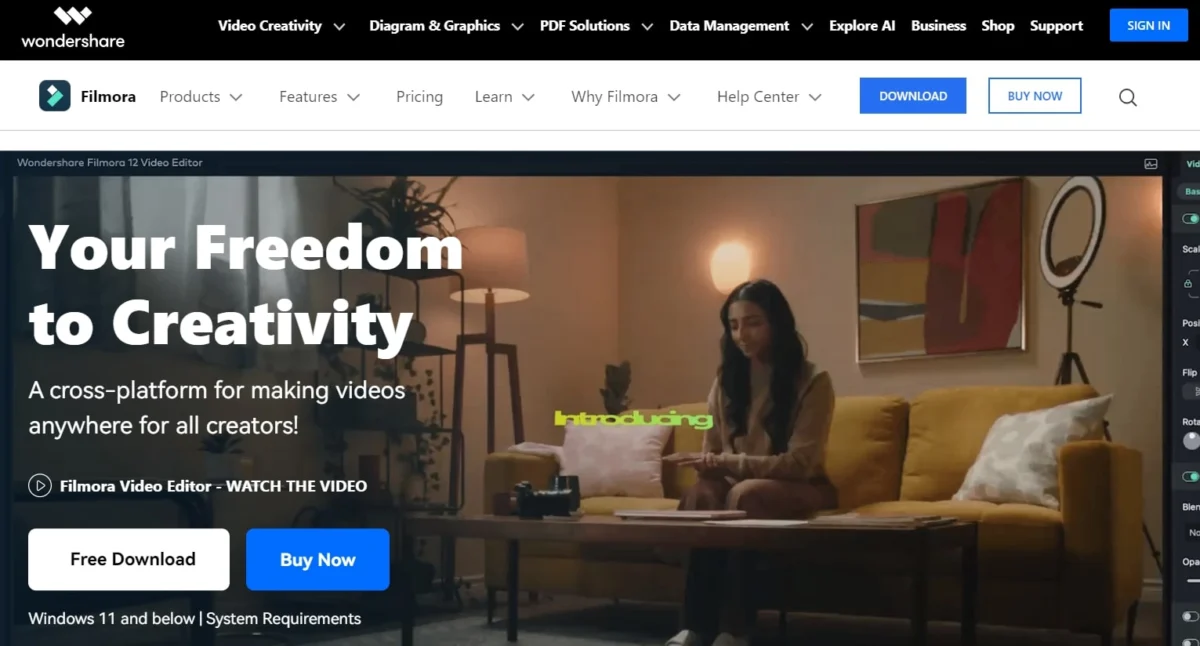
Adobe Premiere Pro remains the industry leader for organizations that prioritize cinematic quality and granular control. It is the powerhouse tool for healthcare networks looking to produce long-form documentaries on medical breakthroughs or highly polished physician interviews.
Key Features
- AI-Powered Editing: The "Sensei" AI tools automatically reframe content for various social media aspect ratios, ensuring that a horizontal interview can be repurposed for YouTube Shorts or TikTok without losing the subject.
- Advanced Audio Mixing: Clear audio is vital for medical education; Premiere’s integrated Essential Sound panel allows for professional-grade voice cleaning.
- Color Lumetri Grading: Essential for maintaining a consistent, clinical, and clean aesthetic across hospital promotional assets.
Pros & Cons
- Pros: Industry-standard integration with the Adobe Creative Cloud suite; unmatched stability for large, high-resolution projects.
- Cons: The learning curve is steep, requiring dedicated time for training non-editor staff.
- Best For: Large hospital systems and medical marketing agencies managing diverse, multi-channel campaigns.
2. Animaker: Bridging the Gap in Patient Education
For many, the most difficult part of healthcare marketing is simplifying complex biological processes. Animaker leverages cloud-based AI to turn dense information into accessible, 2D and 3D animated explainers.
Key Features
- Drag-and-Drop Animation: Allows non-technical staff to build medical animations without a background in motion graphics.
- Extensive Asset Library: Includes thousands of pre-built characters, medical icons, and anatomical elements.
- Voiceover Synchronization: Automatically matches character lip-movements to uploaded medical narration.
Pros & Cons
- Pros: Massive time-saver; web-based platform means no high-end hardware requirements.
- Cons: Artistic styles are predefined, which may limit brand uniqueness for high-end corporate identity.
- Best For: Public health campaigns, clinic explainers, and patient onboarding videos.
3. Filmora: Balancing Efficiency and Creativity
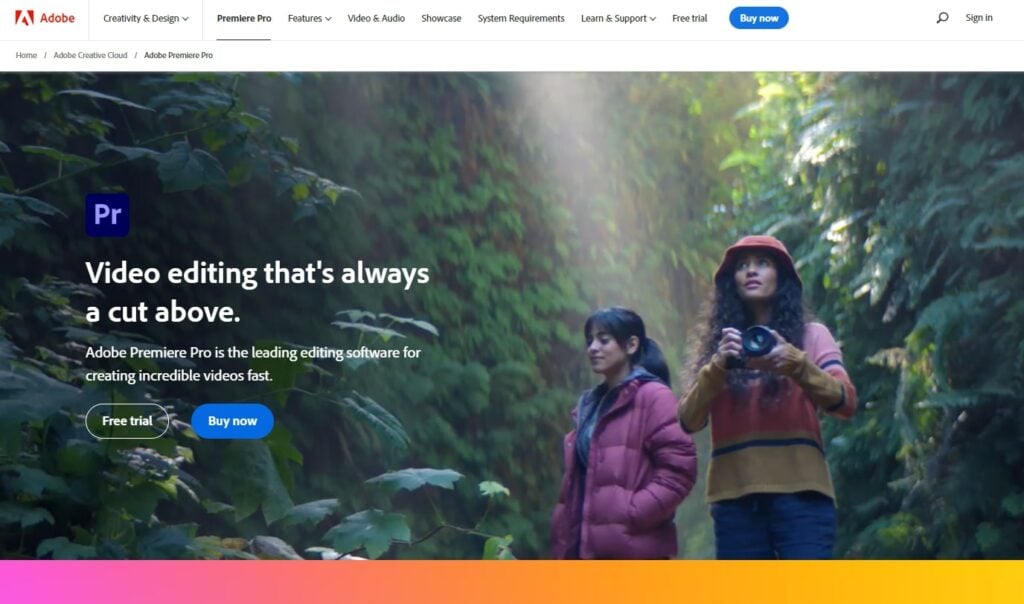
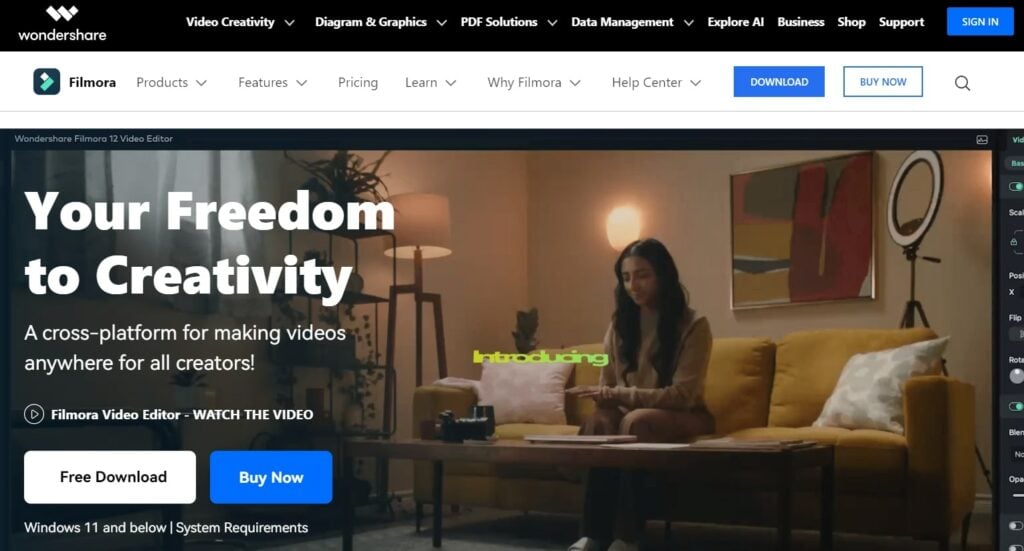
Wondershare’s Filmora occupies the "sweet spot" for mid-sized healthcare providers. It provides a robust set of professional features packaged in an interface that is intuitive enough for a marketing manager to master in an afternoon.
Key Features
- AI Smart Cutout: Effortlessly remove backgrounds to place medical professionals in front of branded clinic backdrops.
- Instant Mode: Provides ready-made templates for medical tips or "Day in the Life" social media segments.
- Color Match: Ensures that footage taken from different smartphones or cameras looks uniform.
Pros & Cons
- Pros: Extremely affordable; low system requirements; constant updates to its AI feature set.
- Cons: Not suitable for massive, multi-cam, long-form documentary projects.
- Best For: Private practices and smaller health tech startups aiming for a polished, consistent social media presence.
4. iMovie: The Accessible Entry Point
For smaller medical offices or independent providers working within the Apple ecosystem, iMovie remains an unsung hero. It is the ultimate tool for quick-turnaround content that doesn’t require a Hollywood-level budget.
Key Features
- Simplified Interface: Focused on the core essentials of cutting, trimming, and adding titles.
- Seamless Apple Integration: Easily import footage from an iPhone directly to a Mac, facilitating rapid content creation.
- Built-in Royalty-Free Audio: Includes a library of music and sound effects that add production value without copyright risks.
Pros & Cons
- Pros: Free, lightweight, and pre-installed on all Apple devices.
- Cons: Lacks advanced color grading or motion tracking tools required for complex medical animations.
- Best For: Solo practitioners and small clinics looking to share quick health tips or video updates.
5. DaVinci Resolve: The Cinematic Choice for Specialists
DaVinci Resolve has migrated from a niche color-grading tool into a comprehensive, professional-grade editor. It is widely regarded as the most powerful free-to-use software on the market, offering features that rival software costing thousands of dollars.

Key Features
- World-Class Color Correction: Essential for medical videos where skin tones and procedural visuals must be accurate and aesthetically pleasing.
- Fusion VFX: A built-in node-based compositor for advanced medical motion graphics and visual effects.
- Collaborative Workflow: Allows multiple editors to work on the same timeline, ideal for large medical research teams.
Pros & Cons
- Pros: The free version is incredibly generous; industry-leading color tools; professional-grade audio post-production (Fairlight).
- Cons: Demands high-end computer hardware to run smoothly; complex interface.
- Best For: Large-scale health organizations producing high-end educational series or medical documentaries.
Implications for Healthcare Marketing in 2025
As we move deeper into 2025, the implications of these tools are clear: the barrier to entry for high-quality video production has vanished. However, this democratization creates a new challenge—noise. With more medical content being produced than ever before, the differentiator will no longer be the ability to edit, but the ability to tell a compelling story.
The Compliance Factor
Regardless of the tool chosen, healthcare marketers must keep HIPAA at the forefront. This means ensuring that no patient-identifiable information (PII) is inadvertently included in raw footage or metadata. Always use professional release forms, and when in doubt, scrub any potential identifiers from the final export.
The Data-Driven Strategy
Data from early 2025 indicates that videos under three minutes with clear, actionable health advice see a 40% higher engagement rate on YouTube than longer, sales-heavy promotional content. The most effective organizations are those using these editing tools to foster a sense of community. By utilizing the "storytelling" features in tools like Filmora or Premiere Pro, providers are shifting the narrative from "selling a service" to "improving a life."
Official Perspectives
Industry analysts suggest that the next frontier for these tools will be deeper AI integration. "We are seeing a trend where editing software will soon be able to scan a video for potential clinical inaccuracies or provide automated captioning that is medically precise," says a leading digital health strategist. "For now, the human element—the doctor’s empathy and the editor’s narrative pacing—remains the most important factor."
Conclusion
The choice of video editor is a strategic decision that should align with your organization’s scale, budget, and creative goals.
- For the cinematic and grand scale: Adobe Premiere Pro or DaVinci Resolve.
- For the quick, agile team: Filmora or iMovie.
- For the education-focused firm: Animaker.
As the digital landscape evolves, the organizations that invest in the right technology—and pair it with a strategy rooted in patient care and accuracy—will define the future of healthcare communication. Whether you are producing a simple Q&A on preventative care or a feature-length documentary on a medical breakthrough, the tools to build that trust are already in your hands.












No comments yet. Be the first to join the conversation!