

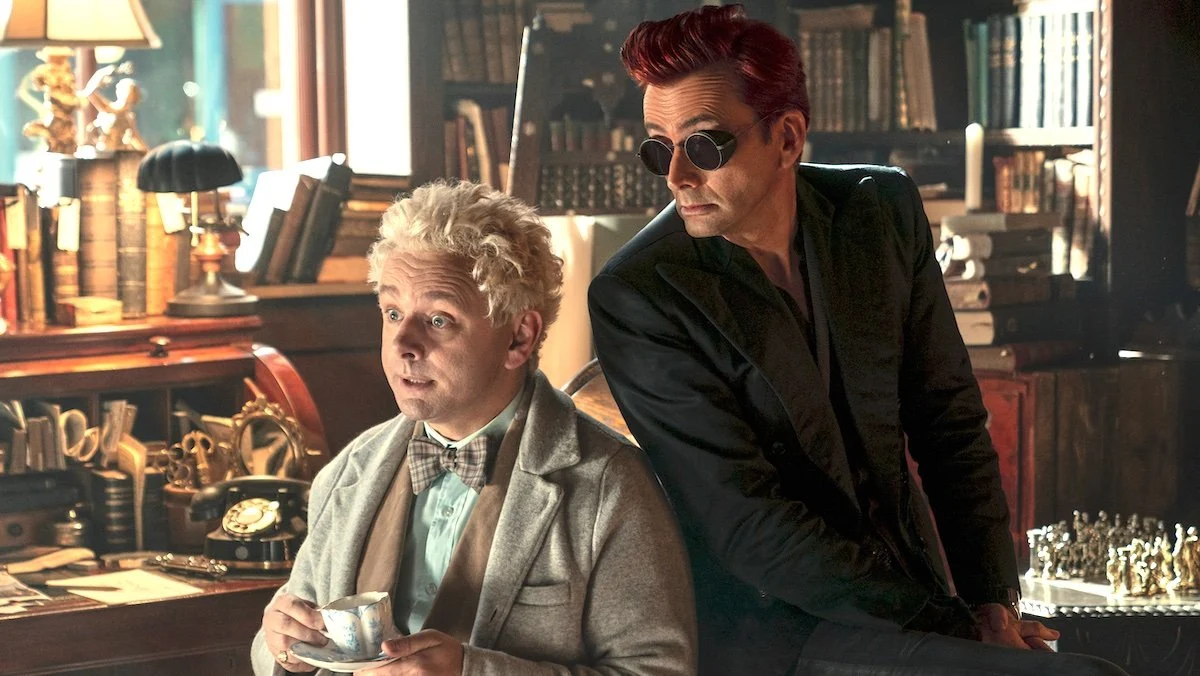
The landscape of modern television is defined by a paradoxical cycle of rapid expansion and abrupt contraction. For viewers, the current streaming era has been a golden age of narrative depth, offering complex, serialized storytelling that rivals the greatest novels. However, this same era has ushered in a "churn" culture, where series are often canceled before they find their footing or are strategically brought to a planned conclusion to satisfy bottom-line requirements. As we navigate through 2026, the industry is seeing a significant culling of its lineup, marking the end of some of the most influential programs of the decade.
From genre-defining hits to long-running dramas, 2026 is becoming a year of profound goodbyes. Whether these endings are the result of creative vision reaching its natural zenith or the cold calculus of streaming metrics, the impact on the cultural zeitgeist is undeniable.

The State of the Industry: Why 2026 is a Turning Point
The television industry is currently undergoing a structural correction. After the "peak TV" boom of the early 2020s, networks and streaming platforms are prioritizing fiscal responsibility, often opting for shorter, more contained series runs. This shift is reflected in the 2026 calendar, where fan-favorite series are wrapping up their arcs with definitive finales.
This trend towards "intentional conclusions"—where a creative team is given the green light to wrap up a story rather than leaving it on a cliffhanger—is a silver lining. Audiences are increasingly wary of "zombie shows" that drag on without purpose; consequently, the 2026 slate features several series that are bowing out on their own terms.

The Major Departures: A Comprehensive List
The Heavy Hitters
The most high-profile conclusion of the year is undoubtedly Prime Video’s The Boys. After five seasons of subverting the superhero genre with hyper-violent, sociopolitical commentary, the show is set to conclude its run on April 8. The series has become a pillar of modern pop culture, and its finale promises to resolve the high-stakes political standoff between Butcher and Homelander.
Similarly, Netflix is saying goodbye to Emily in Paris. After six seasons of fashion, romance, and Parisian escapades, the show will reach its final chapter. Creator Darren Star has expressed deep gratitude for the global audience that turned the series into a cultural phenomenon, signaling a respectful end to the "trip of a lifetime."

Sci-Fi and Fantasy Fare
The genre space is also seeing major shifts. The Witcher (Netflix) is moving toward its conclusion with its fifth and final season. With Liam Hemsworth having taken up the mantle of Geralt of Rivia, the production team has successfully managed a seamless transition to the finish line.
Meanwhile, MGM+’s From is reaching the end of its five-season roadmap. Creator John Griffin has emphasized that five seasons was always the goal, noting that the narrative has hit its natural peak. The final season, premiering April 19, is expected to provide the long-awaited answers to the show’s central mysteries.

In a more somber turn, Prime Video has canceled Gen V after two seasons. As The Boys concludes, the spinoff—once seen as a key component of the franchise’s expansion—has been deemed no longer viable, marking a tightening of the purse strings at Amazon.
Chronology of Finales: Key Dates to Remember
The 2026 broadcast calendar is packed with significant dates for television history:

- March – May: The final season of the historical epic Outlander (Starz).
- April 8: The Boys (Prime Video) kicks off its final season.
- April 9: Hacks (HBO) returns for its final run, concluding May 28.
- April 19: The final season premiere of From (MGM+).
- April 19: The series finale cycle begins for the Hallmark favorite The Way Home.
- May 21: The Late Show with Stephen Colbert (CBS) airs its final episode.
Official Responses and Creative Perspectives
The tone surrounding these departures has been largely one of gratitude. Showrunners like Shawn Ryan, who oversees The Night Agent, have spoken at length about the importance of a "proper and thrilling conclusion." For Ryan, the focus is on the "worldwide legion of fans" and ensuring the legacy of Peter Sutherland’s journey remains intact.
In contrast, the cancellation of Talamasca: The Secret Order (AMC) highlights the volatility of the current market. Despite the high pedigree of the Anne Rice Immortal Universe, the show struggled to find its unique voice in a crowded field. AMC’s statement suggests that while the series is over, the characters may find new life in future spin-offs, a common strategy for maintaining intellectual property value.

The "Colbert" Complication: A Case Study in Industry Tensions
Perhaps the most debated departure is the conclusion of The Late Show with Stephen Colbert. While CBS has maintained that the decision is purely business-oriented, the timing of the show’s end amidst a tense political climate has led to widespread speculation. In the history of late-night television, such exits are rarely quiet. Whether the decision reflects a desire for the network to pivot its strategy or a mutual agreement to move on, the end of the Colbert era marks a significant shift in the late-night television landscape.
Implications for the Future of Television
What does this wave of cancellations and conclusions mean for the viewer?

- The Rise of Limited Narratives: We are moving away from the "endless series" model. Studios are finding that audiences are more likely to commit to a show if they know it has a set beginning, middle, and end.
- Franchise Fatigue: As seen with the Gen V cancellation, even established universes are feeling the weight of over-saturation. Networks are beginning to curate their lineups with more caution.
- The Value of Closure: Shows like From and The Boys demonstrate the value of allowing creators to finish their stories. In an era where many shows are canceled abruptly, being granted a final season is a badge of honor and a boon for viewer satisfaction.
Conclusion: Honoring the Journey
Saying goodbye to long-running series is never easy. Whether it is the eight-year tenure of All American on The CW or the twelve-year historical journey of Outlander, these shows become a part of the audience’s weekly ritual.
As we look toward the remainder of 2026, we are reminded that television is a medium of constant change. While we may mourn the loss of these worlds, we must also appreciate the opportunity to see them reach their conclusions. The narrative journeys of these characters have been, for many, a significant part of their lives, and while the credits may be rolling, the legacy of these stories will endure in the streaming libraries for years to come.

As the screen fades to black on these titles, we prepare for the next generation of stories to take their place. After all, the end of one chapter is always the prerequisite for the beginning of the next.
Disclaimer: This article contains affiliate links. Purchases made through these links may result in a commission for the publisher at no additional cost to the reader. Thank you for supporting independent journalism.










No comments yet. Be the first to join the conversation!