

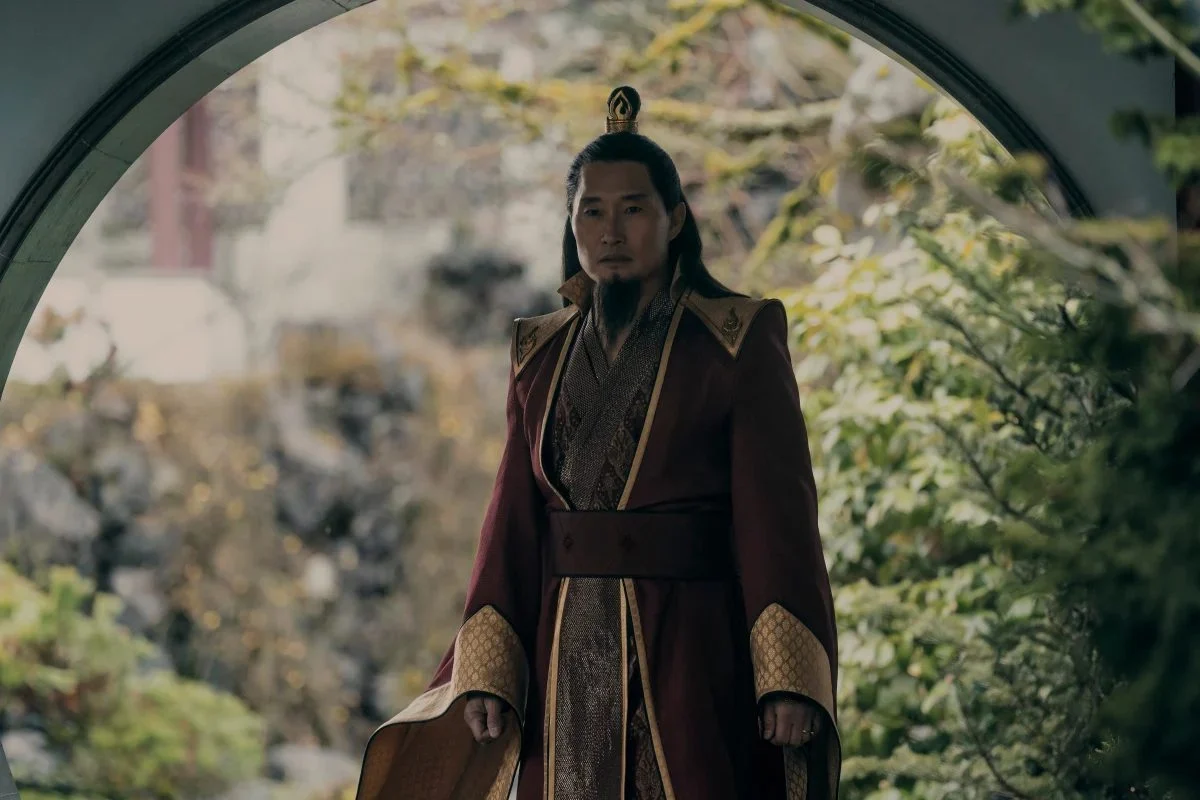
The wait is finally nearing its end. Netflix has officially pulled back the curtain on the sophomore season of its live-action adaptation of Avatar: The Last Airbender, confirming a premiere date of June 25, 2026. As the streaming giant prepares to adapt the fan-favorite "Book Two: Earth," the stakes have never been higher for Aang and his companions. Following a inaugural season that saw the Northern Water Tribe narrowly escape annihilation—at a devastating cost—the narrative landscape has shifted significantly. With the fall of Omashu to the cunning Princess Azula, the geopolitical map of the world is rapidly contracting, leaving the impenetrable walls of Ba Sing Se as the final bastion of hope against the encroaching Fire Nation.
A Chronology of Conflict: From Omashu to Ba Sing Se
The narrative trajectory of the upcoming season promises to be both expansive and emotionally grueling. In the original animated series, Book Two focused on Aang’s journey to master Earthbending, the element of substance and stability. However, the live-action adaptation has already signaled its intent to deviate from the source material’s roadmap to keep audiences on their toes.
The first season concluded with a chilling power shift: the strategic capture of Omashu. By placing Azula in control of such a critical Earth Kingdom stronghold, Netflix has heightened the sense of urgency. The "Gaang"—Aang, Katara, and Sokka—now find themselves in a race against time. The recently released trailer offers a haunting glimpse of what is to come: a world where the Fire Nation’s reach is expanding, and the Earth Kingdom’s leadership is paralyzed by denial.
The trailer’s most chilling moment comes with the utterance of the series’ most iconic, ominous mantra: "There is no war in Ba Sing Se." This inclusion confirms that the series will tackle the psychological manipulation and institutional propaganda that defined the middle chapters of the original story. As the Gaang approaches the massive city, they aren’t just facing fire-wielding soldiers; they are facing a regime determined to maintain a status quo of ignorance, a thematic evolution that mirrors the show’s commitment to exploring the darker complexities of systemic control.

Supporting Data: Character Arcs and Casting Milestones
While the shadow of the Fire Nation looms, the season is anchored by the introduction of a character fans have been clamoring to see: Toph Beifong. Played by Miya Cech, the live-action Toph represents the turning point for Aang’s training. The trailer provides tantalizing, brief flashes of her presence, suggesting a faithful translation of her "tough love" mentorship style. As the Avatar, Aang’s path to harmony requires the grounding force of Earthbending, and his dynamic with Toph will undoubtedly be the emotional and tactical centerpiece of the season.
Parallel to the Gaang’s journey, the internal struggles of Prince Zuko remain a focal point of the narrative. The trailer highlights his "earthbending era"—a period of nomadic searching and deep existential crisis. We see echoes of pivotal episodes like "Bitter Chase" and "The Crossroads of Destiny," suggesting that the show will not shy away from the character-driven drama that made the original series a masterpiece of storytelling.
Zuko’s path, which involves complex entanglements with Uncle Iroh, the mercenary Jet, and his sister Azula, is arguably the most nuanced thread in the Avatar tapestry. The production team seems acutely aware of this; by teasing iconic story beats like "Zuko Alone," they are promising a deep dive into the prince’s fractured morality. Furthermore, the inclusion of clips from "Appa’s Lost Days" serves as a sobering reminder that this season will not pull its punches when it comes to the emotional trauma inherent in the characters’ journeys.
Thematic Implications: A Mature Lens on Power and War
The first season of Netflix’s Avatar was characterized by its willingness to turn up the volume on the series’ discussions regarding power, violence, and the burden of legacy. Moving into Book Two, this trend is only set to accelerate. Ba Sing Se is more than just a destination; it is a setting ripe for political allegory.

In the animated source material, the transition into the Earth Kingdom chapters marked a shift toward more sophisticated storytelling, balancing levity with heavy, systemic conflict. The live-action series appears to be leaning into this maturity. By juxtaposing the vibrant, often humorous interactions between the Gaang with the cold, calculated propaganda of the Earth Kingdom’s inner walls, the show is positioning itself as a drama that respects the intelligence of its audience.
The series creators are navigating a delicate balance: honoring the spirit of the original Nickelodeon show while acknowledging that the live-action format allows for a more visceral, grounded portrayal of war. The visual language of the trailer—desaturated cityscapes, the oppressive architecture of the Fire Nation’s reach, and the intimate, character-focused framing—suggests that the show is evolving alongside its audience.
Official Perspectives and Production Notes
Netflix has remained relatively tight-lipped regarding specific plot twists, but the commitment to high-production values is evident in the technical execution of the trailer. The bending effects, which were a subject of significant scrutiny in the first season, appear more fluid and integrated into the choreography.
The casting of Miya Cech as Toph was a major milestone for the production, signaling a dedication to finding actors who can capture the specific, idiosyncratic energy of these beloved characters. Behind the scenes, the showrunners have emphasized the "Earth" nature of this season—both literally and metaphorically. It is a season of being "stuck" in the mud, of digging deep to find strength when the odds seem insurmountable.

The decision to lean into the "darker" aspects of the story—specifically the propaganda machine of Ba Sing Se—is an intentional creative choice. By making the world feel dangerous and the political environment precarious, the series creates a genuine sense of threat. This is no longer just a quest for an Avatar to save the world; it is an examination of what happens to the world when the people within it refuse to acknowledge the fire at their gates.
Looking Toward June: What to Expect
As we count down the days to the June 25, 2026 premiere, the anticipation is palpable. The series is currently in a state of high expectation, with the production team signaling that the upcoming episodes will cover some of the most celebrated moments in the entire franchise.
For newcomers and veterans alike, the upcoming season represents a critical juncture. If the first season was about Aang stepping into his role as the Avatar, the second season is about him realizing the cost of that role. The convergence of the Gaang, the rise of Azula, and the internal reckoning of Zuko create a perfect storm of narrative tension.
As noted by industry observers, the adaptation of "Book Two: Earth" is historically the point where the original series truly found its voice, transitioning from an episodic adventure to a serialized epic. If the live-action team can mirror that trajectory, the second season of Avatar: The Last Airbender could solidify its place not just as a successful adaptation, but as a landmark achievement in fantasy television.

The walls of Ba Sing Se are waiting. The earth is ready to be moved. And, if the trailer is any indication, the journey to balance is going to be as painful as it is transformative. For now, we are left to revisit the first season—available in full on Netflix—and prepare ourselves for a season that promises to be as profound as it is visually arresting. The war is coming, even if the citizens of the Earth Kingdom refuse to believe it. Whether the Avatar can navigate the treacherous landscape of politics, betrayal, and war remains the central question of 2026.












No comments yet. Be the first to join the conversation!