Suro Senen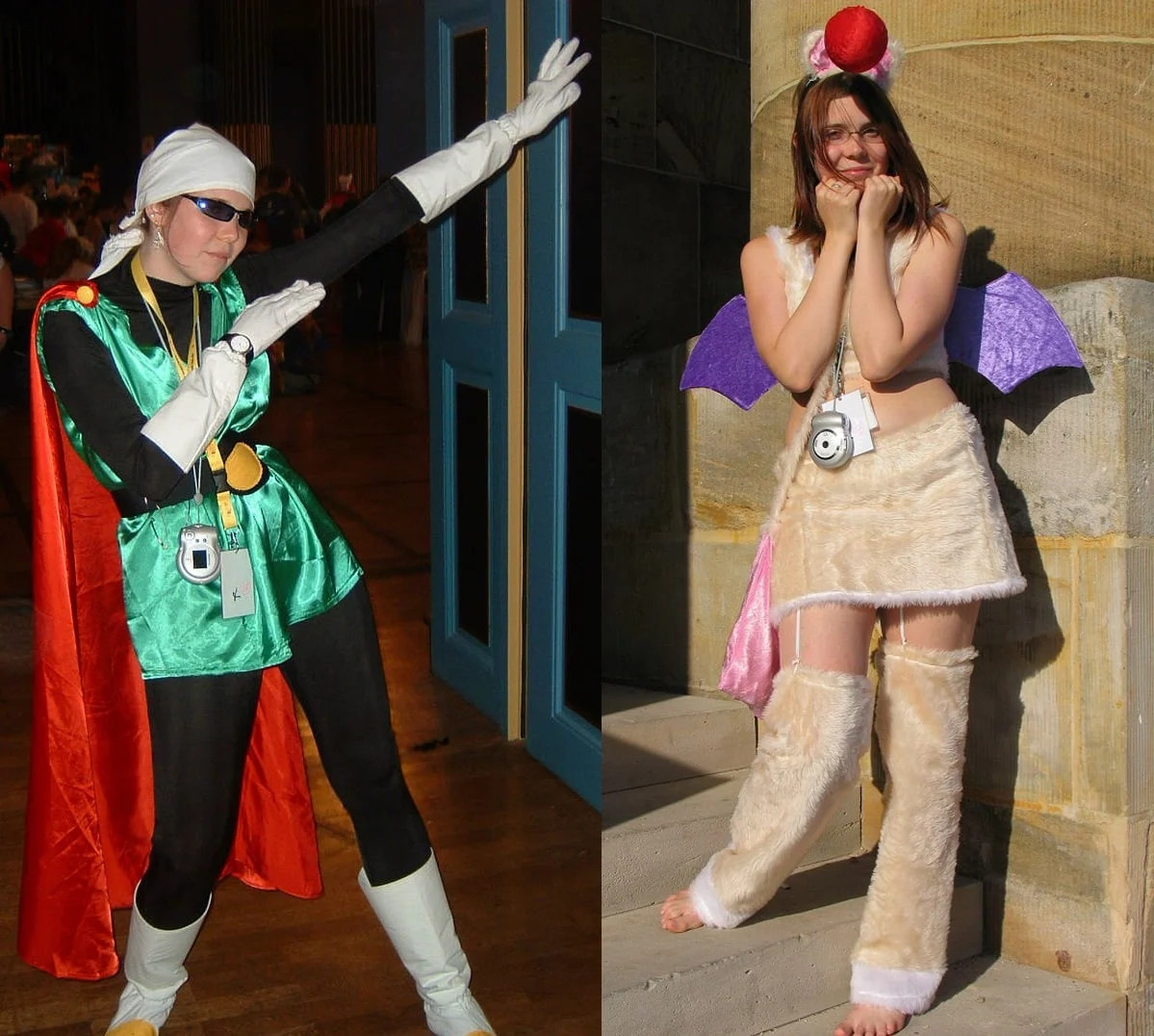
The landscape of cosplay—once defined by the humble glue gun, repurposed cardboard, and hand-stitched thrift store finds—has undergone a radical transformation over the last two decades. As the medium has moved from the fringes of niche fandom into the spotlight of mainstream pop culture, the tools of the trade have evolved in tandem. Today, professional workshops are equipped with 3D printers, industrial laser cutters, and advanced software suites, raising a pressing question for the community: In an era of digital fabrication, has cosplay become an exclusive playground for the wealthy, or is it more accessible than ever?
A Two-Decade Chronology: From Paper Mâché to 3D Printing
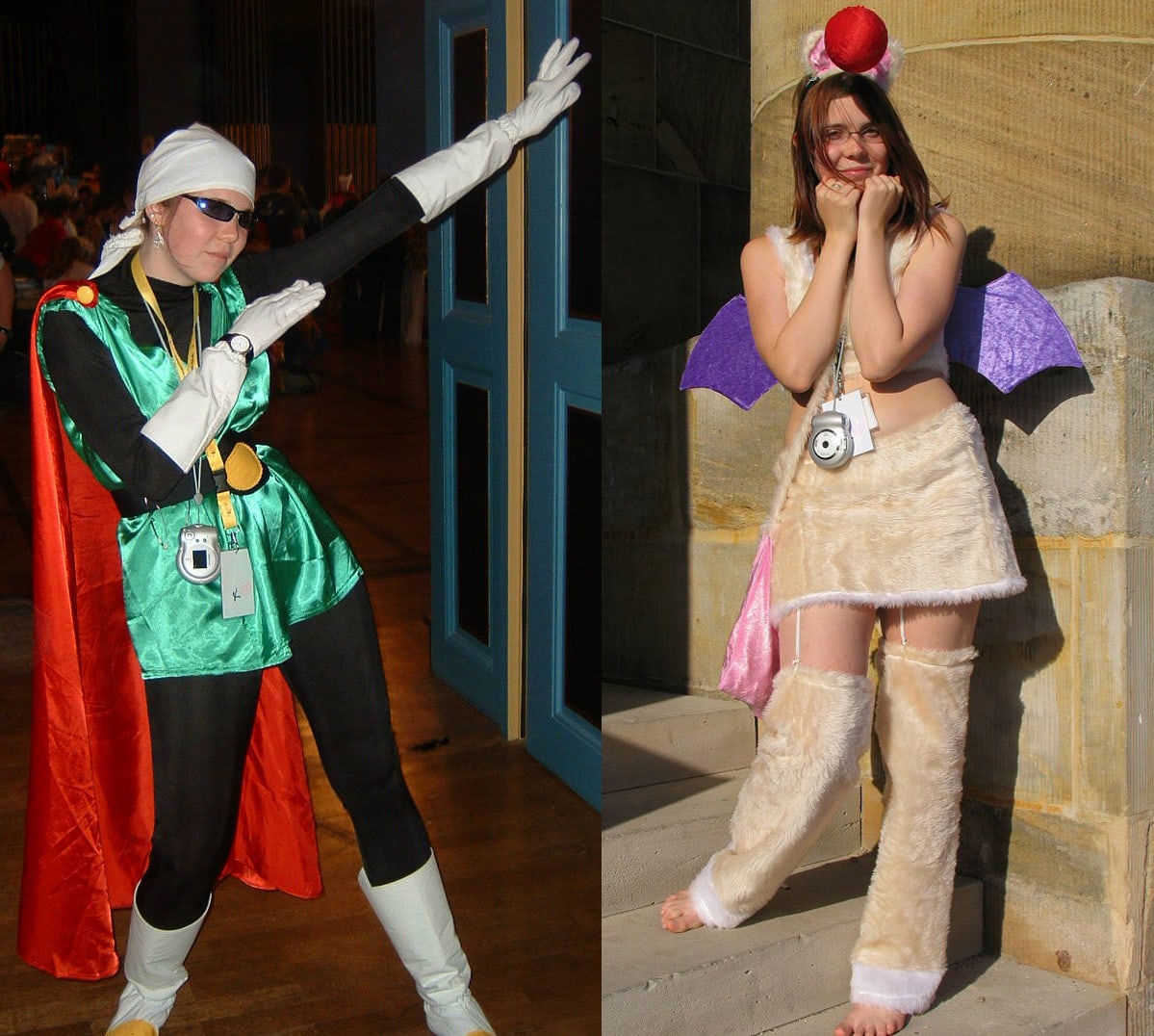
To understand the current state of the hobby, one must look back to its "analog" roots. For veteran creators, the journey often began with rudimentary materials. In 2003, early projects were frequently constructed from paper mâché, expanding foam, and low-cost synthetic fabrics. These materials were not only affordable but widely available at local hardware stores, allowing for a low barrier to entry.

As the years progressed, the community began adopting thermoplastic materials like Wonderflex and later, the industry-standard Worbla. These materials allowed for more structural integrity and complex armor shapes. However, the most significant shift occurred within the last decade, as "prosumer" technology entered the home workshop.
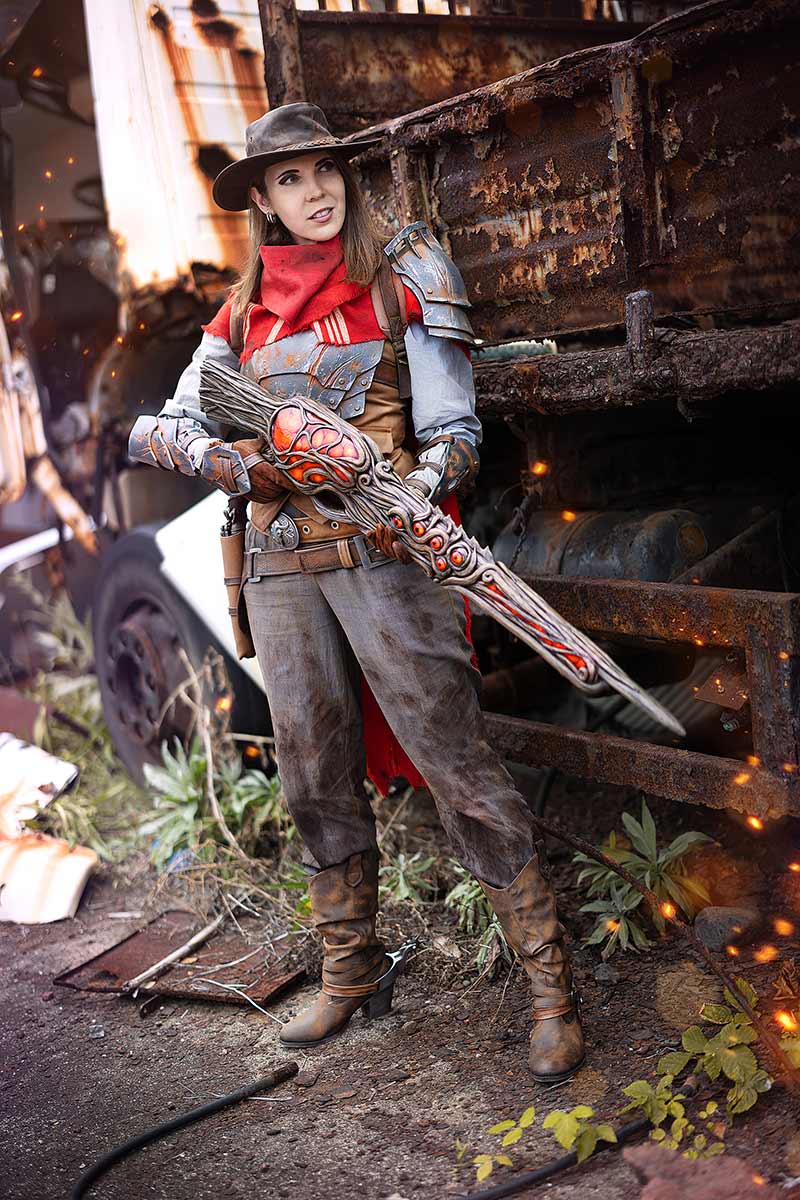
The integration of 3D printing, spearheaded by advancements in FDM (Fused Deposition Modeling) and resin printing, has changed the workflow entirely. What once required hours of manual sculpting can now be modeled in programs like Blender and printed with precision. Similarly, laser cutting has replaced the tedious, time-consuming process of hand-cutting hundreds of individual scales or armor segments. For full-time professional crafters, this transition has been essential for meeting production deadlines and maintaining the high-fidelity aesthetics required for modern, high-budget character designs.
Supporting Data: The Reality of Modern Production
While the aesthetic quality of costumes has risen, so have the costs. A modern, high-end cosplay build is a significant financial undertaking. Premium fabrics can exceed $100 per yard, and large-scale armor builds consume vast quantities of EVA foam, specialty adhesives, and sophisticated LED electronics.
Yet, there is a paradox: while the potential cost of a build has skyrocketed, the entry-level cost of technology has plummeted. A reliable 3D printer can now be purchased for roughly $200—the same price point as a decent, entry-level sewing machine.
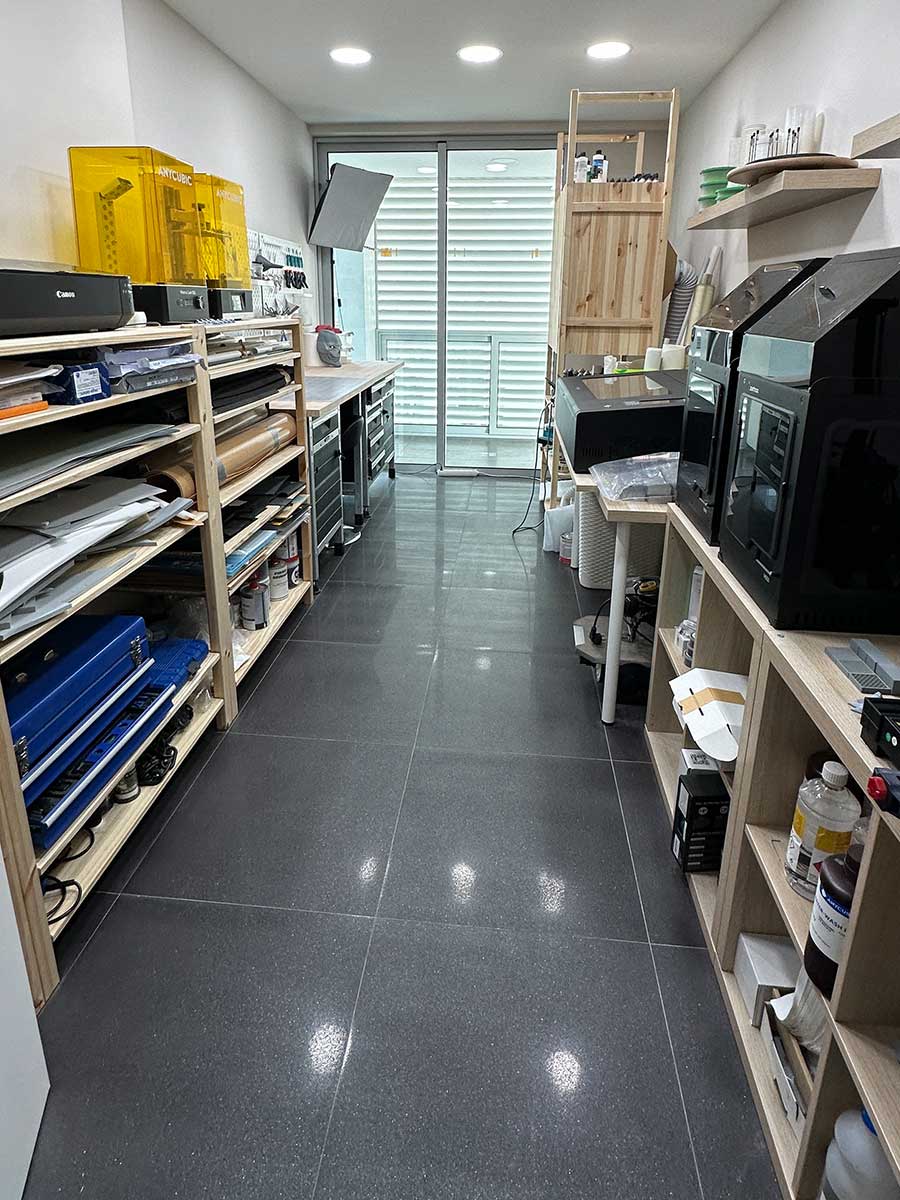
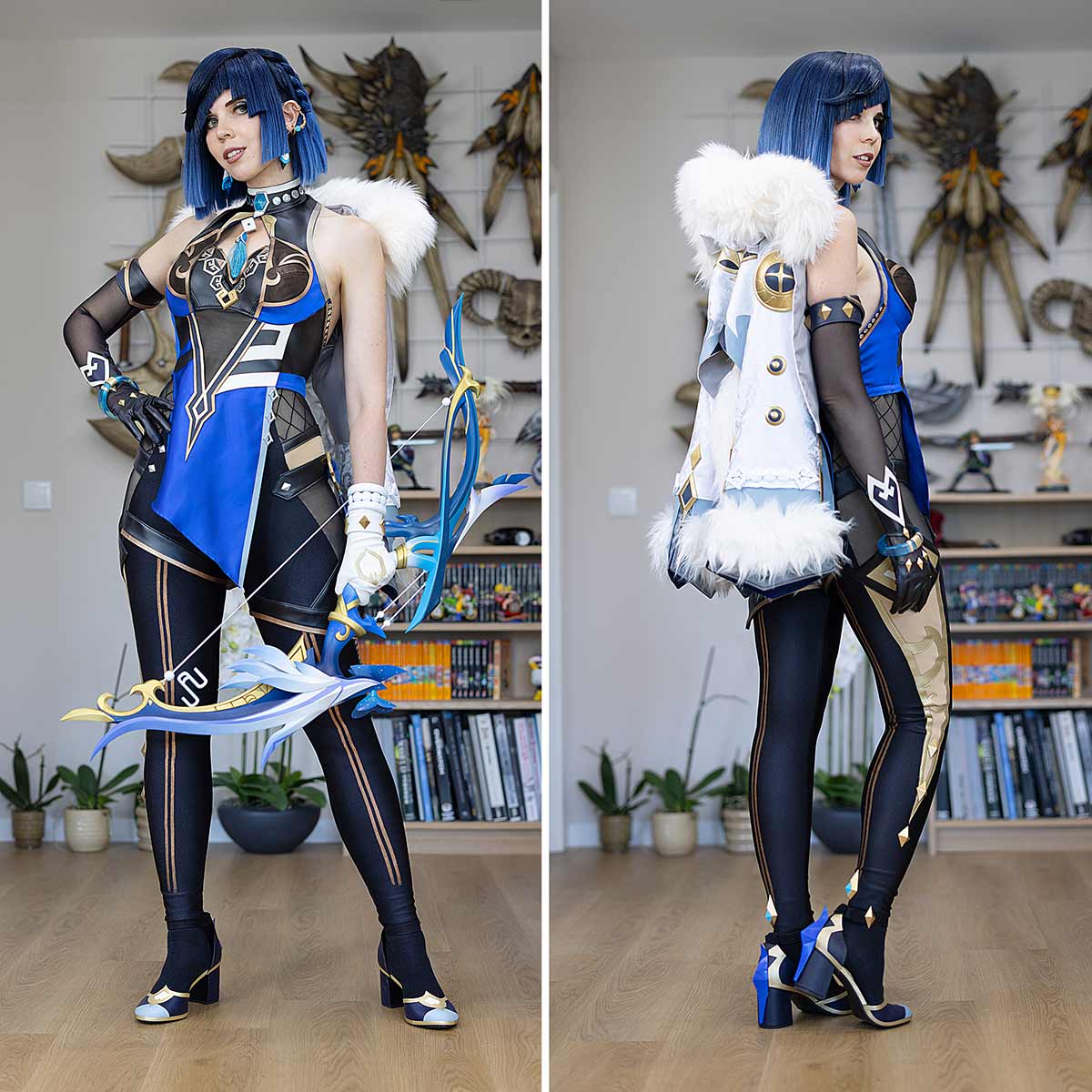
Industry benchmarks from professional studios highlight the time-saving benefits of these tools. A complex project, such as a character from Genshin Impact, might take six weeks of intensive labor. With 3D printing and laser cutting, the timeline is compressed, and the output is more consistent. However, these machines are not "magic buttons." They require a steep learning curve, including mastery of 3D modeling software, slicer settings, and machine maintenance. The barrier is no longer just financial; it is educational.
Official Perspectives: The "Master Crafter" Fallacy
Prominent voices in the industry, such as the renowned team behind Kamui Cosplay, emphasize that the "high-tech" workshop is often a destination, not a starting point. "A good chef doesn’t need a professional kitchen and the best ingredients to prepare something delicious," they note.
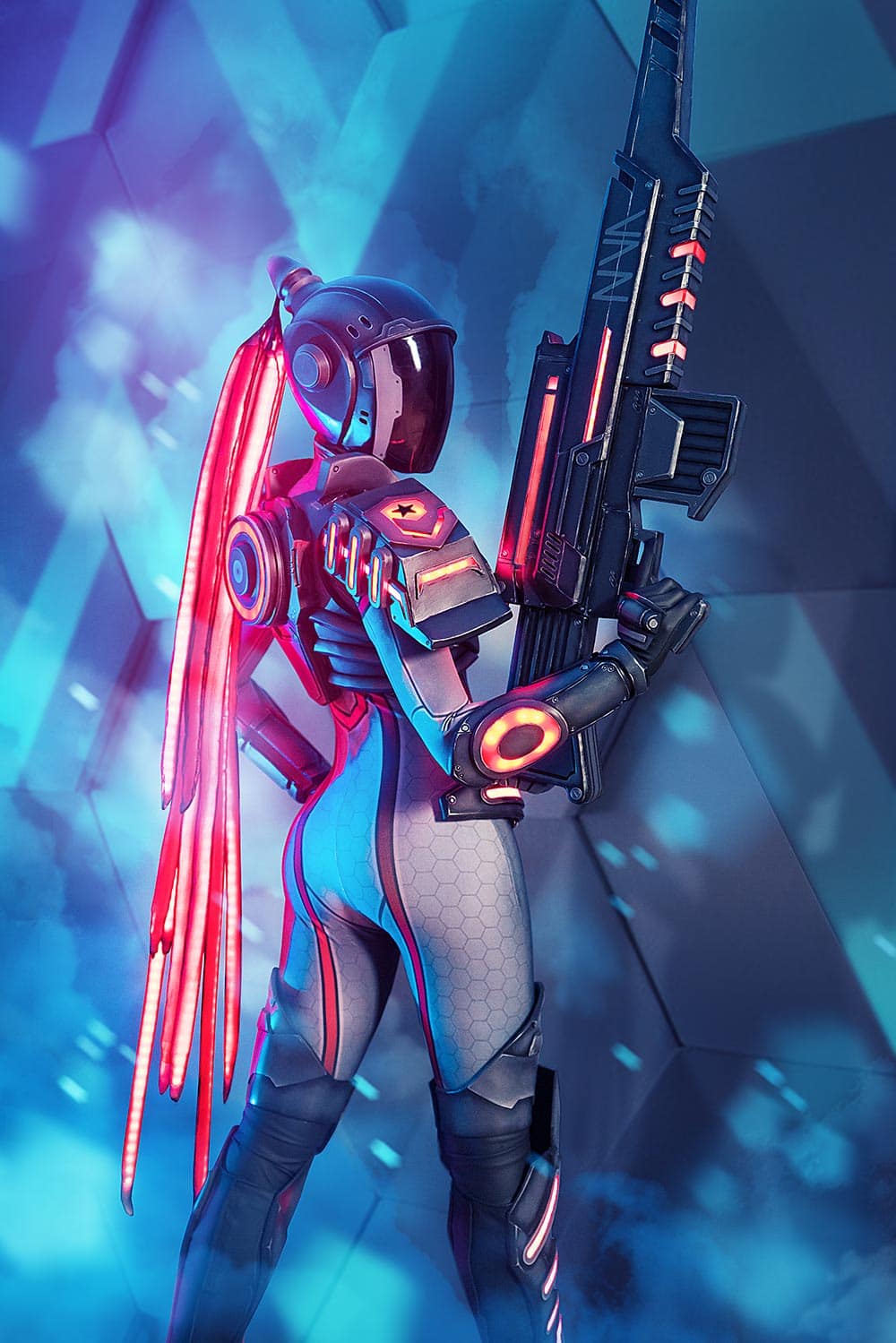
The sentiment among many top-tier creators is that the tools do not dictate the artistry. There is a prevailing misconception that one must possess a laser cutter or a high-end 3D printer to compete in the current climate. However, this ignores the foundational skills of manual crafting. Many of the most respected figures in the community still rely on EVA foam as their primary medium. Foam is forgiving, inexpensive, and faster for prototyping than a 3D printer, which can take days to complete a single helmet.
Furthermore, international competition provides a vital case study. At events like the AniMotto Cosplay Competition in Cuba, where the average monthly income is approximately $150, creators consistently produce breathtaking, high-quality armor using nothing but local, repurposed materials. This serves as a stark reminder that passion, patience, and ingenuity are the true drivers of quality, not a machine-filled workshop.
The Implications of Accessibility: A Two-Tiered Future?
The accessibility of cosplay is currently bifurcated. On one hand, there has never been a better time to be a beginner. The rise of "ready-to-wear" cosplay shops has opened the door for thousands who lack the time or skill to craft from scratch. Buying a base costume and then personalizing it with self-made accessories is a perfectly valid—and often encouraged—way to enter the community. This "hybrid" approach allows beginners to engage with the culture without the intimidation of a total fabrication project.
However, the "Instagram Effect" creates a psychological barrier. When newcomers see professional-grade, machine-manufactured costumes on social media, they often feel inadequate. The pressure to match the quality of an artist who has been refining their craft for 15 years leads to a sense of "tool envy." The implication here is that the hobby is becoming increasingly performative, where the "grind" of hand-making is sometimes undervalued in favor of the "finish" of machine-assisted production.
Bridging the Gap: How to Start Small
To maintain the accessibility of the hobby, industry leaders advocate for three key shifts in perspective:
- De-emphasize the "Tool Race": Beginners should focus on mastering one material—such as EVA foam—rather than attempting to acquire a workshop full of expensive machinery. Mastery of a simple material produces better results than an amateurish attempt at high-tech fabrication.
- Repurpose and Recycle: The most creative solutions often come from limited resources. Using household items and second-hand clothing is not "lesser" than creating from scratch; it is a hallmark of a resourceful creator.
- Community Over Competition: The feeling of being "left behind" is a common trap. It is vital to remember that social media displays the end result of decades of growth. Every professional began with safety pins, frustration, and a cheap, borrowed sewing machine.
Conclusion: The Endurance of Passion
Is cosplay still an accessible hobby? The answer is a definitive yes, but it requires a redefinition of what "accessibility" means. While the ceiling for what is possible in a costume build has been raised by technology, the floor—the entry point for a fan to express their love for a character—remains wide open.
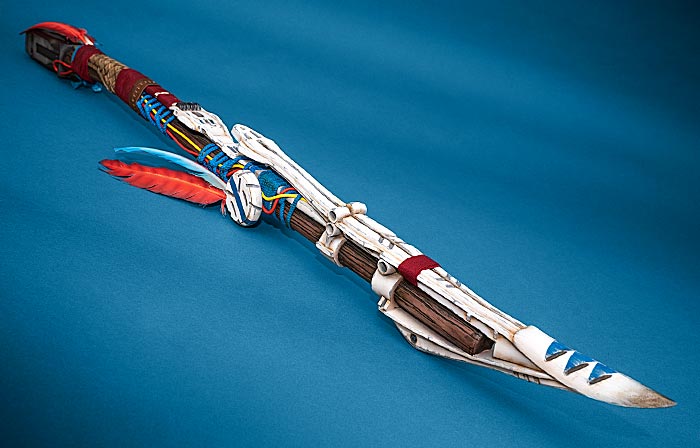
Technology like 3D printing and laser cutting are simply tools, much like a brush is to a painter or a chisel to a sculptor. They can speed up a workflow, but they cannot replace the intent, the patience, or the artistic vision of the creator. Whether one is building an Iron Man suit out of cardboard or 3D-printing a hyper-realistic prop, the core of the hobby remains the same: it is about the joy of creation, the excitement of the fandom, and the community built around the act of dressing up.
Cosplay is not a race to the most expensive workshop; it is a journey of skill acquisition. By starting small, focusing on the basics, and refusing to fall into the trap of constant comparison, anyone can find their place in this vibrant, evolving community. The tools may change, but the spirit of the craft remains, as it always has, in the hands of the maker.

 Siti Muinah
 Azzam Bilal Chamdy