

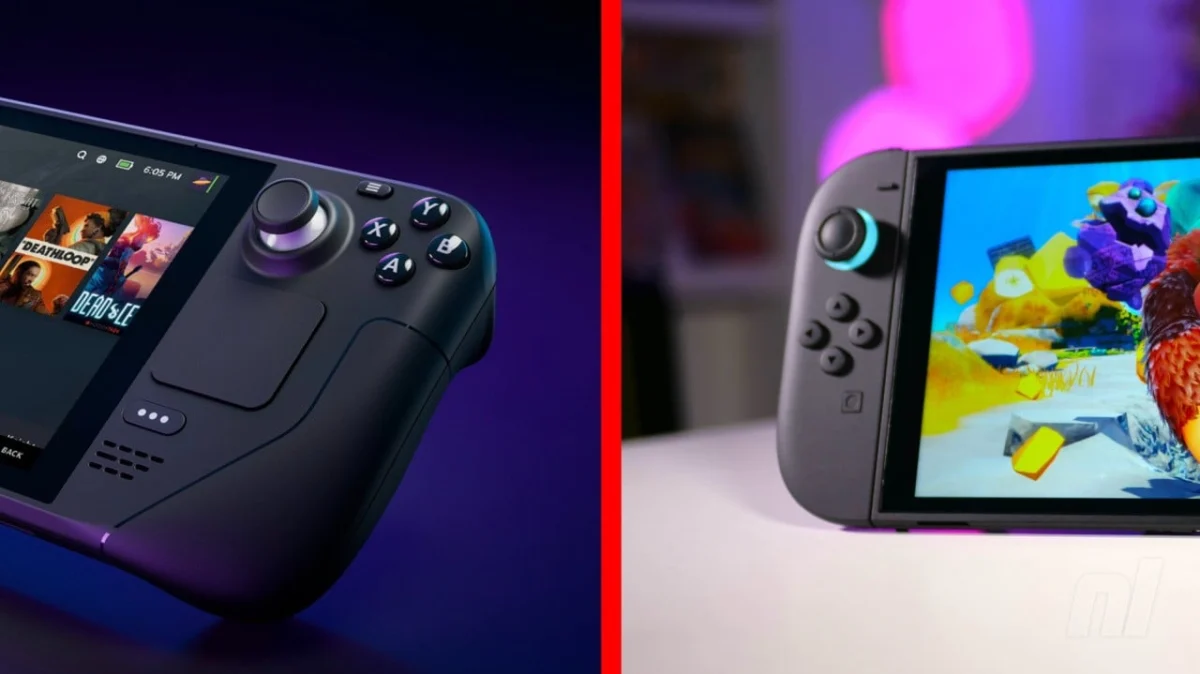
The once-accessible portable PC gaming powerhouse, Valve’s Steam Deck, has seen a dramatic price escalation, raising questions about its market positioning and potentially reshaping the competitive arena alongside established console giants like Nintendo and Sony.
In a surprising move that has sent ripples through the gaming community, Valve, the purveyor of the popular Steam Deck handheld gaming PC, has implemented significant price increases on its premium OLED models. This strategic shift, occurring in a broader industry context marked by component shortages and fluctuating costs, positions the Steam Deck in a more premium bracket, potentially altering its appeal to consumers and influencing the competitive dynamics within the burgeoning hybrid gaming market.
The Sudden Surge: Understanding Valve’s Price Adjustments
The most impactful changes are seen in Valve’s OLED iterations of the Steam Deck. The previously $549 512GB OLED model has now surged to a substantial $789, representing an increase of $240. Even more significant is the jump for the top-tier 1TB OLED variant, which has climbed from $649 to an eye-watering $949, a hike of $300. These adjustments place the Steam Deck’s OLED models firmly in a higher price tier, directly challenging the perceived value proposition for many potential buyers.
While this news might seem entirely negative for consumers, it’s important to note that not all Steam Deck options have been affected. The existing LCD models, still available in select regions, have maintained their original pricing. Furthermore, Valve continues to offer refurbished units, which remain a more budget-conscious entry point into the Steam Deck ecosystem. These distinctions are crucial for understanding the nuanced impact of Valve’s pricing strategy.
The timing of these increases is also noteworthy, occurring as Valve reportedly gears up to release new hardware, including a new Steam Controller and a Steam Machine, which are envisioned to bridge the gap between console-style gaming and PC experiences. This suggests that Valve might be aiming for a more curated and premium segment of the market with its latest offerings.

A Wider Industry Context: Component Costs and Console Wars
Valve’s decision to increase prices is not an isolated incident. The entire electronics industry, and the gaming sector in particular, has been grappling with persistent challenges related to component availability and rising manufacturing costs. This global supply chain volatility has impacted major players across the board.
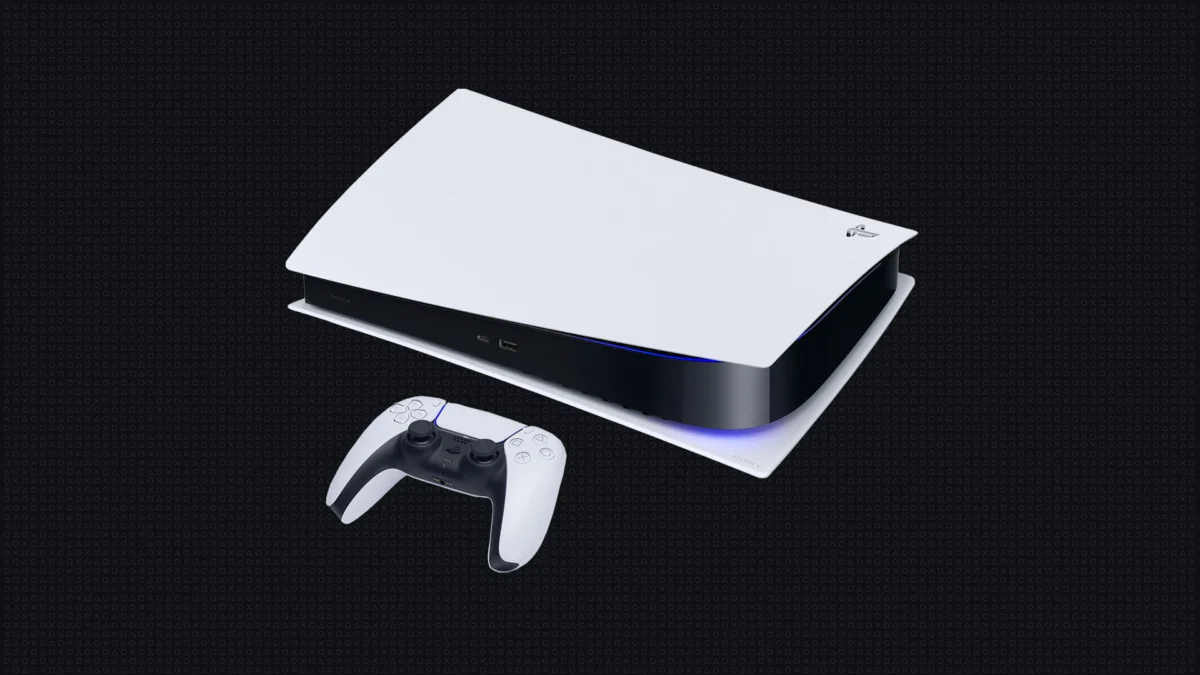
As reported by our colleagues at Push Square, the larger console manufacturers – Sony with its PlayStation and Nintendo with its Switch family – are arguably better positioned to absorb or mitigate these cost pressures. Their established economies of scale, long-standing supplier relationships, and diversified revenue streams provide a degree of resilience that smaller hardware ventures might lack.
This broader industry trend is underscored by recent price adjustments from other major console makers. Nintendo, for instance, has also implemented a price increase for its latest hybrid console, the Switch 2. This move, while less drastic than Valve’s OLED adjustments, signals a wider acceptance of higher price points in the current market.
The Switch 2 Factor: A Hybrid Contender’s Momentum
The Nintendo Switch 2, already a dominant force in the hybrid gaming space, has demonstrated remarkable resilience and continued success. With sales nearing 20 million units and its first anniversary on the horizon, the console has built significant momentum. Nintendo’s recent price adjustment saw its new hybrid unit, featuring an LCD panel, increase from $449.99 to $499.99, a $50 hike. These revised prices have already taken effect in Japan, with Western markets slated to see the change this September.
However, Nintendo itself has not shied away from the possibility of further price adjustments. Nintendo President Shuntaro Furukawa has openly acknowledged the ongoing "uncertainties" surrounding component prices, indicating that the company could still be impacted by these fluctuations not only in the current fiscal year but also in the next. This cautious outlook from a market leader suggests that the pricing pressures are far from over and that consumers may need to brace for continued adjustments across the industry.

Implications for the Market: Valve’s Strategic Pivot and Nintendo’s Dominance
Valve’s significant price increase for its premium Steam Deck OLED models suggests a potential strategic pivot. By elevating the price point, Valve may be aiming to:
- Target a more affluent consumer base: The higher prices could be an attempt to attract a segment of the market that prioritizes cutting-edge technology and is less sensitive to price fluctuations.
- Improve profit margins: With increased costs for components and manufacturing, higher retail prices can help Valve maintain or improve its profitability on each unit sold.
- Differentiate from budget-friendly alternatives: By moving its premium offerings to a higher price bracket, Valve might be creating more space between its OLED models and the more affordable LCD versions, as well as other handheld gaming devices that may emerge in the market.
- Reinforce the premium nature of OLED technology: The price increase could also be a signal that Valve views its OLED models as premium products, justifying the higher cost through enhanced display quality and other advanced features.
This strategic maneuver by Valve inevitably draws a comparison to Nintendo’s position in the hybrid gaming market. The Switch 2, with its established brand loyalty, vast game library, and consistent sales performance, remains a formidable competitor. The Steam Deck, particularly its OLED variants, has always occupied a different niche, appealing more to PC gamers seeking a portable solution for their existing Steam library.
However, the increased pricing of the Steam Deck OLED models could inadvertently create a more favorable environment for the Switch 2. Consumers who were on the fence about purchasing a Steam Deck, especially the OLED models, might now find the Switch 2 a more attractive proposition, particularly given Nintendo’s aggressive first-party game development and its strong ecosystem. The gap in price between the Switch 2 and the Steam Deck OLED models has narrowed considerably, potentially leading some consumers to opt for the more established and familiar Nintendo platform.
Furthermore, the narrative around component shortages and price increases is one that consumers are becoming increasingly accustomed to. While frustrating, it has become an accepted reality in the current technological landscape. For Nintendo, the narrative of a beloved console with a strong game library, even with a slight price increase, might be more palatable to consumers than a more significant price jump on a device that, while powerful, is still perceived by some as a more niche offering compared to the mainstream appeal of the Switch.
The success of the Switch 2, even with its own price adjustments, speaks volumes about Nintendo’s ability to cultivate a loyal customer base and deliver compelling gaming experiences. As Valve navigates its own pricing challenges and potentially redefines its market segment, the competitive landscape for hybrid gaming systems will undoubtedly continue to evolve. The coming months will be crucial in observing how consumers react to these price shifts and how each company adapts to the ever-changing dynamics of the global gaming market.

Looking Ahead: Consumer Choice and Future Innovations
The current pricing shifts present a complex decision for consumers. Those seeking the absolute best portable PC gaming experience might still find the Steam Deck OLED a worthwhile investment, despite the increased cost, especially if they value the expansive PC game library and the flexibility of the platform. However, for a broader audience, the value proposition of the Steam Deck has undoubtedly been altered.
The increased price of the Steam Deck OLED could indeed clear some space in Nintendo’s market segment. The Switch 2, with its established appeal, family-friendly ecosystem, and increasingly competitive pricing in comparison to the top-tier Steam Decks, is likely to remain the dominant force for many consumers looking for a hybrid gaming solution.
As the industry continues to grapple with supply chain issues and rising costs, it will be fascinating to observe how Valve and Nintendo, along with other potential players, continue to innovate and position their hardware. The future of portable and hybrid gaming will likely be shaped by a delicate balance between technological advancement, manufacturing realities, and the ever-evolving demands and budgets of the global gaming community.
What are your thoughts on Valve’s decision to increase the price of its portable system? Do you believe it could create more opportunities for Nintendo’s market segment? Share your opinions in the comments below.











No comments yet. Be the first to join the conversation!