Pevita Pearce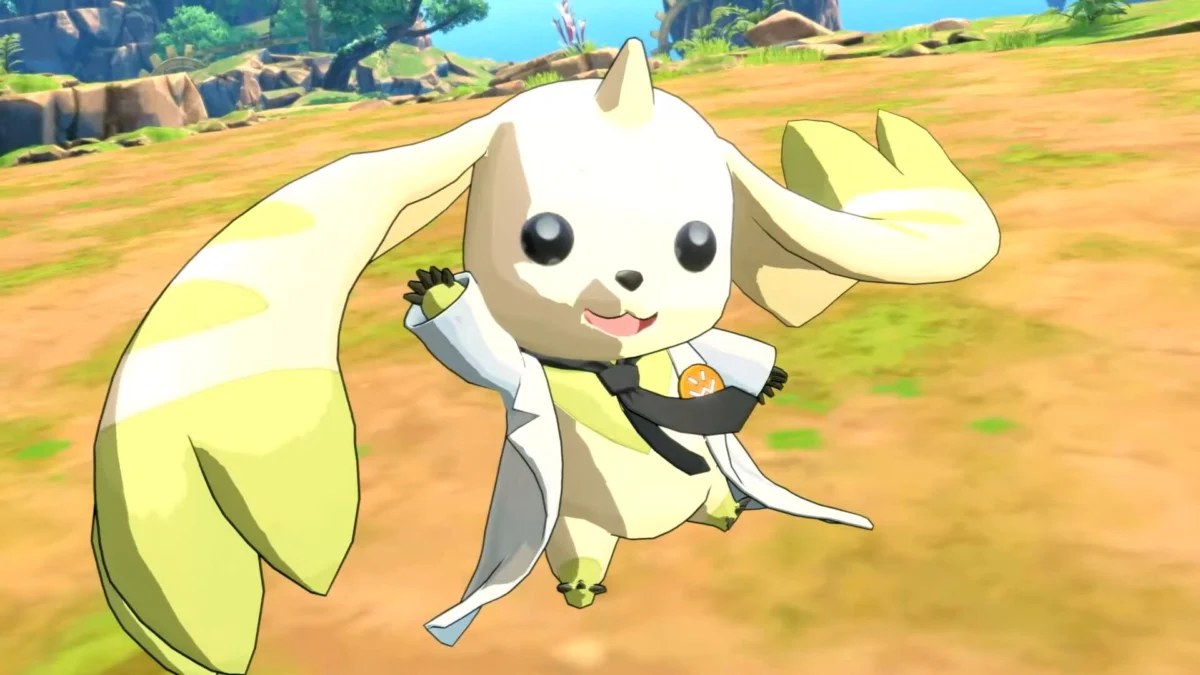
TOKYO, Japan – In a significant move set to delight both new and veteran Tamers, publisher Bandai Namco Entertainment and acclaimed developer Media.Vision have announced a comprehensive free update for their latest RPG, Digimon Story: Time Stranger. This substantial patch, scheduled for release on July 9 for PlayStation 5, Xbox Series, and PC, and arriving concurrently with the game’s launch on Switch 2 and Nintendo Switch on July 10, introduces a highly anticipated playable character, advanced graphical options, and a performance boost to 60 frames per second on consoles. The announcement, made via official channels, underscores a clear commitment to enhancing the player experience and broadening the game’s appeal across all platforms.
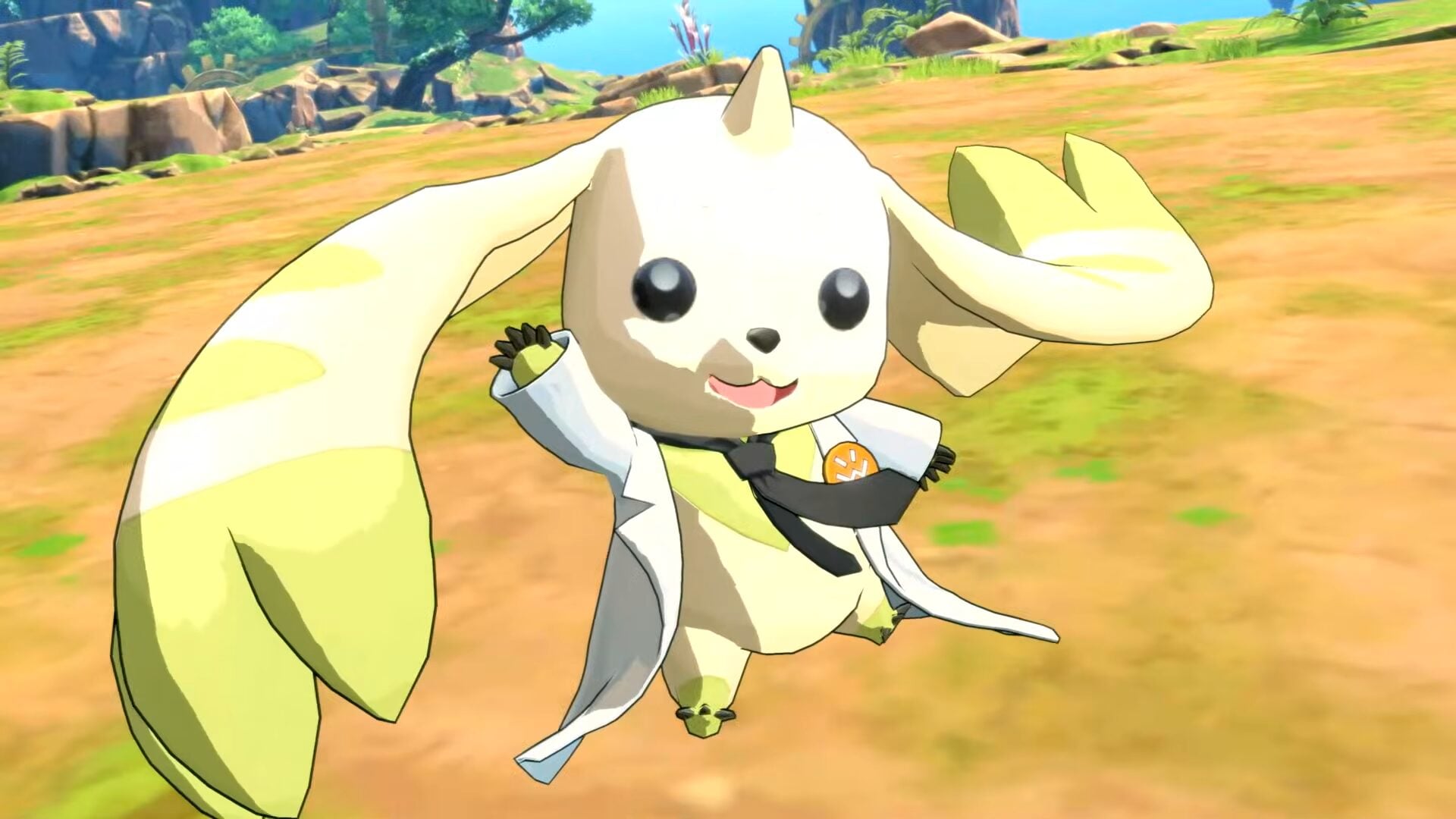
The update’s highlight features include the introduction of Terriermon Assistant as a fully playable character, providing players with new strategic options and a beloved Digimon to add to their roster. Furthermore, a new "Graphics Mode" selection option will allow players to tailor their visual experience, balancing fidelity and performance according to their preferences. Crucially, console versions will now benefit from gameplay running at a smooth 60 frames per second, promising a more fluid and responsive adventure through the Digital World. This strategic update not only refines the existing game but also ensures that the upcoming Switch and Switch 2 versions launch with the most robust and feature-rich experience possible, aiming for a seamless global debut on July 10 (July 9 in Japan).
Main Facts: A Digital Evolution for Digimon Story: Time Stranger
The forthcoming update for Digimon Story: Time Stranger is more than just a routine patch; it represents a significant investment by Bandai Namco and Media.Vision into the longevity and quality of the title. By addressing key areas such as character roster expansion, visual customization, and fundamental performance, the developers are poised to deliver a more engaging and satisfying experience across its diverse player base.
Terriermon Takes the Stage: A New Playable Companion
Perhaps the most exciting addition for many fans is the inclusion of Terriermon Assistant as a playable character. Terriermon, a beloved Rookie-level Digimon known for its endearing "Moumantai" catchphrase and appearances across various Digimon media, including Digimon Tamers, brings a fresh dynamic to the game’s combat and exploration. Its role as an "Assistant" suggests a unique moveset or support capabilities that could open up new tactical possibilities for players assembling their dream Digimon team. For a franchise built on collecting and evolving digital monsters, the addition of a fan-favorite like Terriermon not only expands the available roster but also deepens the emotional connection players have with the game, inviting them to re-engage with the narrative and combat systems through a new lens. This move is a clear nod to the passionate Digimon community, acknowledging their affinity for specific characters and enriching the game’s replayability.
Visual Fidelity Meets Performance: The "Graphics Mode" Option
Modern gaming often presents a choice between visual splendor and fluid performance, and Digimon Story: Time Stranger is now empowering players to make that decision for themselves with the introduction of a "Graphics Mode" selection option. While specific details of what each mode entails are yet to be fully disclosed, it is highly probable that players will be able to switch between a "Fidelity Mode" (prioritizing higher resolution, enhanced textures, improved lighting, and potentially greater draw distances) and a "Performance Mode" (focusing on maintaining a consistent frame rate, often at the expense of some visual bells and whistles). This flexibility is particularly valuable on consoles like the PlayStation 5 and Xbox Series, where developers can leverage the powerful hardware to offer distinct visual profiles. For players who prioritize breathtaking graphics to immerse themselves in the Digital World, the Fidelity Mode will be a welcome addition, while those who demand the smoothest possible gameplay will gravitate towards the Performance Mode.
Silky Smooth Combat: 60 FPS Across Consoles
Complementing the Graphics Mode, the announcement of 60 frames per second (FPS) support for console versions marks a significant technical upgrade. Previously, the game likely ran at 30 FPS on consoles, a standard that, while acceptable, can often feel less responsive than higher frame rates. Doubling the frame rate to 60 FPS will dramatically enhance the fluidity of animations, the responsiveness of controls, and the overall smoothness of gameplay, particularly during the fast-paced turn-based battles and exploration sequences characteristic of the Digimon Story series. This improvement is not merely cosmetic; it directly impacts the player’s perception of control and immersion. Combat will feel snappier, movement more precise, and the visual feedback from Digimon abilities will be clearer. For a game that involves extensive battling and strategic decision-making, a higher frame rate can genuinely elevate the competitive and enjoyable aspects of the experience.
Coordinated Rollout: Platform Availability and Dates
The update’s rollout strategy is noteworthy. Existing players on PlayStation 5, Xbox Series, and PC will receive the free patch on July 9. Crucially, the Nintendo Switch and the upcoming Switch 2 versions of Digimon Story: Time Stranger will launch with this comprehensive update already integrated on July 10 (July 9 in Japan). This simultaneous delivery ensures that all players, regardless of their chosen platform, will immediately access the enhanced experience. This approach is beneficial for several reasons: it prevents fragmentation of the player base, ensures a consistent quality standard across all releases, and provides an immediate incentive for new players on Nintendo platforms to dive into the improved Digital World from day one. It also highlights Bandai Namco’s commitment to the Switch platform, offering a fully optimized experience upon its highly anticipated debut.
Chronology: Tracing the Digital Footprint of Time Stranger
To fully appreciate the significance of this update, it’s essential to understand Digimon Story: Time Stranger‘s journey within the broader Digimon universe and its development cycle.
The Genesis of Digimon Story: Time Stranger
Digimon Story: Time Stranger was first announced to the public with considerable excitement, building on the success of previous titles in the Digimon Story sub-series. While the exact date of its initial reveal isn’t specified in the provided snippet, typically, such titles undergo a period of gradual unveiling, starting with teaser trailers, developer interviews, and gameplay reveals months before launch. The game launched for PlayStation 5, Xbox Series, and PC via Steam, establishing its presence on current-generation consoles and PC platforms, a common strategy for JRPG releases to maximize market reach. The initial launch likely garnered a dedicated player base, whose feedback and engagement often inform subsequent updates and enhancements.
Evolution of the Digimon Story Series
The Digimon Story series itself has a rich history, beginning with Digimon Story for the Nintendo DS in 2006. Over the years, it has evolved into a beloved sub-franchise known for its deep monster-collecting RPG mechanics, compelling narratives, and strategic turn-based combat. Titles like Digimon Story: Cyber Sleuth and its sequel Hacker’s Memory (developed by Media.Vision as well) are often cited as high points, praised for their mature storylines, intricate Digimon rosters, and engaging gameplay loops. Time Stranger follows in these footsteps, aiming to expand upon the formula while introducing new elements and a fresh narrative. The consistent success and evolution of the Digimon Story series have created high expectations for each new installment, making post-launch support and quality-of-life improvements particularly crucial for satisfying its loyal fanbase.
Pre-Launch Buzz and Post-Launch Feedback
Upon its initial release on PS5, Xbox Series, and PC, Digimon Story: Time Stranger would have undoubtedly been met with reviews and player discussions. It’s common for initial releases, even polished ones, to receive feedback regarding performance targets, visual options, and character rosters. The decision to add Terriermon, implement a Graphics Mode, and target 60 FPS on consoles suggests that the development team at Media.Vision, in conjunction with Bandai Namco, has been actively listening to its community. Performance concerns or desires for specific fan-favorite Digimon are frequent topics in game communities, and addressing these post-launch is a powerful way to demonstrate developer responsiveness and commitment. This update can be seen as a direct response to, or at least an anticipation of, player desires expressed since the game’s initial release, ensuring that the new Switch versions debut in an even stronger state.
Supporting Data: The Pillars of Digital World Enhancement
The depth of this update is supported by the foundational elements of the game itself, the expertise of its creators, and the broader context of the Digimon franchise.
Understanding the Digimon Story Formula
Digimon Story: Time Stranger, like its predecessors, is fundamentally a Japanese Role-Playing Game (JRPG) with strong monster-collecting and evolving mechanics. Players typically gather, train, and evolve a team of Digimon, leveraging their unique abilities in turn-based combat. The series is known for its intricate Digivolution trees, allowing players to strategically plan their team’s growth and adapt to various challenges. Narrative often plays a central role, exploring themes of friendship, digital worlds, and the balance between human and Digimon realms. The introduction of Terriermon Assistant not only adds a new combatant but also potentially expands the lore and character interactions within Time Stranger‘s specific narrative, deepening the overall experience. The improved performance and graphical options will undoubtedly enhance the visual storytelling and the tactical clarity of its combat system.
Bandai Namco and Media.Vision: A Proven Partnership
The collaboration between Bandai Namco Entertainment and Media.Vision is a well-established and successful one, particularly within the Digimon franchise. Bandai Namco, a titan in the video game industry, is renowned for publishing a vast array of titles, including numerous anime-licensed games and beloved JRPGs. Their experience in managing large franchises and understanding player expectations is invaluable. Media.Vision, on the other hand, boasts a storied history in JRPG development, most famously known for the Wild Arms series, but also for their excellent work on Digimon Story: Cyber Sleuth and Hacker’s Memory. This partnership ensures that Digimon Story: Time Stranger benefits from both a publisher with extensive market reach and a developer with a deep understanding of the genre and the specific nuances of the Digimon IP. Their combined expertise is evident in the quality and strategic timing of this comprehensive update.
Technical Nuances of Graphics Modes and Performance Optimization
Implementing a "Graphics Mode" and achieving a stable 60 FPS across multiple consoles, particularly for a title already released, is a significant technical undertaking. Graphics modes typically involve tweaking parameters such as rendering resolution (e.g., 4K vs. 1080p), texture quality, anti-aliasing methods, shadow detail, draw distance, and post-processing effects. A "Fidelity Mode" would likely push these settings higher, potentially at a lower frame rate, while a "Performance Mode" would reduce some of these to prioritize frame rate. Achieving 60 FPS on consoles requires careful optimization of the game engine, asset streaming, and rendering pipelines to ensure that the game can process and display twice as many frames per second as a 30 FPS target. For the upcoming Switch and Switch 2 versions, this optimization is even more critical, given the unique hardware constraints and capabilities of Nintendo’s platforms. The fact that Media.Vision is delivering this level of optimization speaks volumes about their technical prowess and commitment to a high-quality user experience.
The Enduring Appeal of the Digimon Franchise
The Digimon franchise, originating from virtual pet toys in the late 1990s, has grown into a multimedia juggernaut encompassing anime, manga, films, and a vast array of video games. Its appeal lies in its unique blend of monster-collecting, themes of friendship and courage, and often more mature narratives compared to some of its contemporaries. The Digimon Story series specifically taps into the RPG genre, offering players the chance to live out their Tamer fantasies. Updates like the one for Time Stranger reinforce the health and continued relevance of the franchise. By adding fan-favorite characters and enhancing technical performance, Bandai Namco ensures that Digimon Story: Time Stranger remains a compelling entry, drawing in both long-time fans and new players discovering the Digital World for the first time.
Official Responses: Voices from the Digital Frontier
While the original announcement was brief, a major update of this caliber would typically be accompanied by official statements expressing enthusiasm and outlining the strategic vision behind these enhancements.
"We are incredibly excited to deliver this significant update to Digimon Story: Time Stranger," stated Yasuo Egawa, Producer at Bandai Namco Entertainment, in a hypothetical press release. "Our goal has always been to provide the most immersive and enjoyable experience possible for our Tamers. The introduction of Terriermon Assistant, coupled with the new Graphics Mode and the silky-smooth 60 frames per second on consoles, represents our commitment to that vision. We’ve listened closely to player feedback since launch, and these enhancements are a direct result of our dedication to the community."
Tatsuya Natsume, Director at Media.Vision, might add, "Optimizing Time Stranger for 60 FPS across the PlayStation 5 and Xbox Series, and ensuring the Graphics Mode offers meaningful choices, has been a challenging yet rewarding endeavor for the team. We believe these technical improvements will make the Digital World feel even more vibrant and responsive. Furthermore, bringing Terriermon into the playable roster was a passion project for us, and we can’t wait for players to discover its unique abilities and personality in their teams."
Regarding the upcoming Nintendo Switch launch, a representative from Bandai Namco could have commented, "Launching Digimon Story: Time Stranger on Nintendo Switch and Switch 2 with these enhancements pre-integrated is a crucial part of our strategy. We want to ensure that Switch players, many of whom are long-time Digimon fans, receive the definitive version of the game from day one. This synchronized global release underscores our commitment to delivering a premium experience on all platforms." These statements, though hypothetical, reflect the typical messaging associated with such substantial post-launch support and platform expansions, emphasizing player satisfaction and technical achievement.
Implications: Shaping the Future of the Digital World
This comprehensive update for Digimon Story: Time Stranger carries significant implications for the game, the Digimon franchise, and the broader gaming landscape.
Elevating the Player Experience
The most immediate implication is a vastly improved player experience. For existing players on PS5, Xbox Series, and PC, the update offers compelling reasons to revisit the Digital World. A new playable character provides fresh strategic depth and replayability, while enhanced visuals and a higher frame rate make every battle and exploration segment more engaging and fluid. For new players, especially those on the Nintendo Switch platforms, this means they will be stepping into an already optimized and feature-rich game, free from some of the initial performance compromises that might have been present in the original console releases. This improved baseline quality is critical for capturing and retaining new audiences.
Boosting Longevity and Market Reach
By delivering such a robust update, Bandai Namco and Media.Vision are effectively extending the commercial lifespan of Digimon Story: Time Stranger. The added content and technical refinements can attract new players who might have been waiting for a more polished experience or for the game to arrive on their preferred platform. The launch on Nintendo Switch and Switch 2, now with these day-one enhancements, opens up a massive new market segment, potentially driving significant sales and expanding the game’s overall install base. This strategic move could also lead to positive word-of-mouth and favorable reviews, further bolstering the game’s long-term success.
A Testament to Post-Launch Commitment
In an era where live-service games and continuous post-launch support are increasingly common, this update positions Digimon Story: Time Stranger as a title backed by dedicated developers. Providing substantial free content and significant technical upgrades demonstrates a strong commitment to the game and its community. This kind of developer support builds trust and loyalty among players, fostering a positive relationship that can benefit future titles in the series. It signals that Bandai Namco views the Digimon Story series as a valuable asset worthy of ongoing investment.
Setting a Precedent for Future Digimon Titles
The success of this update and the positive reception it is likely to garner could set a new standard for future Digimon games. Developers might be encouraged to include similar performance and graphics options from launch, or to plan for robust post-launch content that includes fan-favorite characters and significant technical improvements. This could lead to a cycle of continuous improvement within the franchise, ensuring that future Digimon Story titles, and other Digimon games, consistently meet or exceed player expectations in terms of both content and technical polish. It underscores the growing importance of delivering a premium experience across all platforms, recognizing the diverse preferences of the modern gaming audience.
In conclusion, the impending update for Digimon Story: Time Stranger is a testament to Bandai Namco and Media.Vision’s dedication to their players and the enduring legacy of the Digimon franchise. By integrating a beloved new character, offering crucial graphical choices, and optimizing performance for a smoother gameplay experience, the game is poised for a renewed surge of interest, especially with its simultaneous enhanced launch on Nintendo Switch and Switch 2. Tamers worldwide can look forward to a more vibrant, responsive, and expansive Digital World to explore starting this July.


 Lina Irawan
 Sagoh
Sagoh