

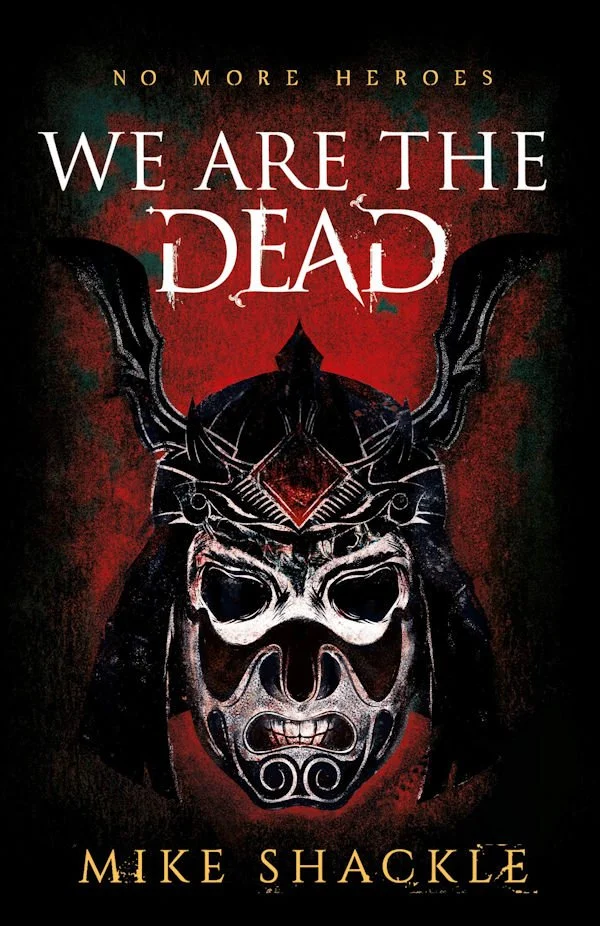
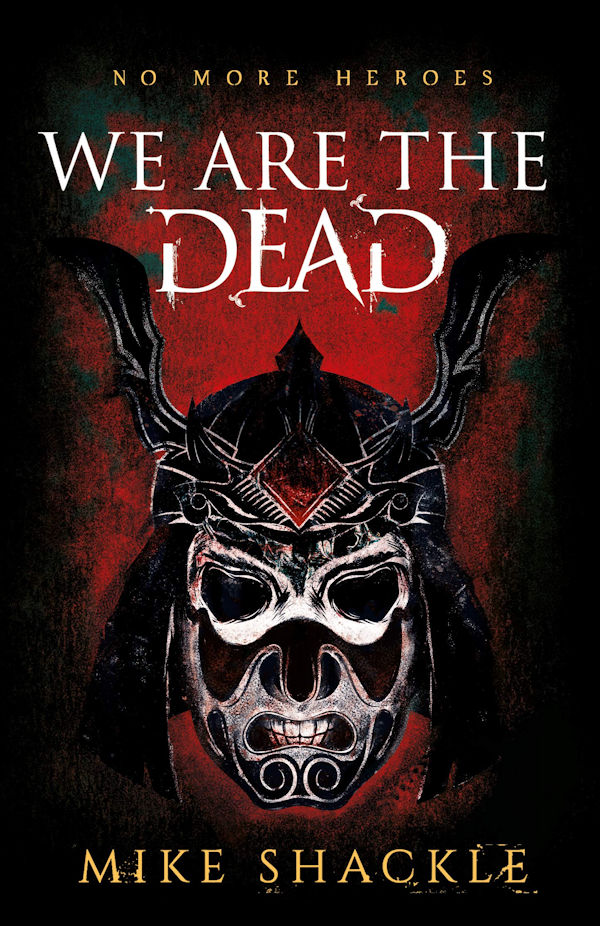
In the vast, often saturated landscape of modern fantasy, few series manage to strip away the artifice of the genre to reveal the raw, pulsing nerve of human endurance quite like Mike Shackle’s The Last War trilogy. Comprised of We Are the Dead, A Fool’s Hope, and Until the Last, the series serves as a harrowing, unflinching examination of what remains when a society is systematically dismantled by an occupying force.
Unlike traditional high fantasy, which often relies on grand prophecies, chosen ones, and the inevitable restoration of the status quo, Shackle’s work is a masterclass in the literature of occupation. It is a narrative of subtraction, where the goal is not to win, but to exist in a world that demands your erasure.
The Core Narrative: A Chronology of Occupation
The trilogy begins with the swift and catastrophic fall of the empire of Jia at the hands of the Egril. This is not a slow-burn geopolitical thriller; it is an immediate, violent reality check. From the opening chapters of We Are the Dead, the reader is thrust into a landscape where the familiar comforts of citizenship are replaced by the suffocating constraints of martial law.
Phase One: The Collapse (We Are the Dead)
The narrative lens focuses on three distinct protagonists: Tinnstra, Dren, and Yas. Through them, Shackle explores the immediate psychological trauma of defeat. The first volume serves as an analysis of the destruction of collective identity. The protagonists are forced to reckon with the fact that their world—their history, their culture, and their safety—has been erased. They are no longer heroes in a grand epic; they are refugees in their own homes, navigating a world where the occupation is not just a political reality, but a daily physical threat.
Phase Two: The Illusion of Agency (A Fool’s Hope)
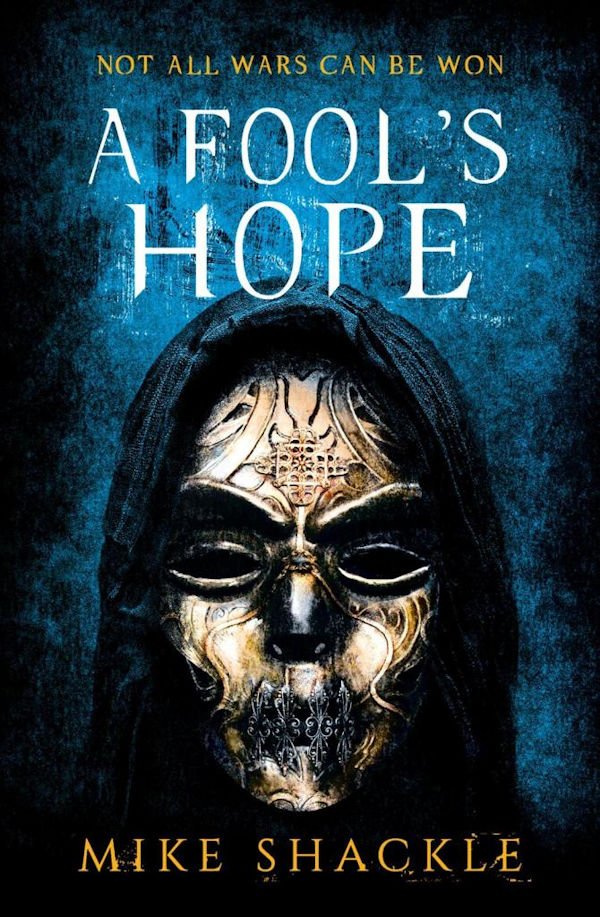
As the trilogy progresses into its second act, the narrative shifts toward the complexities of resistance. In A Fool’s Hope, Shackle dissects the romanticized notion of rebellion. Here, the characters learn that resistance is rarely a clean, heroic endeavor. It is messy, compromised, and often leads to more death rather than liberation. The book challenges the reader to define what “hope” looks like when the odds are not merely stacked against you, but absolute.
Phase Three: The Ultimate Reckoning (Until the Last)
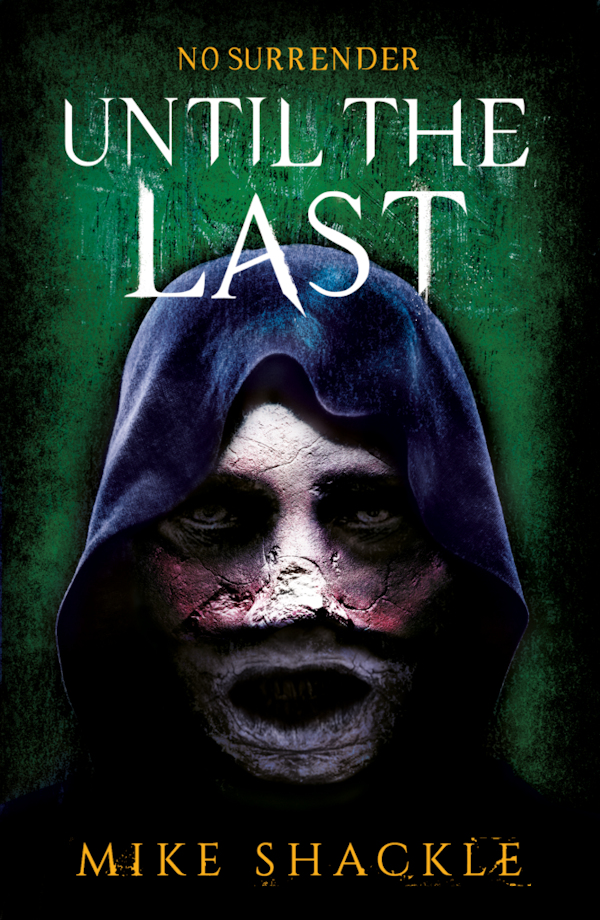
The series reaches its conclusion with Until the Last, a volume that pivots from the question of how to fight to the question of what it costs. The final installment acts as a brutal audit of the human spirit. It asks: at what point does the act of resisting destroy the very thing you are trying to save? By the time the final page is turned, Shackle has effectively redefined success, shifting it away from victory and toward survival, memory, and the preservation of self.
Structural Mechanics: The Architecture of Tension
One of the most distinct features of The Last War is its refusal to adhere to standard fantasy "plot mechanics." There are no traditional quests, no hidden artifacts to retrieve, and no prophecies to fulfill. Instead, Shackle builds his narrative on a foundation of mounting, relentless pressure.
The "Squeeze" Strategy
Shackle utilizes a narrative technique that could be described as the "compression of the walls." As the trilogy progresses, the protagonists are given less space, less time, and fewer options. This lack of "narrative breathing space" is a deliberate stylistic choice. While some readers may find the intensity overwhelming, it serves the story’s primary goal: to force the reader to inhabit the mindset of the occupied. The pacing mirrors the feeling of a societal collapse—it is a claustrophobic, grinding experience that refuses to offer the relief of a traditional “win.”
Deconstructing the Archetypes
Shackle’s treatment of character tropes is surgical. He takes the archetypes we have come to expect—the noble soldier, the defiant rebel, the reluctant hero—and places them in an environment where these roles are not only unsustainable but often lethal.
- Tinnstra: Once a figure of heroic potential, she is distilled into a reactive, desperate survivor.
- Dren: The traditional soldier is stripped of his honor and forced into the role of a compromised fighter, making decisions that haunt his morality.
- Yas: The archetypal rebel is forced to confront the futility of her actions, eventually evolving into a weary, hardened dissenter.
By stripping these characters of their genre-specific armor, Shackle reveals the human fragility underneath. Their growth is not measured by levels gained or power acquired, but by the level of damage they can absorb before breaking.
Worldbuilding Through Erasure
In traditional fantasy, worldbuilding is often delivered through "lore dumps"—elaborate histories and maps that establish the setting. Shackle, however, employs a far more evocative method: worldbuilding through destruction.
We learn about the culture of Jia not through historical exposition, but through the process of losing it. As the Egril dismantle Jia’s social structures, the reader experiences the loss in real-time. This gives the setting a grounded, lived-in texture that is rarely achieved in high-concept fantasy. The stakes are not abstract (e.g., "the world will end"); they are immediate and personal (e.g., "the shopkeeper who gave me bread is dead"). This street-level perspective keeps the narrative focused, intimate, and perpetually dangerous.
Thematic Implications: Beyond "Grimdark"
A common question regarding this series is whether it falls under the "grimdark" umbrella. While the tone is undeniably dark, the series avoids the nihilistic trap that often plagues the subgenre.
Sincerity over Spectacle
The violence in The Last War is never gratuitous; it is always consequential. Shackle avoids the trap of glorifying brutality, ensuring that every act of violence has a ripple effect on the characters and the plot. The bleakness of the series does not equate to a lack of depth. On the contrary, it is precisely because the world is so bleak that the small, flickering moments of human connection and integrity matter so much.
The Function of Prose
Shackle’s prose is functional, sharp, and lean. He does not waste time with flowery flourishes; his writing is designed to wear the reader down, much like the methods of the villains he portrays. This linguistic efficiency is essential to the tone of the trilogy. It mirrors the austerity of the lives the characters are forced to lead.
The Legacy of the Trilogy
The Last War is not a series designed for escapism. It is a demanding, rigorous, and deeply sincere work of literature that asks the reader to look at the darker corners of human history and psychology. It succeeds because it refuses to blink.
For the reader who values character development over spectacle, and consequence over convenience, the series offers a profound experience. It is a testament to the idea that even when victory is off the table, the act of fighting—of simply refusing to be erased—carries its own weight. Mike Shackle has crafted a work that feels like a well-placed blow to the head: it is shocking, it is painful, and it leaves an indelible mark long after the final chapter.
In the final assessment, The Last War trilogy stands as a landmark in contemporary fantasy. It is a reminder that the most compelling stories are not always the ones where the hero saves the world, but the ones where they manage to retain their humanity in a world that is doing everything in its power to strip it away. It is a grueling, necessary read that demands the reader’s full attention—and in return, it offers an emotional payoff as complex and satisfying as any in modern fiction.











No comments yet. Be the first to join the conversation!