

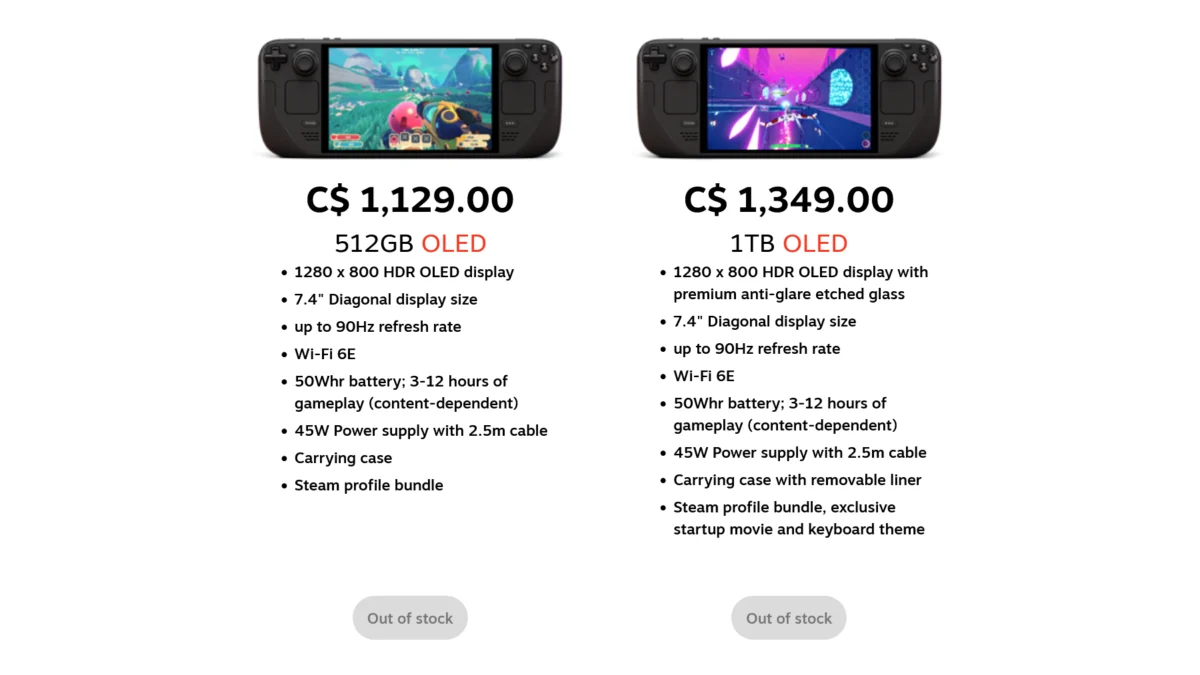
In a move that has sent shockwaves through the handheld gaming community, Valve recently implemented a dramatic pricing adjustment for its flagship Steam Deck hardware. The company’s 1TB OLED model, previously a benchmark for portable gaming value, saw its cost skyrocket to $949—a staggering 50% increase that many industry analysts initially assumed would curb consumer demand. However, in a twist that highlights the current volatility of the global electronics market, the inventory was liquidated almost as quickly as it appeared on the digital storefront.
The rapid depletion of stock suggests that for many enthusiasts, the desire for high-end portable gaming performance outweighs even the most aggressive of price hikes. Yet, beneath this retail frenzy lies a more complex narrative of supply chain fragility, the looming shadow of the upcoming Steam Machine, and a broader, systemic crisis in the semiconductor industry.
The Chronology of a Price Surge
The timeline of this disruption began yesterday when Valve pushed a widespread update to its regional storefronts. The adjustment was not subtle. By pushing the price of the top-tier 1TB model to $949, Valve essentially repositioned the device from a "value-driven handheld" to a "premium niche product."
Initial market sentiment was one of disbelief. Industry pundits and consumer forums were flooded with commentary suggesting that such a significant premium would inevitably lead to stagnant inventory. Yet, the data proved otherwise. Within hours of the update, stock levels across North America began to plummet. By the 24-hour mark, the storefront reported intermittent availability, characterized by a "whack-a-mole" experience where individual SKUs would flicker in and out of stock as if being allocated in microscopic batches.
Valve’s official store page now carries a sobering advisory: "Steam Deck OLED may be out-of-stock intermittently in some regions due to memory and storage shortages." This acknowledgment marks a departure from the relatively stable availability the device has enjoyed since its initial launch, signaling that the supply chain is no longer just "strained"—it is effectively brittle.
The Anatomy of a Supply Chain Crisis
To understand why the Steam Deck has become so difficult to acquire, one must look at the macro-economic forces currently crushing the hardware sector. The "memory and storage shortages" cited by Valve are not merely local distribution hurdles; they are symptoms of a global competition for resources driven by the AI boom.
AI-Fueled Component Competition
The massive, insatiable demand for high-bandwidth memory (HBM) and enterprise-grade storage from major AI infrastructure players has created a bottleneck that trickles down to consumer electronics. When companies like NVIDIA, Microsoft, and Google place massive, high-margin orders for DRAM and NAND flash, consumer-grade hardware manufacturers find themselves competing for the remaining scraps.
This scarcity has driven up the spot price of these components, leaving hardware companies with two choices: absorb the cost and shrink profit margins to the point of insolvency, or pass the cost onto the consumer. Valve, like many others, has chosen the latter.
The Looming Shadow of the Steam Machine
Compounding the supply issue is the strategic allocation of resources toward Valve’s next major hardware play: the upcoming Steam Machine, slated for a 2026 debut. While the Steam Deck remains the company’s current bread and butter, the transition toward a new, potentially more powerful home-console-style unit requires a massive commitment of raw components and assembly capacity.
Industry analysts suggest that Valve is currently balancing a "trilemma": maintaining support for the aging (but popular) LCD Steam Deck, producing the premium OLED models, and stockpiling for the upcoming Steam Machine launch. With limited manufacturing slots available, it is likely that the Steam Deck is being deprioritized in favor of future-proofing the company’s hardware roadmap.
Supporting Data: A Global Perspective
While the North American market is currently experiencing the most acute shortages, the situation varies globally. Services like Deck Scan—which monitors real-time inventory levels across the US, UK, Europe, and Australia—provide a grim picture of the current availability.
In many territories, the "refresh-button-mashing" strategy has become the only way for consumers to secure a unit. However, there are anomalies. As of yesterday, the older LCD model remained available in certain regions, such as Australia, at its original, unadjusted price point. This suggests that Valve’s inventory strategy is highly segmented; they are not merely raising prices globally, but are managing a dwindling pool of legacy parts in some regions while forcing the new price architecture in markets with higher purchasing power.
Implications for the Consumer
The most pressing question for the average gamer is whether these prices will ever return to "normal." Historically, electronics prices trend downward as components mature and manufacturing processes become more efficient. However, current market indicators suggest we may be entering an era where hardware pricing is permanently higher.
The "New Normal" in Tech Pricing
If consumers continue to purchase the Steam Deck at the $949 price point, Valve has very little incentive to lower it. From a business standpoint, the high price serves a dual purpose: it slows the rate of sales to match the slow, inconsistent supply of components, and it establishes a higher price floor that protects the company’s bottom line against future cost increases.
Furthermore, the warning from industry leaders—such as the CEO of Team Group—remains a dark cloud over the horizon. DRAM and SSD prices are projected to continue their upward trajectory through the end of the year. If the fundamental components of a gaming PC are becoming more expensive, the Steam Deck is not an outlier; it is a bellwether for the entire handheld PC industry.
What This Means for Future Hardware
For the consumer, the implications are clear: the "cheap" era of handheld gaming may be drawing to a close. If you are waiting for a price drop, the market signals suggest that you might be waiting for an event that will never materialize.
For those who rely on tools like Deck Scan or persistent refreshing of the Steam store, the advice remains the same: if you have the capital and a genuine need for the device, do not wait. The scarcity of components is not a temporary hiccup but a structural reality of the current technology landscape.
Conclusion: A Precarious Future
Valve finds itself in a position of both success and frustration. The fact that the Steam Deck sells out at nearly $1,000 is a testament to the immense brand loyalty and the quality of the SteamOS ecosystem. Users are not just buying a piece of hardware; they are buying into a platform that has revolutionized how we think about portable gaming.
However, the "kidney-punch" price hike is a stark reminder that even the most beloved companies are beholden to the laws of supply and demand. As the industry pivots toward more intensive AI-driven hardware requirements and away from consumer-grade portable components, Valve’s struggle to keep the Steam Deck in stock is likely just the beginning of a larger, more difficult conversation about the accessibility of high-end gaming hardware in the coming decade.
For now, the store pages remain largely empty, the price remains high, and the global supply chain remains locked in a tug-of-war that the average gamer is destined to lose. Whether the 2026 Steam Machine will offer a more sustainable path forward remains to be seen, but one thing is certain: the handheld market has fundamentally changed, and it is unlikely to ever go back to the way it was.












No comments yet. Be the first to join the conversation!