


By Editorial Staff
May 28, 2026
The revival of X-Men ’97 has been nothing short of a cultural phenomenon, successfully capturing the nostalgic essence of the 1990s animated series while injecting it with a modern, high-stakes narrative urgency. However, for all the acclaim the series has garnered, one particular plot thread continues to haunt the fanbase: the tragic demise of Remy LeBeau, the Ragin’ Cajun known as Gambit.
As the release of Season 2 approaches, the air is thick with speculation. While the first trailer offered fans a glimpse at the X-Men’s upcoming struggle—including a time-bending conflict involving the ancient tyrant Apocalypse—it was conspicuously devoid of the kinetic card-thrower. For those mourning the hero who sacrificed his life to save Genosha, the wait has been agonizing. Yet, behind the scenes, the show’s producers are dropping hints that suggest Gambit’s story may be far from over.
The Shadow of the Horseman: Analyzing the Season 1 Cliffhanger
The conclusion of X-Men ’97 Season 1 left audiences reeling. In a climactic act of heroism, Gambit threw himself into the path of an Omega Sentinel attack on Genosha, effectively ending his own life to prevent a catastrophic loss of life among his fellow mutants. It was a definitive, heart-wrenching end to a beloved character arc.
However, the post-credits sequence of the season finale provided a glimmer of ambiguity that has fueled months of fan theories. The scene featured the ancient mutant Apocalypse scavenging through the rubble of the destroyed Genosha. His discovery of one of Gambit’s playing cards, coupled with his ominous mutterings about "so much death," served as a direct thematic link to the character’s potential resurrection.
In the lore of Marvel Comics, Apocalypse is rarely interested in simple destruction. His obsession lies in the selection and transformation of his "Four Horsemen"—Death, Famine, War, and Pestilence. The presence of a fallen hero’s calling card in the hands of the series’ primary antagonist is a classic narrative breadcrumb, suggesting that the "Death" of the X-Men may be recruited into the service of the villain.
Official Stance: Producers Play the "Breadcrumb" Game
In a recent interview with Entertainment Weekly, series producers Eric and Julia Lewald addressed the growing fervor surrounding Gambit’s fate. Maintaining a delicate balance between transparency and secrecy, the pair acknowledged that they are aware of the fan theories—and they aren’t discouraging them.
"We probably don’t wanna get too close to answering that specifically, but appreciate that a lot of folks are picking up breadcrumbs," Julia Lewald stated. Her comment suggests that the inclusion of the playing card in the post-credits scene was an intentional signpost for the audience, rather than a mere Easter egg.
Eric Lewald, however, was slightly more forthcoming, offering a playful challenge to the viewership. "If you were a betting man, I would say, follow the breadcrumbs," he teased. This directive has sent fans into a frenzy of re-watching the source material, specifically looking for parallels between the current iteration of the show and the long, storied history of the X-Men in print.
Chronology of a Martyr: From Hero to Horseman
To understand the trajectory of a potential Gambit return, one must look at the 2006 comic book storyline Blood of Apocalypse, written by Peter Milligan with illustrations by Salvador Larroca. In this arc, occurring in the wake of the "M-Day" event—where the Scarlet Witch stripped most of the world’s mutants of their powers—a desperate Gambit seeks out Apocalypse.
Gambit’s motivation in the comics was grounded in a complex, if misguided, hope. He believed that if he could convince Apocalypse to return, the ancient mutant might be able to restore the mutant population. To achieve this, he volunteered to become the Horseman known as "Death." His only condition was that his mind remain his own, a demand he quickly realized was futile when dealing with a being as manipulative as En Sabah Nur.
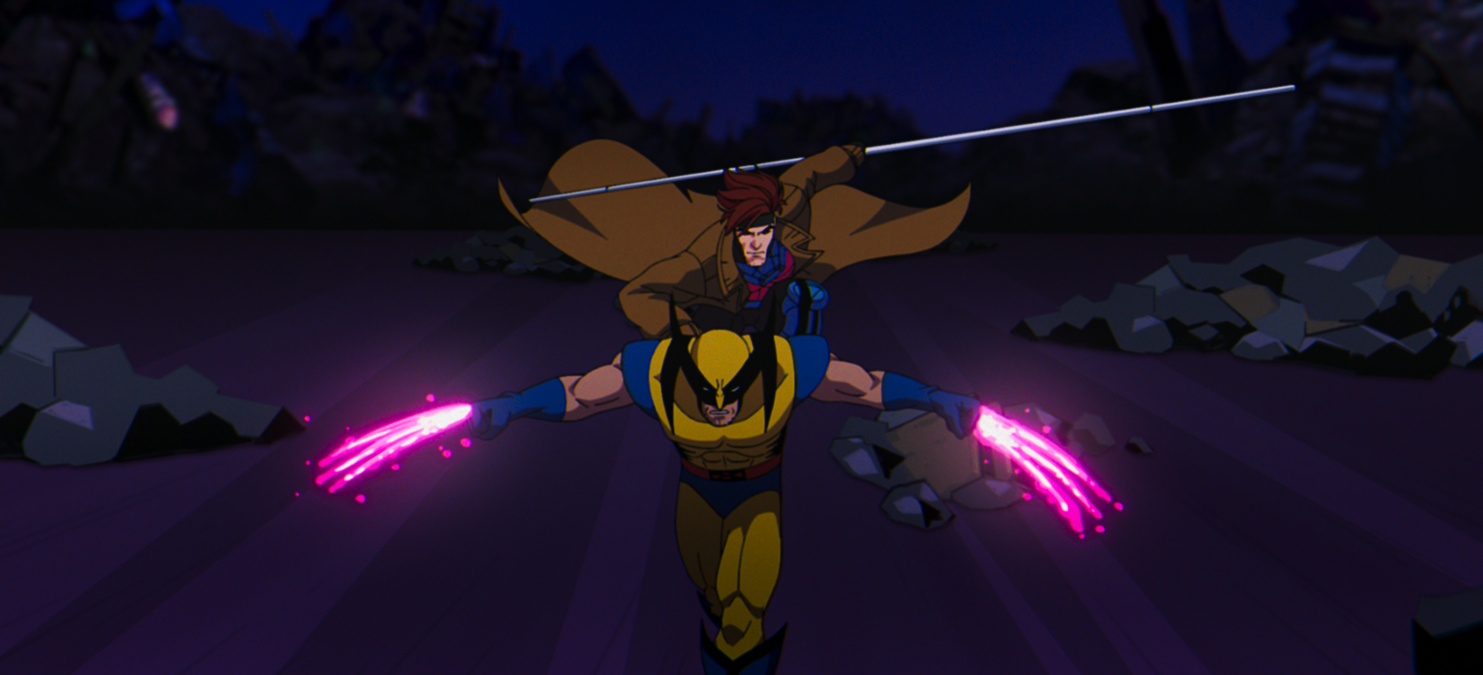
In the comics, the transformation process is brutal. Apocalypse has historically recruited high-profile X-Men—including Storm, Wolverine, and even Professor X—to serve as his agents of chaos. The process usually involves a complete erasure or corruption of the individual’s original personality, a tragedy that would be particularly painful for viewers of X-Men ’97 who have spent the last year watching Gambit’s deepening relationship with Rogue.
The Divergence: Comics vs. Animation
While the source material provides a clear blueprint, X-Men ’97 has proven itself adept at subverting expectations. In the comics, Gambit’s transition into Death was a choice born of desperation. In the animated series, however, Gambit’s sacrifice in Genosha was an act of pure, selfless heroism. He is effectively a corpse, not a volunteer.
This changes the stakes entirely. If Apocalypse is to recruit Gambit in Season 2, it will not be through a bargain or an alliance, but through the literal reclamation of a deceased hero. This adds a layer of cosmic horror to the story. If the writers choose to follow this path, they are setting the stage for a tragic conflict: Rogue and the X-Men may be forced to fight a version of their friend that no longer remembers them.
Implications for Season 2: A Multi-Timeline Crisis
The second season of X-Men ’97, set to premiere on Disney+ on July 1, 2026, promises a narrative scope that spans multiple eras. The trailer reveals that the X-Men will be scattered across time. One faction of the team will find themselves in Ancient Egypt, interacting with a younger, pre-villainous version of En Sabah Nur. Simultaneously, another segment of the team will be forced to contend with a future where Apocalypse has successfully conquered the planet.
The complexity of these timelines provides a unique opportunity for the writers. Apocalypse’s ability to manipulate the fabric of time and reality means that the "Gambit" who returns might not be the one who died in Genosha. He could be a version plucked from a different point in the timeline, or a construct of Apocalypse’s dark science.
Furthermore, the involvement of characters like Mister Sinister—who played a pivotal role in reversing the Horseman process in the comics—suggests that the show may pull from several different eras of X-Men history to construct its Season 2 arc.
Conclusion: The Hope of the Fandom
As the July 1 premiere date approaches, the excitement for X-Men ’97 is at an all-time high. The show has managed to accomplish what few reboots achieve: honoring the legacy of the past while crafting a story that feels fresh and dangerous.
Whether or not the producers truly intend to bring Gambit back remains the central mystery of the upcoming season. However, the consistent focus on the "breadcrumbs" left by the showrunners suggests that the creators are well aware of the character’s popularity and the emotional resonance of his death.
If the production team chooses to resurrect Gambit through the lens of the Horseman of Death, it will undoubtedly lead to some of the most emotionally charged television of the year. For now, fans can only wait, speculate, and watch as the timeline begins to unravel. One thing is certain: in the world of the X-Men, no one stays buried forever, especially when the shadow of Apocalypse is looming over the horizon.
X-Men ’97 Season 2 premieres exclusively on Disney+ on July 1, 2026.











No comments yet. Be the first to join the conversation!