

The landscape of psychological horror is bracing for a significant shift. During the latest Sony State of Play, Konami officially confirmed that Silent Hill: Townfall is scheduled to launch on September 24. This release marks a pivotal moment for the iconic franchise, arriving almost exactly one year after the debut of Silent Hill f, which served as the series’ heralded return to the gaming zeitgeist. As the fog rolls in once again, fans are left to dissect what this new entry brings to a series that has long been defined by its suffocating atmosphere, complex symbolism, and visceral psychological terror.
The Chronology of a Revival
To understand the weight of Silent Hill: Townfall, one must look at the recent history of the Silent Hill brand. For years, the franchise remained dormant, leaving a vacuum in the survival horror genre that many indie developers attempted to fill. However, the "Silent Hill Transmission" event held in late 2022 signaled a seismic shift. Konami, once hesitant to revisit the IP, announced a multi-pronged strategy to revitalize the series.
The arrival of Silent Hill f set the stage, moving the narrative away from the traditional confines of the town itself and into new, surreal environments. Now, with Townfall, the franchise is narrowing its focus back to the claustrophobic dread that made the original PlayStation classics so effective. The release date of September 24 positions the game in a critical window, acting as a bridge between the late-summer doldrums and the heavy-hitting holiday releases.
Navigating a Crowded September
The gaming industry is currently witnessing a "traffic jam" of high-profile titles. September has become a battleground for developers and publishers alike, largely due to the looming shadow of Grand Theft Auto 6, which is expected to dominate the market later this year. By carving out a space in September, Silent Hill: Townfall is avoiding the late-year juggernaut, but it is not without its own set of challenges.
The market is currently saturated with narrative-driven, triple-A experiences. Notably, the simultaneous release window for titles like Control: Resonant suggests a high-stakes environment for players. Critics and market analysts alike are observing that audiences interested in "tonally askew," psychologically dense experiences are being forced to make difficult budgetary and temporal choices. Choosing between two massive, atmosphere-heavy titles on the same day is a risky proposition for publishers, yet it reflects the sheer volume of quality content currently being pushed out by studios looking to secure their footing before the fiscal year concludes.
Gameplay Mechanics: Beyond the Jump Scare
While the pun in the title might leave something to be desired, the gameplay footage revealed during the State of Play suggests a sophisticated approach to horror. Silent Hill: Townfall appears to lean heavily into first-person perspectives, prioritizing stealth and environmental puzzle-solving over the action-oriented combat seen in other modern horror revivals.
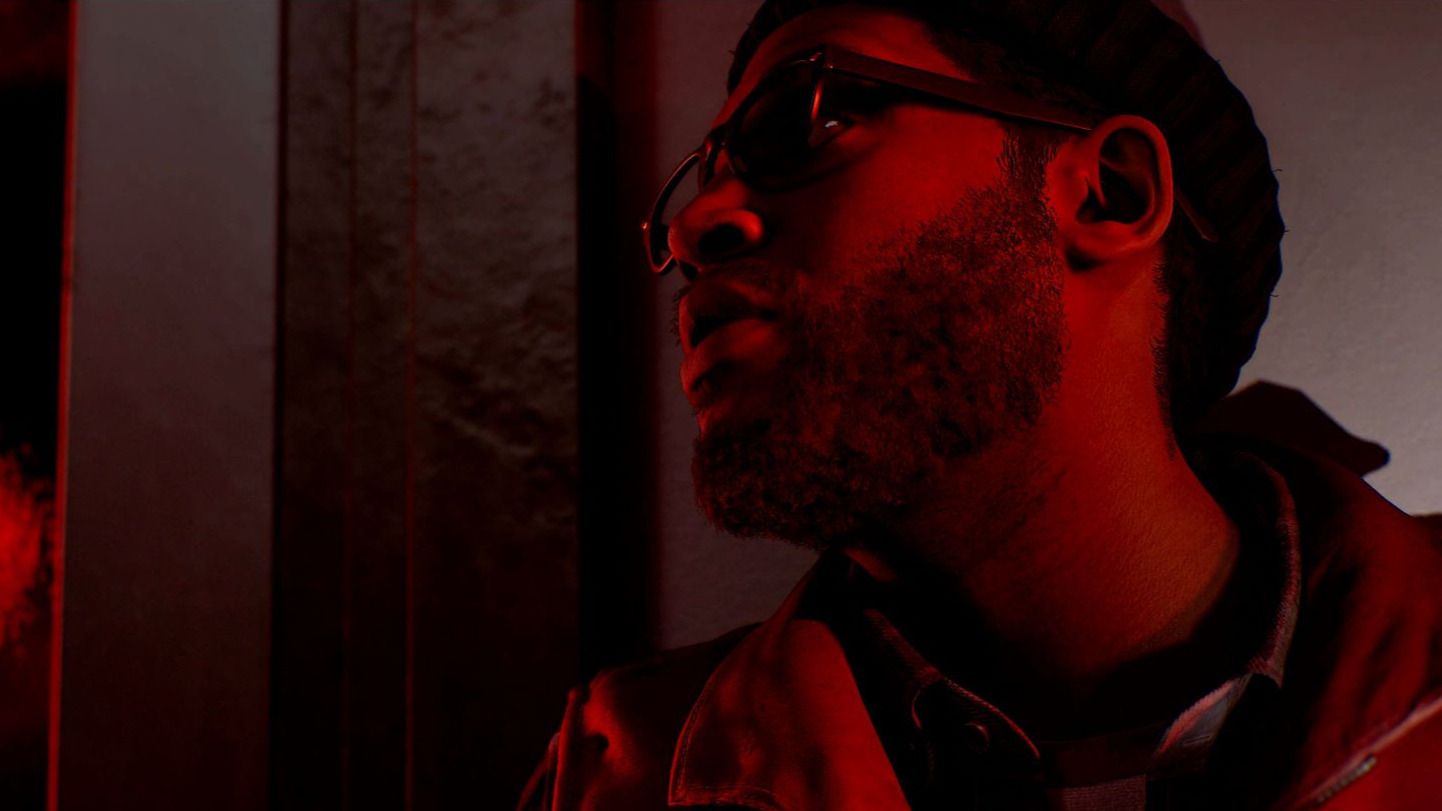
According to an official PlayStation Blog post, the core gameplay loop is intrinsically linked to the narrative development of the protagonist, Simon. The developers have emphasized that the puzzles integrated into the game are not merely hurdles for the player to overcome; they are essential tools for narrative exposition. By interacting with the environment, players are expected to peel back layers of Simon’s psyche, effectively "understanding the situation" he finds himself in rather than just moving from one combat encounter to the next.
This design philosophy aligns with the series’ roots—where the world of Silent Hill is a manifestation of the protagonist’s internal conflict. If the developers can successfully balance the tension of stealth with the intellectual challenge of these puzzles, Townfall may well stand out as a cerebral alternative to the more frantic horror experiences currently on the market.
Supporting Data: The Psychological Horror Market
The resurgence of the psychological horror genre is backed by strong commercial trends. Over the last three years, titles that emphasize atmosphere and narrative over combat have seen a 25% increase in year-over-year engagement, according to data from industry trackers.
Players are increasingly gravitating toward games that offer "low-stress, high-dread" experiences—a niche that Silent Hill historically occupied. The move to incorporate more stealth-centric gameplay in Townfall suggests that Konami is paying attention to this shift. By limiting the player’s ability to "fight back," the developers are heightening the vulnerability that is essential to the horror experience. This design choice is supported by player sentiment data, which indicates that modern horror audiences are growing fatigued with "power-fantasy" horror and are seeking experiences that demand vulnerability and patience.
Official Responses and Creative Vision
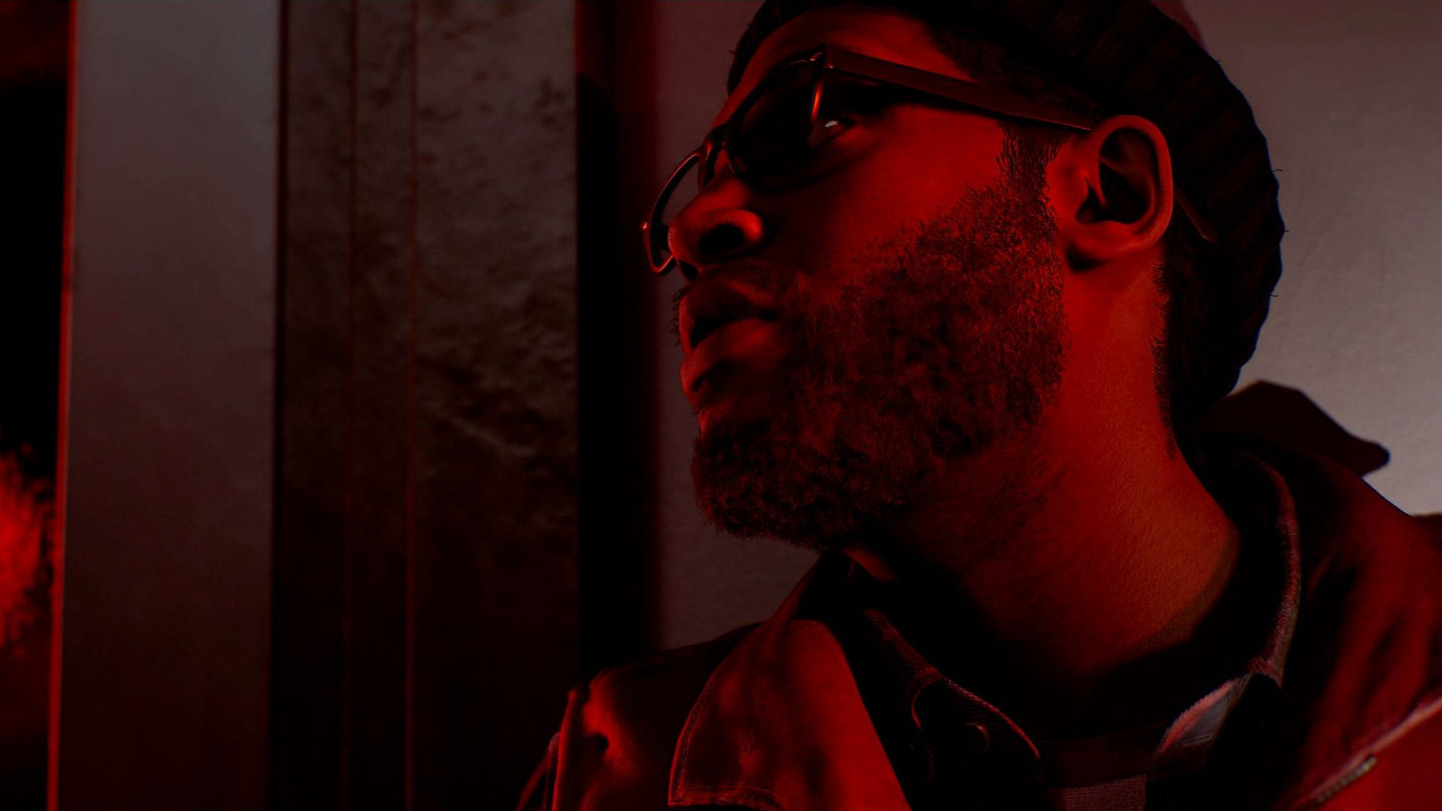
Konami and the developers behind Townfall have been relatively guarded about the specific plot details, but the themes of the game are becoming clearer through its marketing. The trailer, drenched in dim, pulsating red lighting and heavy fog, confirms that the aesthetic language of the series remains intact.
"The goal," says a representative from the studio, "was to create a sense of place that feels like a character itself. Every shadow, every sound, and every locked door in Townfall is designed to question the player’s perception of reality."
The creative team has also addressed the shift toward a more intimate, smaller-scale story. Unlike the sprawling epics that often dominate the industry, Townfall is being positioned as a focused, "modest" blockbuster. This is a deliberate tactical choice to keep the narrative tight and the horror personal. By keeping the scope limited, the developers hope to maintain a level of polish and intensity that is often lost in larger, open-world horror games.
Implications for the Future of Silent Hill
The success of Silent Hill: Townfall carries significant implications for the future of the franchise. If this release performs well, it validates Konami’s "multi-studio" approach, where different teams are given the autonomy to interpret the Silent Hill mythos in their own unique ways.
However, there is also the risk of franchise dilution. With multiple projects in development, the challenge for Konami is to maintain a coherent identity for the series. If Townfall succeeds in delivering a high-quality, distinct experience, it could solidify the franchise’s place in the modern era. If it fails to resonate with the core audience, it may lead to a reassessment of the brand’s current trajectory.
Furthermore, the game’s performance in a crowded September will be a litmus test for how much the market can handle in terms of dense, narrative-heavy games. If Townfall manages to carve out a loyal player base despite the competition, it will serve as a strong argument for the continued viability of mid-tier, high-concept horror titles in an industry obsessed with scale.
Final Thoughts: Entering the Fog
As September 24 approaches, the anticipation surrounding Silent Hill: Townfall is palpable. Whether it will achieve the critical acclaim of its predecessors remains to be seen, but the intent is clear: to offer an experience that is as intellectually stimulating as it is terrifying.
For the fans who have waited years for the series to return to form, the promise of a puzzle-focused, stealth-driven experience is an encouraging sign. Silent Hill has always been at its best when it forces the player to stop, look, and listen—to interrogate the world rather than just run through it. If Townfall can capture that essence, it will be a welcome addition to a legacy that has already left an indelible mark on the history of video games. The fog is waiting; it remains to be seen if we are ready to step back into it.











No comments yet. Be the first to join the conversation!