Ali Ikhwan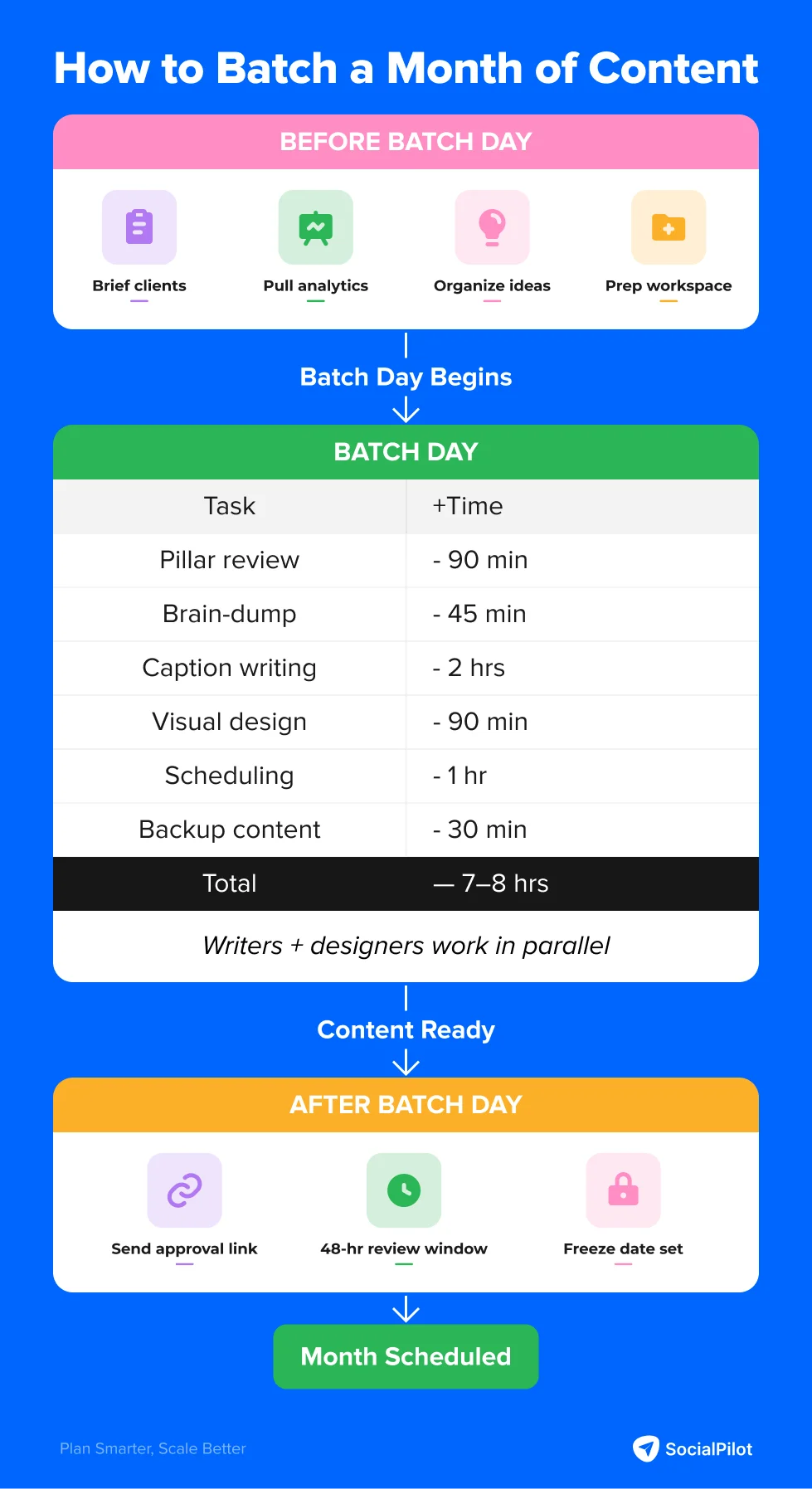
The modern social media manager is currently navigating a mental health crisis. According to the 2024 Mentally Healthy Survey, which synthesized insights from over 2,000 creative and marketing professionals, a staggering seven in ten industry practitioners report suffering from burnout. For those managing multiple client accounts, the culprit is rarely a lack of skill, but rather the relentless, reactive cycle of daily content creation.
The traditional "post-per-day" approach forces managers into a state of constant context-switching—jumping from drafting LinkedIn thought leadership for a tech startup to designing Instagram carousels for a retail brand. This fragmented workflow destroys focus, limits creativity, and ensures that by Friday, the following week’s content remains a blank slate.
The industry is beginning to pivot toward a more sustainable operational model: Content Batching. By shifting from reactive daily tasks to a proactive, structured monthly cycle, agencies can reclaim their time, improve content quality, and significantly reduce employee turnover.

The Strategic Shift: What Is Content Batching?
Content batching is the practice of grouping creative tasks—ideation, caption writing, graphic design, and scheduling—into a single, high-intensity, focused session. Instead of producing content piece-meal, agencies aim to complete a full month of output for all clients in one organized day.
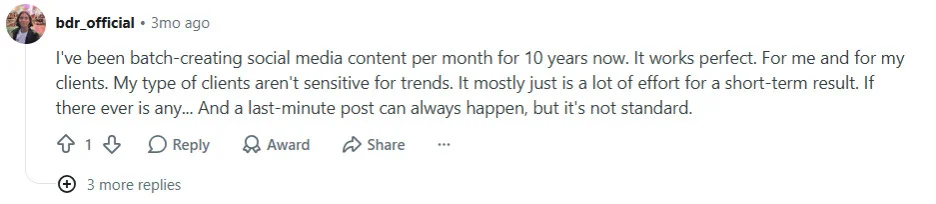
The primary benefit is the elimination of cognitive load. By staying in a "writing mode" or a "design mode" for an extended period, the brain achieves a flow state that is impossible to reach when constantly interrupted by notifications or last-minute client requests. As discussed in recent industry forums, batching is not merely a productivity hack; it is a fundamental shift in agency infrastructure that provides the flexibility needed to handle emergencies without derailing the entire calendar.
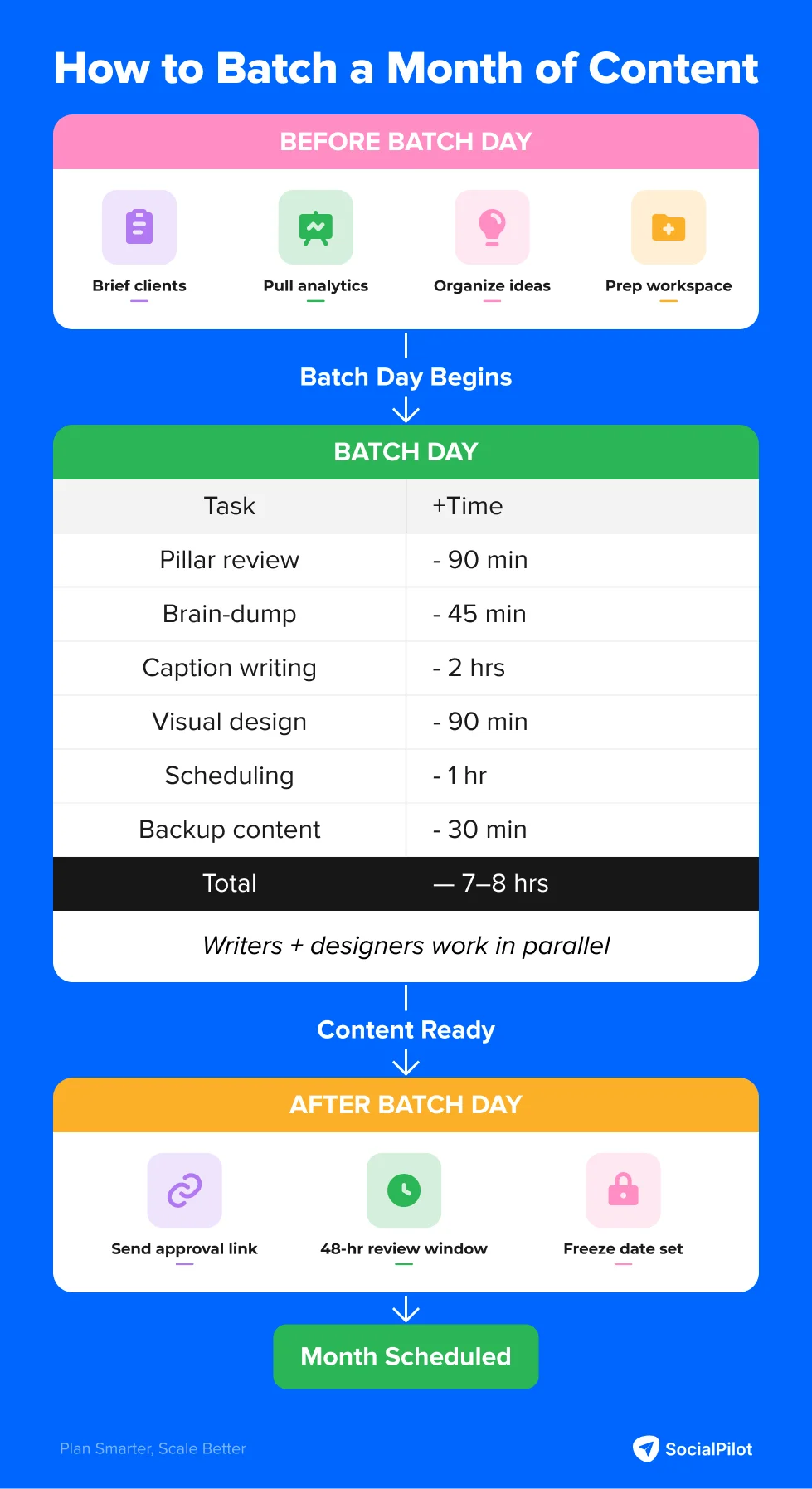
Pre-Batch Protocol: The 48-Hour Preparation Phase
The most frequent reason batching sessions fail is a lack of preparation. If your team enters the "Batch Day" without clear briefs, assets, or performance data, the day will devolve into a series of stalled tasks. Success requires a rigid 48-hour pre-flight checklist.

1. The Client Brief (48 Hours Out)
Do not assume you know what a client wants for the coming month. Send a concise, three-point questionnaire via Slack, email, or a platform like Typeform. Ask specifically for:
- Upcoming promotions or product launches.
- Key events or company milestones.
- Any changes to their primary marketing goals.
2. Performance Analytics Review
Before writing a single word, audit the previous month. Identify the top five posts by engagement rate—not just impressions. Determine if your audience favored video, carousel, or static imagery. Use these insights to adjust the content pillars for the upcoming month. Data-driven strategy, rather than "gut instinct," ensures that the time spent batching actually drives results.
3. The Idea Backlog
Batch day is for organizing ideas, not inventing them. Successful teams utilize a shared "Idea Bank" (via Notion, Trello, or Google Sheets) where team members drop links, memes, industry news, and inspiration throughout the month. One day before your batch session, review this bank and refine the concepts into actionable "working titles."
The 7-Hour "Batch Day" Master Schedule
To successfully manage 8 to 20 client accounts in a single day, teams must operate in parallel. While the strategy lead plans, writers draft, and designers build assets, the workflow must be synchronized.
| Time Block | Task | Focus |
|---|---|---|
| 9:00 – 10:30 AM | Strategy & Pillar Planning | Reviewing analytics and setting the month’s goals. |
| 10:30 – 11:15 AM | The "Brain-Dump" | Assigning working titles to every post. |
| 11:15 – 1:15 PM | Caption Writing | Drafting copy by pillar (e.g., all educational posts first). |
| 1:45 – 3:15 PM | Visual Design | Applying templates and selecting final assets. |
| 3:15 – 4:15 PM | Scheduling & Metadata | Tagging, platform-specific adjustments, and bulk uploads. |
| 4:15 – 5:30 PM | Quality Assurance | Building backup buffers and final review. |
Execution: The Art of Parallel Workflow
Pillar-Based Writing
Writers should never write by client; they should write by pillar. By writing all "educational" content across all clients in one session, the writer maintains a consistent tone and rhythm. Once that pillar is finished, they move to the next. This drastically reduces the time spent switching between different brand voices.
Template-Driven Design
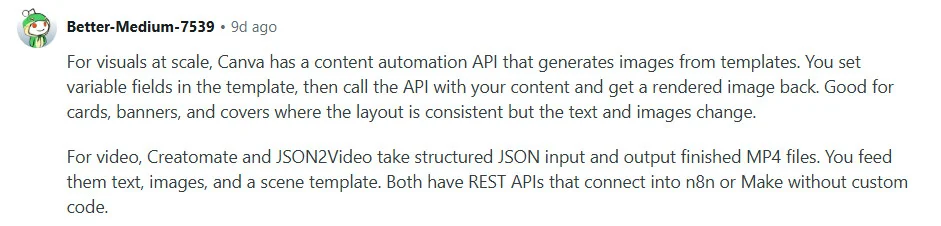
Designers should not be "creating"—they should be "populating." By using pre-built, branded templates in tools like Canva or Adobe Express, a designer can produce dozens of high-quality visuals in the time it would normally take to create one from scratch. Ensure each client has a dedicated asset folder containing logos, approved photography, and font assets before the session begins.
The "No-Complete, No-Schedule" Rule
The scheduling block is the most common failure point. A strict rule must be enforced: A post is not finished until it has a caption, a visual, a hashtag set, and a designated time. If a post is missing an image, it is not scheduled. This prevents the "broken post" phenomenon where managers are forced to scramble on the day of publication to fix missing elements.
Managing Client Approvals and the 80/20 Rule
The most significant bottleneck in agency life is the client approval cycle. To prevent this from derailing your productivity, adopt the "Single Link" approach. Rather than sending PDFs or disorganized email threads, use a centralized approval tool that allows clients to view the entire month’s calendar at once.
The Silent Approval Policy
Include a "Silent Approval" clause in your service contracts. State clearly that if no feedback is provided within 48 hours of the review request, the content will be considered approved and scheduled. This creates an incentive for clients to be timely and protects your agency’s delivery schedule.
Balancing Reactive and Proactive Content
A rigid calendar can become a liability if a major news event or industry shift occurs. Apply the 80/20 Rule: Plan 80% of the content during your batch day, and leave 20% of the slots "open." These open slots are reserved for reactive, real-time content. This allows your agency to stay nimble and relevant without having to dismantle the entire monthly strategy.
Implications of a Batched Workflow
The transition to a batching system has profound implications for an agency’s bottom line and culture:
- Increased Profit Margins: By reducing the time spent on administrative tasks and context-switching, agencies can handle more clients with the same headcount, effectively increasing the hourly value of the team.
- Standardization of Quality: When creative work is done in a focused, refreshed state rather than under the duress of a daily deadline, the quality of captions, design, and strategic intent improves.
- Improved Staff Retention: The reduction of "always-on" anxiety is the most significant benefit. By creating clear boundaries between "batching days" and "maintenance days," agencies can offer their staff a more predictable, sustainable work-life balance.
Conclusion: Making the System Stick
Batching is not a one-time project; it is a cultural change. It requires discipline, the right technological stack, and the courage to set firm boundaries with clients. Using tools like SocialPilot, which allow for dedicated workspaces and bulk scheduling, can turn this conceptual framework into a daily reality.
When an agency stops being a factory for daily, reactive content and starts operating as a strategic, batch-driven powerhouse, the result is not just a better social media calendar—it is a healthier, more profitable, and more sustainable business. The "what do I post today?" panic is officially a thing of the past; the future belongs to those who plan ahead.


 Nana
Nana
 Jia Lissa