Ammar Sabilarrohman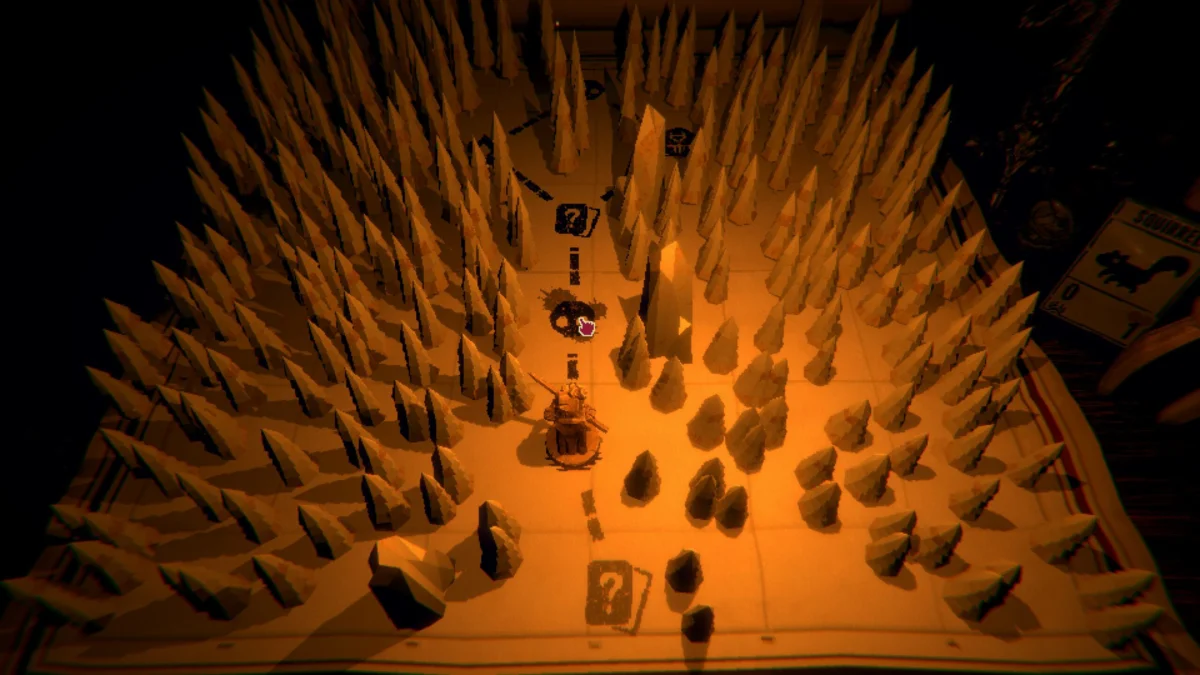
Fact Sheet
- Price: £16.79
- Developer: Daniel Mullins Games
- Publisher: Devolver Digital
- Platform: PC
- Genre: Deck-building Roguelike / Psychological Horror
It is a rare phenomenon for a video game to command your absolute attention from the moment the executable file initializes. Most titles ease the player in with tutorials, splash screens, or cinematic overtures. Inscryption, the latest magnum opus from developer Daniel Mullins, does not offer such luxuries. Instead, it offers a trap.
Upon booting the game, you are greeted by a "New Game" button that refuses to yield to your input. Your index finger taps fruitlessly against the screen, only to be rebuffed. In Inscryption, there are no new games. There is only the game—a singular, claustrophobic experience defined by ritual sacrifice, the smell of digital rot, and a malevolent force lurking just beyond the monitor’s edge.
The Anatomy of a Nightmare: Chronology and Gameplay
The narrative trajectory of Inscryption is not a linear path but a descent into a warren of secrets. You find yourself seated on a splintered stool in a decaying backwoods shack, a fan of cards clutched in trembling hands. Opposite you sits a figure wreathed in thick shadow, an entity that speaks with a voice like a malfunctioning refrigerator—a soul-shaking, rhythmic buzz that permeates the cabin.
The Ritual of the Turn
The mechanics are deceptively simple, mirroring the structure of classic collectible card games, yet perverted by the game’s macabre setting. The board is the stage for a conflict of blood and bone.
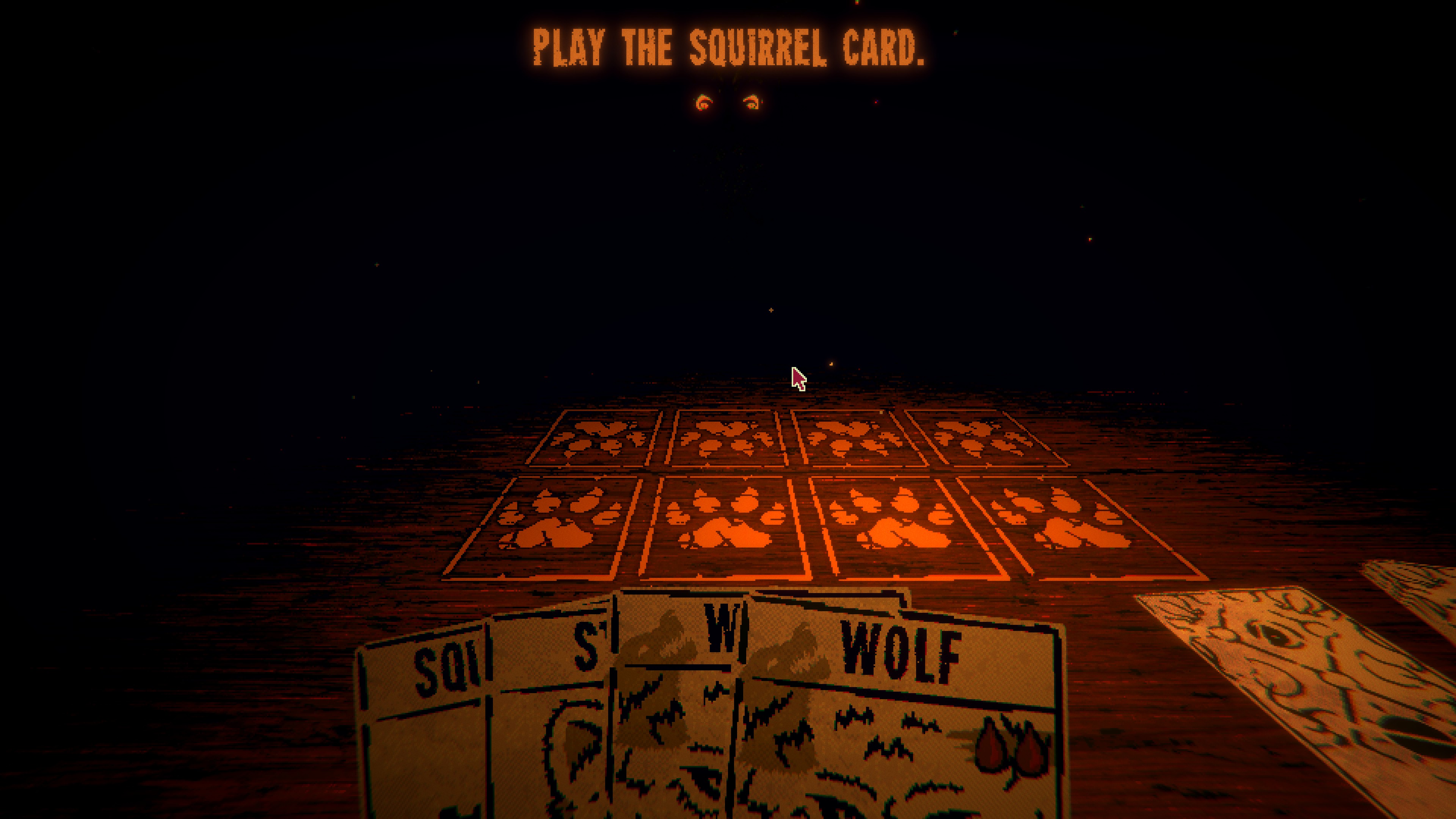
- The Offering: You begin by playing a squirrel—a creature of little value, save for its utility as a sacrifice.
- The Blood Toll: To play more powerful cards, such as the Stoat, you must offer the squirrel as a blood sacrifice. The Stoat, disturbingly, is sentient; it will speak to you, cajole you, and offer cryptic advice. It is wise to listen.
- The Scale of Fate: Damage is not tracked by health bars, but by a set of physical scales resting between you and the shadowed opponent. Every point of damage dealt tilts the balance. The objective is to tip the scales entirely in your favor, a task that requires both tactical foresight and a stomach for the macabre.
Exploration and the Cabin
When the match concludes—or when you take a moment to catch your breath—the game expands. You are free to rise from the table and explore the cabin. This is where Inscryption transforms from a card game into a claustrophobic puzzle-thriller. You can fiddle with a rusted safe, wind a cuckoo clock, or leaf through a dog-eared rulebook that contains secrets the Stoat hints are the key to your eventual escape.
Supporting Data: Complexity and Emergent Strategy
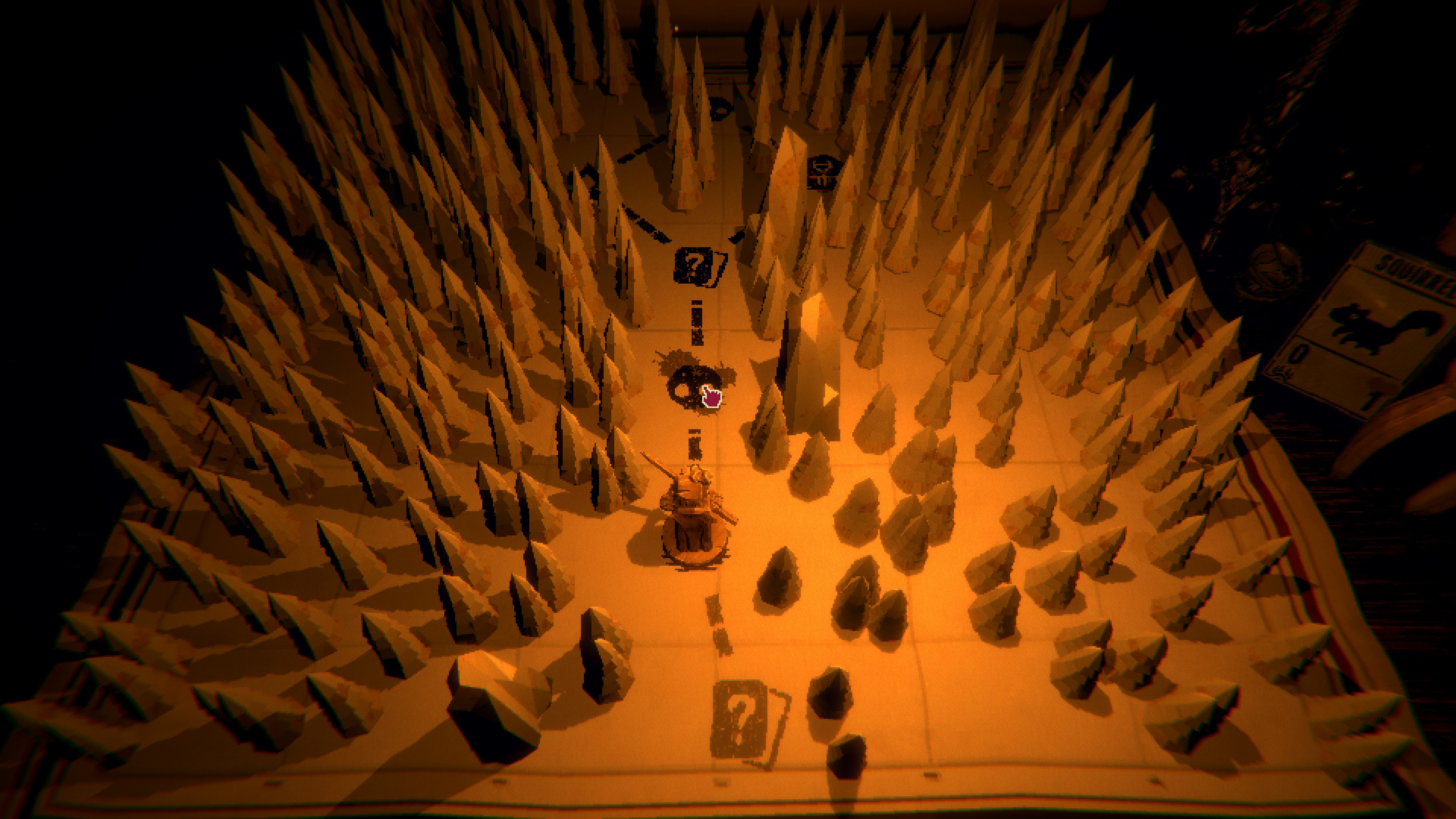
While the initial hours focus on basic woodland creature mechanics, the depth of Inscryption is vast. As you move your figurine across a map, you are presented with branching paths.
- Resource Management: Beyond blood, players eventually learn to harness "Bones," a currency generated whenever an animal on your board dies. This necessitates a grim calculus: do you protect your units, or do you treat them as disposable batteries for your late-game powerhouses?
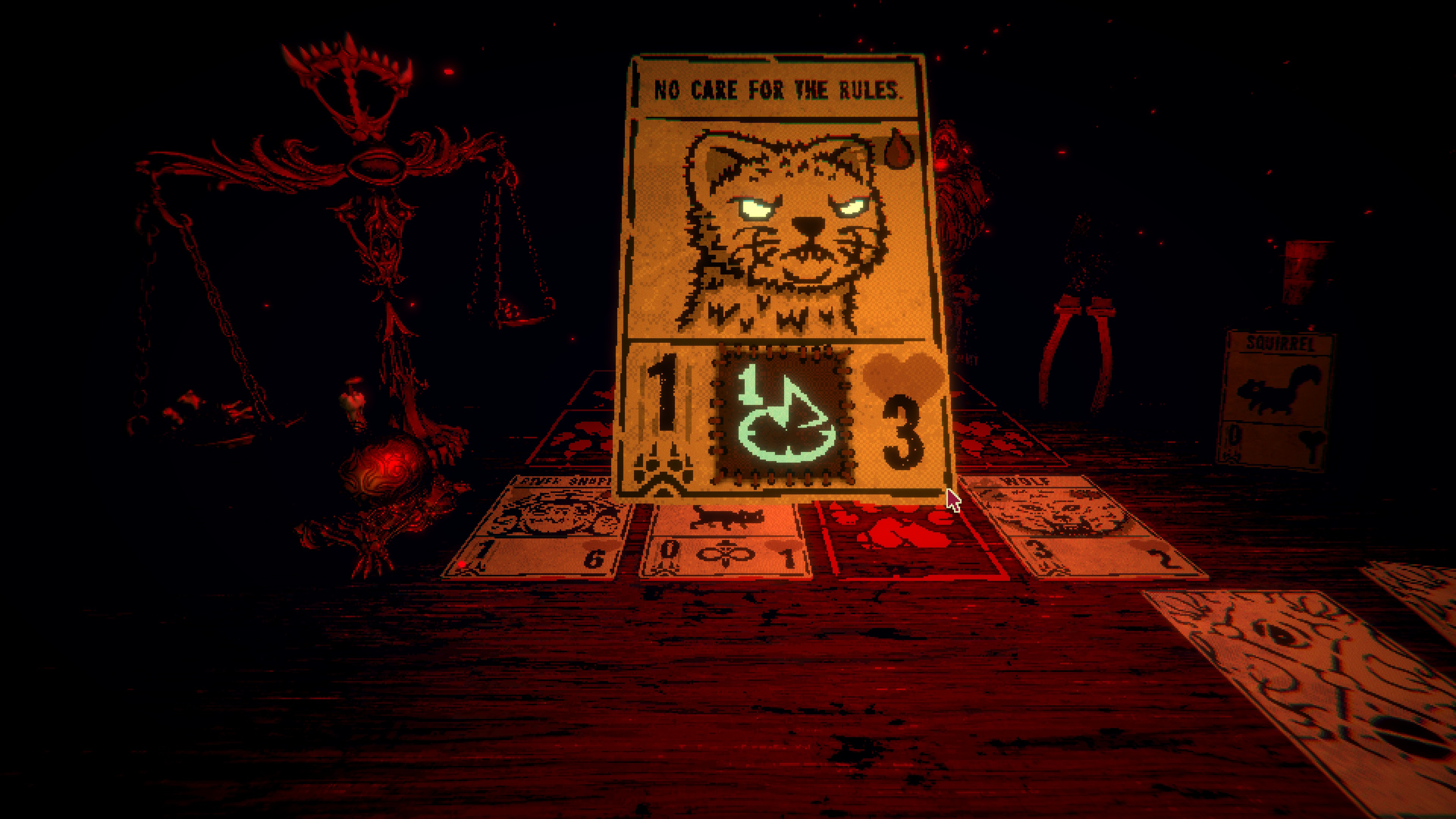
- The Altar of Sacrifice: Throughout the wilderness, you encounter stone altars where you can fuse two creatures, granting the powers of one to the shell of another. This leads to the creation of monstrous, "game-breaking" combinations that push the boundaries of the deck-builder genre.
- The Pelt Economy: Later in the game, you may trade with a mysterious Trapper, collecting inert animal skins that are useless in combat but essential for bartering with the Trader for high-tier, devastating cards.
The brilliance of this design lies in its feedback loop. The board game informs the world, and the secrets found in the world inform the board game. You are constantly building a deck that becomes increasingly grotesque and powerful, mirroring the corruption spreading throughout the shack.
Official Perspectives and Creative Intent
Daniel Mullins has long been a developer interested in "meta-narrative" games, previously exploring the breakdown of reality in titles like Pony Island and The Hex. In Inscryption, he pushes this philosophy to its breaking point.
While the developer has remained characteristically enigmatic about the specific lore hidden within the game’s files, the collaboration with Devolver Digital provided the necessary polish to turn a niche concept into a mainstream phenomenon. Devolver’s involvement allowed for a level of atmospheric fidelity—the crunchy pixels, the audio design, the weight of the cards—that elevates the game from a mere card battler to a piece of psychological horror.
Implications: A Genre Reimagined
The success of Inscryption suggests a shift in how players consume roguelikes. Traditionally, these games are viewed as purely mechanical loops—"one more run" until you beat the boss. Inscryption subverts this by making the "run" feel like a prison sentence. The implications for the genre are significant: developers are now finding that adding a layer of mystery and environmental storytelling can make even the most repetitive mechanics feel fresh and terrifying.
Critics and players alike have noted that the game’s biggest "flaw"—the ability to create unstoppable, broken card combos—is actually a deliberate design choice. It reflects the desperation of the player. As you grow more powerful, you realize that you aren’t just playing against a computer; you are playing against the game itself, trying to find the seams in the code to claw your way out.
Conclusion: Why You Should Keep Playing
As you progress, the opponent reveals different "personalities." You will face the Prospector, who turns your cards into useless gold, and other entities that force you to reconsider your entire strategy. But even as you grow stronger, the feeling of being watched never dissipates.
Do you find yourself enjoying the ritual? Do you find the sound of the cards—the way they argue, complain, and chatter as you play them—comforting? If so, you have already fallen under the game’s spell. You aren’t playing Inscryption; it is playing you.
There is, quite simply, nothing else like it in the current landscape of gaming. The atmosphere is thick enough to choke on, the mechanics are as sharp as a sacrificial knife, and the secrets buried in the floorboards of that cabin will haunt your thoughts long after you finally exit the game. Pull up your stool, make your offering, and pray that the shadows across the table are satisfied with your performance. The deck is waiting, and there is no escape—only the next round.

 Reynand Wu
 Pevita Pearce