Layla Zulfa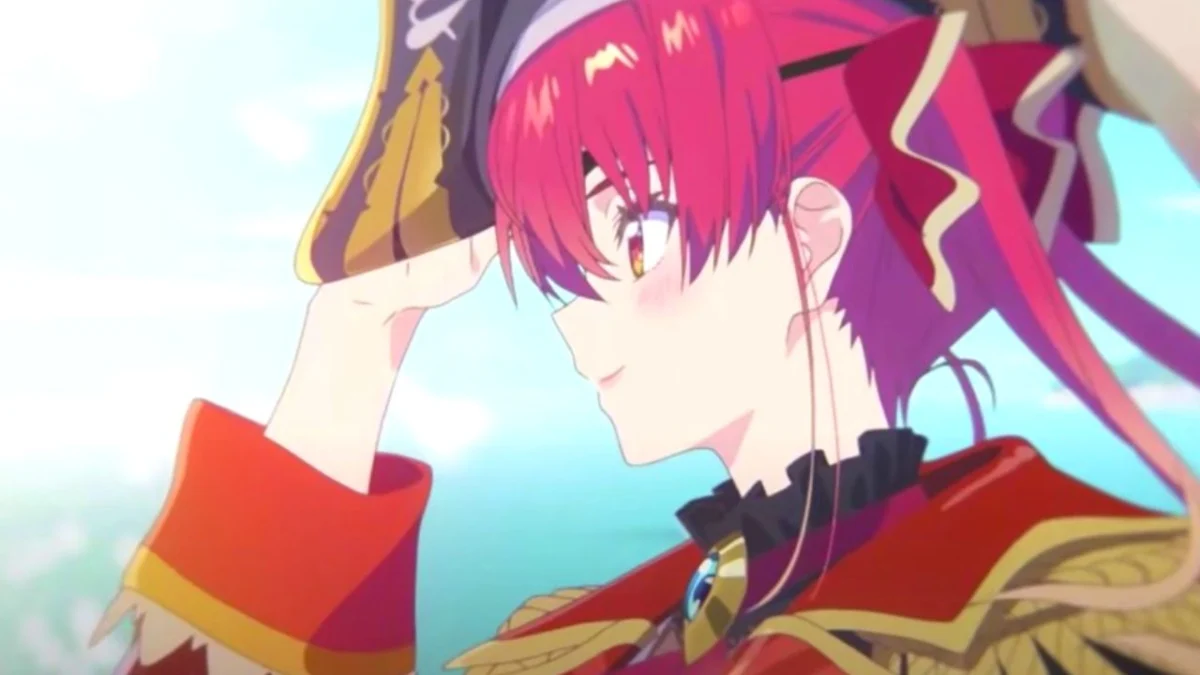
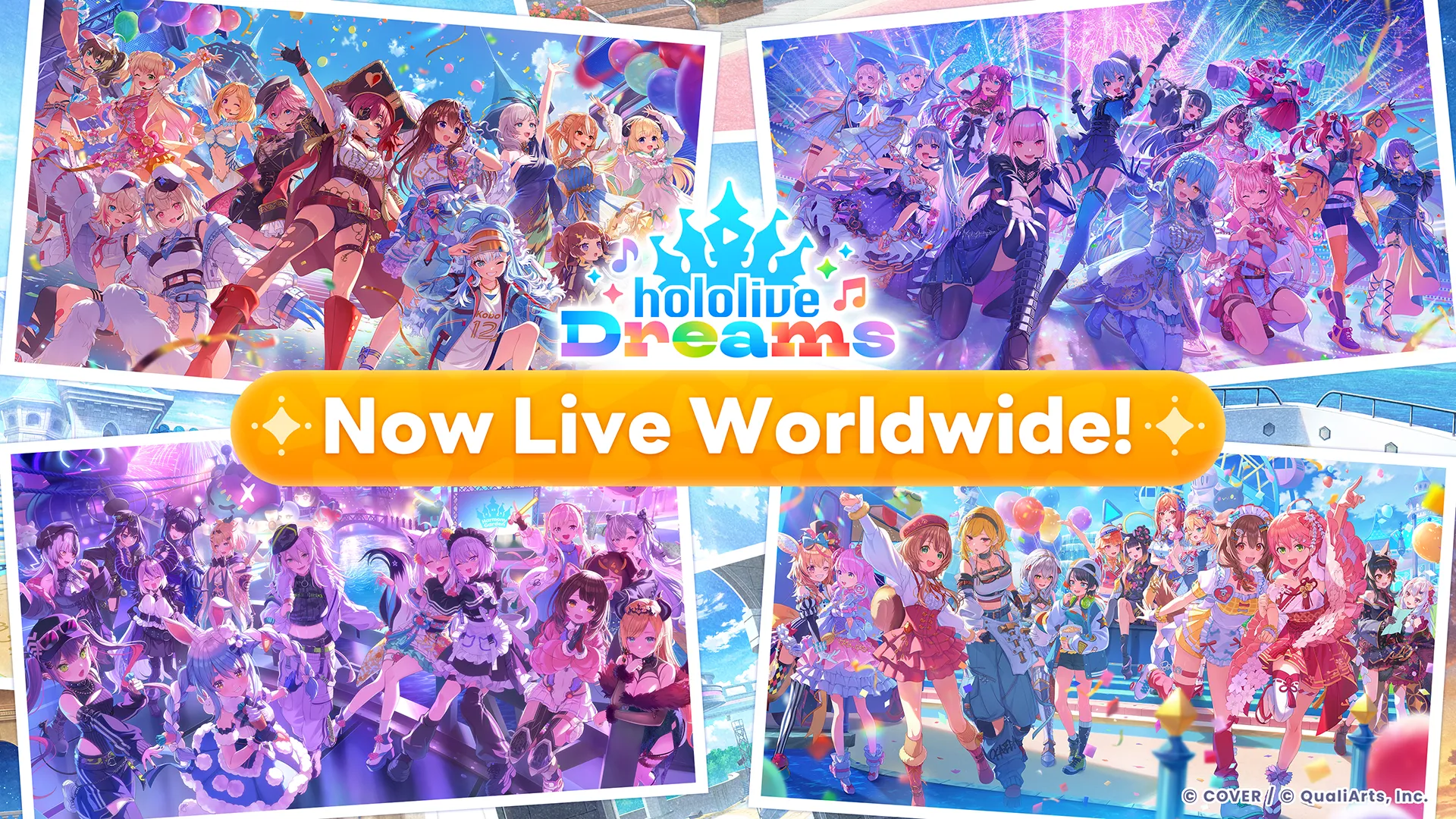
In the rapidly evolving landscape of digital entertainment, the term "VTuber" (Virtual YouTuber) has transformed from a niche internet subculture into a global phenomenon. At the heart of this revolution lies Hololive Production, a powerhouse agency that has redefined how we perceive online celebrity. With their latest endeavor, "Hololive Alternative," the company is pushing beyond mere live streaming, aiming to construct a sprawling, immersive virtual reality ecosystem that promises to dissolve the barriers between creators and their international fanbase.
The Genesis of the VTuber Phenomenon
To understand the significance of "Hololive Alternative," one must first grasp the cultural gravity of the VTuber industry. A VTuber is a content creator who uses a computer-generated avatar—usually styled in high-end anime aesthetics—to represent themselves during live broadcasts. Using sophisticated motion-capture technology, these streamers map their real-time facial expressions and body movements onto their digital counterparts, allowing for a level of expressive freedom that traditional webcam streaming cannot match.
Hololive Production, managed by Cover Corp, has emerged as the industry leader. Founded in December 2019, the agency has rapidly expanded to include a roster of over 50 unique talents, including global icons like Takanashi Kiara and Ninomae Ina’nis. These creators operate as digital idols, bridging the gap between Japanese pop culture and a massive, diverse international audience.
Hololive Alternative: A New Frontier
"Hololive Alternative" represents the company’s most ambitious pivot to date. Rather than settling for the existing model of episodic streaming, the project aims to create an integrated, cross-media virtual world. The initiative is not merely a technical update; it is an attempt to manifest the "lore" and backstories of their various talents into a cohesive, interactive environment.
The project’s official portal has already begun teasing this vision through a series of breathtaking promotional videos. These animations showcase a high-fantasy, expansive world where the agency’s iconic characters interact, explore, and exist outside the confines of a streaming window. This is a deliberate shift toward world-building, moving the Hololive brand closer to a transmedia franchise that encompasses gaming, interactive experiences, and potentially, a fully realized metaverse.
Chronology of the Project’s Development
The trajectory of Hololive’s growth has been meteoric, and the rollout of "Alternative" marks the culmination of several strategic phases:
- Late 2019 – 2020: The rapid expansion phase. Cover Corp successfully integrated English-speaking talent (Hololive English), which exploded in popularity, proving that the VTuber model could transcend language barriers.
- Early 2021: The formal announcement of "Hololive Alternative." The company launched the project website and released the inaugural teaser PV, signaling a shift toward narrative-driven content.
- Mid-2021: The recruitment phase. The company opened the second round of auditions, inviting new talent to contribute to the expanding mythos of the Alternative universe.
- The Manga Expansion: Complementing the animation, the company announced an original manga series set within the "Alternative" universe. By utilizing Twitter as a distribution platform, Hololive ensured that their lore remains accessible to the fans who follow their daily updates.
Supporting Data: The Scale of Influence
The success of Hololive is evidenced by numbers that rival traditional media conglomerates. With a combined audience reaching tens of millions across YouTube and other platforms, the agency has effectively tapped into a global demand for parasocial engagement.
The recruitment drive for the "Alternative" project serves as a crucial data point for the company’s future scalability. By casting a wide net for talent, Hololive is signaling that "Alternative" will not be a static experience; it will be a living, breathing world that requires a constant influx of creative energy. The agency’s ability to manage 52+ distinct personalities, each with their own artistic direction, is a logistical feat that has set the standard for the entire VTuber industry.
Official Vision: A World Without Barriers
CEO Motoaki Tanigo has been vocal about his long-term vision for the brand. In various public statements, Tanigo has emphasized that the goal of "Hololive Alternative" is to create an "animated world" where performers can host shows that transcend physical geography.
"In the near future," the agency noted via official channels, "a manga based on an original story set in ‘Alternative’ will be released." This represents a move toward a multi-platform storytelling approach. The implication is clear: the fans are no longer just viewers; they are residents of a digital space that the creators are actively building. By removing the limitations of the traditional broadcast, Tanigo hopes to foster a community where a fan in Tokyo and a fan in New York can experience the same concert or narrative event with identical levels of immersion.
Implications for the Entertainment Industry
The implications of "Hololive Alternative" are profound for the broader entertainment sector.
1. The Death of Distance
Traditional live events are constrained by venue capacity, travel, and international logistics. Hololive’s model suggests a future where digital venues can host infinite crowds, with high-fidelity avatars providing a consistent experience for every attendee, regardless of their physical location.
2. Narrative-Driven Streaming
Most streamers focus on gameplay or conversational content. By introducing a "canon" or a "universe" for their characters, Hololive is moving toward a model of serialized entertainment. Fans are now invested not just in the personality of the streamer, but in the unfolding story of the world they inhabit.
3. The Metaverse Precedent
While tech giants scramble to define the "metaverse," Hololive is already operating a functional version of one. Through the integration of avatars, virtual venues, and narrative lore, they have created a self-sustaining economy of attention. If "Hololive Alternative" succeeds, it will likely serve as the primary case study for how decentralized, creator-led virtual worlds will function in the coming decade.
The Road Ahead
As of the current development cycle, the focus remains on recruitment and the refinement of the "Alternative" lore. The deadline for the latest round of auditions—March 26th—served as a catalyst for growth, bringing in fresh talent tasked with populating this new world.
For the fans, the waiting game is one of excitement and anticipation. Will the project result in a fully explorable VR game? Will it be an anime series? Or will it remain a hybrid of streaming and interactive media? Regardless of the specific technical execution, the trajectory is clear: Hololive is betting on the idea that the future of celebrity is not in the physical person, but in the virtual icon.
In a world where physical proximity has become increasingly complicated, the digital sanctuary provided by Hololive offers a unique solution. They are not just creating animations; they are crafting a home for a generation of fans who have found their sense of belonging in the glow of a virtual screen. As we look toward the future of Hololive, it is evident that the "Alternative" is quickly becoming the new mainstream. The magic they are bringing to the table is not just in the rendering of pixels, but in the fundamental way they are rewriting the rules of human connection in the digital age.

 Asep Darmawan