Asep Darmawan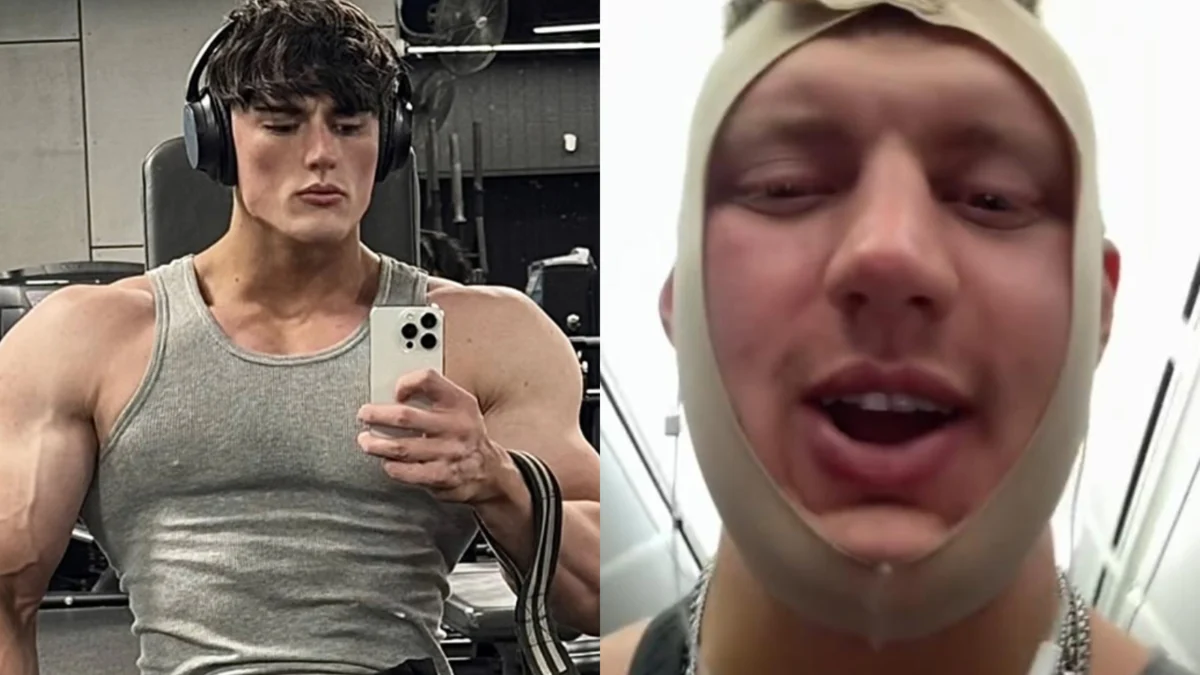
In a bizarre intersection of modern social media trends and rigid aviation safety regulations, 25-year-old Brisbane-based influencer Ronan Androgenic found himself at the center of a viral firestorm this week. The "looksmaxxing" proponent, who has built a digital following by documenting his pursuit of physical perfection, was forcibly removed from a Jetstar flight departing Thailand, leaving him stranded and incensed.
The incident, which has since been broadcast to thousands via TikTok, highlights the growing tension between the rise of "medical tourism"—specifically for extreme cosmetic enhancement—and the duty of care exercised by commercial airlines. As passengers increasingly treat international travel as a clinical commute, the aviation industry is being forced to confront the limits of their authority when physical appearance and post-operative status collide with flight safety.
The Chronology of an In-Flight Confrontation
The events unfolded five days after Androgenic underwent extensive cosmetic surgery in Thailand, a global hub for affordable elective procedures. Attempting to return home to Australia, the influencer boarded the Jetstar flight with his jaw and chin heavily bandaged, a physical manifestation of his recent, grueling "looksmaxxing" journey.
According to video footage captured by the influencer, the situation escalated rapidly before the aircraft could depart. As the flight crew conducted their pre-flight safety assessments, they grew increasingly concerned by Androgenic’s physical state. The interaction began when crew members questioned his health, noting his visible lethargy and the significant swelling around his facial features.
"When I speak to you, your reply is very drowsy," one crew member can be heard telling Androgenic in the viral video. Another staff member, assessing the severity of the influencer’s post-operative condition, stated bluntly: "You’re swelling right now, your eyes. You are not in a condition to go. Your face is totally, like, very ill."
Androgenic, clearly frustrated, attempted to dismiss the crew’s observations as a misunderstanding. He claimed his lack of energy was merely a result of his desire to sleep during the flight, asserting that he possessed the necessary medical documentation to travel. "I’m trying to go to sleep on the flight, is that not f**king normal?" he retorted during the exchange.
The situation deteriorated as the crew maintained their stance, emphasizing that their visual assessment of his fitness to fly superseded any paperwork he might have presented at the check-in counter. When the staff informed him that he would be removed from the aircraft, the influencer’s frustration turned into vocal hostility. "What the f**k do you expect me to do? I need to go home," he shouted, leading to his eventual escort from the plane.
The "Looksmaxxing" Phenomenon: A Contextual Analysis
To understand why a 25-year-old would be in such a precarious post-operative state, one must understand the subculture he represents. "Looksmaxxing" is an umbrella term for a controversial, internet-driven movement focused on maximizing one’s physical attractiveness through any means necessary. This ranges from strict "mewing" exercises and skincare routines to extreme body modifications and invasive cosmetic surgeries.
The trend has gained significant traction on platforms like TikTok and Kick, often championed by influencers who prioritize aesthetic results over traditional health or wellness narratives. Androgenic, a key figure in this niche, has frequently documented his own surgical transitions, framing the painful recovery periods as a necessary sacrifice for his digital brand.
The movement is not without its detractors. Critics argue that "looksmaxxing" promotes body dysmorphia and encourages followers to treat the human body as a disposable project. The subculture has also been linked to other controversial figures, such as the streamer Clavicular, who has faced legal and public backlash for various stunts, including the headline-grabbing incident of shooting a deceased alligator in Florida for social media engagement. The removal of Androgenic from his flight serves as a stark, real-world consequence for a subculture that often ignores the physical reality of its lifestyle.
Airline Safety: The Legal and Operational Mandate
The decision by Jetstar to remove Androgenic is grounded in clear operational policy. Airlines are not merely transport providers; they are governed by strict safety regulations that mandate the captain and crew ensure every passenger is fit for flight.
Aviation safety experts note that post-operative patients, particularly those who have undergone facial or jaw surgery, face unique risks in a pressurized cabin. Changes in air pressure can exacerbate swelling, increase the risk of hematomas, and complicate the management of pain medication. Furthermore, the use of heavy analgesics—often required after such procedures—can impair a passenger’s ability to react to an emergency, thus endangering not just the individual, but the entire cabin.
"The crew is trained to assess a passenger’s fitness to fly at any stage prior to takeoff," said a spokesperson for Jetstar. "If a passenger appears medically unwell, drowsy, or potentially incapacitated, the crew has a duty of care to refuse boarding. We also maintain a zero-tolerance policy regarding abusive language or behavior toward our staff, regardless of the passenger’s personal situation."
The airline’s position is legally fortified by the conditions of carriage that all passengers agree to upon purchasing a ticket. These contracts typically state that the airline reserves the right to deny travel to any individual who, in the opinion of the staff, may pose a risk to the safety or comfort of the flight.
Implications for Medical Tourism and Digital Influencers
The incident with Androgenic serves as a cautionary tale for the burgeoning industry of medical tourism. Every year, thousands of Australians travel to countries like Thailand for cosmetic surgery, attracted by lower costs and shorter wait times. However, this case underscores a critical oversight: the assumption that a surgical release from a clinic is equivalent to "fitness to fly" in the eyes of a commercial airline.
For digital influencers, the fallout from this event could be significant. As the boundaries between curated online personas and the physical reality of health collide, influencers are finding that the "content" they create has tangible, often inconvenient, consequences. By prioritizing the narrative of his "looksmaxxing" journey over the clinical realities of his recovery, Androgenic found himself in a position where his digital clout provided zero leverage against the cold, hard mandates of aviation safety.
Furthermore, this event highlights the increasing burden placed on flight attendants. Beyond their traditional roles in safety and service, cabin crew are now being asked to act as frontline health assessors for a growing number of passengers who may be concealing, or unaware of, the risks associated with their recent medical choices.
Conclusion: The Limits of Personal Autonomy
The video of Ronan Androgenic sitting in the aircraft, face swollen and bandaged, pleading with staff while cameras rolled, will likely remain a fixture of internet discourse for some time. It is a snapshot of an era where personal branding is often prioritized above common sense and institutional safety protocols.
While the influencer may feel aggrieved, the incident serves as a vital reminder: in the skies, authority rests with the airline, not the individual. The human body, regardless of the "maxxing" or modification applied to it, remains subject to the physiological stresses of flight. Until influencers and medical tourists begin to integrate professional medical advice regarding travel into their aesthetic journeys, stories like this are likely to become increasingly common—a high-altitude intersection of vanity and regulation that rarely ends in the passenger’s favor.

 Azzam Bilal Chamdy
 Evan Lee Salim