Ali Ikhwan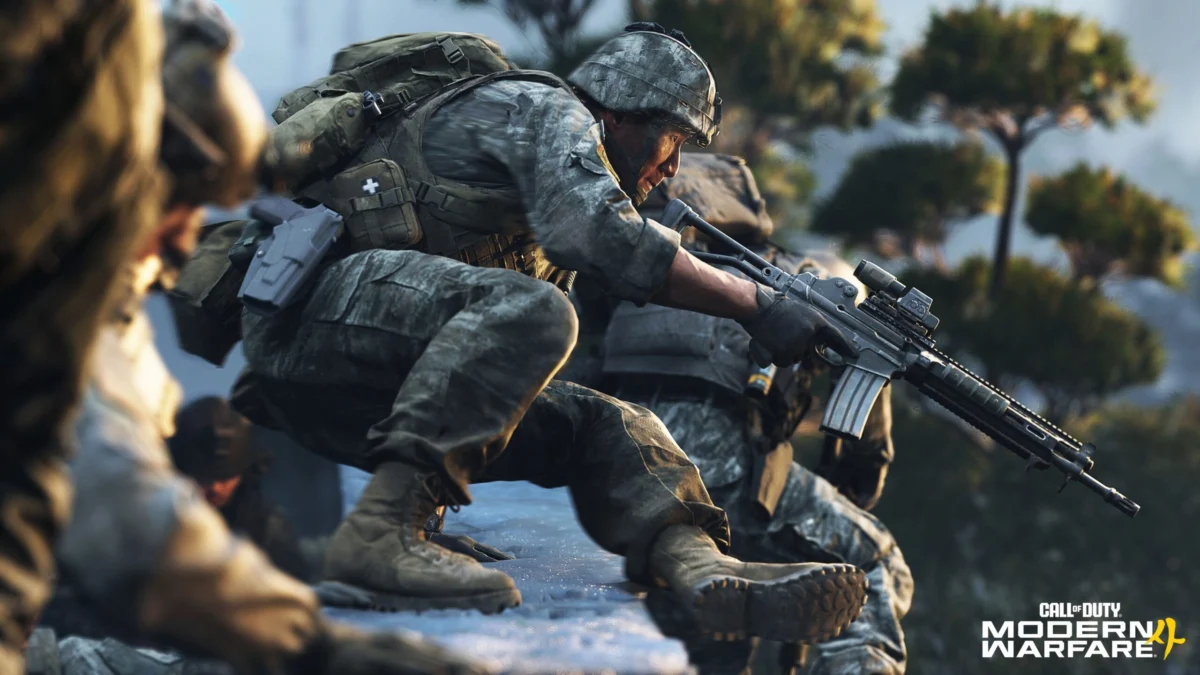
The Call of Duty franchise stands at a precarious crossroads. For years, the gold standard of first-person shooters has grappled with an identity crisis regarding its single-player offerings. While recent entries like Modern Warfare II and Black Ops 6 provided lengthy, high-budget cinematic experiences, they were frequently criticized for uneven narrative pacing, questionable character arcs, and a disjointed approach to gameplay design. The franchise’s more recent outings, specifically Modern Warfare III and Black Ops 7, suffered from accelerated development cycles, resulting in campaigns that felt hollow and disconnected from the series’ storied history.
With the announcement of Call of Duty: Modern Warfare 4, set for a global release on October 23, 2026, Infinity Ward is signaling a deliberate course correction. The studio is looking to move away from the "seasonal content" focus that has plagued recent narratives, aiming instead to deliver a grounded, high-stakes experience that restores the weight of consequences to the battlefield.
The Korean Peninsula: A New Theater of Conflict
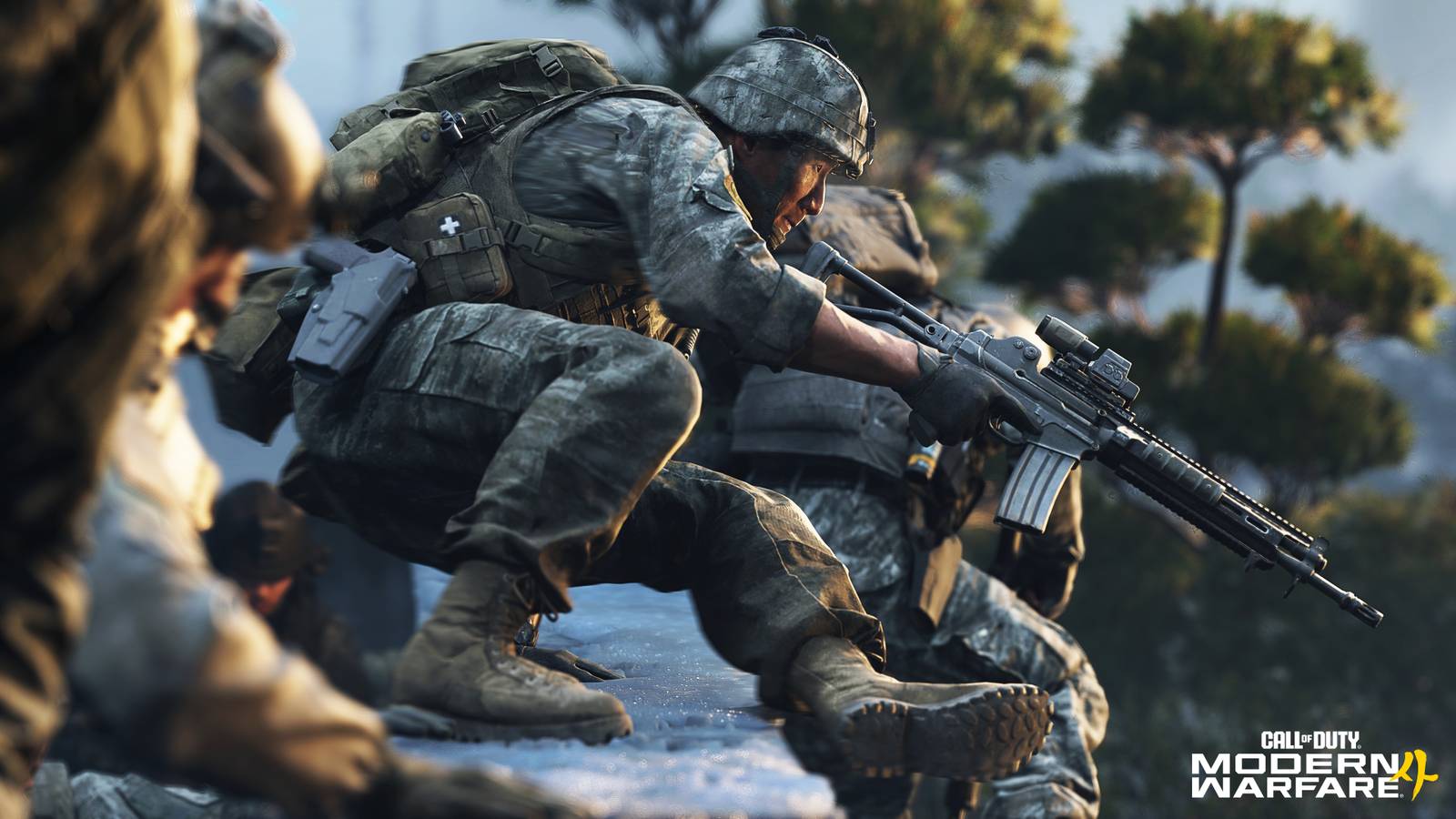
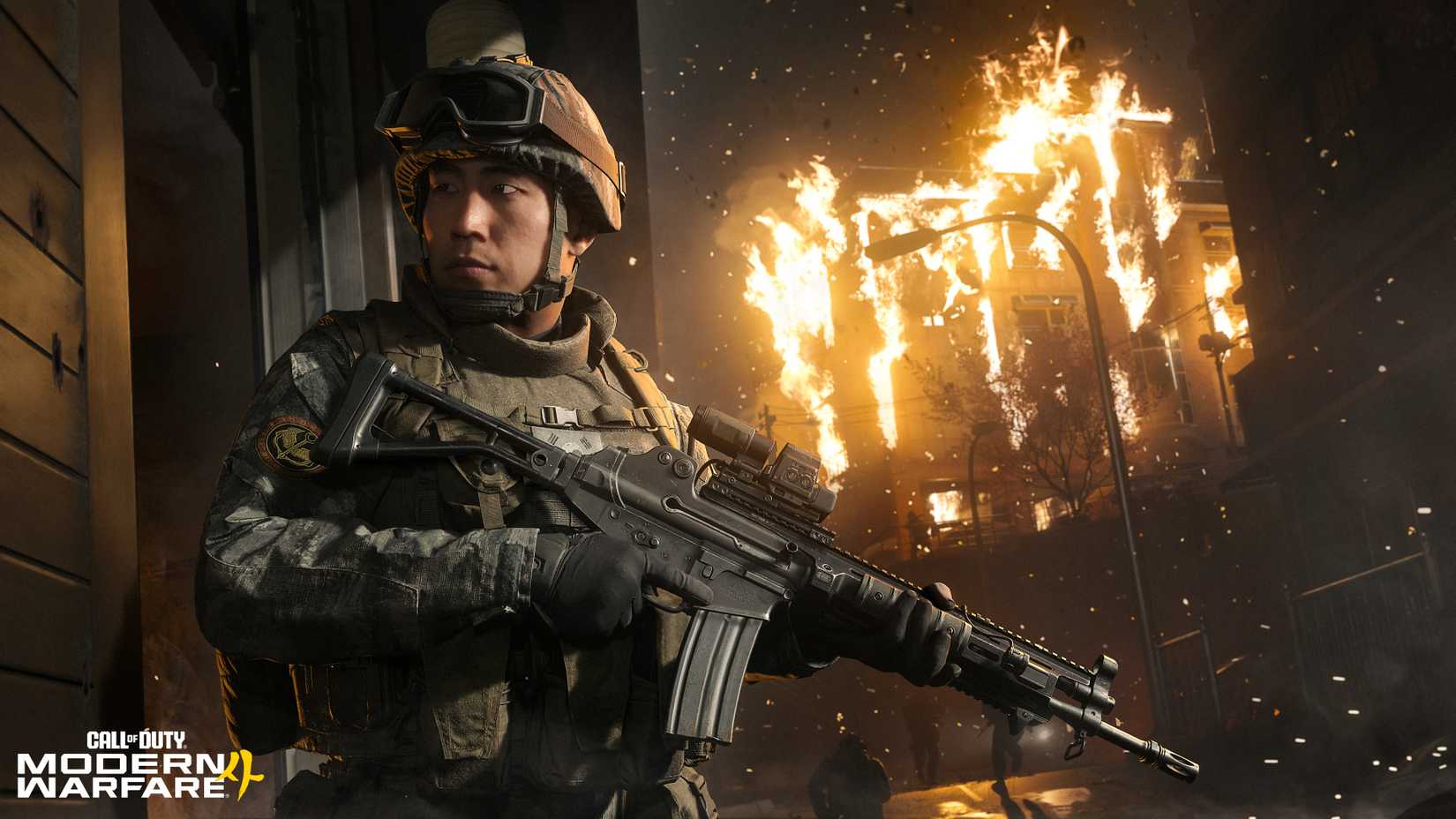
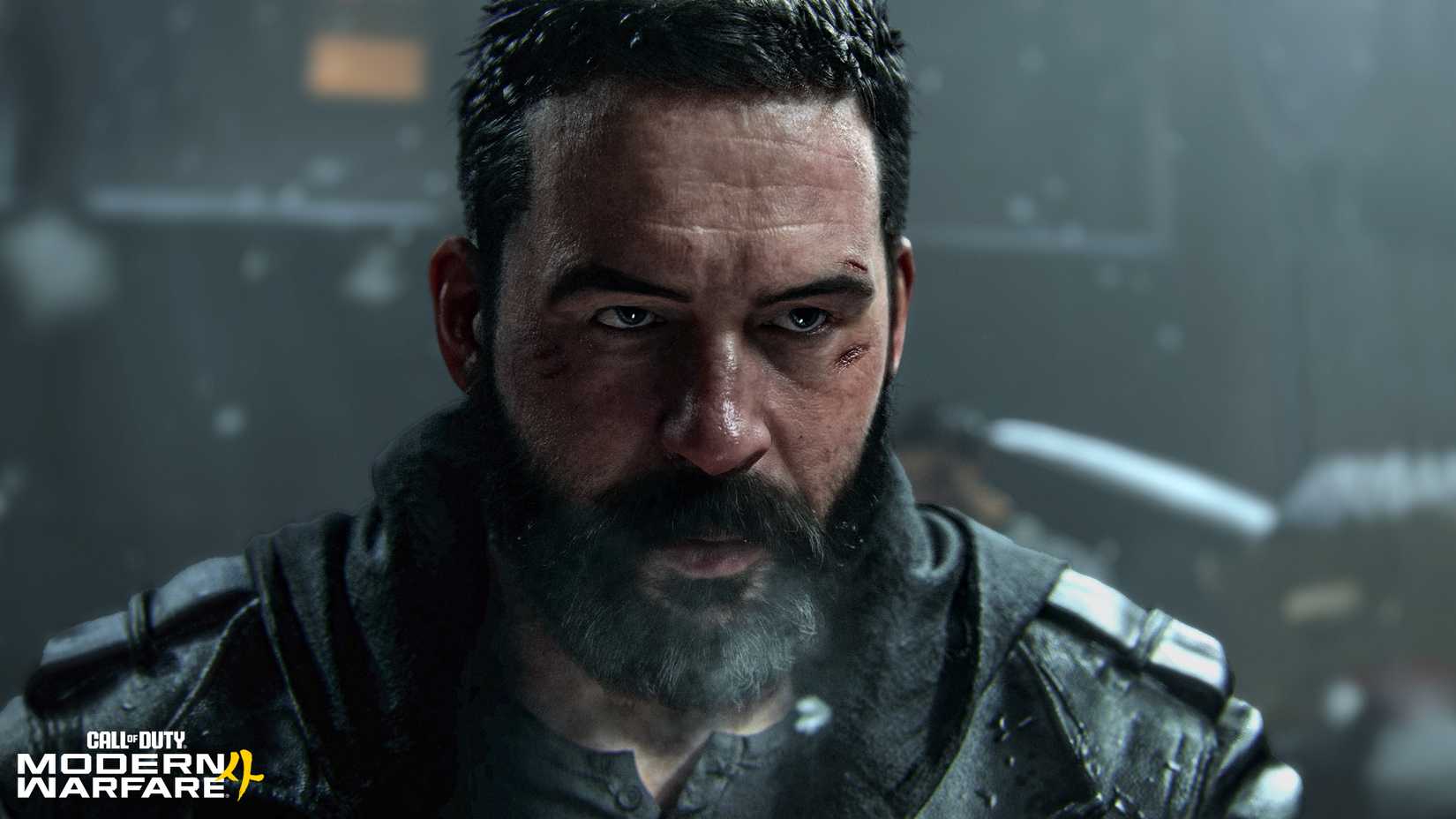
The narrative of Modern Warfare 4 shifts the geopolitical focus to the Korean Peninsula. Following decades of a fragile peace, a sudden and catastrophic series of events triggers a full-scale invasion of South Korea. The story follows two distinct perspectives: Private Park, an infantryman thrust into the chaos of the invasion, and the legendary Captain Price, who finds himself embroiled in a clandestine web of global conspiracies.
Unlike Advanced Warfare, which explored a similar conflict through a futuristic, high-tech lens, Infinity Ward is leaning heavily into "ripped from the headlines" realism. The creative team has stated that the goal is to make the conflict feel grounded and authentic—a scenario that, while fictional, possesses the terrifying tangibility of modern geopolitical tension. This stylistic shift is intended to ground the Modern Warfare sub-franchise in a reality that feels both urgent and relatable.

A Two-Track Narrative Structure
One of the most ambitious elements of Modern Warfare 4 is the return to a dual-perspective narrative. By bifurcating the story into two distinct tracks—the "ground-level" struggle of Private Park and the "special operations" expertise of Captain Price—Infinity Ward aims to blend the best of the franchise’s past with its present-day design philosophy.
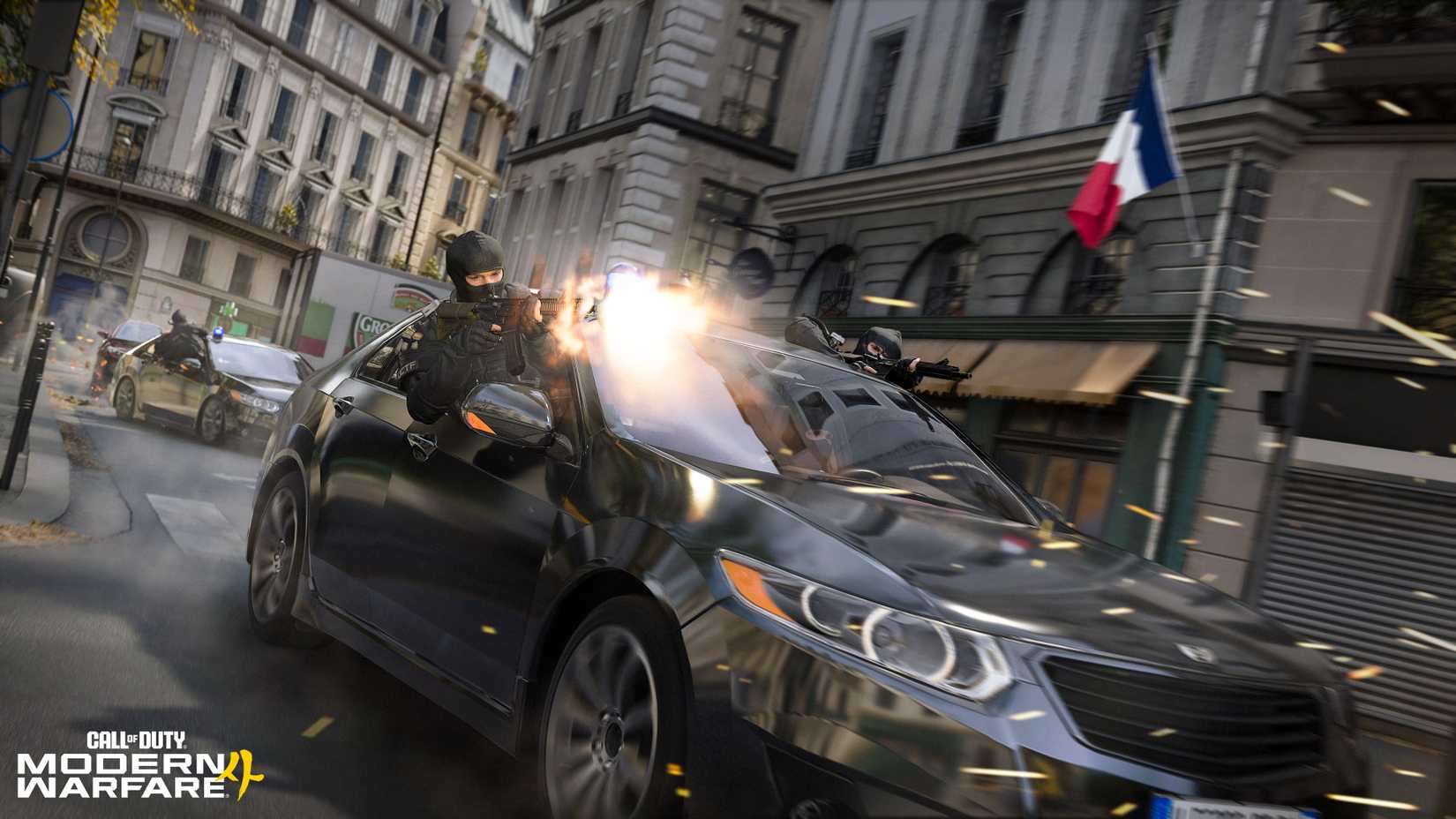
The missions featuring Private Park are designed to echo the classic, boots-on-the-ground intensity of the original Call of Duty 4: Modern Warfare and World at War. These segments strip away the super-soldier tropes, forcing players to navigate the brutal, high-casualty reality of conventional warfare. Conversely, the tracks following Captain Price offer the high-octane, globe-trotting spectacle that fans of the modern Modern Warfare trilogy expect, including high-stakes infiltration, vehicle chases through Paris, and complex tactical gunfights.

This asynchronous storytelling, which converges in a high-stakes finale, is intended to provide a varied gameplay loop that keeps the experience fresh while maintaining a cohesive narrative thread.
Chronology and the Evolution of the Modern Warfare Series
Since the 2019 reboot of Modern Warfare, the series has attempted to create a sprawling, interconnected universe. However, this has often come at the cost of character consistency.
- Modern Warfare (2019): Focused on the Middle East and the moral ambiguity of modern counter-terrorism.
- Modern Warfare II (2022): Shifted the spotlight to the cartel wars in Mexico, introducing a gritty, paramilitary aesthetic.
- Modern Warfare III: Focused on the escalating threat of Vladimir Makarov, though it was widely criticized for its short, experimental campaign structure.
- Modern Warfare 4 (2026): Serves as a narrative refresh. While Captain Price remains the constant, the game moves away from the previous ensemble cast—meaning fan-favorites like Farah, Alejandro, and Alex are unlikely to appear.
This reset allows new players to jump into the narrative without needing an encyclopedic knowledge of the previous three games, while long-time fans can enjoy a fresh, focused story that doesn’t rely on the convoluted baggage of past installments.
The Challenge of Stakes: Why Consequences Matter
Perhaps the most significant criticism leveled at recent Call of Duty campaigns is the lack of meaningful consequence. In an era where campaigns are often treated as mere prologues or tutorials for Warzone or multiplayer seasonal updates, "death" has lost its sting. Characters are killed and resurrected, or their arcs are left dangling to serve future DLC.
Infinity Ward’s stated ambition is to move away from this trend. The studio has emphasized that Modern Warfare 4 will feature a definitive, high-stakes ending. The creative team acknowledges that when a player finishes a campaign, they should feel the emotional weight of the journey. The inclusion of genuine narrative consequences—where characters don’t simply vanish, but are fundamentally changed or lost—is a core pillar of the current development philosophy.
Technical Specifications and Platform Availability
Call of Duty: Modern Warfare 4 arrives with a massive footprint, reflecting the scope of the assets and the ambition of the engine. With a file size of 329.26 GB on Xbox Series consoles, the game is one of the largest in the franchise’s history.
Platform Breakdown:
- Release Date: October 23, 2026
- Developer: Infinity Ward
- Publisher: Activision
- Platforms: PlayStation 5, Xbox Series X|S, PC, and Nintendo Switch 2.
- Multiplayer: Fully featured Online Multiplayer and Online Co-Op modes.
- Optimizations: The title is fully optimized for current-gen hardware, utilizing advanced lighting and physics engines to render the dense urban environments of the Korean Peninsula.
Implications for the Future of the Franchise
If Modern Warfare 4 succeeds, it could mark a pivot point for Activision’s flagship shooter. The move toward a more grounded, narrative-first approach—supported by a return to classic grunt-based gameplay—suggests that the developers are listening to the community’s fatigue regarding the "seasonal-first" design model.
However, the game also faces significant pressure. With Call of Duty campaigns losing their cultural impact in recent years, Modern Warfare 4 must prove that it can offer a stand-alone experience that justifies its existence in a market dominated by free-to-play battle royales. The success of the campaign will hinge not just on its graphics or mechanics, but on whether it can deliver a story that resonates with players long after the credits roll.
For now, the industry is watching. Infinity Ward has laid out a compelling vision, promising a marriage of classic tension and modern production values. Whether this iteration can reclaim the crown for the quintessential Call of Duty single-player experience will be determined this October.
As we approach the launch, the conversation among fans remains one of "cautious optimism." If the multiplayer and campaign can successfully bridge the gap between legacy design and modern innovation, Modern Warfare 4 might just be the shot in the arm the franchise needs to remain relevant in an increasingly crowded and competitive gaming landscape.


 Asro
Asro
 Muslim