

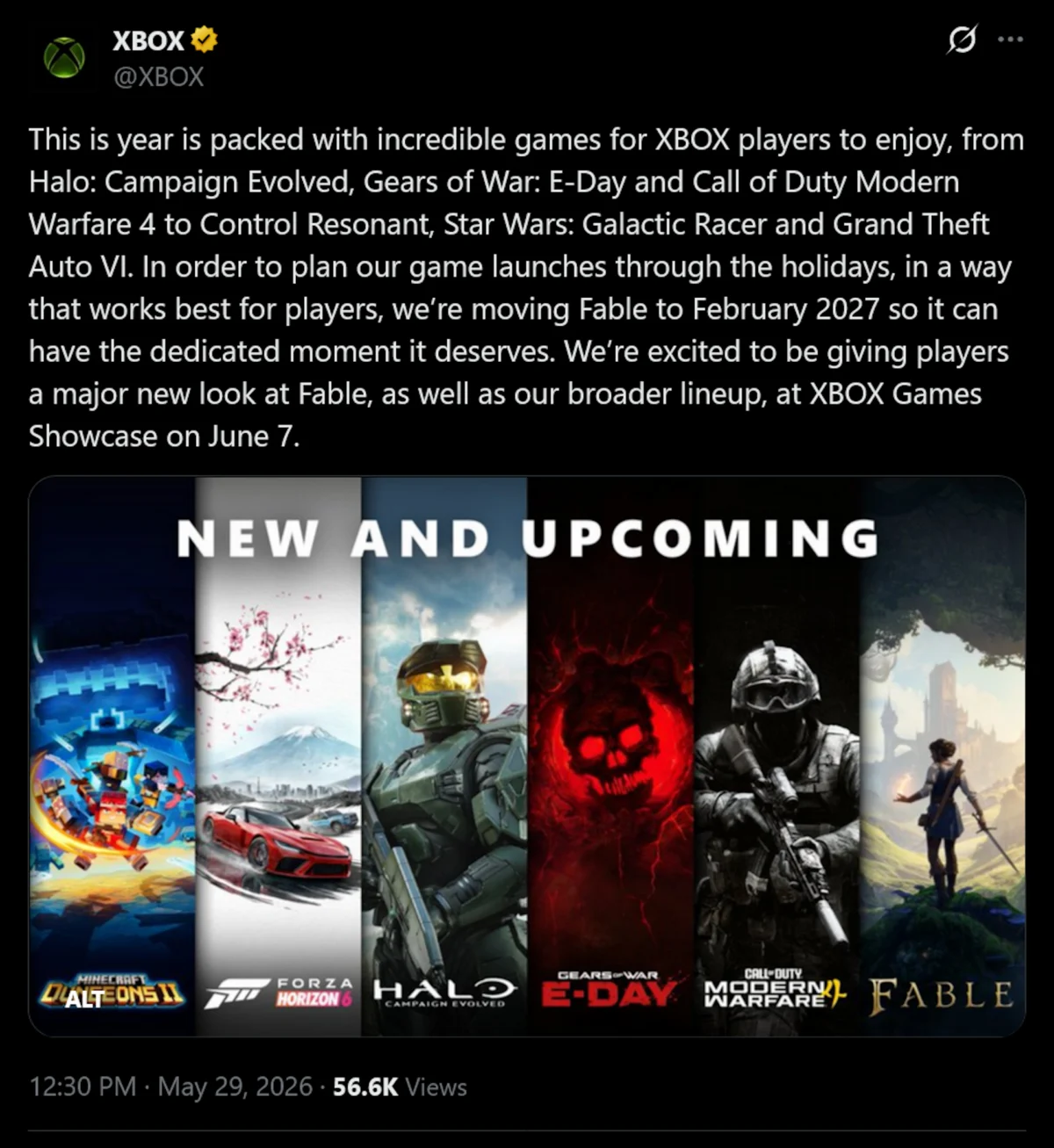
In the high-stakes world of AAA game development, timing is often as critical as the quality of the product itself. For fans of the beloved Fable franchise, the wait to return to the whimsical yet dangerous land of Albion has just grown longer. Playground Games and Microsoft have officially announced that the highly anticipated Fable reboot, previously slated for a late 2026 release, has been pushed back to February 2027.
This decision, while disappointing to a community that has been tracking the title’s development for half a decade, is being framed by Microsoft as a strategic move to ensure the game receives the "dedicated moment it deserves." In an industry currently dominated by the gravitational pull of blockbuster releases, this delay highlights the complex balancing act required to launch a major RPG in an increasingly crowded marketplace.
The Chronology of a Delayed Dream
The journey toward the new Fable has been characterized by speculation, excitement, and a persistent, underlying sense of patience. The project, which has been in the public consciousness since rumors first began swirling in 2019, represents a massive undertaking for Playground Games—a studio previously best known for its work on the Forza Horizon series.
- 2019–2020: The Rumor Mill: Reports began to circulate that Microsoft was looking to revive the Fable IP. These rumors were officially confirmed in July 2020 during the Xbox Games Showcase, where a brief, charming teaser trailer confirmed that the series was returning, developed by Playground Games.
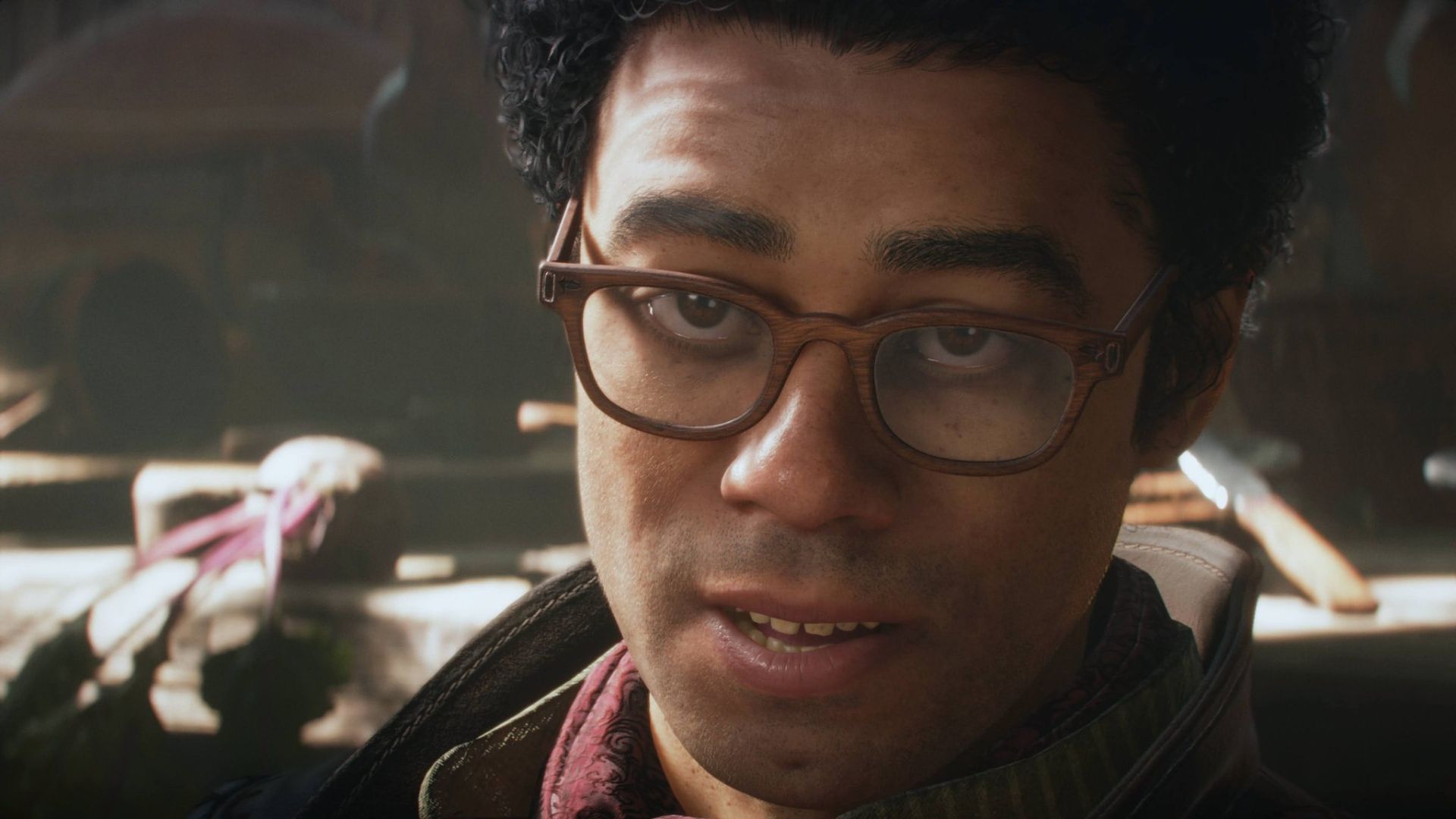
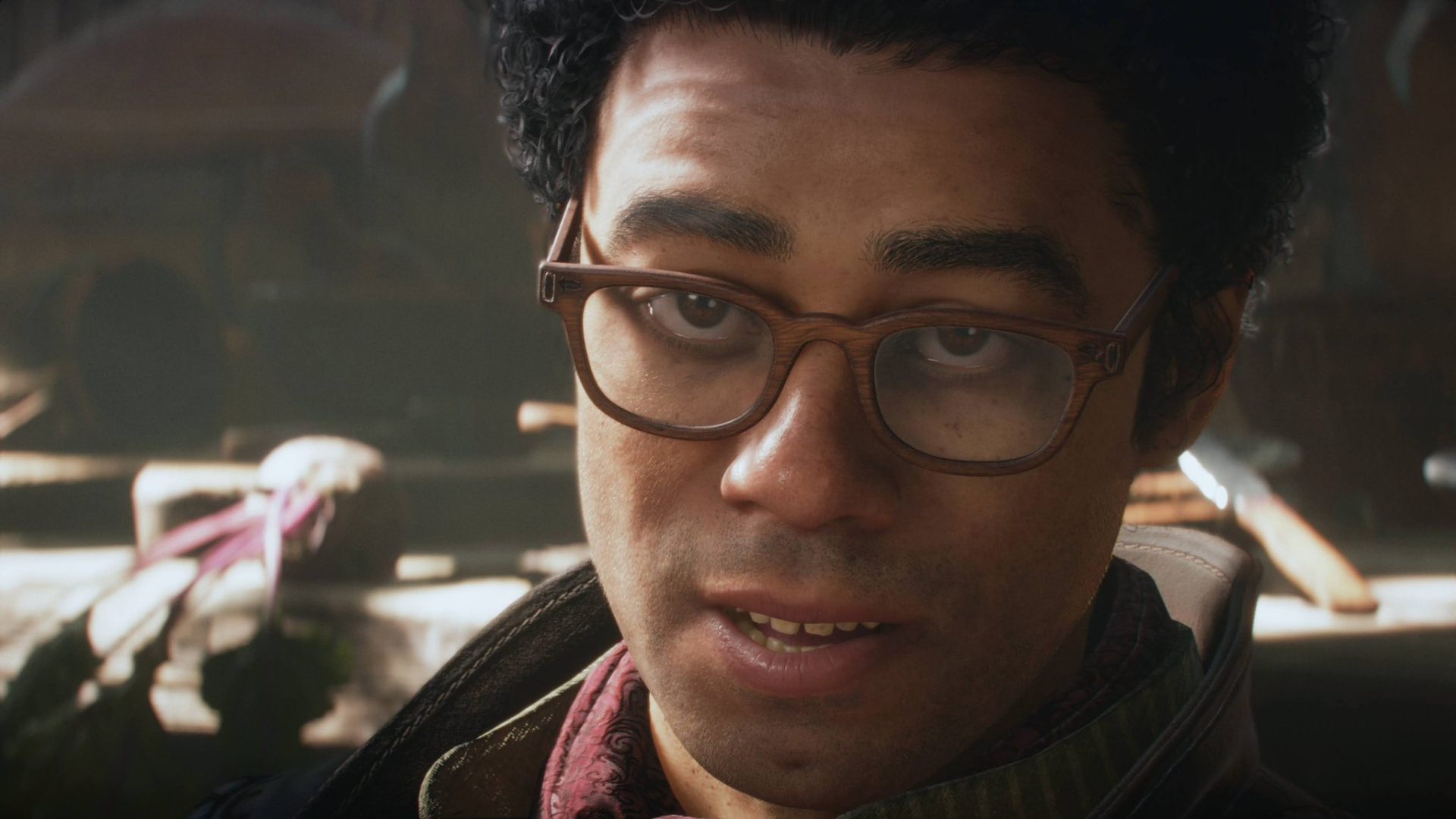
- 2023: The First Real Look: Years of silence were broken with substantial gameplay footage, confirming that the game would retain the series’ signature British wit and comedic sensibilities, underscored by the involvement of actor Richard Ayoade.
- 2024: Navigating the Rumors: Throughout the spring of 2024, whispers persisted that the game might be delayed to avoid the impending launch of Rockstar Games’ Grand Theft Auto VI. Microsoft and developers initially pushed back against these claims, maintaining a commitment to an Autumn 2026 window.
- 2025: The Official Pivot: The recent announcement confirms that the internal roadmap has shifted. The game will now target February 2027, marking a shift from the busy holiday season to a quieter, more competitive early-year slot.
A Landscape Defined by Titans
The reasoning provided for the delay is perhaps the most telling aspect of the modern gaming climate. Microsoft’s official statement noted that the year is "packed with incredible games," forcing a reassessment of their release calendar to ensure maximum visibility for Fable.
A glance at the current Xbox roadmap confirms why this might be the case. The list of scheduled titles for 2026/2027 is dense with heavy hitters, including Halo: Campaign Evolved, Gears of War: E-Day, Call of Duty: Modern Warfare 4, Control Resonant, and Star Wars: Galactic Racer.
While Fable possesses a unique identity—blending action-RPG elements with a distinctively British, self-deprecating humor—it is arguably the presence of Grand Theft Auto VI that casts the longest shadow. In the gaming industry, a "GTA" release is a cultural event that typically consumes all available consumer attention and disposable income for months. For a new Fable entry, which relies on building its own narrative momentum, competing directly with the biggest entertainment product in history would be a strategic error. By moving to February, Microsoft is attempting to carve out a "hero window" where Fable can stand alone as the primary topic of conversation.
The Strategic Logic of "The Dedicated Moment"
Beyond the fear of competition, there is a technical and marketing imperative to consider. Modern AAA games require massive, sustained marketing pushes. When a game is released during the holiday rush, it is often buried beneath a mountain of competing advertisements, retail promotions, and social media noise.
By shifting to February, Microsoft is betting on a "thinner" release schedule. Historically, February has evolved from a "dump month" for struggling titles into a premier window for major releases, as seen with hits like Elden Ring or Hogwarts Legacy. Players are often hungry for new content after the holiday season, and a high-quality RPG can dominate the conversation for weeks without being drowned out by competing blockbusters.
Furthermore, the extra months of development time provide Playground Games with a critical "polish buffer." Given that Fable is a reboot of a beloved classic, the pressure to deliver a product that satisfies both nostalgic veterans and new players is immense. This additional time allows for final balancing, bug squashing, and technical optimization—the difference between a good launch and a truly great one.
Official Response and Future Outlook
Microsoft’s stance is one of guarded optimism. In their official statement, they emphasized that the decision was made "in order to plan our game launches through the holidays, in a way that works best for players." This language serves a dual purpose: it signals to shareholders that the company is managing its portfolio with care, and it reassures fans that the quality of the game is the ultimate priority.
To maintain engagement during this extended wait, Microsoft has announced a significant showing at the Xbox Games Showcase on June 7. This event is expected to provide a "major new look" at Fable, likely offering deeper dives into the mechanics, the world-building, and perhaps a clearer indication of how the narrative will honor the legacy of the original trilogy while introducing modern sensibilities.
The Implications for the Industry
The delay of Fable is a microcosm of a broader industry trend: the "Big Game" consolidation. As development costs for AAA titles balloon into the hundreds of millions, publishers are increasingly risk-averse. They can no longer afford to have their flagship titles cannibalize each other’s sales or player engagement.
This trend has several implications:
- Release Spreading: We are likely to see more titles moving away from the crowded Q4 (holiday) period into the shoulder months of Q1 and Q2.
- Service-Game Longevity: Because the market is so crowded, games are being designed to have longer tails, meaning developers need more time to ensure the initial launch is stable enough to support long-term player retention.
- Transparency vs. Expectation: While delays are often met with frustration, they are increasingly becoming a sign of a healthier development process. A delayed game is often a sign that a studio has the institutional support to prioritize quality over a pre-ordained calendar date.
Looking Ahead: Is February 2027 Realistic?
For long-time fans, the 2027 date is being met with a healthy dose of skepticism. The history of Fable 4—as it was colloquially known for years—has been one of uncertainty. Ever since the series went dormant after Fable 3 (released in 2010), the community has been desperate for its return. Having waited over a decade for a new entry, an extra few months in the grand scheme of things may feel like a minor inconvenience, provided the final product captures the "Fable magic."
However, industry analysts suggest that while February 2027 is a more precise target than "Fall 2026," it is still subject to the volatility of game development. If the polish process reveals deep-seated issues, we could see further adjustments. For now, however, the target is set.
Conclusion: Patience as a Virtue
The delay of Fable is, ultimately, a testament to the game’s importance within the Xbox ecosystem. If it were a minor title, it would likely be pushed out to fill a hole in the release schedule. By protecting its launch, Microsoft is signaling that Fable is intended to be a pillar of their platform—a game that defines the generation rather than merely padding out a library.
As we look toward the June 7 Xbox Games Showcase, the focus shifts from the disappointment of the delay to the promise of the game itself. If Playground Games can capture the charm of the original trilogy while utilizing the technical prowess of modern hardware, the wait will likely be forgotten the moment players step back into the woods of Albion. Until then, the calendar remains marked in pencil, and the community holds its collective breath, waiting for that next, definitive look at the hero’s journey that awaits.











No comments yet. Be the first to join the conversation!