

For years, the gold standard of influencer marketing was clear: polished, aspirational, and slightly out of reach. Social media grids were carefully curated galleries of high-end travel, luxury fashion, and exclusive lifestyle moments. But as the global economic climate shifts, a quiet revolution has taken place in the creator economy. The age of untouchable glamour is receding, replaced by a raw, lo-fi aesthetic that prioritizes the "real" over the "refined."
Today’s most successful influencer storytelling is no longer about demonstrating what a consumer could have if they were wealthy; it is about showing them how to thrive within the constraints of their actual budget. From the rebranding of discount retailers to the rise of "budget baddie" content, the playbook for brand-creator partnerships is being fundamentally rewritten.
The Evolution of the Creator Narrative: A Chronology of Change
The shift toward relatability did not happen overnight. It is the result of a multi-year evolution in consumer behavior, accelerated by economic volatility.
- The Aspirational Era (2015–2020): During this period, the influencer industry was dominated by "lifestyle" creators who showcased unattainable luxury. Success was measured by high production value, expensive travel, and designer hauls.
- The Transition (2021–2023): As inflation began to climb and economic anxiety rose, consumers started to turn away from overly curated, unattainable content. Influencers began to experiment with more "day-in-the-life" styles, testing the waters with more authentic, unfiltered video formats.
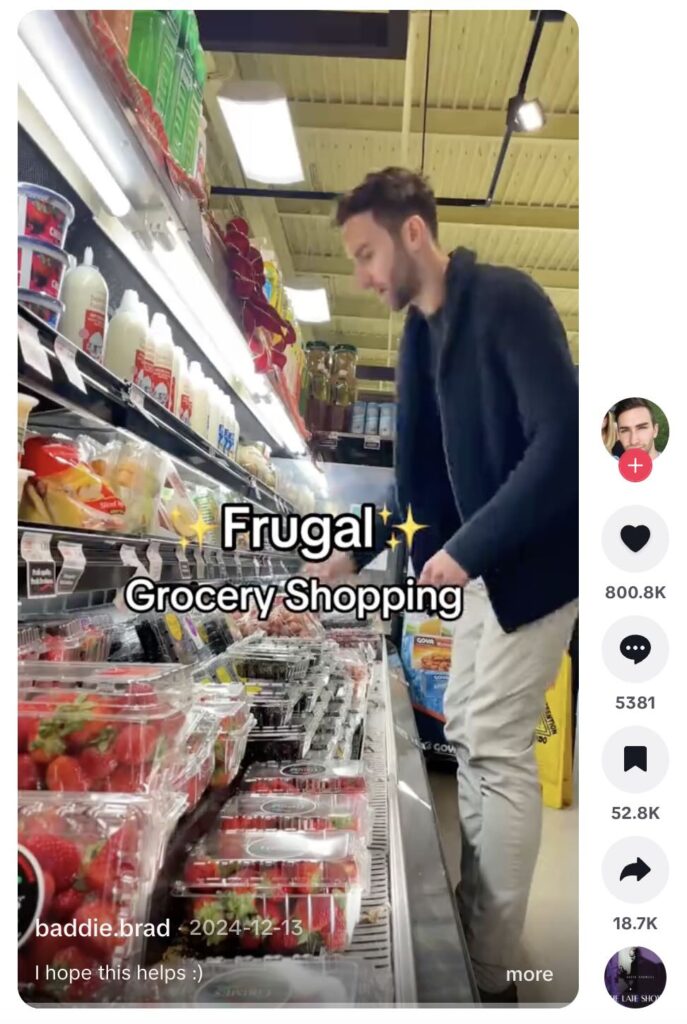
- The Age of the "Budget Baddie" (2024–Present): We are now firmly in an era where "dupe" culture and cost-conscious shopping have become the primary drivers of viral engagement. Consumers are actively seeking creators who act as financial advocates—people who find the best value, uncover hidden gems at low-cost retailers, and prioritize long-term savings over fleeting trends.
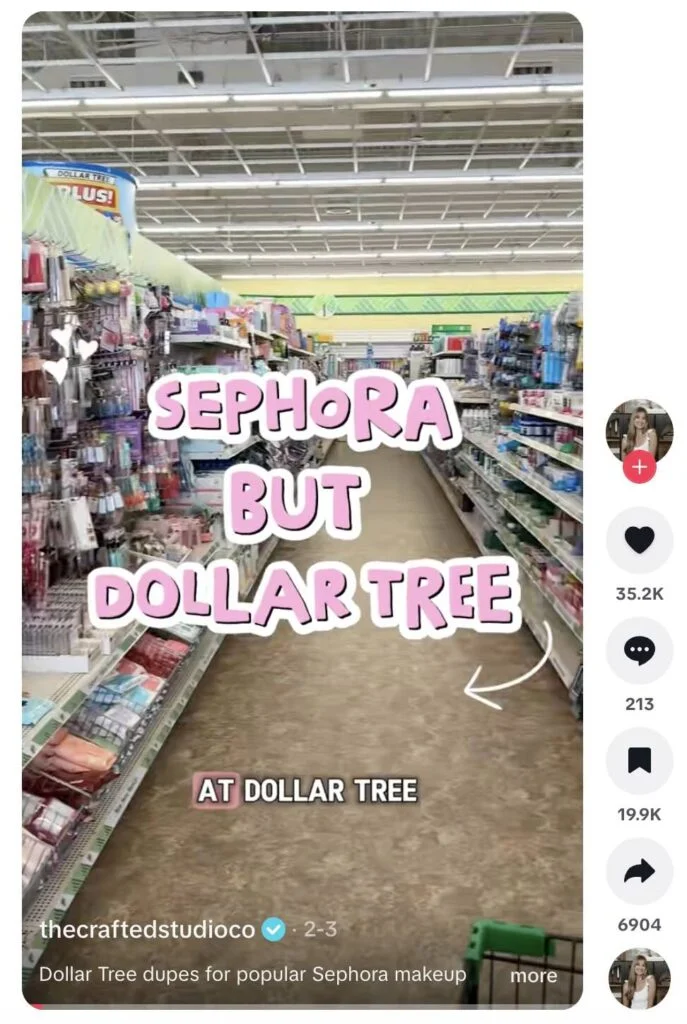
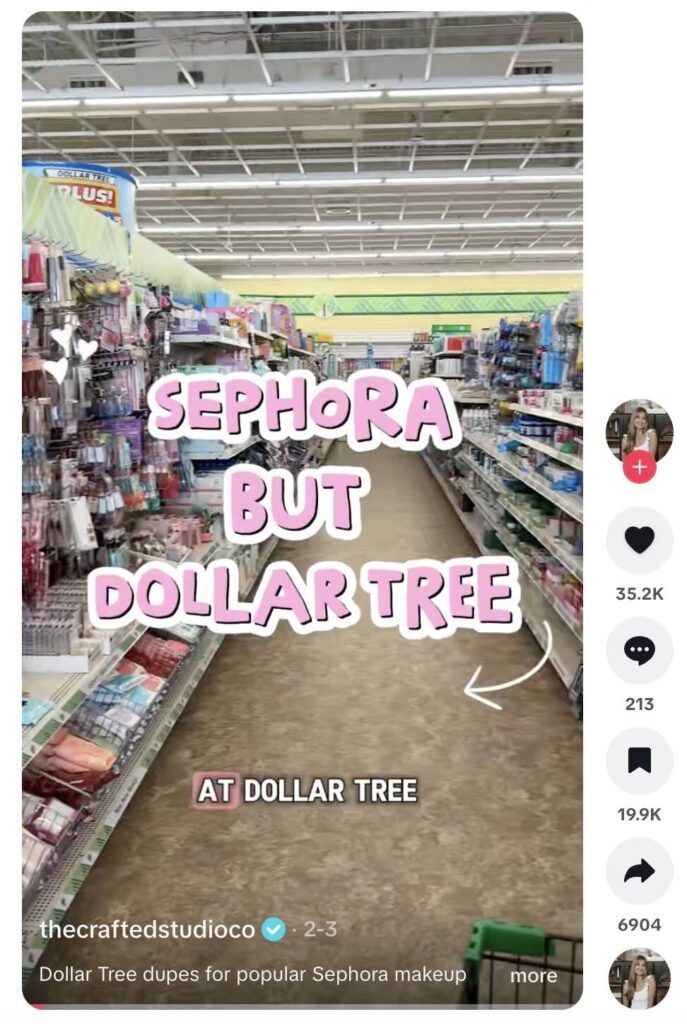
This transition has turned brands like Dollar Tree into "Sephora on a budget" and transformed Aldi grocery hauls into high-performance social content. The "Staples Baddie" trend, which saw a surge in interest for affordable, stylish office supplies, is perhaps the most striking example of how even the most mundane product categories can go viral when framed through the lens of savvy, budget-friendly curation.
Supporting Data: Why Trust Outweighs Reach
The data suggests that this shift is not merely a passing trend, but a structural change in how consumers interact with brands. According to Sprout Social’s Q2 2025 Pulse Survey, 64% of consumers report they are significantly more likely to purchase from a brand that partners with an influencer they trust.
The conversion metrics are even more compelling. The Q3 2025 Sprout Pulse Survey reveals that nearly one-third of all consumers have made a direct purchase through an influencer’s sponsored post. When segmented by age, this figure becomes staggering: 53% of Gen Z and 48% of millennials have utilized social-driven shopping to make purchasing decisions.
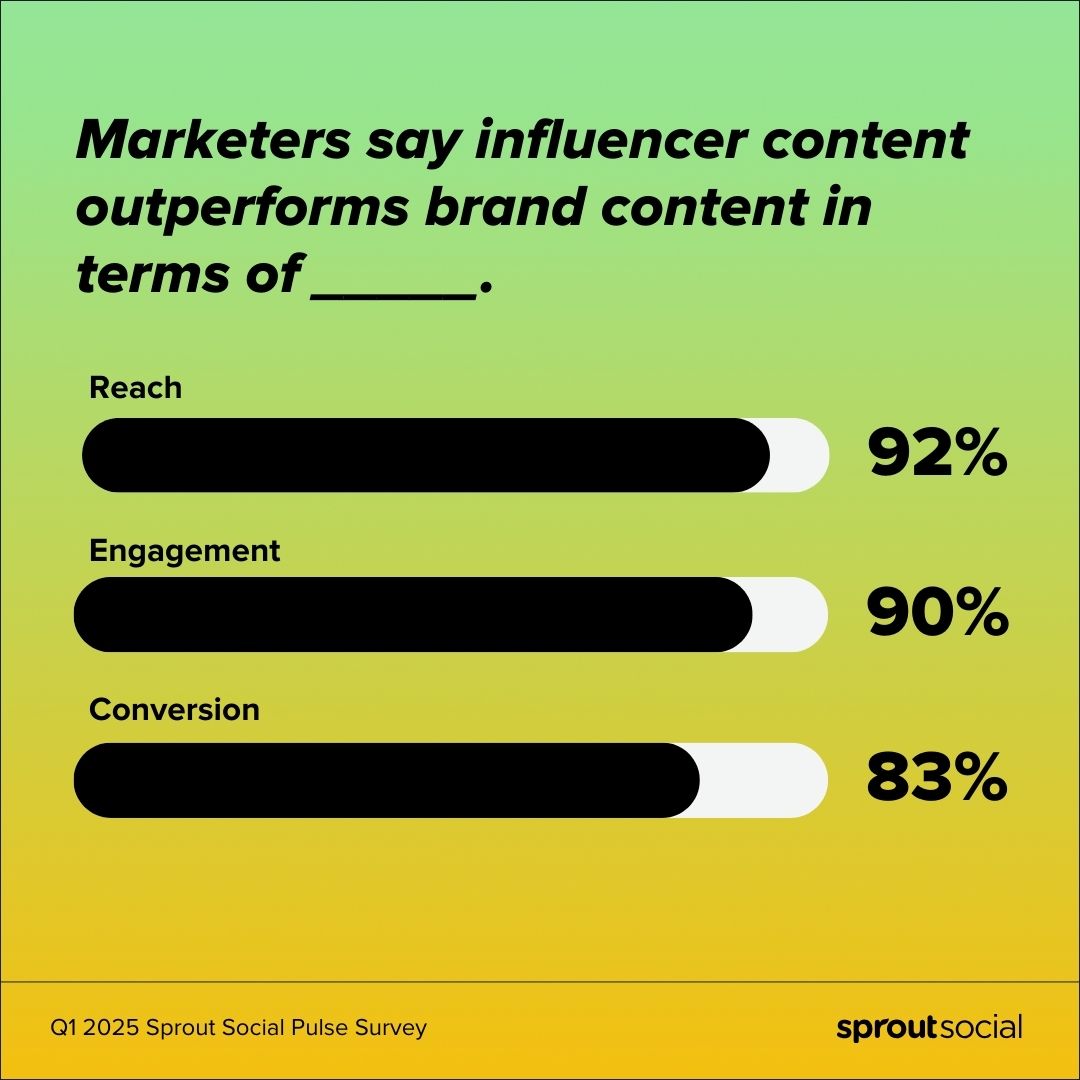
Furthermore, influencer content has proven to be a superior vehicle for marketing compared to traditional brand-owned channels. In the Q1 2025 Sprout Pulse Survey, 83% of marketers admitted that influencer posts generate more conversions than their own brand social media efforts. This is largely because influencers bring a level of context that studio-produced ads lack.
As Greg Scavuzzo, Director of Product Marketing at Sprout Social, notes, "When a brand team goes into a studio, they’re producing a handful of polished, product-focused ads. But when you work with influencers, they have their own application for how the product comes to life. If a creator’s niche is budget-focused content, they will reimagine your product in a way that resonates with price-conscious consumers."
Official Perspectives: The Expert View on Modern Partnerships
The consensus among industry experts is that the traditional "macro-influencer" model is undergoing a crisis of confidence. As public perception shifts, many macro-influencers have been labeled as "out of touch" or "chasing celebrity" rather than providing genuine value to their audience.
"People used to follow aspirational figures on social—influencers with lifestyles they aspired to live," Scavuzzo explains. "Now, the social media experience is engineered around the topics you are interested in. Consumers prefer to see creators living a lifestyle that looks close to their own. Relatability is the reason why consumers trust influencers more than brands today."
This trust is critical. In the current economic landscape, 36% of consumers state they trust social media—including Reddit threads and TikTok creators—more than traditional search engines or AI chatbots. For Gen Z, this number jumps to 51%. The implication is clear: the modern influencer acts as a peer-advisor rather than a celebrity icon.
Case Studies: Brands Leading the Charge
Several brands have successfully adapted to this new paradigm by leaning into authentic, value-driven storytelling.
1. Aldi’s Ambassador Strategy
Aldi has effectively tapped into the "frugal grocery" movement by formalizing relationships with creators like @AldiGirlUSA. By identifying a creator who was already naturally creating content around their shopping hauls, the brand transformed a grassroots fan into an official ambassador. This move validated the consumer’s choice to shop at Aldi and turned a routine grocery run into a community-led narrative about affordability and clever meal planning.
2. Dollar Tree’s "Dupe" Recognition
Dollar Tree’s pivot was both reactive and brilliant. By embracing the "Sephora on a budget" narrative, the brand allowed creators to frame their affordable skincare and makeup products as high-value alternatives to luxury brands. By resharing content from creators like @TinaKingHairstylist, the brand signaled that it was in on the joke, effectively turning potential skepticism into a badge of honor for their shoppers.
3. Eye Buy Direct at Coachella
Even brands in the "accessible luxury" space have adapted. By showing up at events like Coachella with creators who were documenting their experiences in trendy, budget-friendly frames, Eye Buy Direct shifted the conversation from "cheap glasses" to "accessible style." They utilized the influencer’s ability to weave the product into a broader, relatable lifestyle narrative rather than just pushing a product sale.
The Strategic Implications for Marketers
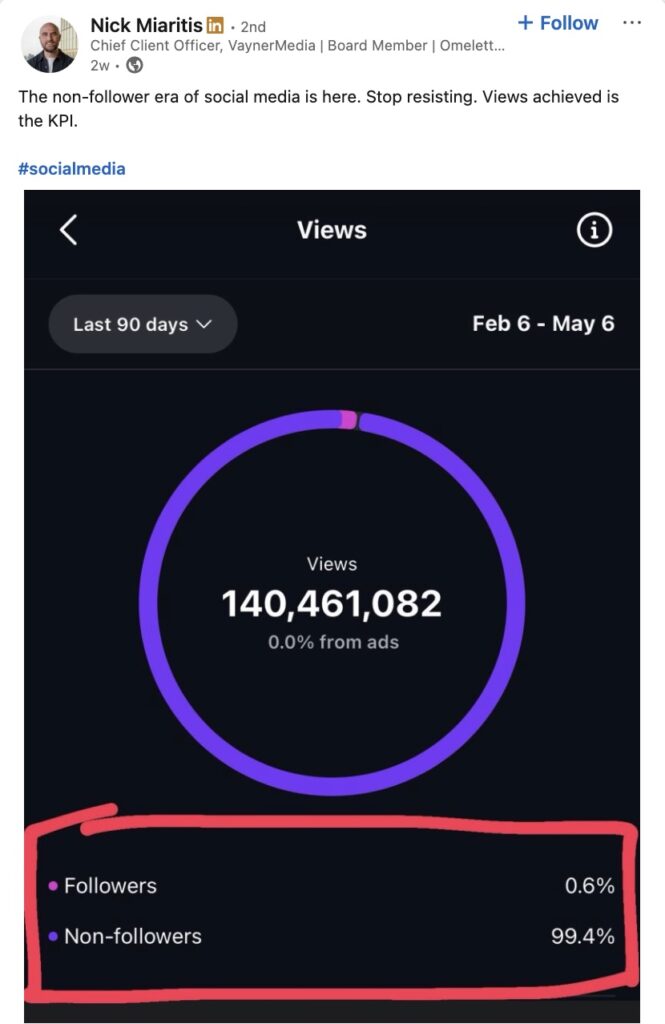
For marketing teams, the message is not that they must stop producing high-quality content, but rather that they must reorient their influencer strategy toward "discoverability" and "topic expertise."
Redefining the Influencer Profile
The era of judging an influencer solely by their follower count is effectively over. Today, marketers should prioritize:
- Topic Expertise: Does the creator have a specific niche (e.g., home organization, budget cooking, or skincare dupes) that aligns with the brand’s value proposition?
- Engagement-to-Reach Ratio: Are they driving meaningful comments and shares, or just passive views?
- Cost Per View (CPV) Efficiency: Can this creator produce high-performing content that sustains a lower CPV while maintaining high brand sentiment?
Moving Toward Long-Term Partnerships
The most effective campaigns are no longer one-off activations. They are long-term partnerships where the influencer becomes an extension of the brand’s voice. This allows for a deeper level of storytelling that feels authentic to the creator’s audience. By leveraging tools that analyze "brand fit" and "topic resonance," marketers can move away from the guessing game and toward data-backed collaborations.

Conclusion: Relatability is the New Currency
As consumers become more discerning and intentional with their spending, the brands that win will be those that prioritize value-based connection. The current economic climate has forced a reset, stripping away the performative excess of the past and highlighting the power of the "relatable expert."
Marketing is no longer just about showing a product in its best light; it is about showing how a product fits into the messy, complicated, and budget-conscious reality of the modern consumer’s life. When brands stop trying to sell an aspiration and start trying to be a partner in their customers’ daily challenges, they build the kind of trust that survives even the most difficult economic cycles.
In the end, relatability is not just a content strategy—it is a competitive advantage. The future of influencer marketing lies in the hands of the creators who help their audiences live better for less, and the brands that have the foresight to support them in that mission.












No comments yet. Be the first to join the conversation!