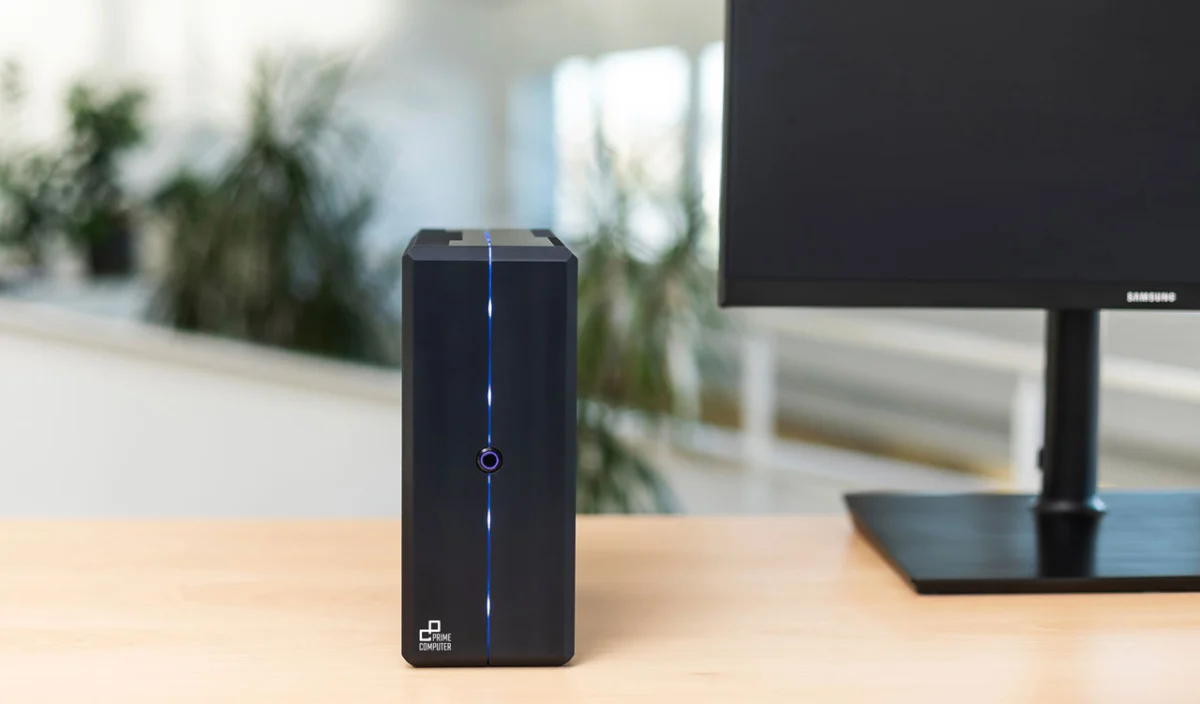
In the landscape of modern computing, the relentless pursuit of performance has traditionally been tethered to the deafening hum of cooling fans and the constant intake of dust. However, Swiss manufacturer Prime Computer has unveiled a compelling alternative that marries high-end workstation performance with an uncompromising commitment to environmental sustainability. The newly launched PrimeStation Pulsar is not merely a mini-PC; it is a statement piece, positioning itself as one of the most powerful fanless workstations on the global market, all while claiming a 100 percent climate-neutral footprint.
The Convergence of Power and Silence: Main Facts
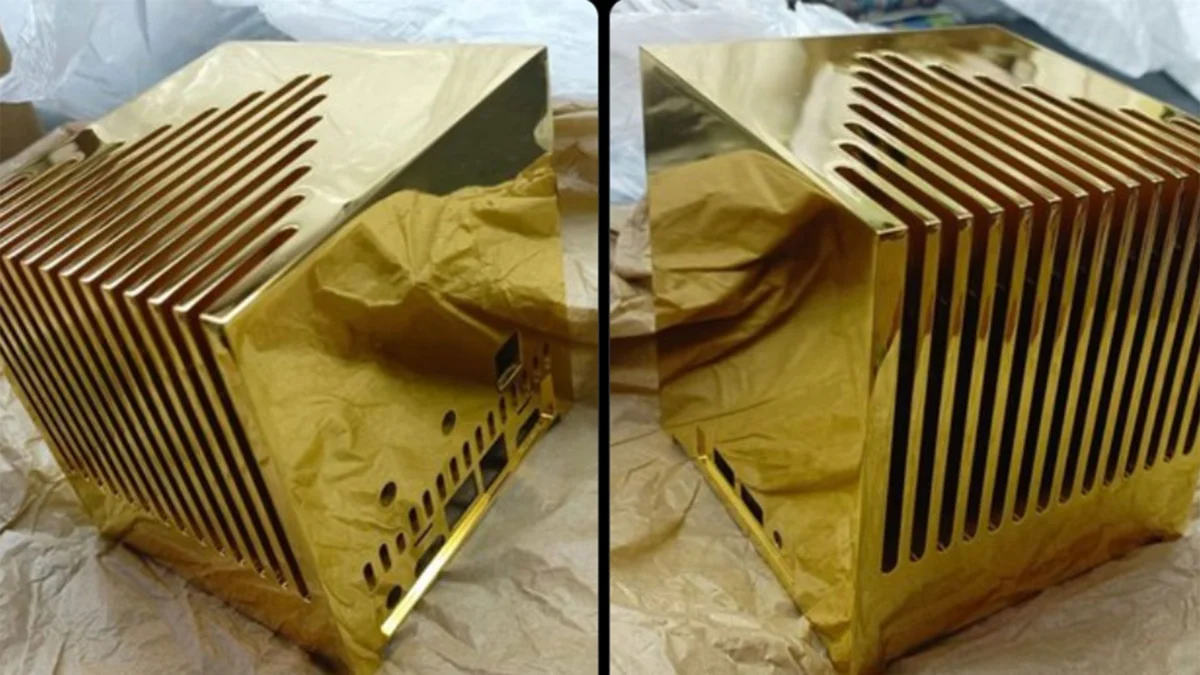
The PrimeStation Pulsar distinguishes itself through a design philosophy that eschews active cooling in favor of sophisticated thermal engineering. By utilizing a robust, finned aluminum chassis as a massive passive heatsink, the workstation dissipates heat generated by its internal components without the need for a single moving part. This architecture makes the unit entirely silent, immune to mechanical fan failure, and significantly more resistant to the accumulation of dust—a critical factor for longevity in industrial or professional creative environments.
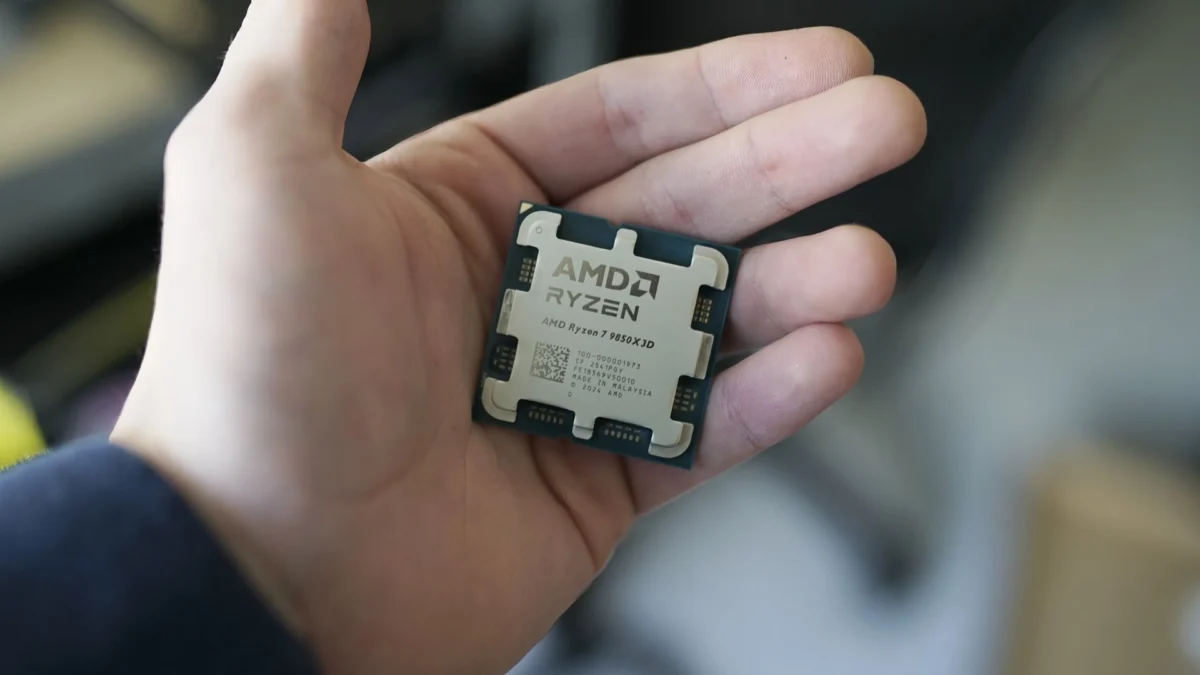
At the heart of this machine lies the AMD Ryzen 7 Pro 5750G, a 65W APU that brings enterprise-grade processing power to a compact form factor. While many fanless systems rely on low-power, thermally throttled mobile chips, Prime Computer has opted for a desktop-class processor that delivers substantial multitasking and computational capability. With 8 cores and 16 threads, the Pulsar is designed to handle professional-grade workflows, from complex data analysis to high-fidelity content creation, all within a chassis that measures just 9.1cm x 22.5cm x 20.3cm.
A Legacy of Innovation: Chronology of Development
The journey to the Pulsar began with Prime Computer’s broader mission to decouple high-performance computing from environmental degradation. For years, the IT industry has been criticized for its "planned obsolescence" and significant carbon footprints during manufacturing. Prime Computer’s development cycle for the Pulsar focused on three pillars: thermal efficiency, material sustainability, and lifecycle longevity.
The prototype phase involved rigorous stress-testing of the aluminum heat-dissipation design. By moving away from traditional heat pipes and towards a monolithic, conductive chassis, the engineering team successfully managed the thermal output of the 65W Ryzen 7 Pro without throttling, even under sustained load. The launch of the Pulsar follows a series of incremental updates to the company’s "Prime" line, moving from smaller, lower-power units to this current iteration, which marks the first time such a high-TDP processor has been successfully integrated into their fanless portfolio. The official reveal, occurring in late 2021, served as a culmination of these efforts to bridge the gap between "green" hardware and "power" hardware.
Under the Hood: Supporting Data and Technical Specifications
To understand the capability of the PrimeStation Pulsar, one must look at the technical specifications of the AMD Ryzen 7 Pro 5750G APU. Built on TSMC’s 7nm FinFET process, this processor is a powerhouse of efficiency. It offers a base clock of 3.8GHz with a boost frequency reaching up to 4.6GHz, supported by 16MB of L3 cache. Crucially, it integrates eight Radeon Vega GPU cores running at up to 2.0GHz, providing sufficient graphical prowess for professional software suites without requiring a power-hungry, heat-generating dedicated discrete graphics card.

The system’s modularity, while compact, is surprisingly robust. It supports up to 64GB of DDR4-3200 memory across two DIMM slots, allowing users to scale the machine based on their memory-intensive requirements. Storage options include both an NVMe M.2 slot for high-speed primary storage and a 2.5-inch SATA III bay for bulk data.
Connectivity is equally impressive, catering to the needs of modern office and laboratory environments:
- Networking: Intel Wireless AX200 (Wi-Fi 6) + Bluetooth 5.2, and a high-speed 2.5Gbps Ethernet port.
- Video Output: HDMI 2.1 and DisplayPort 1.4, supporting high-resolution multi-monitor configurations.
- Peripheral Connectivity: 3 x USB 3.2 Type-A, 1 x USB 3.2 Type-C, 1 x USB 2.0 Type-A, and a specialized Audio USB Type-C port, complemented by three standard audio jacks.
Despite this density of components, the system weighs in at approximately 4.3kg, a testament to the heavy-duty aluminum construction required for effective passive cooling.
The Corporate Mandate: Official Responses and Sustainability Claims
Prime Computer has positioned the Pulsar as a direct answer to the growing corporate demand for "Green IT." According to official statements from the company, every step of the Pulsar’s production—from the raw sourcing of materials to the final assembly—is measured for its carbon impact. Where emissions cannot be eliminated, the company utilizes certified carbon-offsetting projects to reach the 100% climate-neutral milestone.
This approach is not merely a marketing gimmick; it is an economic strategy. By designing a system that is durable, fanless (and thus less prone to failure), and energy-efficient, Prime Computer argues that the Total Cost of Ownership (TCO) is lower than that of standard workstations. Maintenance cycles are reduced because there are no fans to clog or bearings to wear out, and the power efficiency of the Ryzen 7 APU ensures lower electricity consumption over the machine’s lifespan.
Professional Implications and Market Positioning
The arrival of the PrimeStation Pulsar creates a unique niche in the market. Priced at approximately $2,179, it occupies a premium tier that might initially alienate casual consumers. However, when viewed through the lens of professional usage, the value proposition shifts.
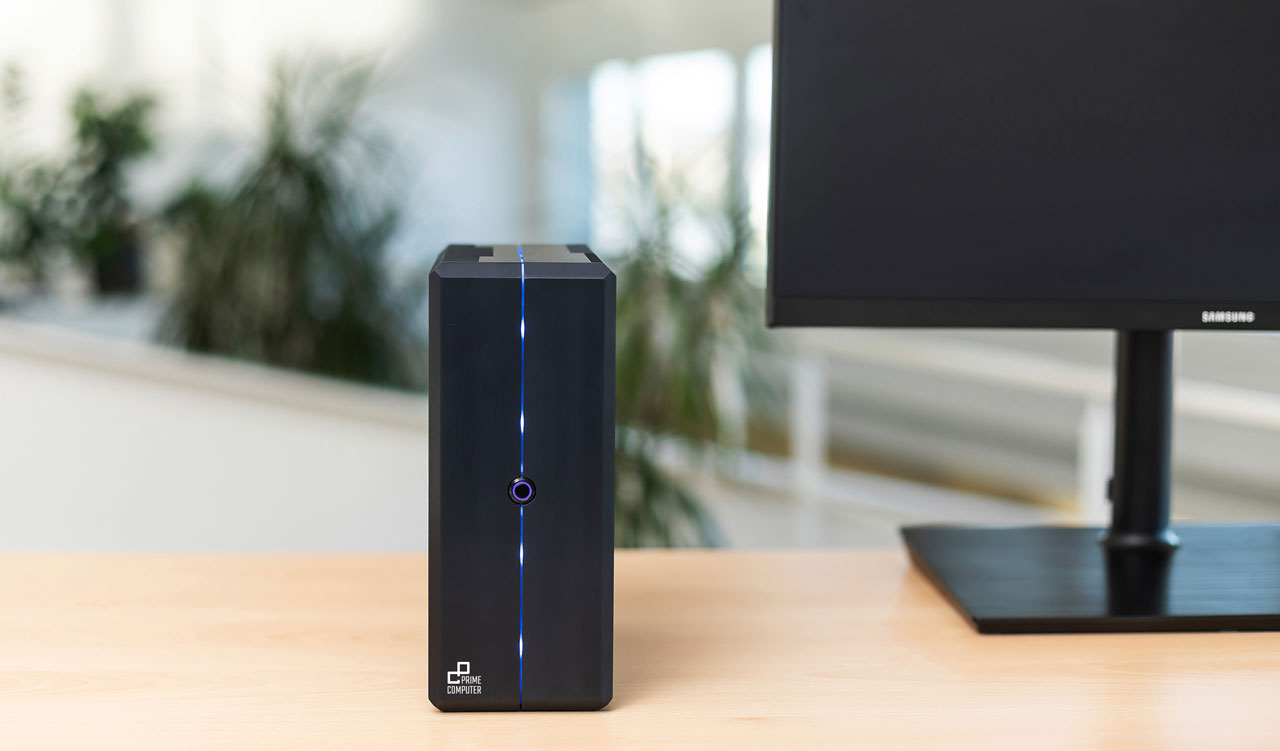
For environments where noise is a critical concern—such as recording studios, medical clinics, libraries, or clean-room environments—the Pulsar offers a rare combination of silence and power. Unlike a laptop, which offers similar portability but often suffers from thermal throttling and limited port selection, the Pulsar provides a "set and forget" workstation experience.
However, the market is not without alternatives. Enthusiasts and DIY builders have noted that the Pulsar faces competition from more extreme solutions like "The Beast" from MonsterLabo. While MonsterLabo’s offerings provide superior thermal headroom and allow for the integration of high-end discrete GPUs, they are significantly larger and lack the "turnkey" climate-neutral certification that Prime Computer provides. The Pulsar is for the enterprise user or professional who demands a reliable, sustainable, and quiet machine delivered as a finished, supported product.
Future Outlook: The Impact of Silent Computing
The PrimeStation Pulsar serves as a signal that the era of mandatory cooling noise is nearing its end. As semiconductor manufacturing continues to shrink, with 5nm and 3nm processes becoming the standard, the thermal-per-watt efficiency will only improve. Prime Computer’s success with the 65W Ryzen 7 Pro suggests that we are approaching a tipping point where even high-performance desktop computing can be effectively cooled through passive, silent means.
Ultimately, the Pulsar is a blueprint for the future of workstation design. By proving that one does not need to sacrifice raw power to achieve environmental neutrality or silence, Prime Computer has set a high bar for the industry. While the price point remains a hurdle for mass adoption, the Pulsar is an essential evolution in computing—a machine that respects both the user’s need for focus and the planet’s need for sustainability. Whether it becomes the standard for the corporate office of tomorrow remains to be seen, but for now, it stands as a masterclass in elegant, responsible engineering.