

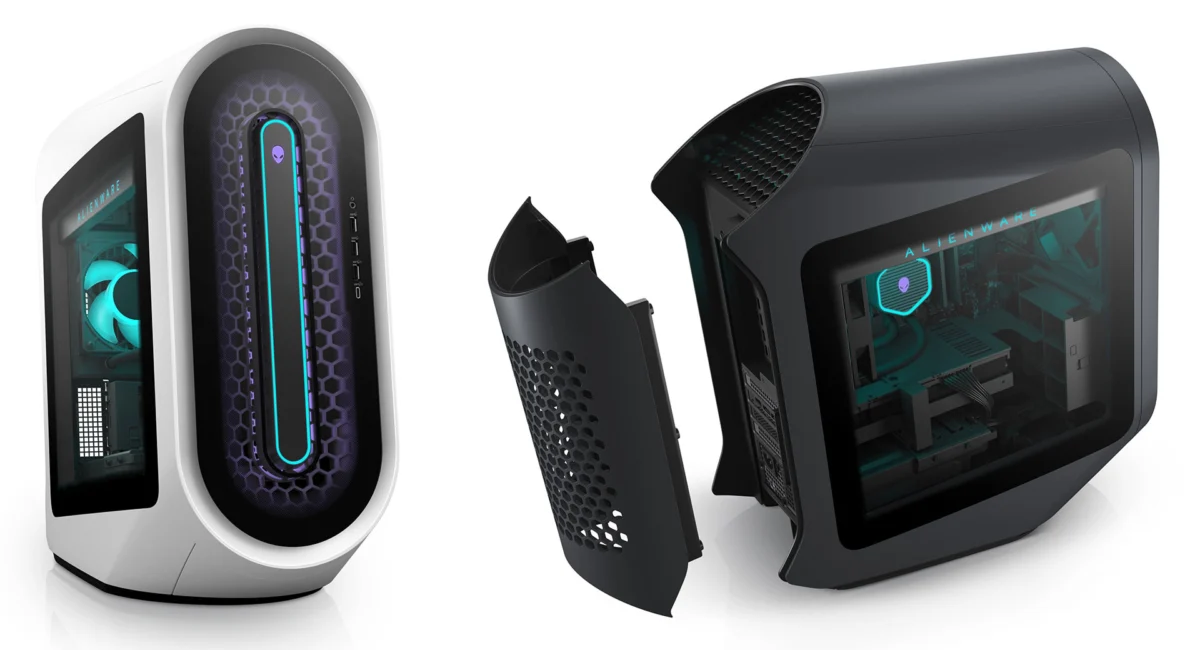
As the gaming industry evolves at a breakneck pace, few brands have managed to maintain the cultural cachet and technological relevance of Alienware. This year, the Dell-owned titan of high-end PC gaming celebrates a quarter-century of innovation. To mark this milestone, Alienware has pulled back the curtain on a reimagined iteration of its flagship Aurora desktop. While the brand has scheduled a celebratory Twitch stream to mark the occasion, the hardware details have emerged, signaling a significant shift in design philosophy, thermal management, and aesthetic versatility for the iconic gaming series.
The Legacy of the Aurora: A Historical Chronology
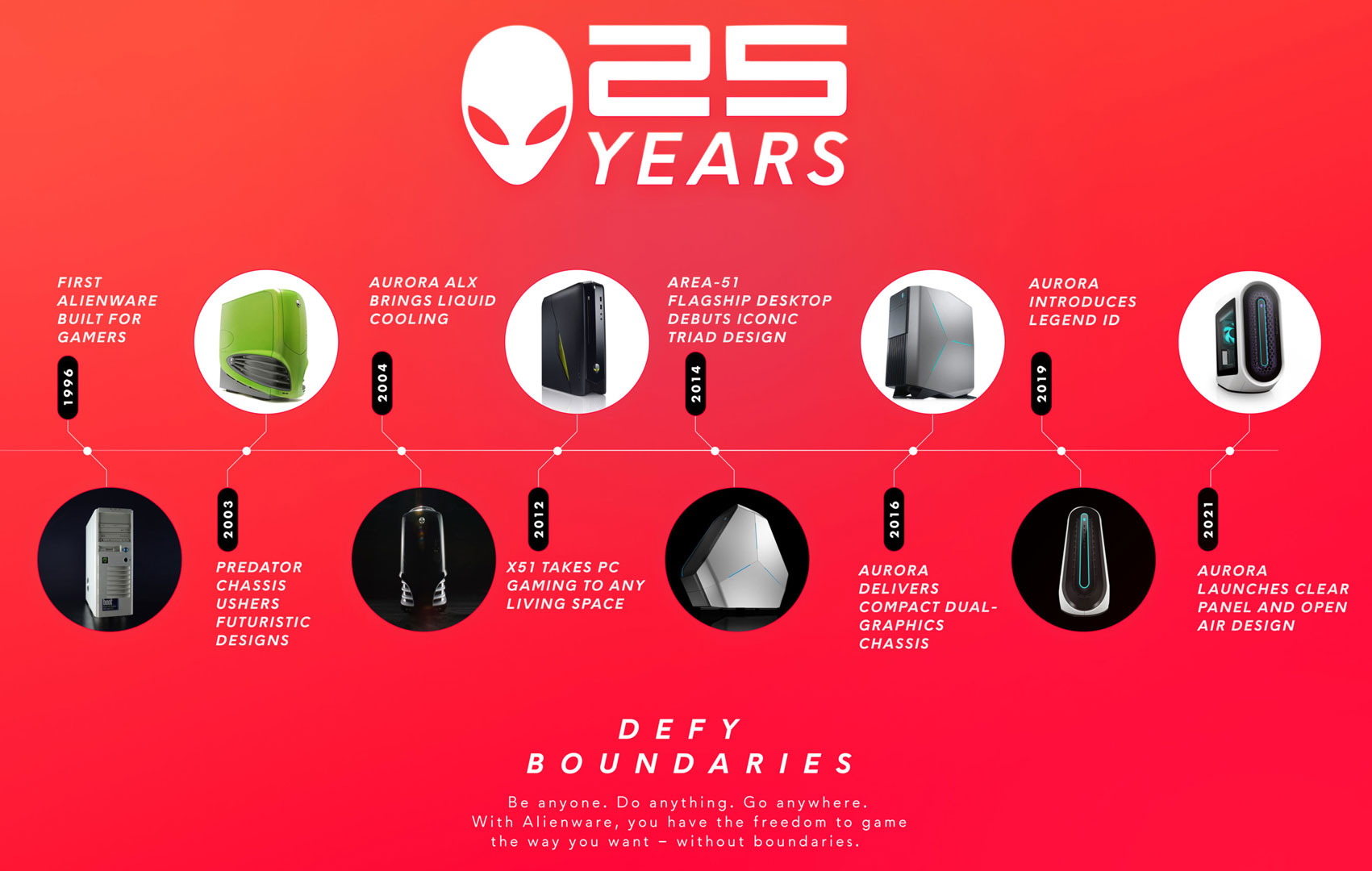
To understand the magnitude of this new announcement, one must look back at the trajectory of the Alienware brand. Founded in 1996, Alienware established itself as the gold standard for enthusiasts who demanded uncompromising power. While the brand has undergone various transformations—most notably its acquisition by Dell in 2006—the "Aurora" line has remained the heartbeat of its desktop offerings.
Looking back at the archives, it is striking how far the architecture has traveled. Our last comprehensive review of an Alienware Aurora dates back to 2010, when the Aurora ALX was the pinnacle of enthusiast computing. That machine, with its motorized vents and aggressive, industrial chassis, defined an era of gaming. Since then, the Aurora has undergone iterative refinements, moving from the monolithic towers of the early 2010s to the current "Legend" design language.
The new anniversary model represents a pivot toward the needs of the modern "prosumer" and eSports professional. It serves as a bridge between the niche, boutique-style engineering of the past and the accessible, high-performance modularity of the future. By increasing internal volume by 50 percent compared to the Aurora R12, Alienware is signaling that it is finally prioritizing thermal headroom over the hyper-compact form factors that have plagued high-end gaming PCs in recent years.
Engineering for Performance: Supporting Data and Thermal Dynamics
The most significant takeaway from the announcement is the shift toward "thermal efficiency through volume." For years, enthusiasts have leveled criticism at Alienware for its cramped internal layouts, which often resulted in thermal throttling under heavy gaming loads. The new chassis directly addresses these concerns.
Thermal Efficiency Metrics
Alienware’s internal testing provides a compelling case for this redesign. By increasing the chassis capacity, the company has created a more efficient airflow path. Key performance data points include:
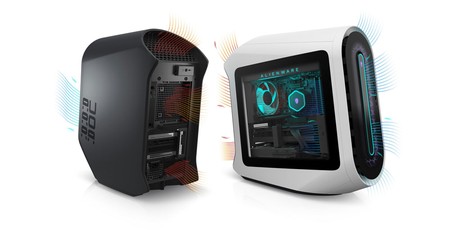
- Acoustic Improvements: The new design is reportedly 16% quieter during idle states and 9% quieter under heavy, sustained workloads. This reduction in noise is achieved through larger, more efficient fans and better airflow dynamics that allow the system to maintain stable temperatures without high-RPM fan spikes.
- Gaming Performance Gains: In side-by-side testing using identical components, the new chassis outperformed the previous generation by up to 5% in frame rates. This is a testament to the fact that modern GPUs and CPUs are increasingly sensitive to thermal environment; when these components are allowed to "breathe," they can maintain higher boost clocks for longer durations.
- Fan Configuration: The base configuration now includes at least two 120mm fans (intake and exhaust). High-specification models push this further, offering up to four 120mm fans and sophisticated liquid cooling loops.
Cable Management and Aesthetics
Beyond the raw performance, the chassis features an optional transparent left-side panel. This is a departure from the "black box" aesthetic of previous years. The clear panel serves two purposes: it highlights the meticulous internal cable management—a point of pride for Alienware engineers—and showcases the integrated LED lighting, catering to the growing market of gamers who view their PC as a centerpiece of their streaming or gaming setup.
Furthermore, the introduction of an optional magnetic rear cable cover is a nod to the eSports community. In tournament settings, gaming PCs are often positioned so that the rear of the machine is visible to the audience. The magnetic cover offers a clean, professional facade, hiding the clutter of I/O ports and power cables, ensuring that the machine looks as sleek from the back as it does from the front.
Official Perspectives and Market Positioning
Alienware’s strategy with this launch is clear: they are aiming to capture the "pro-gamer" segment that has historically migrated toward custom-built PCs. During the lead-up to the 25th-anniversary event, representatives emphasized that this machine was designed based on "years of community feedback."
While the brand is keeping the maximum specifications under tight wraps—likely to avoid "leaking" the launch of next-generation processors from Intel and AMD—they have confirmed that the flagship will house up to an NVIDIA GeForce RTX 3090. This confirms that the new chassis is designed to accommodate the massive power draw and physical footprint of top-tier GPUs.
The decision to remain "cagey" about the CPU options is a tactical one. As the industry moves toward DDR5 memory and new chipset architectures, Alienware is likely holding off on formal announcements to ensure their flagship launch coincides with the absolute latest silicon available. Industry analysts expect a full spec sheet to be unveiled before the end of the year, potentially aligning with holiday shopping windows.
Implications for the Gaming Desktop Market
The launch of this anniversary Aurora has broader implications for the pre-built PC market. For a long time, there has been a distinct divide between "boutique" builders and "OEM" systems. Alienware is attempting to collapse that divide.
The Shift Toward Modular Customization
The tool-less nature of the new chassis is a significant improvement. It invites the end-user to perform their own upgrades, a feature that was once anathema to the "closed-system" approach of major PC manufacturers. By making the interior accessible, Alienware is acknowledging that the modern gamer wants to feel a sense of ownership over their hardware.
Design and Finish
The availability of "Lunar Light" and "Dark Side of the Moon" finishes continues the company’s commitment to its signature aesthetic. These colors have become synonymous with the brand, providing a clean, futuristic look that differentiates Alienware from the generic, sharp-angled, and often over-the-top "gamer" designs of its competitors.
The Future of Alienware
Looking forward, the 25th-anniversary model is not just a commemorative product; it is a blueprint. The increased chassis size, the emphasis on airflow, and the inclusion of user-friendly upgrades suggest that Alienware is moving toward a more sustainable product lifecycle. By allowing users to easily access and upgrade their internal components, the company is effectively increasing the lifespan of their machines, which is a significant value proposition in an era of rising component costs.
Conclusion: A Turning Point?
As we look toward the next 25 years, this new Aurora desktop serves as a symbol of maturation for Alienware. They are no longer simply selling a "high-end machine"; they are selling an ecosystem. The combination of thermal optimization, aesthetic customization, and user-centric design indicates that the company is listening to the core enthusiast community.
Whether this new chassis will satisfy the most hardened DIY PC builders remains to be seen. However, by solving the thermal and accessibility issues that have lingered for the better part of a decade, Alienware has positioned its anniversary flagship as a formidable contender in the high-performance market. As we wait for the final CPU specifications to drop later this year, one thing is certain: the "bright new Aurora" is not just a tribute to the past, but a serious attempt to command the future of the desktop gaming market.
For those attending the Twitch stream today, the focus will undoubtedly be on the intersection of this new design and the next generation of performance hardware. For the rest of the industry, it is a reminder that even after 25 years, Alienware still has the capacity to surprise, adapt, and lead in a space that is more competitive than ever.










No comments yet. Be the first to join the conversation!