Sagoh
Sagoh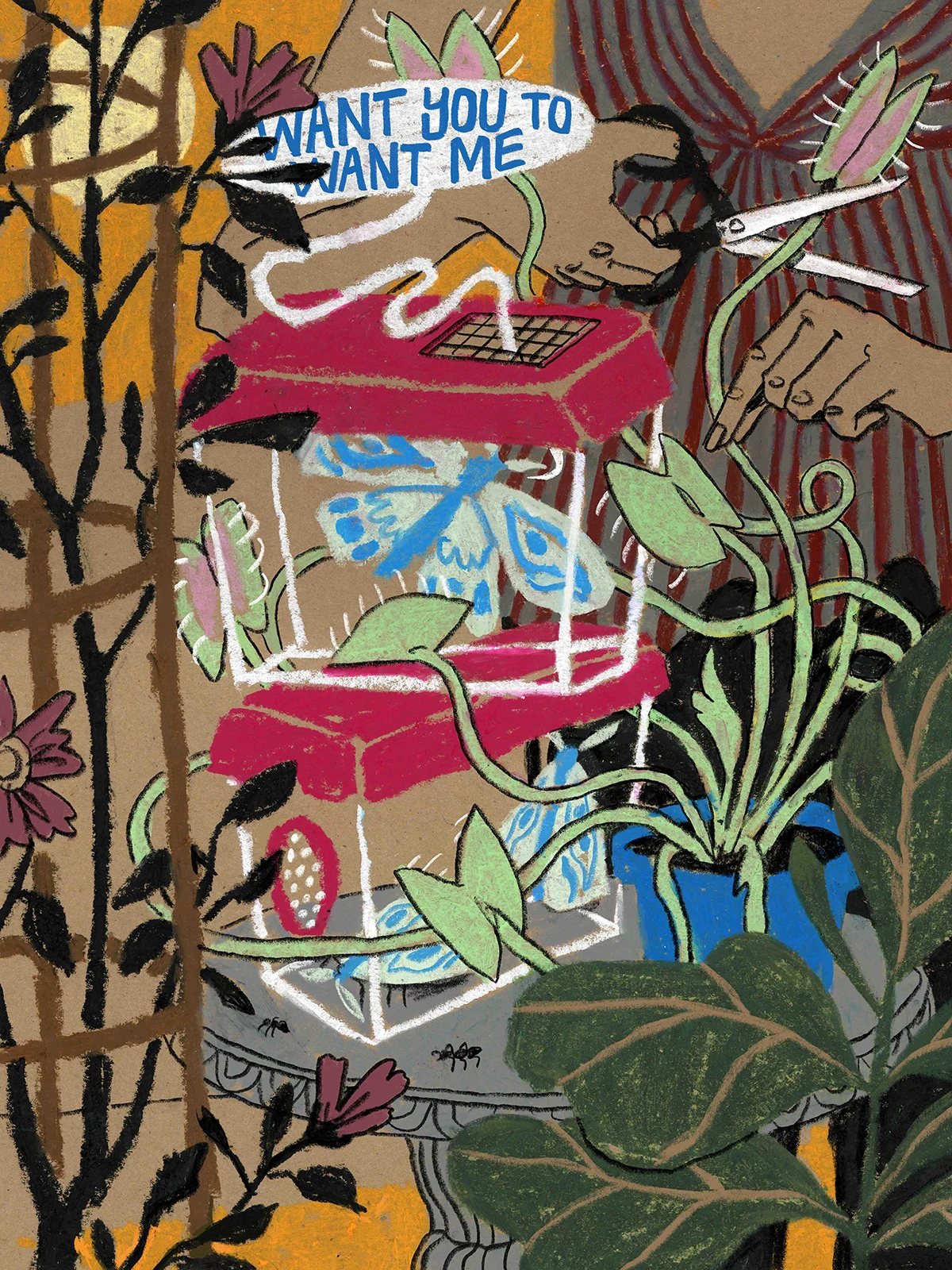
In the landscape of contemporary illustration, few artists manage to capture the psychological dissonance of human intimacy with the surgical precision of Reena Wu. Based in Queens, New York, the Chinese-Canadian artist—who holds an MFA in Illustration from the prestigious School of Visual Arts—has carved out a unique niche where the mundane collides with the uncanny. Her latest work, a six-piece series titled So This Is Love, serves as a poignant, visual autopsy of the dissolution of an unhealthy relationship. Through a mastery of surrealism, Wu translates the abstract, often suffocating experience of romantic disillusionment into tangible, haunting imagery.
The Genesis of a Series: Facing Unpleasant Realities
At its core, So This Is Love is an exploration of the cognitive dissonance inherent in failing partnerships. It specifically interrogates the human propensity for denial—the psychological defense mechanism that allows us to overlook "red flags" until the structural integrity of a relationship has completely collapsed.
Wu, who operates as both a fine artist and a licensed tattoo artist, brings a unique sensibility to her work. The precision required in tattooing—a medium that allows for zero error—is mirrored in the deliberate, crisp lines of her illustrations. Yet, while her technique is grounded in clarity, her subject matter is intentionally slippery. The series documents that specific, agonizing "sinking feeling" that accompanies the moment of clarity, where the idealized version of a partner is abruptly replaced by the cold, hard reality of their flaws or the toxicity of the bond.
Chronology: The Arc of Disillusionment
To understand So This Is Love, one must view the series as a narrative arc rather than a collection of disparate images. While the specific visual sequence is open to interpretation, the collection functions as a chronology of an emotional breakdown.
The Idealist vs. The Realist
The early stages of the series establish the fundamental tension between the two versions of the self. Wu describes this as a "disconnect between what feels like two parts of yourself." In these pieces, the viewer is introduced to the "idealist"—the part of the psyche that persists in believing the romance is salvageable—and the "realist," which is beginning to recognize the gravity of the situation.
The Motif of the Double
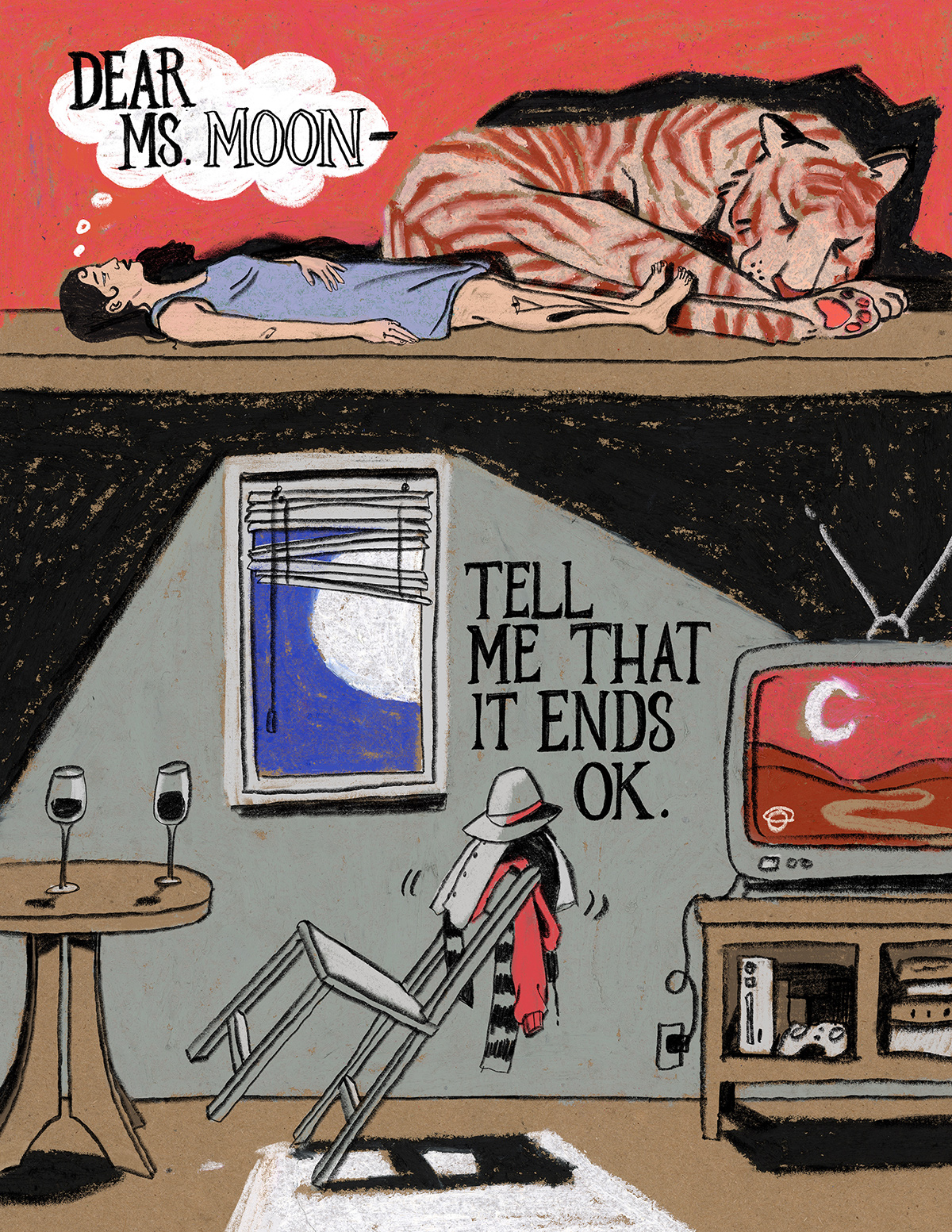
Throughout the six pieces, Wu employs the recurring motif of the "double" or the "shadow self." These figures do not represent external characters, but rather the internal splintering that occurs during a breakup. The shadow self acts as a harbinger of truth, a darker, more cynical reflection that mocks the idealist’s attempts to maintain a facade of happiness.
The Tipping Point and the Aftermath
The latter half of the series focuses on the moment of transition. Whether it is a literal "tipping point" depicted through precarious physical positions or the literal "aftermath of a fall," the imagery becomes increasingly surreal to amplify the discomfort of the situation. This is where Wu’s talent truly shines; by utilizing surrealism, she bypasses the viewer’s logical defenses, forcing them to feel the anxiety of the breakup rather than simply observing it from a distance.
Supporting Data: The Intersection of MFA Rigor and Artistic Intuition
Reena Wu’s work is underpinned by the rigorous academic training provided by the School of Visual Arts. Her approach to composition is not merely aesthetic; it is structural. By combining everyday domestic scenes—a breakfast table, a bedroom, a shared living space—with surreal elements, she creates a jarring contrast that highlights the fragility of domestic stability.
In the context of the contemporary art market, Wu’s transition from a fine artist to a practitioner of permanent body art informs her approach to the canvas. The permanence of a tattoo necessitates a certain level of commitment and finality, a theme that resonates deeply within So This Is Love. If a relationship is a series of choices, Wu’s illustrations suggest that some choices, like ink on skin, leave marks that cannot be easily erased or ignored.
Official Artist Statement and Philosophical Implications
In articulating the intent behind the series, Wu notes:
"The series is an exploration of that tension that occurs when there is a disconnect between what feels like two parts of yourself (i.e. the idealist and the realist). As such, doubles, shadow selves, and either the tipping point, or the aftermath of a fall repeat throughout the collection. The surreal imagery of the series is used to amplify these uncomfortable feelings."
This statement highlights the psychological depth of the collection. The "uncomfortable feelings" are the focal point. In a cultural climate that often encourages the "sanitization" of personal trauma, Wu’s willingness to lean into the discomfort—the messy, unglamorous, and often embarrassing reality of heartbreak—is both brave and necessary.
Broader Implications: The Evolution of Narrative Illustration
The success of So This Is Love suggests a shifting appetite in the art world for narrative-driven illustration that prioritizes emotional authenticity over technical flourish. While Wu’s technical prowess is undeniable, it is her ability to act as a mirror for the viewer’s own experiences that sets her work apart.
The Impact of Surrealism on Emotional Expression
By moving away from literal depictions of sadness (tears, rain-streaked windows, empty chairs), Wu opts for surrealist allegory. This choice allows the viewer to project their own experiences of "unhealthy relationships" onto the work. It is not just a series about one woman’s heartbreak; it is a universal study of the human ego’s desperate attempts to protect itself from painful truths.
The Role of the Artist in the Modern Digital Age
In an era where artists are increasingly pressured to provide constant content, Wu’s deliberate, thematic approach serves as a reminder of the power of the "body of work." By focusing on a singular, cohesive series, she invites the audience to engage with the work on a deeper, more intellectual level. Her presence in the New York art scene, particularly from her base in Queens, places her in a long lineage of artists who have used the grit and reality of city life to inform their creative output.
Conclusion: Looking Ahead
Reena Wu’s So This Is Love is a masterclass in psychological storytelling. It serves as a stark reminder that while we may try to hide from the truths of our personal lives, those truths eventually manifest in the shadows of our own psyche. Through her sophisticated use of surrealism and her commitment to exploring the tension between the idealist and the realist, Wu has created a series that will resonate with anyone who has ever had to face the difficult task of seeing things clearly.
As she continues to evolve as both a tattoo artist and a fine artist, Wu is an individual to watch. Her ability to synthesize the pain of the human experience into something visually stunning—and emotionally resonant—positions her as a significant voice in the next generation of narrative illustrators. Whether or not one is currently navigating the complexities of an unhealthy relationship, the truths presented in So This Is Love are universal, timeless, and hauntingly beautiful.
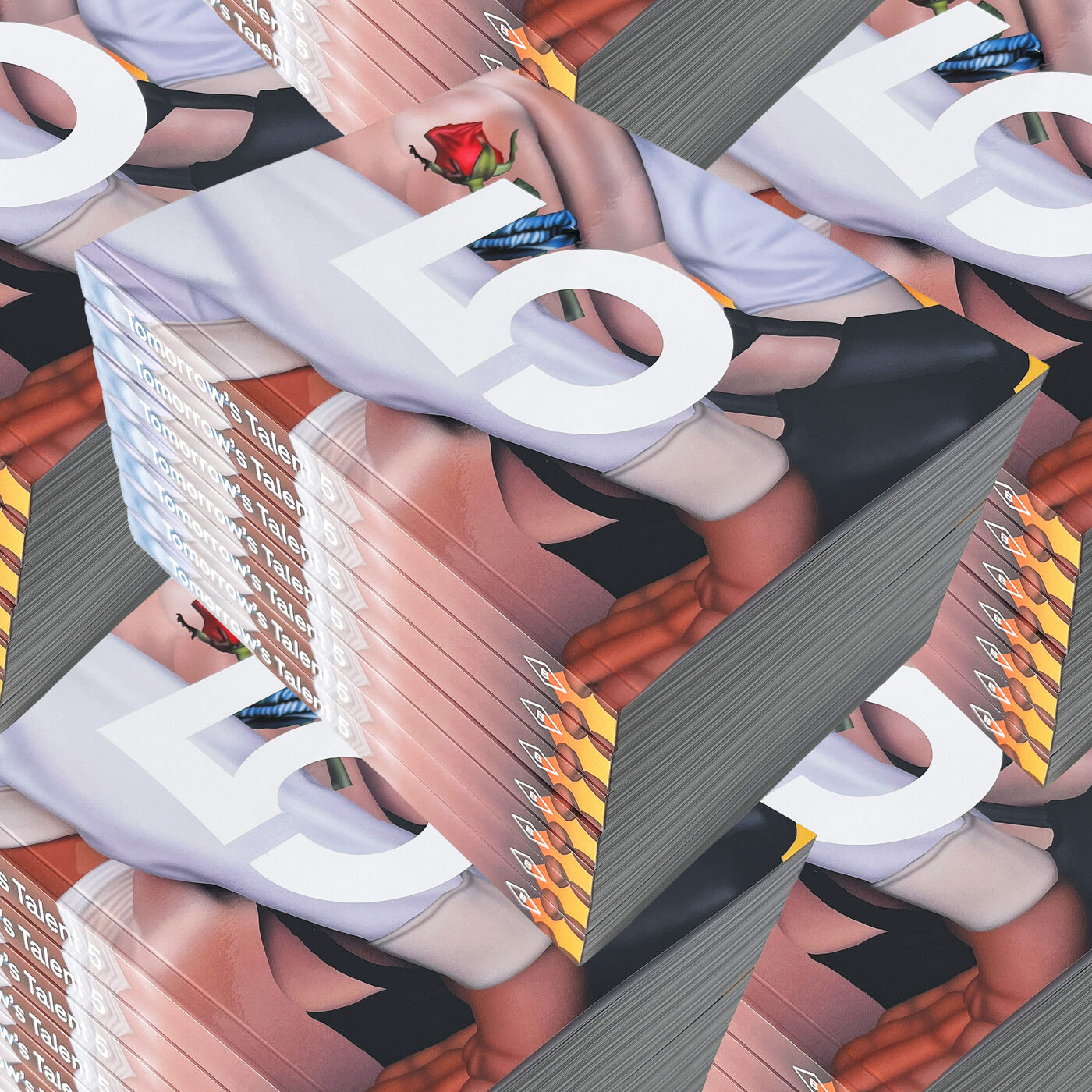
For those interested in exploring more about the evolving landscape of contemporary art, publications like Tomorrow’s Talent and resources like the 2025 Photo Awards continue to track the trajectories of emerging artists like Wu, providing a broader context for the shifting tides of the creative world. In the end, Wu’s work reminds us that the most significant art is often that which forces us to look in the mirror, acknowledge our shadows, and accept the reality of our own hearts.


 Basiran
 Asro
Asro