Neng Nana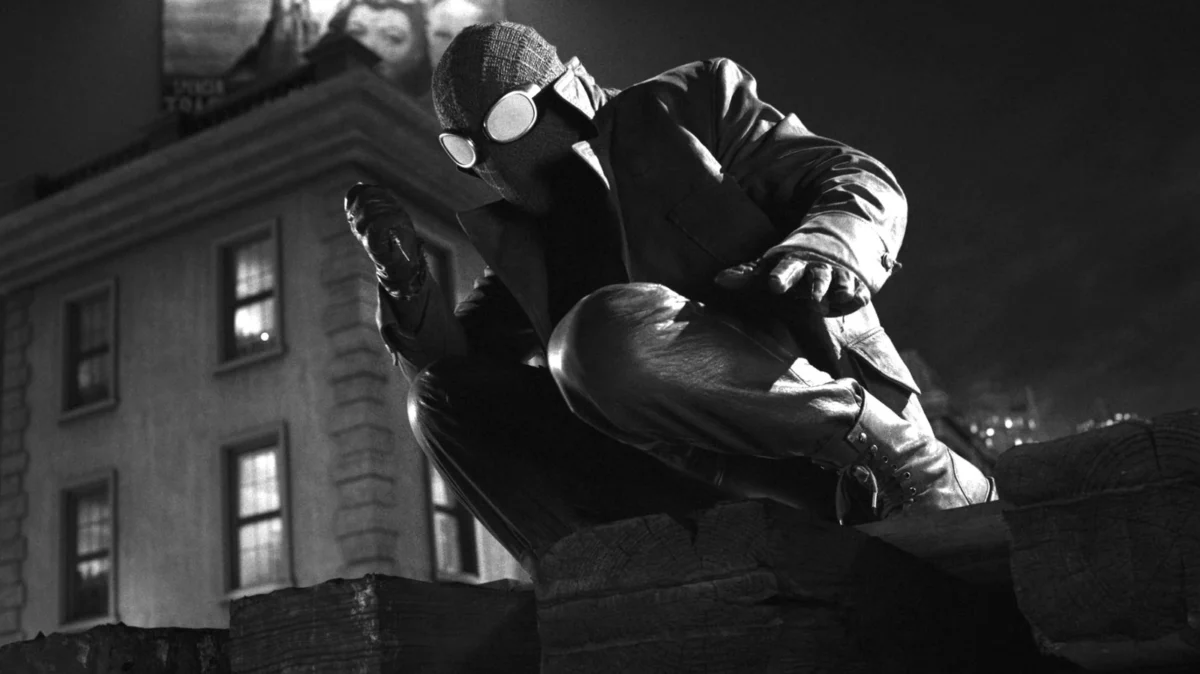
For the first time in the history of live-action television, fans have been gifted a series that occupies the gritty, neon-soaked, and rain-slicked world of the Spider-Man mythos. Prime Video’s Spider-Noir, featuring the iconic Nicolas Cage as a world-weary private investigator in 1930s New York, has been met with significant anticipation. Yet, eagle-eyed viewers and dedicated comic book historians have noted a glaring absence: the series avoids the name "Spider-Man" entirely, and its protagonist is identified as Ben Reilly, rather than the legendary Peter Parker.
While many assumed this was purely a creative decision to differentiate the show’s hard-boiled detective aesthetic, the reality is far more complex. The absence of these monikers is rooted in a rigid, legally binding framework dictated by Marvel—a set of "character mandates" that govern how their most valuable intellectual property can be portrayed in external media.
The Foundation: Why the Names Matter
At the core of the issue is the distinction between creative freedom and brand integrity. In the world of corporate licensing, a "character mandate" is a non-negotiable set of guidelines that a licensee—or even an internal production team—must adhere to if they wish to use a specific trademarked name.
For Marvel, Spider-Man is not merely a character; he is the crown jewel of their brand, a figurehead that generates billions in global merchandising. To protect this asset, Marvel has historically implemented strict "moral clauses" and character definitions that limit how writers, directors, and showrunners can interpret the hero. By eschewing the name "Spider-Man," the creative team behind Spider-Noir—including producers Phil Lord and Chris Miller—successfully sidestepped these restrictive guardrails, allowing them to craft a mature, neo-noir story that would have been legally impossible under the "Spider-Man" banner.
A Chronology of Control: From Comics to Contracts
To understand why Spider-Noir is restricted, one must look at the evolution of Marvel’s licensing strategy.
The 2011 Turning Point
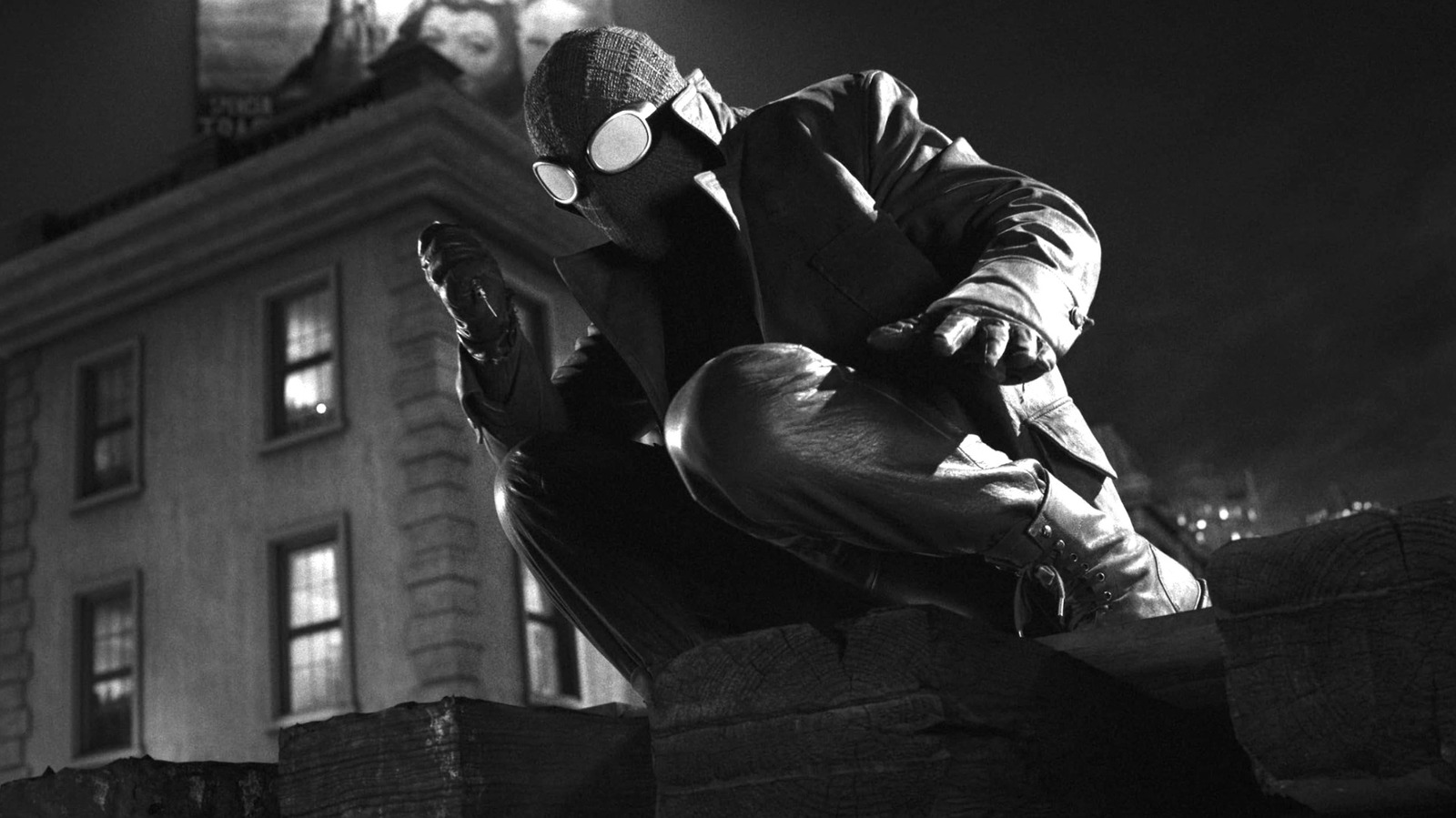
The current landscape of Spider-Man restrictions can be traced back to a pivotal 2011 licensing agreement. At this time, Marvel was looking to tighten its grip on how its characters were represented in film and television to ensure a cohesive brand identity, especially as the Marvel Cinematic Universe (MCU) began to gain massive momentum.
The 2015 Hollywood Reporter Exposé
The existence of these rigid rules was brought to public attention in 2015 by The Hollywood Reporter. The industry publication revealed that Marvel’s contract contained specific, almost draconian definitions for Peter Parker and Spider-Man. These rules weren’t just about general heroism; they were about defining the moral and physical limits of the character to ensure he remained "family-friendly" and consistent with the core values established by Stan Lee and Steve Ditko.
The Modern Era and the "Spider-Noir" Pivot
Fast forward to the development of Spider-Noir. The producers faced a dilemma: they wanted to create a dark, adult-oriented detective story set in the Depression-era. However, if they had named the character "Spider-Man," they would have been forced to comply with the 2011 mandates. By choosing to call the character "The Spider" and the protagonist "Ben Reilly," the showrunners effectively bypassed the regulatory red tape that would have stifled their vision.
Supporting Data: The "Spider-Man" Restrictions
The specific limitations imposed on anyone bearing the mantle of "Spider-Man" are quite extensive. According to the internal documents reported by The Hollywood Reporter, the "Spider-Man" branding comes with the following requirements:
- The Gender and Orientation Clause: The character must be male and cannot be portrayed as a homosexual, unless Marvel has previously established that iteration of the character as such.
- The Moral Code: The character is prohibited from engaging in acts of torture. Furthermore, the character cannot kill anyone unless it is in direct, immediate defense of self or others.
- Lifestyle Restrictions: The character cannot smoke, abuse alcohol, or distribute illegal drugs.
- Age and Content Sensitivity: There are strict limitations on sexual content, specifically forbidding sexual activity before the age of 16 or with anyone below the age of 16.
For a series like Spider-Noir, which positions its lead as a hard-drinking, cynical private investigator in a world rife with organized crime and corruption, these rules would have been catastrophic. A "Spider-Man" who cannot drink or engage in the darker elements of 1930s noir would have felt sanitized and unconvincing.
The "Peter Parker" Paradox
If the rules for "Spider-Man" are strict, the rules for "Peter Parker" are virtually ironclad. The legal documentation highlights that Marvel views the identity of Peter Parker as a sacred brand asset.
The Identity Mandate
The contract stipulates that Peter Parker must be defined as:
- Caucasian
- Straight
- Raised in Queens, New York
These requirements leave zero room for creative experimentation regarding the character’s background or personal history. Additionally, the mandate requires that the character gain his powers while attending either middle school or college.
When Captain America: Civil War introduced the MCU’s Spider-Man, the dialogue was carefully crafted to emphasize his upbringing in Queens, ensuring the film stayed within the lines of these contractual obligations. Spider-Noir’s version of the hero, who acquires his powers in an unconventional, adult-themed manner, would have immediately breached these requirements had he been legally designated as Peter Parker.
Official Responses and Creative Implications
While Marvel and Sony have remained tight-lipped regarding specific ongoing contract negotiations, the creative team behind Spider-Noir has been open about their intent. By crafting a narrative that exists in the periphery of the established Spider-Verse, the showrunners have found a way to utilize the aesthetic and thematic essence of the "Spider" archetype without being beholden to the corporate bureaucracy that governs the "Spider-Man" trademark.

The Power of the "Spider" Brand
The choice to name the character "The Spider" is a clever narrative workaround. It pays homage to the pulp detective novels of the 1930s, which frequently featured mysterious, costumed vigilantes with simple, punchy titles. This fits the era of the show perfectly while maintaining a distinct distance from the traditional, brightly colored superhero tropes associated with the modern Marvel brand.
A New Path for Future Adaptations
The success of this strategy may set a precedent for future adaptations. By focusing on alternate-universe versions of characters and stripping away the legally weighted names, creators can tell more nuanced, adult-skewed stories. This is particularly relevant for characters like Ben Reilly, who in the comics have often served as conduits for more experimental storytelling.
The Broader Implications for the Industry
The "Spider-Noir" case study serves as a fascinating look at the intersection of law, art, and intellectual property. It highlights the growing tension between the desires of creative teams—who want to push the boundaries of established lore—and the corporate mandate to protect the "sanctity" of a multi-billion dollar trademark.
As the entertainment industry continues to consolidate around massive IPs, these kinds of legal hurdles will likely become more common. For fans, this creates a bizarre environment where the "name" of a character is effectively a contract rather than a creative choice. However, as demonstrated by the team behind Spider-Noir, a clever writer can still tell a compelling story by looking for the gaps in the legal fine print.
The series, which also stars Lamorne Morris as Robbie Robertson and Brendan Gleeson as the villainous Silvermane, is now available on Prime Video. It stands as a testament to the fact that while legal restrictions can define the boundaries of a character, they cannot limit the imagination of the creators who, through careful navigation of these "bizarre" rules, have managed to bring a compelling, dark, and entirely unique vision to the screen. By letting go of the name "Spider-Man," they have gained the freedom to tell a story that feels, in many ways, more human and more honest than the traditional hero’s journey.


 Asro
Asro
 Nana Wu