

In the contemporary digital landscape, a brand’s social media presence is its most visible storefront. However, this storefront is often subject to the unpredictable winds of the internet—ranging from constructive customer feedback to waves of automated spam, toxic trolling, and misinformation. As brands struggle to maintain a professional, welcoming environment, content moderation has emerged as a critical pillar of corporate strategy. It is no longer merely a "cleanup" task; it is a vital component of reputation management, customer service, and crisis prevention.
The Evolution of Content Moderation: A Brief Chronology
The need for content moderation has evolved in lockstep with the maturation of social media platforms.

- The Early Web (2000–2008): In the nascent stages of social networking, moderation was largely manual and reactive. Community managers relied on primitive keyword blocklists and basic user-reporting features. The primary focus was keeping forums free of profanity.
- The Expansion Era (2009–2015): As platforms like Facebook, Twitter, and Instagram exploded in popularity, the volume of user-generated content (UGC) became unmanageable for small teams. Brands began shifting toward "post-moderation," allowing content to appear immediately while cleaning up violations after the fact.
- The AI and Scale Era (2016–Present): With the rise of sophisticated bot networks and the increasing demand for 24/7 responsiveness, brands have turned to AI-driven moderation. Today, the industry relies on a hybrid model: machine learning algorithms handle the high-volume filtering of spam and hate speech, while human moderators focus on nuanced sentiment, high-stakes customer complaints, and crisis mitigation.
Why Content Moderation is a Business Imperative
Effective content moderation is not about censorship; it is about stewardship. When a brand fails to moderate its channels, it cedes control of its narrative to the loudest—and often the most harmful—voices in the room.
1. Elevating Customer Experience
For many consumers, social media is the first point of contact for support. An effective moderator acts as a triage nurse for these interactions, ensuring that genuine customer pain points are identified and routed to the correct support departments. By filtering out the "noise" of spam, moderators ensure that legitimate customer voices are heard and acknowledged in a timely manner.

2. Protecting Brand Equity
A comment section riddled with toxic behavior or unchecked misinformation can permanently tarnish a brand’s reputation. Furthermore, when brands collaborate with influencers or share UGC, they implicitly promise a safe space for those contributors. If an influencer’s post on your channel is met with vitriol, they are unlikely to partner with you again, effectively closing off your pipeline for future collaborations.
3. Early Detection of PR Crises
Moderators are the "eyes on the ground." Often, a PR crisis begins not with a news headline, but with a sudden, coordinated spike in negative sentiment on a social post. By identifying patterns—such as a specific, recurring complaint or a misunderstanding of a new product launch—moderators provide leadership teams with the lead time necessary to draft official responses or legal clarifications before a situation spirals out of control.
Methodologies: Choosing the Right Moderation Strategy
There is no "one-size-fits-all" approach to moderation. Businesses typically adopt one or a combination of the following five strategies:
- Pre-moderation: Every piece of content is reviewed before it is published. While this is the safest route—ideal for highly regulated industries like finance or healthcare—it is slow and can stifle organic community growth.
- Post-moderation: Content is published instantly and reviewed subsequently. This is the industry standard for most consumer brands, as it allows for real-time conversation while maintaining a "delete-as-needed" safety net.
- Reactive Moderation: This relies on the community to flag inappropriate content. While resource-efficient, it puts the burden on your users and risks leaving harmful content visible for extended periods.
- Distributed Moderation: Responsibility is divided across global teams, ensuring 24/7 coverage across time zones and linguistic barriers.
- Automated Moderation: Utilizing AI to detect prohibited keywords, imagery, or patterns of bot behavior. This is essential for scale but requires human oversight to avoid "false positives"—where legitimate, constructive criticism is accidentally hidden by an overzealous algorithm.
Best Practices for Effective Implementation
To build a robust moderation framework, organizations should adhere to these five pillars:

1. Establish Clear, Documented Guidelines
Moderators should never have to guess what is "allowed." Your social media policy should explicitly define the boundaries for hate speech, harassment, spam, and political discourse. These guidelines should be integrated into your broader social media style guide and updated quarterly to reflect new digital trends.
2. Prioritize "Real" Engagement
The primary goal of moderation is to clear the path for authentic engagement. Once the bots and trolls are filtered, your team must respond to real customers with empathy and professionalism. Even when addressing negative feedback, a transparent, professional, and helpful response can often turn a detractor into a brand advocate.

3. Leverage Smart Filtering and Alerts
Use the built-in moderation tools provided by social platforms to automatically hide common scam phrases or known troll keywords. However, stay vigilant; spammers are constantly evolving their language, so your blocklists should be living documents that are updated regularly based on current threat intelligence.
4. Invest in Automation
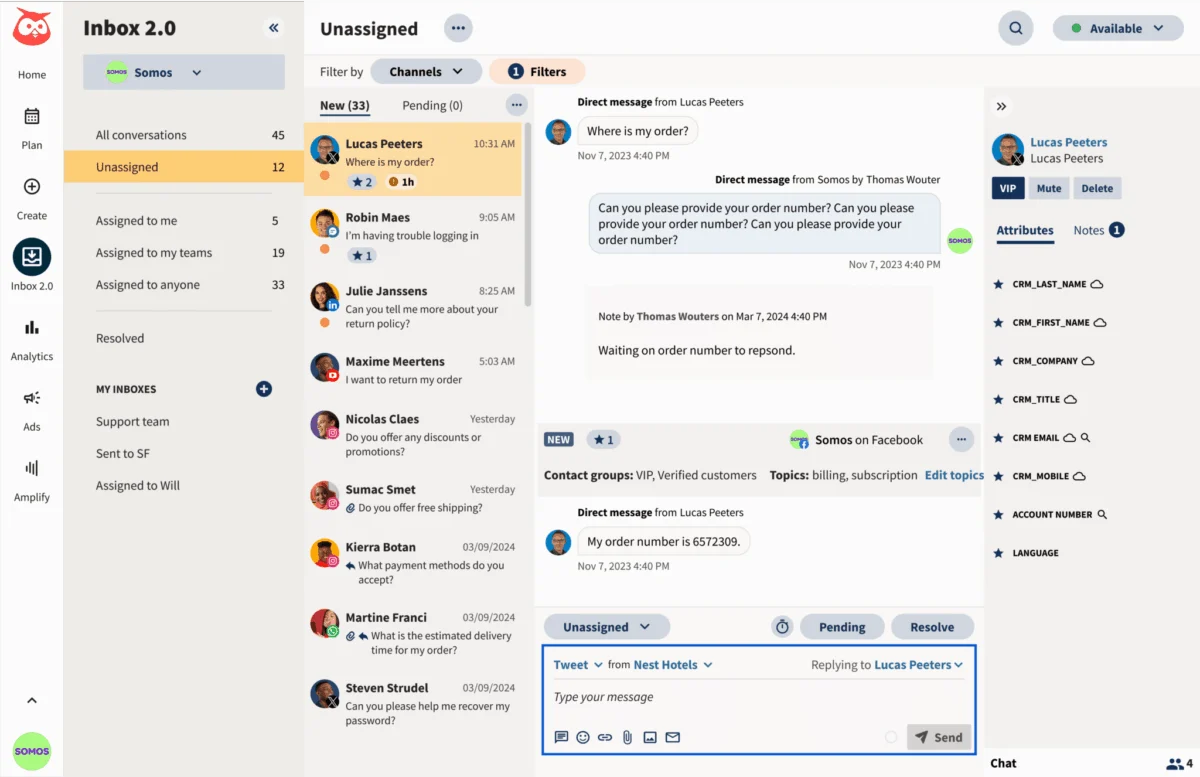
Automation is the key to scalability. By using tools like Hootsuite Inbox, brands can automate routing, saved replies for FAQs, and chatbot integration. This frees up your human talent to handle complex, high-emotion situations where nuance and empathy are required.

5. Protect Your Team’s Mental Health
Perhaps the most overlooked aspect of moderation is the human cost. Moderators are often exposed to the darkest corners of the internet. Companies have a duty of care to provide regular breaks, psychological support, and clear "off-ramps" for employees who are feeling the burnout associated with constant exposure to negative or abusive content.
Modern Tooling: The Tech Stack of Moderation
In the modern era, enterprise-level brands rely on specialized tools to manage the sheer volume of data:

- Hootsuite: Offers comprehensive solutions through "Listening" and "Inbox," allowing teams to monitor brand mentions and manage cross-platform communications from a single, centralized dashboard.
- Respondology: Highly effective for high-profile brands and creators who require a dedicated tool to purge racism, slurs, and abusive content instantly.
- BrandFort: An AI-powered solution that excels at understanding the intent behind comments, rather than just identifying surface-level keywords. It is particularly adept at handling multi-language moderation for global organizations.
- Smart Moderation: A machine-learning tool that "learns" what is inappropriate for a specific brand’s culture. It grows more accurate over time, reducing the need for constant manual recalibration.
Implications and Future Outlook
The future of content moderation lies in the intersection of advanced AI and human emotional intelligence. As Large Language Models (LLMs) continue to improve, AI will become better at discerning sarcasm, context, and intent. However, the human moderator will remain indispensable for the "grey areas" of public discourse.
For businesses, the implication is clear: you can no longer afford to treat social media as an unmonitored digital wild west. By implementing a sophisticated, tool-backed, and human-led moderation strategy, companies can protect their brand equity, foster deeper trust with their customers, and navigate the inevitable crises of the digital age with confidence.

Ultimately, effective content moderation is a testament to how much a brand values its community. By curating the space in which your audience interacts, you aren’t just preventing harm—you are actively building a more engaged, loyal, and healthy digital ecosystem.












No comments yet. Be the first to join the conversation!