

In the landscape of modern streaming, few projects have generated as much stylistic curiosity as Prime Video’s Spider-Noir. Centered on a gritty, Depression-era version of the wall-crawling hero, the series stars Nicolas Cage as Ben Reilly—a weary, chain-smoking private investigator operating out of a dim, rain-slicked New York City. While the series functions as an expansion of the Spider-Verse mythos, it is simultaneously a love letter to the golden age of hardboiled detective cinema.
The second episode of the series, in particular, has caught the attention of cinephiles for its deliberate homage to one of the most iconic exchanges in the history of the genre: Billy Wilder’s 1944 masterpiece, Double Indemnity. By mirroring the razor-sharp, double-entendre-laden dialogue of the noir era, Spider-Noir elevates itself from a standard superhero adaptation into a sophisticated meta-commentary on the tropes of detective fiction.
The Anatomy of a Homage: Breaking Down the Scene
To understand the weight of the Spider-Noir reference, one must look at the source material. In Double Indemnity, the first meeting between insurance salesman Walter Neff (Fred MacMurray) and the icy, manipulative Phyllis Dietrichson (Barbara Stanwyck) is a masterclass in subtext. Their back-and-forth, centered on the idea of "wondering" about one another’s intentions, serves as the bedrock for a relationship defined by murder, greed, and inevitable destruction.
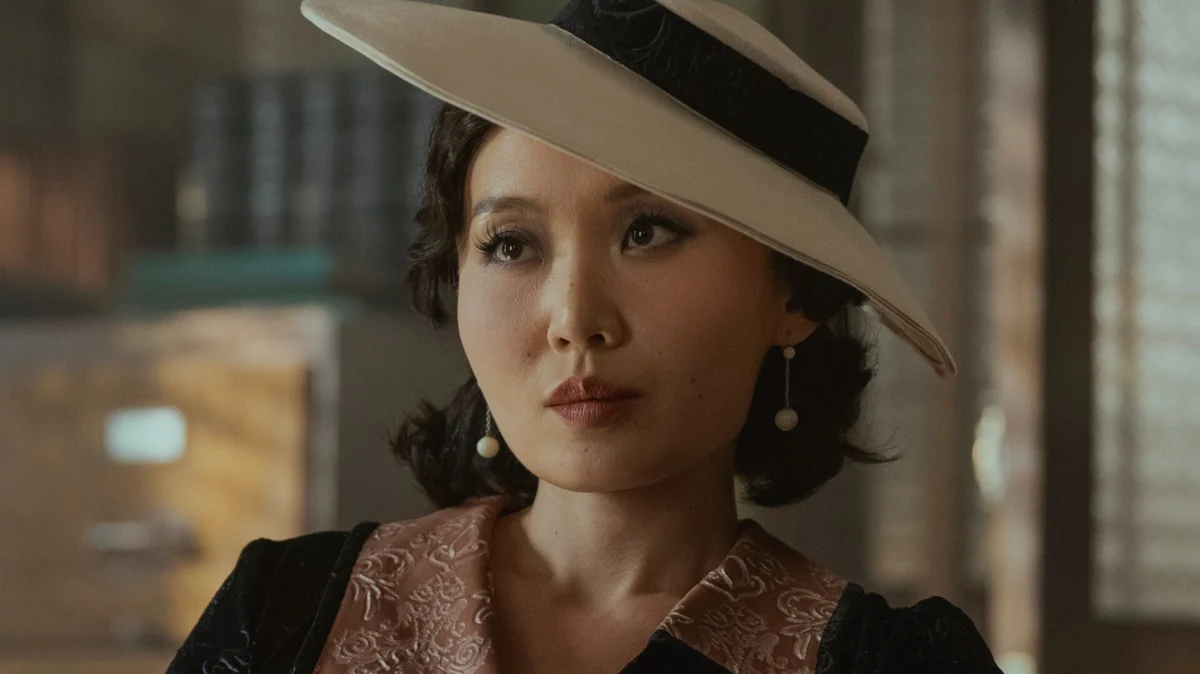
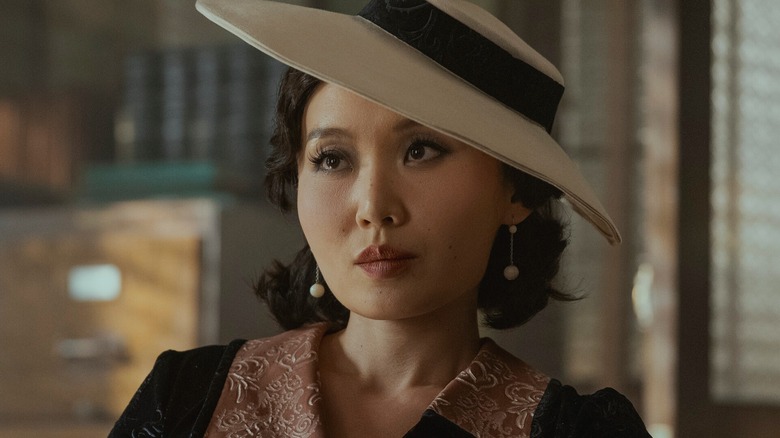
In Spider-Noir, the dynamic between Ben Reilly and nightclub singer Cat Hardy (Li Jun Li) echoes this rhythmic, rapid-fire banter. Following a brutal encounter in the pilot episode—where Reilly is forced to use his dormant powers against the sand-wielding Flint Marko—Hardy visits his office under the guise of reporting Marko missing.
The ensuing dialogue is a dance of duplicity. When Hardy asks, "Do you think I’m withholding from you, Mr. Reilly?" and he counters with, "What if I said I did?", the series isn’t just paying tribute; it is establishing a power dynamic. Much like Neff and Dietrichson, Reilly and Hardy are trapped in a cycle of mutual suspicion where the truth is less important than the game of cat-and-mouse they are playing.
A Chronology of Cynicism: The Legacy of Raymond Chandler
The stylistic DNA of Spider-Noir owes an immense debt to the literary giants of the 1930s and 40s, most notably Raymond Chandler. As the creator of Philip Marlowe, Chandler redefined the detective archetype: a man with a moral compass, however tarnished, navigating a city defined by corruption and existential decay.
The Chandler Influence
Chandler’s cynicism was never pure misanthropy; it was a form of romanticism turned inside out. He understood that the "noir" hero was a man who saw the world as it was—brutal and unfair—yet still felt the tug of altruism. This is precisely where Nicolas Cage’s Ben Reilly finds his footing.

Historically, the noir genre evolved through several distinct phases:
- The Early Hardboiled (1930s): The establishment of the P.I. as a lone wolf in a hostile urban landscape (Dashiell Hammett’s The Maltese Falcon).
- The Psychological Noir (1940s): The focus shifted to the moral ambiguity of the protagonists, as seen in Double Indemnity and The Big Sleep.
- The Neo-Noir Revival (1970s–Present): A deconstruction of these tropes, often blending them with other genres, such as the surrealism found in Spider-Noir.
By integrating these influences, Spider-Noir mirrors the path of the classic detective. Reilly is a man who has abandoned his "mask"—both literally and figuratively—having seen his optimism incinerated by the tragedies of his past.
Supporting Data: The "Cage" Approach to Characterization
Nicolas Cage has been vocal about his preparation for the role, describing his portrayal of Ben Reilly as "70 percent Humphrey Bogart and 30 percent Bugs Bunny." This specific blend of gravity and absurdity is essential to the show’s tone.
The "Bogart" element grounds the series in the gritty realism of the 1930s, utilizing the tropes of trench coats, venetian blind lighting, and smoke-filled rooms. The "Bugs Bunny" element, however, allows for the surreal, comic-book nature of the Spider-Man mythos to exist without feeling incongruous.
Why the Homage Works
The reference to Double Indemnity functions on three levels:
- Genre Signaling: It immediately establishes the show’s aesthetic lineage for the audience.
- Character Development: It showcases that Hardy is a classic femme fatale—a woman who is both a victim of her circumstances and a catalyst for the hero’s downfall.
- Meta-Textual Humor: It highlights the absurdity of a super-powered being trying to live a mundane, hardboiled life.
Official Responses and Creative Direction
The production team behind Spider-Noir has emphasized that while the series is a superhero show, it is intended to function primarily as a character study. Showrunners have noted in various press junkets that the "noir" label is not merely a filter or a stylistic choice, but a narrative framework.
By utilizing the Double Indemnity template, the writers are signaling that the audience should not expect a straightforward hero’s journey. Instead, they are being presented with a story about disillusionment. When Reilly interacts with Hardy, he isn’t just solving a mystery; he is trying to navigate a world where, as the genre dictates, everyone has a secret, and the most dangerous thing you can do is trust the wrong person.
Implications for the Future of the Series
What does this heavy reliance on genre tropes mean for the future of Spider-Noir? It suggests that the show is positioning itself as a prestige drama within the larger superhero ecosystem.
The Shift in Superhero Storytelling
For years, the "superhero" genre has been criticized for becoming formulaic. Spider-Noir represents a pivot toward genre-blending. By treating the Spider-Man mythos as a detective story, the show manages to make familiar beats feel fresh.
If the first two episodes are any indication, the remainder of the series will likely lean into the darker aspects of the noir canon. We can expect:
- Increasingly unreliable narrators: As Reilly’s mental state continues to fracture, the line between reality and his own perceptions will blur.
- The "Femme Fatale" Trap: Hardy’s arc will likely mirror the tragic trajectory of Phyllis Dietrichson, testing Reilly’s remaining sense of morality.
- A "City as Character" dynamic: Much like Los Angeles in The Big Sleep, New York City in Spider-Noir acts as an antagonist, a sprawling urban labyrinth that traps the protagonist in its webs.
Conclusion: A Love Letter to the Shadows
Spider-Noir is a rare example of a franchise property that manages to respect its source material while simultaneously honoring the art that inspired it. By weaving the DNA of Double Indemnity into its second episode, the series proves that it understands the fundamental appeal of noir: the tension between what we say and what we mean.
Whether one chooses to watch the series in the stark, high-contrast monochrome or the vibrant colors of the modern era, the underlying themes remain the same. Ben Reilly is a man caught in the shadow of his own history, trying to find a sense of justice in a world that has largely forgotten the meaning of the word. Through its expert dialogue, sharp pacing, and deep respect for the hardboiled masters of the past, Spider-Noir has established itself as one of the most compelling entries in the superhero genre to date. It is a reminder that even when the webs are stripped away, the story of a man trying to do the right thing in a wrong world is always worth telling.









No comments yet. Be the first to join the conversation!