


In the annals of gaming history, the era between 2005 and 2015 is often remembered as the "MMO Gold Rush." It was a decade characterized by a frantic, often misguided attempt by developers and publishers to capture the lightning-in-a-bottle success of World of Warcraft. While a few giants emerged from the fray, thousands of ambitious, bizarre, and ultimately doomed projects were left in the wake of the industry’s pivot toward safer, more homogenized live-service models.
As we look back at this period, we aren’t just looking at failed software; we are looking at a time when the genre was a laboratory for wild, experimental design. Today, we revisit the "weirdos"—the games that were either tragically ahead of their time, cautionary tales of monetization, or simply too chaotic to survive.
A Brief Chronology of the MMO Frontier
The timeline of the MMO gold rush mirrors the maturation of the internet itself. In the mid-2000s, the prospect of persistent, shared digital worlds felt like the future of human interaction.

- 2005: The Matrix Online launches, attempting to integrate cinematic narrative into a persistent social space.
- 2007: Zhengtu Online arrives in China, inadvertently introducing the world to the mechanics of the modern loot box.
- 2009: Empire of Sports and Darkfall hit the market, representing the disparate poles of casual social gaming and hardcore, high-stakes PvP.
- 2015: Otherland releases at the tail end of the era, proving that even the most creative world-building cannot save a game plagued by mechanical instability.
By 2021, with the closure of titles like Otherland, the industry had largely shifted. The "MMO" as a singular, massive endeavor has been supplanted by "live service" titles that favor accessibility and standardized monetization over the idiosyncratic, often impenetrable, charm of these early pioneers.
The Architect of Greed: Zhengtu Online
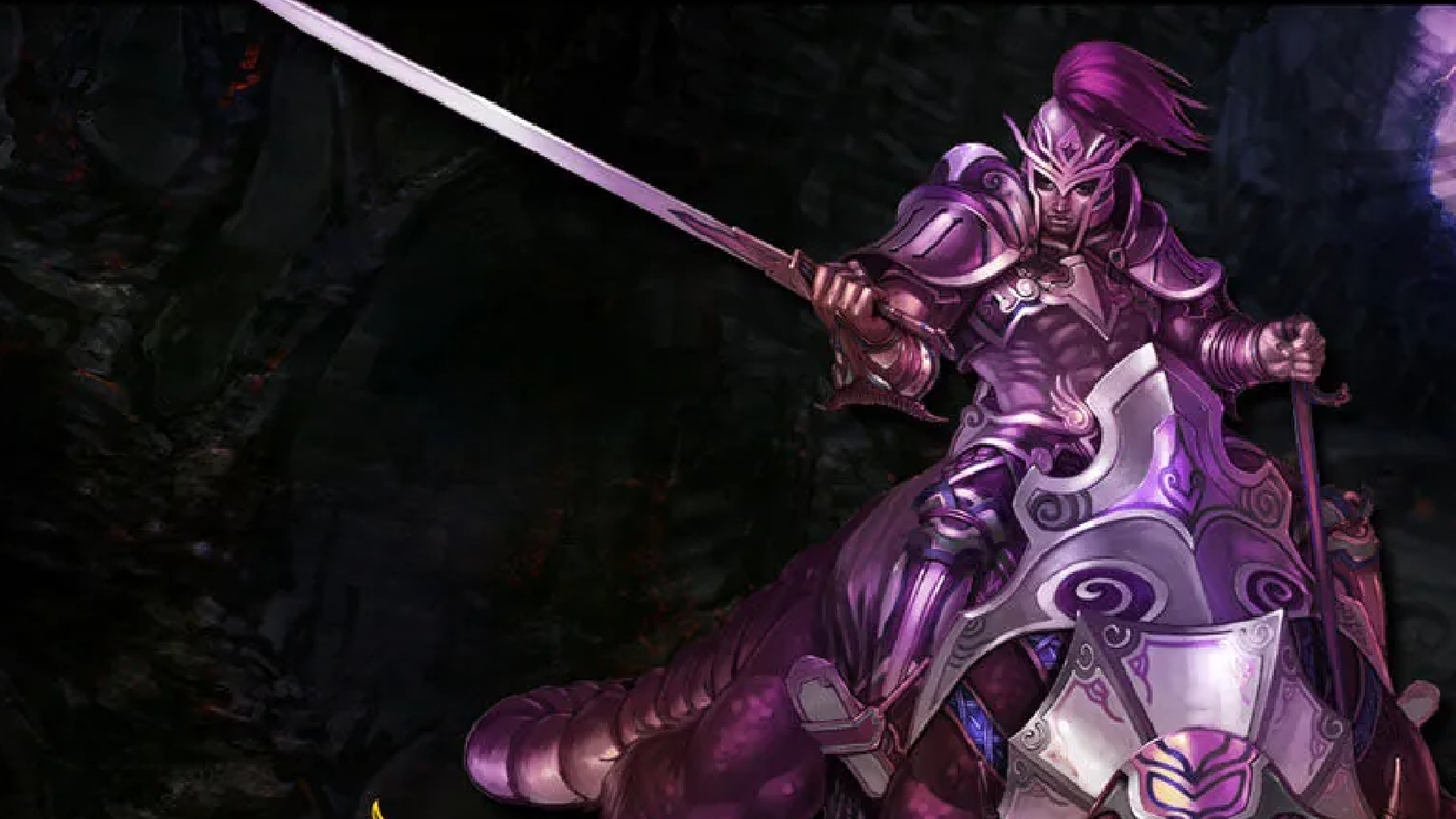
If there is one game that represents the dark underbelly of the MMO gold rush, it is Zhengtu Online. While Western audiences might view the loot box as a modern nuisance introduced by FIFA or Overwatch, its roots were firmly planted in the soil of the 2007 Chinese market.
Zhengtu was not just a game; it was a psychological engine designed for profit. In a 2017 retrospective for PC Gamer, contributor Steven T. Wright highlighted the story of Lu Yang, a sonogram technician whose life was consumed by the game’s predatory systems. The core loop involved purchasing keys for one yuan to open chests, accompanied by the sensory feedback of a slot machine.

The financial success of this model was staggering. In its peak years, Zhengtu reported monthly profits of approximately 120 million Yuan (roughly $15.5 million in 2007 currency). When adjusted for inflation, this represents a massive revenue stream that signaled to the rest of the industry that "free-to-play" could be far more lucrative than a monthly subscription if the design was sufficiently exploitative. Zhengtu proved that if you make the act of spending money a core mechanic, the game effectively becomes a casino.
The Matrix Online: A Blueprint for the Live Service Future
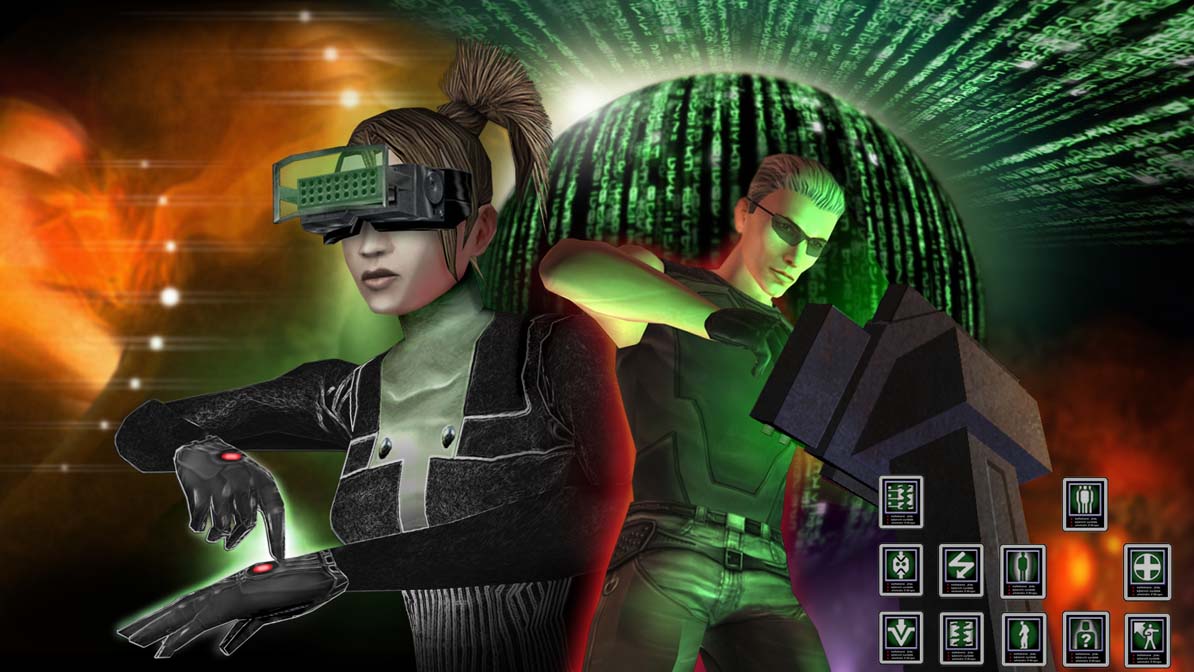
While Zhengtu taught the industry how to monetize, The Matrix Online taught it how to engage. Released in 2005, the game was a mess of technical bugs and server instability, yet it possessed a revolutionary "Live Events Team."
Unlike modern games where events are static, pre-recorded, or automated, The Matrix Online utilized actual developers to roleplay iconic characters like Morpheus or Seraph. These developers would intervene in the world, shifting the narrative in real-time based on player behavior. This proto-metaverse approach mirrors what we see today in Fortnite or Guild Wars 2, where the narrative is treated as a living, breathing entity.

The game also offered a flexible class system that allowed players to swap abilities on the fly. In an era where World of Warcraft punished players for changing specializations, The Matrix Online felt like a glimpse into a more player-friendly future. It ultimately lasted only four years, but its DNA survives in almost every modern live-service game that attempts to foster a sense of "community-driven" progression.
Darkfall and the Hardcore PvP Dream
If The Matrix was about narrative, Darkfall (2009) was about consequences. A full-loot PvP MMO, Darkfall was the ultimate high-risk, high-reward environment. It was so popular upon its chaotic launch that developer Aventurine had to throttle sales just to prevent their servers from melting.
Darkfall serves as a lesson in the dangers of unmitigated ambition. The game was notoriously grindy, and because it was built on a foundation of competitive, full-loot PvP, it became a playground for exploiters. When the developers struggled to patch these holes, the competitive integrity of the game collapsed.

Yet, looking at the modern landscape, Darkfall was essentially a precursor to the "Extraction Shooter" genre. Games like Arc Raiders or Escape from Tarkov have adopted the Darkfall ethos—the fear of loss, the high stakes of player encounters, and the social dynamics of hostile environments—while smoothing out the rough edges that made Darkfall so difficult to maintain.
Otherland: The Tragedy of Potential
The final chapter of this era is Otherland, based on the visionary science fiction series by Tad Williams. Released in 2015, it was a technical disaster. As described by PC Gamer’s Matt Elliot, playing the game was akin to "playing Guild Wars with someone else’s severed hands."
However, the world-building within Otherland was nothing short of brilliant. It featured simulations like "EightSquared," a living chessboard where players were mere pawns in an eternal, automated conflict. It was a concept that pushed the boundaries of what an MMO could be, moving away from standard fantasy tropes and into the realm of cyberpunk philosophy. Its failure remains one of the most significant "what-ifs" in the genre, demonstrating that even the most inspired lore cannot compensate for a lack of polish and mechanical coherence.
Implications for the Modern Industry
Why do these games matter today? We are currently in an era where publishers are terrified of the "WoW-level scope." The sheer cost of creating a AAA MMO is now so prohibitive that few companies are willing to take the risk. As a result, we see a stagnation in the genre, with many new titles opting for safe, derivative mechanics that prioritize survival-crafting over deep, persistent social worlds.
The tragedy of the post-gold-rush era is that we have lost the "little weirdos." We have traded the reckless, messy, and fascinating experiments of the 2000s for a landscape dominated by bland, focus-tested products. While the "old-school" spirit persists in niche indie projects like Project: Gorgon, the mainstream has largely abandoned the daring ambition that defined the mid-2000s.
Conclusion: A Toast to the Pioneers
The MMO gold rush was a time of immense greed, yes, but it was also a time of unparalleled creativity. We must acknowledge the developers who tried to build worlds that were fundamentally different from the status quo. Whether they were designing the next generation of social interaction or accidentally inventing the loot box, these games shaped the industry we inhabit today.
As the industry continues to chase safe bets and recurring revenue, we should remember the "weirdos." They were the ghosts in the machine that proved that sometimes, in the pursuit of building something truly original, it is worth the risk of failing spectacularly. We may never see their like again, but their influence remains etched into the foundation of every digital world we visit today.











No comments yet. Be the first to join the conversation!