

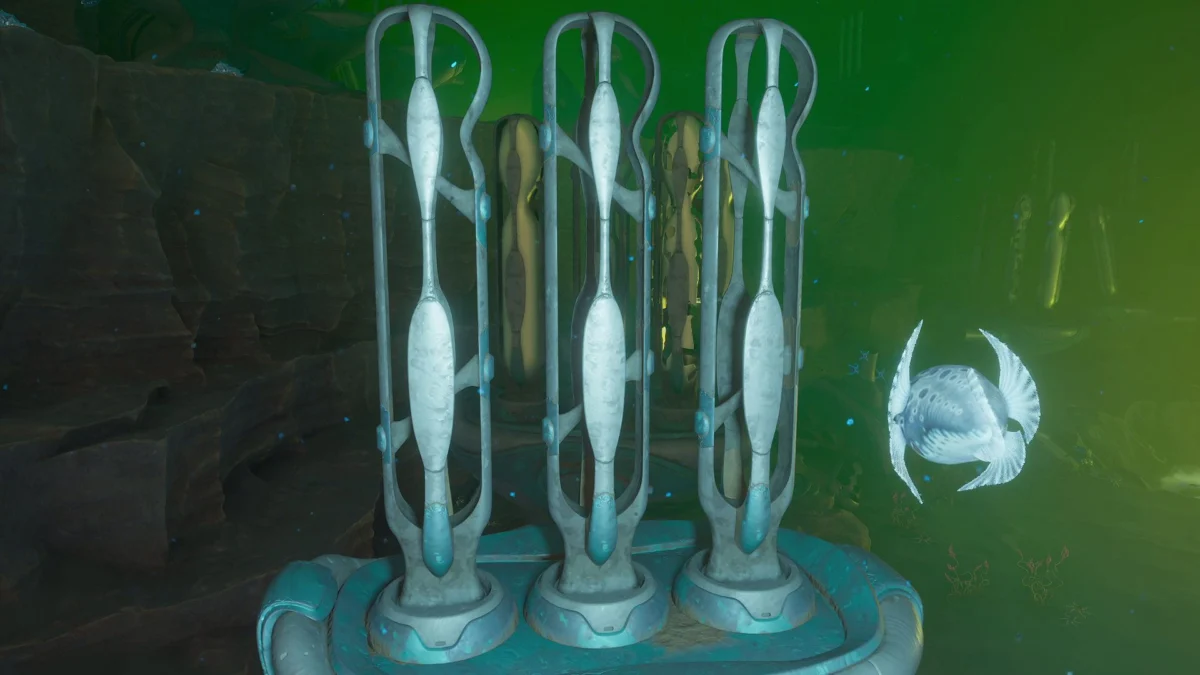
While Subnautica 2—the highly anticipated sequel from Unknown Worlds Entertainment—is primarily defined by its harrowing survival mechanics and breathtaking underwater exploration, it is not a traditional farming simulator. Players hoping to cultivate alien flora or raise livestock in the traditional sense will find that the game prioritizes resource gathering and technological adaptation over agrarian pursuits. However, for the veteran survivor, there is a way to bypass the constant, tedious grind of scavenging: the Metal Farm.
This guide explores the intricacies of constructing and utilizing the Metal Farm, a critical endgame utility that transforms the way players manage their base resources. By automating the production of essential minerals, players can pivot their focus from repetitive gathering to the more ambitious goals of deep-sea colonization.
The Core Concept: What is a Metal Farm?
In the vast, procedurally dense environments of Subnautica 2, resource scarcity is a constant pressure. Traditionally, players are forced to memorize the specific biomes where individual mineral nodes spawn. If your base requires a constant stream of gold or sulfur, you are often tethered to those specific regions, creating a logistical bottleneck.
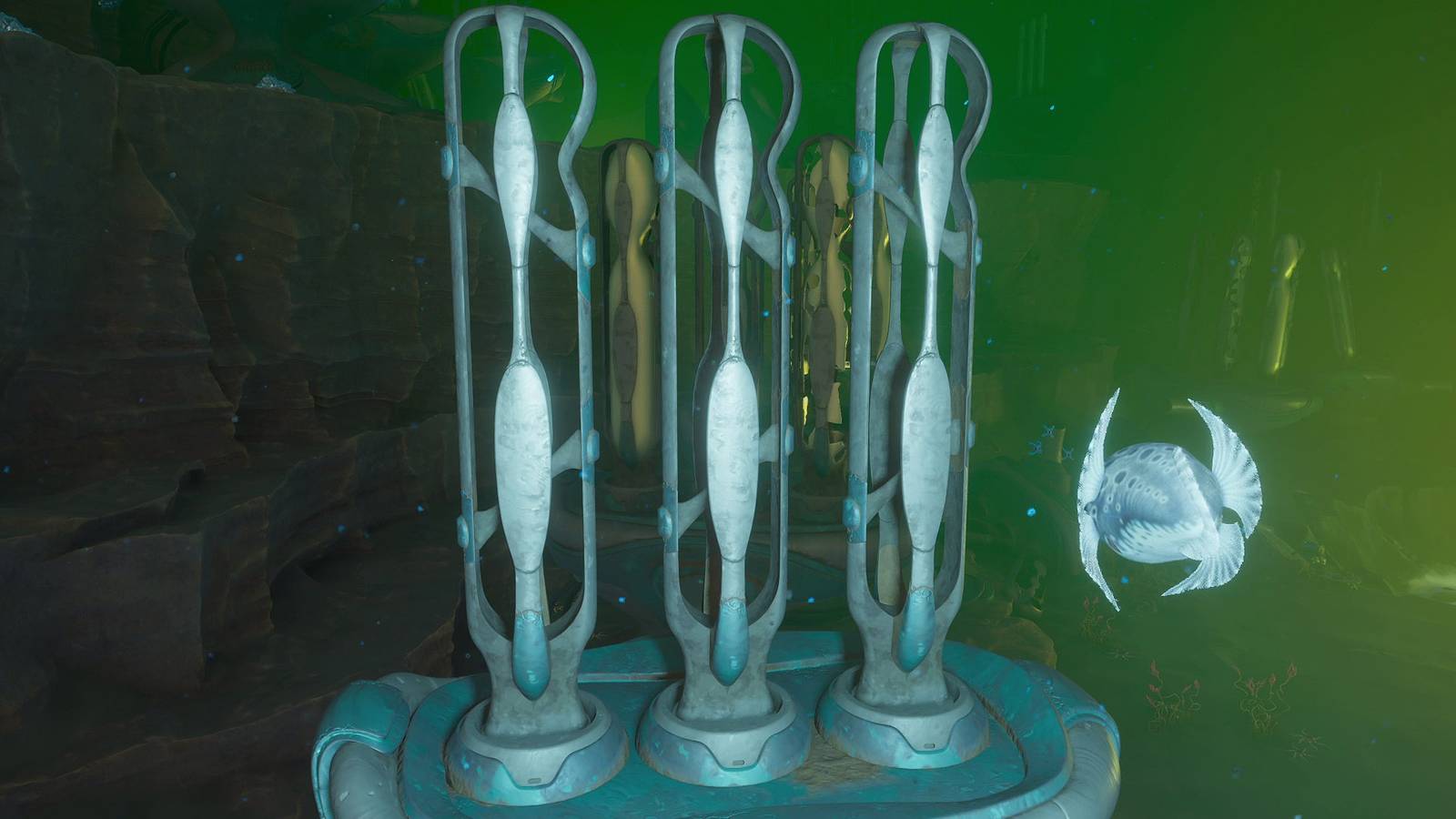
The Metal Farm functions not as a garden, but as a sophisticated, localized molecular assembly device. It acts as a "cloning" station that, once powered and primed with a base mineral, reproduces that material over a set period. It is the ultimate tool for passive resource generation, allowing you to establish a self-sustaining economy within the walls of your own habitat.
Chronology of Discovery: From Scavenger to Industrialist
The path to unlocking the Metal Farm is not handed to the player; it is an expedition that requires significant progress into the game’s narrative and geographical depths.
The Mid-Game Preparation
Before you can dream of automated production, you must establish a robust presence in the mid-game biomes. You will need to have mastered the use of the Habitat Tool and secured a reliable power grid, such as thermal or nuclear reactors, as Metal Farms are power-intensive.

The Endgame Expedition
The blueprint for the Metal Farm is not available via standard scanning in the early biomes. It is located in the final stages of the current Early Access map. Players must venture into the "Atomic Fields"—a high-risk, visually distinct region characterized by its alien architecture and neon-hued, toxic pools.
It is here that the precursor species constructed their own massive, industrial-scale versions of these devices. To unlock the schematic for your own, you must scan three of these large structures found within the fields. Because these structures are expansive, each one typically satisfies one-third of the scanning requirement, allowing for a swift unlock once you have safely navigated the hazards of the environment.
Securing the Catalyst
Crucially, the construction of a Metal Farm requires a rare component known as Axum Bacteria. These are found exclusively within the green, irradiated pools of the Atomic Fields. Because these materials do not respawn, players are currently limited to crafting only five Metal Farms per save file. This limitation necessitates strategic placement and careful selection of which minerals to prioritize for automation.
Technical Specifications and Yield Data
The efficiency of a Metal Farm is dictated by the input material. The device operates on a timer system, and the rarity of the resource generally correlates with a longer production cycle. Below is the breakdown of production times and yields for the most common materials:
| Mineral | Production Time | Yield |
|---|---|---|
| Titanium | 2 Minutes | x5 |
| Copper | 2 Minutes | x3 |
| Quartz | 2 Minutes | x3 |
| Salt | 2 Minutes | x3 |
| Silver | 10 Minutes | x3 |
| Lead | 10 Minutes | x3 |
| Sulfur | 10 Minutes | x3 |
| Gold | 10 Minutes | x3 |
| Celestine | 10 Minutes | x3 |
| Lithium | 10 Minutes | x2 |
| Creature Enamel | 10 Minutes | x2 |
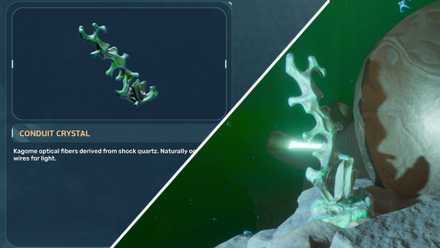
| Conduit Crystal | 10 Minutes | x2 |
| Atamacite | 20 Minutes | x2 |
| Troilite | 20 Minutes | ~x2 |
Note: Data reflects current balancing in Early Access. Yields and times are subject to change in future patches.
Construction and Maintenance: The Practical Workflow
Once you have secured the blueprint and the necessary materials—specifically a Mangalloy Ingot and an Axum Bacterial Culture—you are ready to construct your farm.
Installation
The Metal Farm is a "Cultivation" category item. Using your Habitat Tool, you must place it outside your base structure, ideally near an external power connection. Ensure the area is clear of obstructions, as the device requires space to cycle through its production animation.
The Harvesting Cycle
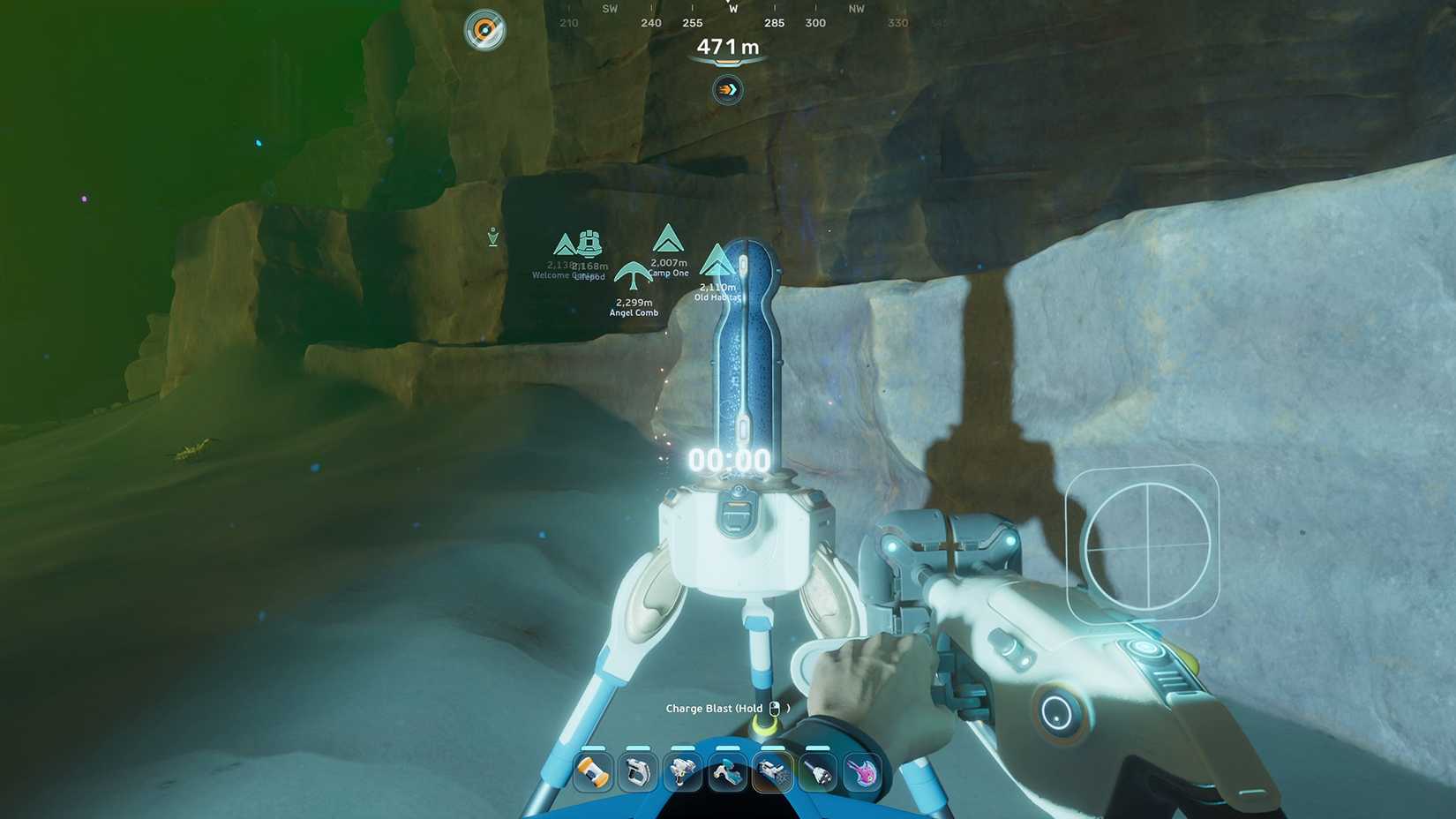
The Metal Farm does not automatically deposit items into a locker. To collect your yield, you must manually interact with the device. When the machine is actively producing, a rod will protrude from the base. Once the cycle is complete, the rod shifts to a vertical position pointing toward the surface.
You must then use a Resonator (an essential tool for this process) to break the connection and harvest the materials. After the harvest, the device resets, and you can initiate the next cycle. This manual interaction ensures that the player remains engaged with their base, rather than leaving the game completely idle.
Official Stance and Developer Intent
Unknown Worlds Entertainment has maintained that the addition of the Metal Farm is intended to alleviate the "resource fatigue" that often accompanies the final hours of a Subnautica playthrough. By providing a pathway to passive resource generation, the developers aim to encourage players to focus on the game’s complex building and exploration objectives rather than spending hours searching for the final bits of silver or gold needed for a critical component.
While some players have expressed concern that this could trivialize the survival aspect of the game, the developer’s limited-count policy—restricting players to only five units—acts as a balancing mechanism. It forces the player to choose their industrial focus, effectively preventing an economy that would render exploration entirely obsolete.
Implications for Future Gameplay
The introduction of the Metal Farm marks a shift in the Subnautica franchise’s design philosophy. By bridging the gap between survival and automation, the game allows for a more "architectural" end-game experience. Players are no longer just survivors; they are engineers.
1. Scaling Operations
With five Metal Farms, a player can optimize their base to produce the exact materials required for their specific playstyle. For instance, a player focused on deep-sea exploration might dedicate their five slots to Lithium and Conduit Crystals, which are essential for pressure-resistant hull upgrades and energy-efficient power cells.
2. The Shift in Focus
The existence of these farms changes the "loop" of the game. Instead of spending 60% of gameplay time scouting, players can now spend 60% of their time on base expansion, creature study, and narrative progression. This allows the developers to introduce more challenging, resource-heavy building requirements in later content updates, knowing that players have a consistent supply chain to support them.
3. Community Strategy
As the Subnautica 2 community continues to evolve, we are already seeing the emergence of "Industrial Hubs"—bases specifically designed to house five Metal Farms, solar arrays, and automated storage. These hubs serve as central pillars for players participating in the game’s new online co-op mode, allowing teams to designate a "quartermaster" responsible for managing the farm output and distributing resources to the team.

Conclusion
The Metal Farm is more than a convenience; it is a testament to the player’s mastery over the environment of Subnautica 2. While the road to the Atomic Fields is fraught with danger, the reward—a permanent, reliable source of high-tier materials—fundamentally changes your capability as a survivor. Whether you are aiming to construct the ultimate underwater metropolis or simply want to stop hunting for copper every time you need a new battery, the Metal Farm is your ticket to a more efficient and rewarding experience on this alien world.
Remember: resources are finite, time is precious, and the ocean is deep. Use your five farms wisely.












No comments yet. Be the first to join the conversation!